Issue · Healthcare

Healthcare

Every healthcare bill, vote, and legislator stance in United States, automatically classified by Maddy, our AI policy reader.

Total bills
3,150
119th Congress
Top supporter
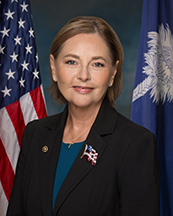
Darline Graham
82% support rate
Top opponent
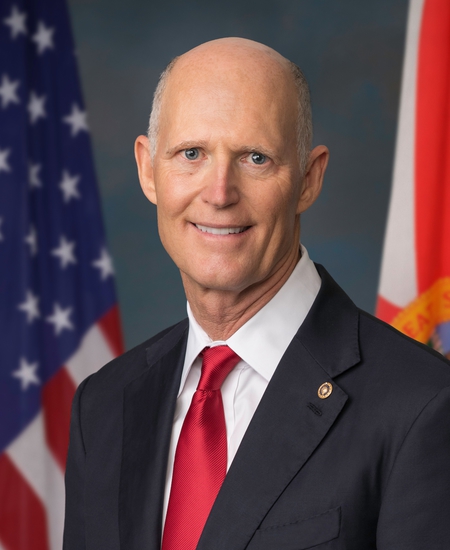
Rick Scott
19% support rate
Ranked legislators
10
5 support · 5 oppose
Key legislators

Who's moving healthcare in United States

Legislators moving healthcare in United States
Legislator Party Stance Support rate Decisive votes
Darline Graham
Darline Graham Senate
R
Strong +
82% 11
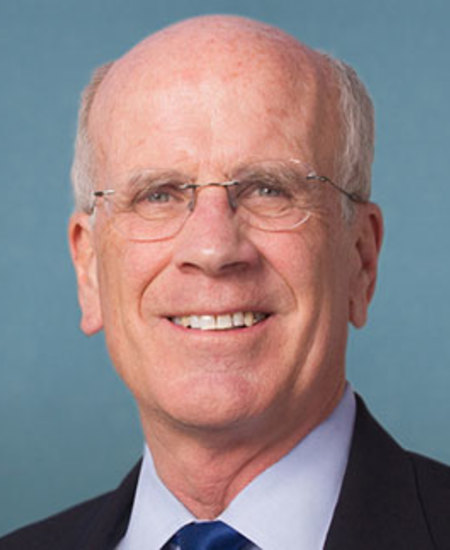
Peter Welch
Peter Welch Senate
D
Strong +
81% 27
Ron Wyden
Ron Wyden Senate
D
Support
78% 27
Alex Padilla
Alex Padilla Senate
D
Support
77% 26
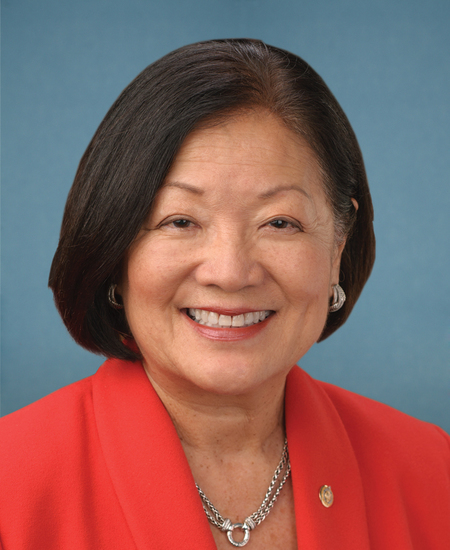
Mazie K. Hirono
Mazie K. Hirono Senate
D
Support
74% 27
Rick Scott
Rick Scott Senate
R
Strong −
19% 27
Ashley Moody
Ashley Moody Senate
R
Oppose
22% 27
Rand Paul
Rand Paul Senate
R
Oppose
22% 27
Brad Knott
Brad Knott House · District 13
R
Oppose
28% 18
Pat Harrigan
Pat Harrigan House · District 10
R
Oppose
28% 18
Showing 2,101–2,110 of 3,150 bills

All healthcare bills

in committee · United States · House May 21, 2026

HR 3164: Ensuring Community Access to Pharmacist Services Act

This bill would add pharmacist services to Medicare Part B coverage for beneficiaries, specifically covering pharmacist-led testing and treatment for illnesses like flu, COVID-19, or strep throat during public health emergencies. It defines covered services as those performed under state law, often requiring collaboration with a physician, and sets payment at 80% of the lesser of the actual charge or 85% of physician payment rates. Pharmacists would be prohibited from balance billing for these services, ensuring Medicare beneficiaries pay only their standard copayment. The changes would take effect January 1, 2026.
in committee · United States · House Apr 30, 2025

HR 3128: Improving Diaper Affordability Act of 2025

HR 3128, the Improving Diaper Affordability Act of 2025, makes diapers eligible as qualified medical expenses under tax-advantaged health accounts (like HSAs and health flexible spending arrangements) and prohibits states or localities from imposing sales taxes on diaper purchases. This directly affects families with young children - particularly low-income households, where 46% report struggling to afford diapers - who currently spend hundreds annually on diapers. The bill changes existing tax rules so families can use pre-tax dollars from health savings accounts to cover diaper costs, and bans sales taxes on diaper purchases starting in 2025. It does not create new government assistance programs but adjusts tax treatment to reduce out-of-pocket costs for diapers.
in committee · United States · Senate Dec 11, 2025

S 3435: FAAN Act

The FAAN Act (S 3435) provides $1 billion in federal grants to nursing schools in underserved areas to address nursing workforce shortages. It directly affects nursing schools located in medically underserved regions, rural communities, or areas with health professional shortages, prioritizing institutions serving underrepresented racial/ethnic groups, low-income students, and rural populations. Key provisions require grantees to expand enrollment (especially for underrepresented students), modernize facilities with technology like simulation labs, strengthen clinical partnerships, and hire diverse faculty. Schools must report annually on outcomes, including student demographics and program impacts, with a comprehensive report to Congress after five years. The bill aims to strengthen nursing education capacity and emergency response readiness through these targeted funding mechanisms.
in committee · United States · House Mar 20, 2026

HR 7571: GusNIP Expansion Act of 2026

This bill expands the Gus Schumacher Nutrition Incentive Program (GusNIP) by modifying funding rules and adding new program features. It allows 100% federal funding for projects in persistent poverty areas (defined by 30-year poverty rates), requires 90% of funds to be spent on redeemed incentives at retailers, and creates cooperative agreements to scale statewide programs through partnerships with SNAP agencies or nonprofits. It also establishes new produce prescription grants ($100,000-$400,000 for pilots, $1-2.5 million for expansion) with specific criteria for clinical research and patient cohorts. The bill directly affects low-income SNAP participants in designated poverty areas, retailers accepting incentives, and community health centers participating in produce prescription programs.
in committee · United States · Senate Feb 11, 2025

S 523: Protect Medicaid Act

The Protect Medicaid Act (S 523) prohibits federal Medicaid funds from covering administrative costs for health benefits provided to unauthorized immigrants. It directly affects states that currently offer Medicaid-like benefits to noncitizens ineligible due to immigration status, requiring them to fund these administrative costs themselves. The bill amends the Social Security Act to explicitly ban such federal spending and mandates an Inspector General report detailing how states separate costs, ensure compliance, and finance these programs (e.g., via provider taxes). The report must also analyze drug pricing impacts when unauthorized immigrants receive covered medications through Medicaid or 340B programs. This is a procedural change restricting federal funding, not altering eligibility for Medicaid benefits.
in committee · United States · Senate Jan 23, 2025

S 209: Protecting Minors from Medical Malpractice Act of 2025

This bill creates a legal right for individuals who received gender-transition medical procedures (like puberty blockers, cross-sex hormones, or surgery) before age 18 to sue the medical practitioner up to 30 years after turning 18, if they suffered harm. It defines "gender-transition procedure" broadly to include those changing the body to align with gender identity (excluding specific medical exceptions like ambiguous biological characteristics or life-threatening conditions). The law applies when the procedure involves interstate commerce, such as payments or communications crossing state lines. It does not ban such procedures but establishes a civil liability framework for minors affected by them.
in committee · United States · House Jan 9, 2025

HR 317: Healthcare Freedom Act of 2025

The Healthcare Freedom Act of 2025 would rename health savings accounts as "health freedom accounts" and make them available to all individuals, removing the previous requirement of having a high-deductible health plan. It increases the annual contribution limit to $12,000 (or $24,000 for joint returns) and expands eligible expenses to include direct primary care and health care sharing ministries. Employers could contribute to these accounts for new hires starting five years after enactment, with a transition rule for existing accounts. The bill would directly affect individuals using these accounts and employers who choose to participate in the new system.
Sub-Topics Insurance Primary Care
in committee · United States · Senate Nov 20, 2025

S 3254: NIH IMPROVE Act

This bill establishes the NIH IMPROVE Initiative to advance maternal health research and reduce preventable maternal deaths and serious pregnancy complications. It directs the NIH Director to fund research focused on reducing health disparities, understanding regional factors affecting maternal outcomes, and implementing community-based interventions for disproportionately affected populations. The initiative authorizes $73.4 million annually from 2026 through 2031 for grants and contracts to support this work. The bill directly affects NIH researchers and communities with high maternal mortality rates, particularly those facing racial and geographic health disparities.
Sub-Topics Women's Health
in committee · United States · Senate Sep 10, 2025

S 2751: Permanent OPTN Fee Authority Act

This bill establishes a permanent fee structure for the Organ Procurement and Transplantation Network (OPTN), a national system managing organ transplants. It authorizes the Health Secretary to collect annual registration fees from transplant centers and organ procurement organizations participating in the OPTN, with funds dedicated solely to supporting the network's operations. The bill requires quarterly transparency updates on the website showing how much each member paid and how fees were spent, and mandates a GAO review within two years to assess the fee program's effectiveness. This affects all OPTN member organizations responsible for managing organ matching and transplants in the U.S.
in committee · United States · House Jun 26, 2025

HR 4184: To amend the Internal Revenue Code of 1986 to exclude from gross income certain compensation to clinical trial participants, and for other purposes.

This bill makes payments to clinical trial participants tax-free and ensures those payments won't count toward income limits for federal programs like Medicaid or food assistance. It covers both compensation for participation and reimbursement of reasonable expenses (like travel) related to approved clinical trials for life-threatening conditions. The exclusion applies to payments made after December 31, 2025, and is defined in the bill using existing IRS and Public Health Service Act terms.
Sub-Topics Medicaid Public Health
Showing 2,101 to 2,110 of 3,150 bills