Issue · Healthcare

Healthcare

Every healthcare bill, vote, and legislator stance in United States, automatically classified by Maddy, our AI policy reader.

Total bills
3,150
119th Congress
Top supporter
Darline Graham
82% support rate
Top opponent
Rick Scott
19% support rate
Ranked legislators
10
5 support · 5 oppose
Key legislators

Who's moving healthcare in United States

Legislators moving healthcare in United States
Legislator Party Stance Support rate Decisive votes
Darline Graham
Darline Graham Senate
R
Strong +
82% 11
Peter Welch
Peter Welch Senate
D
Strong +
81% 27
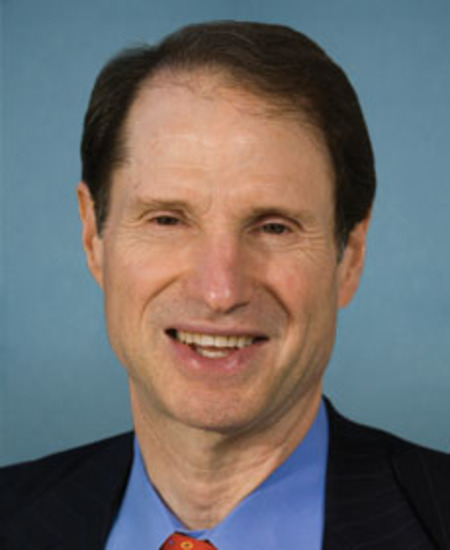
Ron Wyden
Ron Wyden Senate
D
Support
78% 27
Alex Padilla
Alex Padilla Senate
D
Support
77% 26
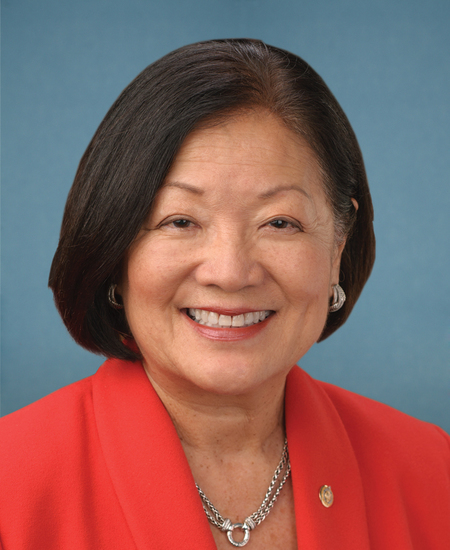
Mazie K. Hirono
Mazie K. Hirono Senate
D
Support
74% 27
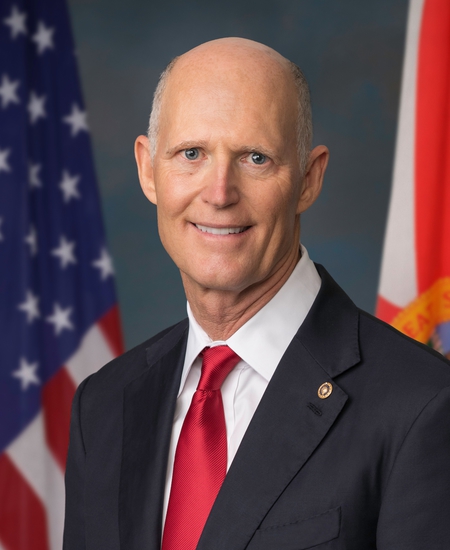
Rick Scott
Rick Scott Senate
R
Strong −
19% 27
Ashley Moody
Ashley Moody Senate
R
Oppose
22% 27
Rand Paul
Rand Paul Senate
R
Oppose
22% 27
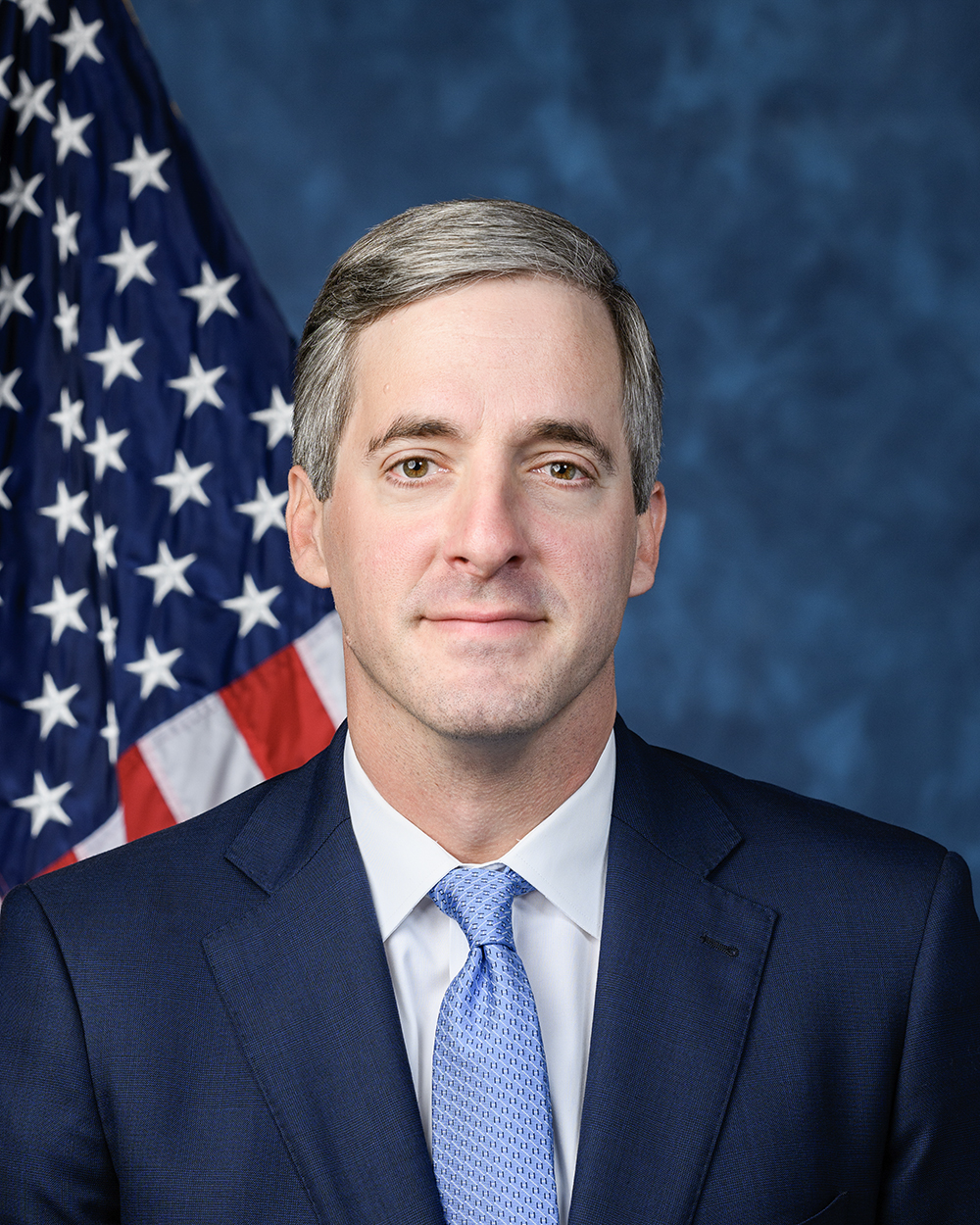
Brad Knott
Brad Knott House · District 13
R
Oppose
28% 18
Pat Harrigan
Pat Harrigan House · District 10
R
Oppose
28% 18
Showing 2,091–2,100 of 3,150 bills

All healthcare bills

in committee · United States · House Dec 18, 2025

HR 6852: Advanced Wound Care and Regenerative Medicine Access and Reform Act

This bill establishes a new payment system for skin substitute products (materials applied to wounds that remain within the wound bed) under Medicare, setting specific payment amounts and annual updates based on inflation. It requires the creation of a new billing code for these products by January 2026, ensures equal reimbursement regardless of where treatment occurs, and creates oversight for providers with unusually high payments. The bill also directs the FDA to review and potentially streamline approval processes for human tissue-based regenerative medicine products. These changes aim to improve access to advanced wound care while maintaining proper oversight of Medicare payments.
Sub-Topics Medicare
in committee · United States · House Oct 24, 2025

HR 5813: Women’s Health and Cancer Rights Modernization Act of 2025

HR 5813, the Women’s Health and Cancer Rights Modernization Act of 2025, requires health insurance plans to cover all medically necessary breast or chest wall reconstruction services following breast cancer treatment, including mastectomy or breast-conserving surgery. It mandates coverage for every reconstruction method (like implants, tissue flaps, or future recognized techniques), symmetrical surgery for the other breast, custom prostheses, and treatment of complications like lymphedema. Health plans must ensure at least one in-network provider for each reconstruction type, provide annual written notices to patients about this coverage, and cannot deny coverage or penalize providers for following these requirements. This applies to group and individual health insurance plans, with no effect on stricter state laws requiring broader coverage.
Sub-Topics Insurance
in committee · United States · House Jan 28, 2025

HR 764: Global Health, Empowerment and Rights Act

HR 764, the Global Health, Empowerment and Rights Act, removes two barriers for foreign nongovernmental organizations (NGOs) seeking U.S. foreign assistance. It ensures these organizations cannot be denied funding solely because they provide health services (like counseling and referrals) using non-U.S. government funds, as long as those services comply with local laws. The bill also requires that foreign NGOs face the same rules on using non-U.S. funds for advocacy and lobbying as U.S. NGOs receiving similar aid. This directly affects international health-focused NGOs working in countries where U.S. aid is provided.
in committee · United States · Senate May 22, 2025

S 1882: RESTORE Act

The RESTORE Act (S 1882) aims to improve reproductive health care by expanding access to restorative reproductive medicine, which focuses on diagnosing and treating underlying causes of infertility rather than solely using assisted reproductive technologies. The bill requires the Department of Health and Human Services to conduct regular literature reviews on standard care for infertility and reproductive health conditions, and to modernize medical coding to better classify and reimburse restorative treatments like laparoscopic excision for endometriosis. It also expands Title X funding eligibility for restorative medicine providers, advances education on fertility awareness-based methods, and directs the National Survey of Family Growth to collect data on reproductive health conditions. These changes primarily affect women and men with conditions like endometriosis, polycystic ovary syndrome, and uterine fibroids, as well as healthcare providers and health insurance plans. The legislation seeks to address gaps in diagnosis, treatment, and coverage for reproductive health conditions that impact 15-16% of couples experiencing infertility.
in committee · United States · House Feb 26, 2026

HR 7739: Rural Emergency Response Support Act

HR 7739, the Rural Emergency Response Support Act, amends the Fair Labor Standards Act to exempt rural employers of emergency medical technicians (EMTs) and paramedics from standard overtime requirements. It specifically applies to public agencies (like counties or towns) with fewer than 100,000 residents and private entities contracted by them. The key provision removes these employers from FLSA overtime violations when employing EMTs or paramedics, easing compliance for small rural emergency response teams. This directly affects rural EMS providers in smaller communities by allowing flexibility in scheduling without triggering overtime pay obligations under current law.
Sub-Topics Labor Standards Tags Public Safety
in committee · United States · Senate Jul 29, 2025

S 2521: Provider Training in Palliative Care Act

This bill allows healthcare providers participating in federal scholarship or loan repayment programs to temporarily pause their service obligations for up to one year to complete palliative care training. It directly affects providers who have signed contracts under the National Health Service Corps Scholarship or Loan Repayment Programs. The key provision amends federal law to let the Secretary grant these deferrals, enabling providers to gain specialized palliative care skills without losing their program commitments. Palliative care focuses on improving quality of life for patients with serious illnesses, so this change aims to build expertise in this critical care area.
in committee · United States · House Mar 27, 2025

HR 2414: To amend the Public Health Service Act to reauthorize a military and civilian partnership for trauma readiness grant program.

HR 2414 reauthorizes a grant program that connects military and civilian healthcare systems to improve trauma care readiness. It extends the program's funding period from fiscal years 2025 through 2029 (replacing the previous 2019-2023 authorization). The bill directly affects military medical facilities and civilian trauma centers receiving these grants. It makes no changes to the program's purpose or eligibility, only extending the timeframe for funding. This is a procedural extension of an existing grant program under the Public Health Service Act.
Sub-Topics Public Health
in committee · United States · House Feb 3, 2026

HR 7336: ALS Better Care Act

This bill would improve Medicare reimbursement for specific care services needed by people with ALS (amyotrophic lateral sclerosis). It creates a new payment system for eight key services including specialized physician support, occupational therapy, speech pathology, physical therapy, dietary support, respiratory support, registered nurse support, and coordination of medical equipment. The bill sets a base payment of $800 for these services in 2027, with annual increases based on a specific formula. This directly affects ALS patients who would have better access to these services and the medical facilities that provide them.
in committee · United States · House Feb 11, 2026

HR 7496: Health Investment Zones Act of 2026

The Health Investment Zones Act of 2026 establishes a program to designate areas with documented health disparities as "Health Investment Zones" to improve health outcomes and reduce inequities. To qualify, areas must meet specific criteria including low income (below 150% of the federal poverty line), high rates of certain health issues, or designation as a health professional shortage area. The bill provides tax incentives for employers hiring workers in these zones, grants to community organizations for health initiatives, student loan repayment for health care workers, and additional Medicare payments for services provided in designated zones. These zones would be designated for 10 years with requirements for sustainability plans and evaluation of health outcomes.
Sub-Topics Tax Incentives Healthcare Workforce Medicare Tags Economic Development
in committee · United States · House Sep 10, 2025

HR 5256: 340B ACCESS Act

The 340B ACCESS Act strengthens oversight of the 340B Drug Pricing Program, which allows safety-net hospitals and clinics to purchase outpatient drugs at discounted prices. The bill clarifies who qualifies as a "patient" for 340B discounts, establishes new requirements for hospital child sites and contract pharmacies, and mandates that covered entities implement sliding fee scales to ensure patient affordability based on income. It creates a claims data clearinghouse to prevent duplicate Medicaid discounts and requires covered entities to report detailed data about drug dispensing. These changes aim to ensure 340B discounts reach intended patients while preventing program misuse and ensuring transparency.
Showing 2,091 to 2,100 of 3,150 bills