Issue · Healthcare

Healthcare

Every healthcare bill, vote, and legislator stance in United States, automatically classified by Maddy, our AI policy reader.

Total bills
3,230
119th Congress
Top supporter
Darline Graham
82% support rate
Top opponent
Rick Scott
19% support rate
Ranked legislators
10
5 support · 5 oppose
Key legislators

Who's moving healthcare in United States

Legislators moving healthcare in United States
Legislator Party Stance Support rate Decisive votes
Darline Graham
Darline Graham Senate
R
Strong +
82% 11
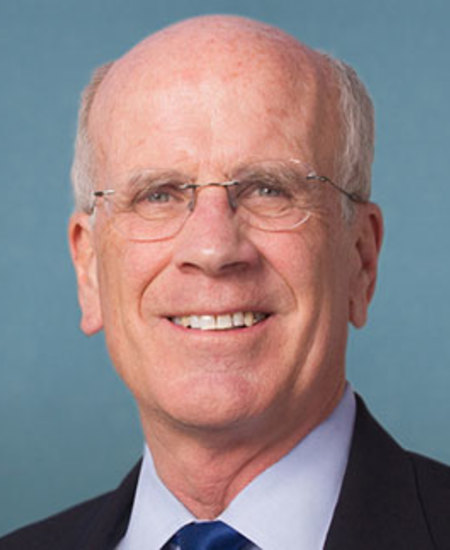
Peter Welch
Peter Welch Senate
D
Strong +
81% 27
Ron Wyden
Ron Wyden Senate
D
Support
78% 27
Alex Padilla
Alex Padilla Senate
D
Support
77% 26
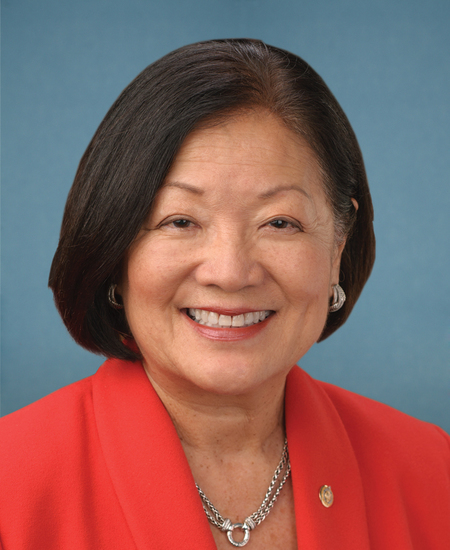
Mazie K. Hirono
Mazie K. Hirono Senate
D
Support
74% 27
Rick Scott
Rick Scott Senate
R
Strong −
19% 27
Ashley Moody
Ashley Moody Senate
R
Oppose
22% 27
Rand Paul
Rand Paul Senate
R
Oppose
22% 27
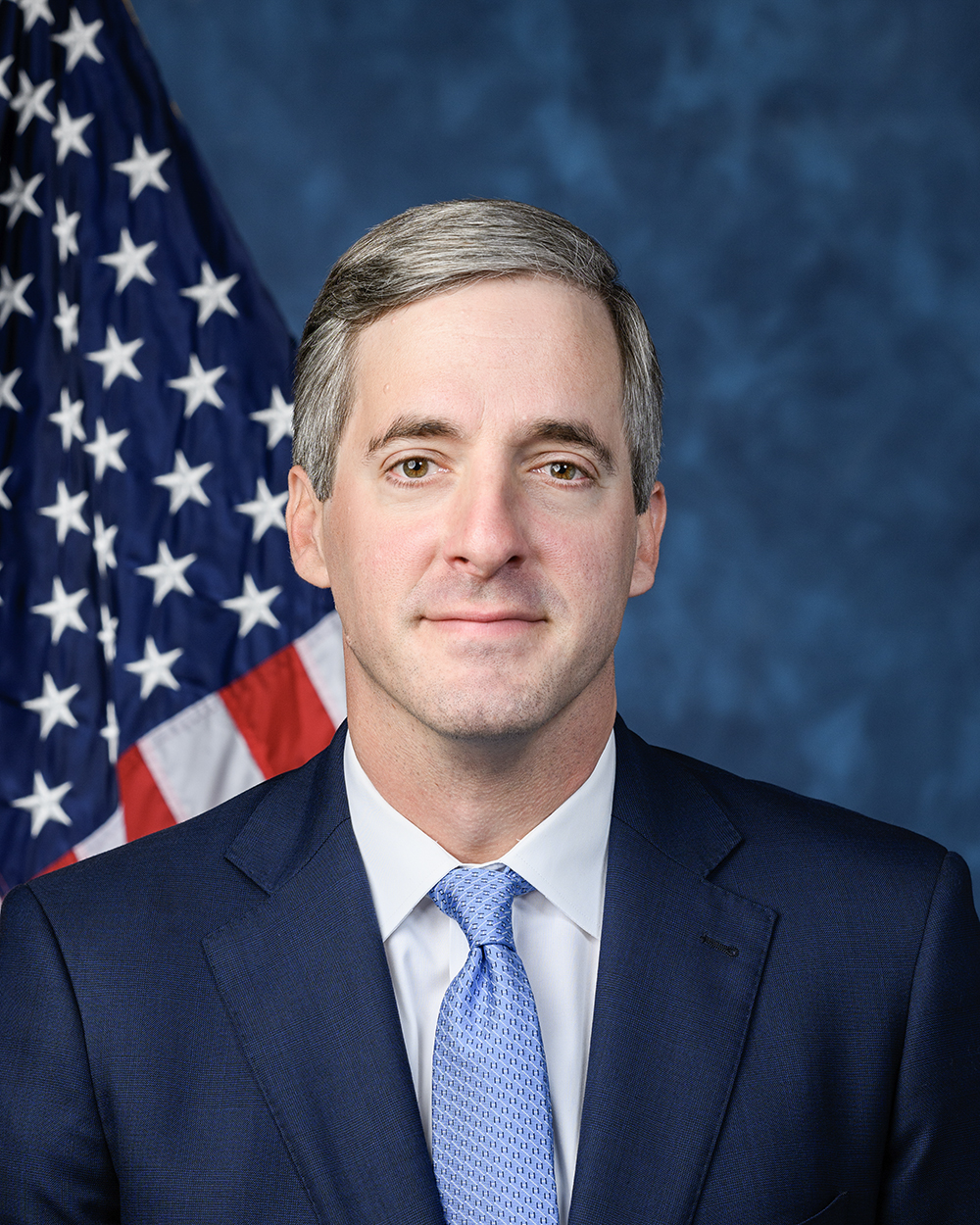
Brad Knott
Brad Knott House · District 13
R
Oppose
28% 18
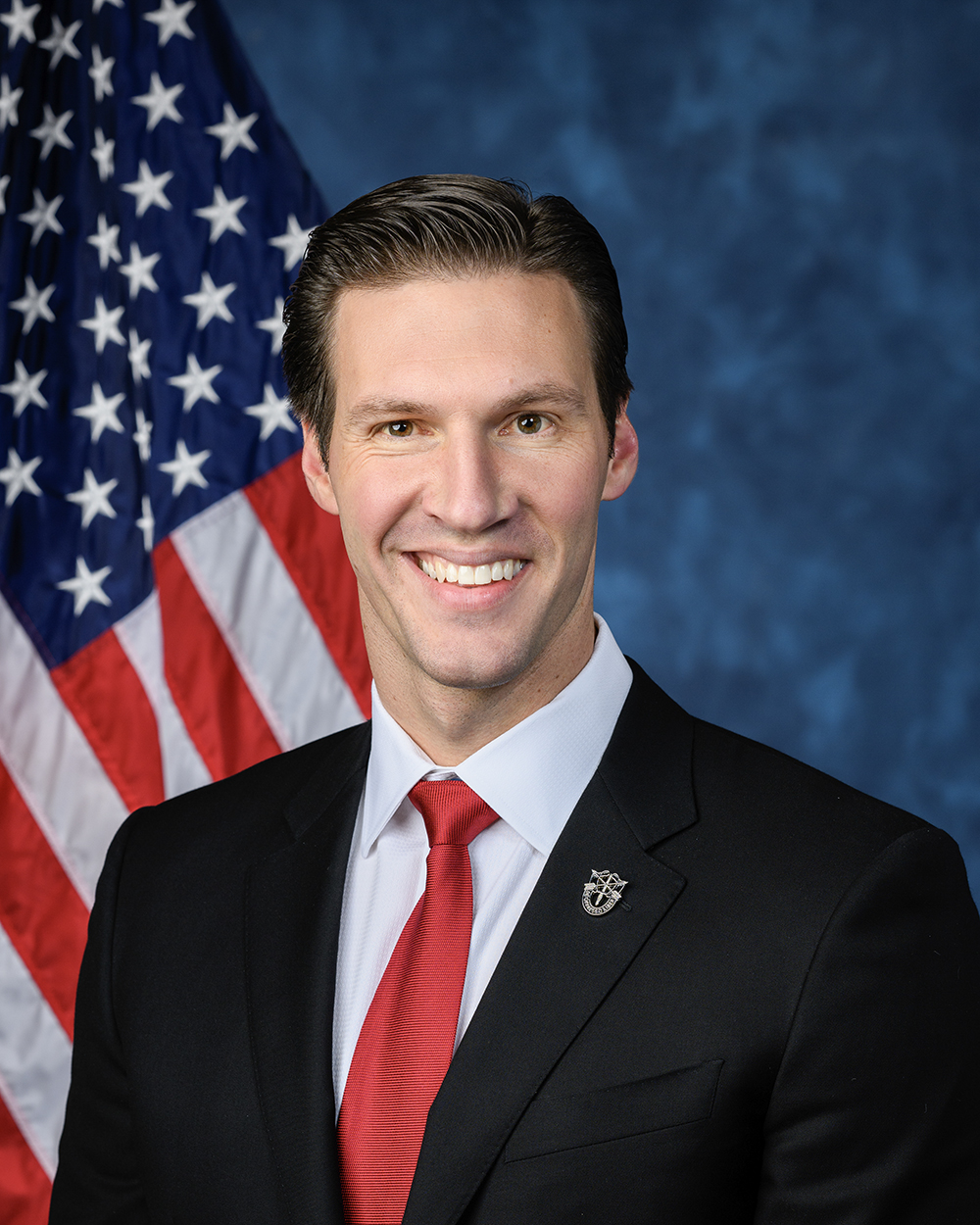
Pat Harrigan
Pat Harrigan House · District 10
R
Oppose
28% 18
Showing 1,721–1,730 of 3,230 bills

All healthcare bills

in committee · United States · House Dec 18, 2025

HR 6894: Increasing Access to Quality Cardiac Rehabilitation Care Act of 2025

This bill expands Medicare coverage for cardiac and pulmonary rehabilitation programs by allowing more healthcare providers to prescribe these services. It specifically permits physician assistants, nurse practitioners, and clinical nurse specialists (in addition to physicians) to prescribe rehabilitation exercises under Medicare. The bill modifies existing Medicare definitions to include these providers, removing the exclusive reference to "physicians" in program requirements. These changes apply to both cardiac and pulmonary rehabilitation programs and take effect six months after the bill becomes law. The policy directly affects Medicare beneficiaries seeking these rehabilitation services and healthcare facilities providing them.
passed · United States · House Jul 21, 2026

HR 4348: To reauthorize the Kay Hagan Tick Act, and for other purposes.

This bill reauthorizes federal programs focused on preventing and responding to tick-borne diseases through 2026-2030, extending existing efforts beyond their previous expiration. It updates the National Strategy for Vector-Borne Diseases to emphasize identifying, reporting, preventing, and responding to these illnesses. The bill modifies two sections of the Public Health Service Act to continue funding for health departments working on vector-borne disease control. It directly affects public health programs and state/local health departments managing tick-borne disease prevention and response.
Sub-Topics Public Health
in committee · United States · House Sep 8, 2025

HR 5178: Sickle Cell Disease Comprehensive Care Act

Sickle Cell Disease Comprehensive Care Act This bill allows state Medicaid programs to establish health homes to provide coordinated care for individuals with sickle-cell disease. (Under current law, state Medicaid programs may establish health homes to provide coordinated care for individuals with specified chronic conditions.) States must ensure that such care includes dental and vision services. The Centers for Medicare & Medicaid Services must issue best practices for states on how to design and implement such health homes.
Sub-Topics Medicaid Medicare
in committee · United States · House Aug 8, 2025

HR 4921: PUPP Act of 2025

The PUPP Act of 2025 creates a federal grant program to fund housing for unhoused people who have pets. It authorizes $5 million annually (2026-2030) for grants to local governments, nonprofits, or housing providers to build or retrofit properties that offer both human housing and pet-friendly accommodations. Key requirements include on-site veterinary care for pets (spaying, vaccinations, etc.), supportive services like mental health counseling for residents, and coordination with local animal care providers. This directly affects unhoused individuals with pets - often excluded from standard shelters - and the organizations managing these housing programs.
in committee · United States · House Jun 26, 2025

HR 4165: To amend the Public Health Service Act to provide for the inclusion of a biological attribution strategy, and an early warning strategy and implementation plan, in the National Health Security Strategy, and for other purposes.

This bill requires federal health agencies to develop two new strategies within the National Health Security Strategy. First, a "biological attribution strategy" to clarify which agencies handle identifying the source of biological threats (like disease outbreaks) and how they coordinate, including using new technologies for detection. Second, an "early warning strategy" focused on rapidly spotting emerging health threats (biological, chemical, or radiological) through tools like wastewater testing and airport screenings, while avoiding duplicated efforts. It mandates coordination with state health departments, private labs, and intelligence agencies to streamline response capabilities. The bill directly affects federal agencies (like CDC and National Intelligence) and their coordination with state/local partners, without creating new funding or altering existing laws.
Sub-Topics Public Health
in committee · United States · Senate Sep 3, 2025

S 2702: Empower Parents to Protect their Kids Act of 2025

S 2702 requires K-12 schools receiving federal funds to obtain parental consent before accommodating students' gender identity expressions that differ from their biological sex. It prohibits schools from hiding such information from parents, encouraging students to conceal gender identity concerns, or facilitating referrals for gender transition procedures without consent. Schools must publicly post compliance policies and provide written policies to families, with violations allowing parents to sue for injunctive relief, attorney fees, and compensation for "harm" from gender transition treatments. The bill directly affects school districts, staff, and families of students under 18, mandating parental involvement in decisions about gender identity accommodations.
in committee · United States · House Apr 9, 2025

HR 2767: BRAIN Act

HR 2767, the BRAIN Act, aims to advance brain tumor research and improve patient care by requiring the NIH to create a public database of tumor samples collected with federal funding. It authorizes $50 million annually for a Glioblastoma Therapeutics Network to accelerate treatment development and $10 million for cellular immunotherapy research (including CAR-T therapies) targeting brain tumors. The bill also mandates a national awareness campaign to increase understanding of cancer clinical trials and biomarker testing, plus $5 million yearly for pilot programs studying survivor care coordination and follow-up services. Additionally, it directs the FDA to issue guidance ensuring brain tumor patients can access clinical trials. These provisions directly affect patients, researchers, and healthcare providers focused on brain tumors and rare cancers.
in committee · United States · Senate Feb 25, 2025

S 711: Transportation Freedom Act

The Transportation Freedom Act would create a 200% tax deduction for wages paid to U.S. automobile manufacturing workers who meet specific requirements, including health care coverage and pension benefits. It repeals current emissions standards for light-duty, medium-duty, and heavy-duty vehicles, as well as Corporate Average Fuel Economy (CAFE) standards. The bill establishes new standards for greenhouse gas emissions and fuel economy that must be "technologically feasible and economically practicable," requiring consultation with manufacturers and other stakeholders. It also eliminates existing emissions waivers and creates a process for adjusting standards based on market conditions.
in committee · United States · House Feb 5, 2025

HR 996: Paid Family and Medical Leave Tax Credit Extension and Enhancement Act

HR 996 extends and enhances a tax credit for employers that provide paid family and medical leave to employees. The bill gives eligible employers two options for claiming the credit: either a percentage of wages paid to employees on leave or a percentage of premiums paid for an insurance policy covering such leave (calculated as if leave were always available). It clarifies that state or local government-paid leave counts toward an employer’s leave provision but not toward the credit amount, and prevents double benefits by disallowing deductions for expenses used to claim the credit. The Small Business Administration and Internal Revenue Service must conduct outreach to help employers understand and access this credit.
Sub-Topics Tax Credits Paid Leave Tags Small Business
in committee · United States · House Jul 23, 2025

HR 4641: Keep Kids Covered Act

The Keep Kids Covered Act extends continuous health coverage under Medicaid and CHIP for children. It requires states to maintain coverage for children under age 6 for six years (previously one year) and for children under age 19 for two years (previously one year), without requiring reapplication. Former foster youth will now remain covered until age 26. States must also annually update contact information for enrolled children and inform them about their coverage status and remaining eligibility period.
Sub-Topics Children's Health Medicaid Tags Children
Showing 1,721 to 1,730 of 3,230 bills