Issue · Healthcare

Healthcare

Every healthcare bill, vote, and legislator stance in United States, automatically classified by Maddy, our AI policy reader.

Total bills
3,150
119th Congress
Top supporter
Darline Graham
82% support rate
Top opponent
Rick Scott
19% support rate
Ranked legislators
10
5 support · 5 oppose
Key legislators

Who's moving healthcare in United States

Legislators moving healthcare in United States
Legislator Party Stance Support rate Decisive votes
Darline Graham
Darline Graham Senate
R
Strong +
82% 11
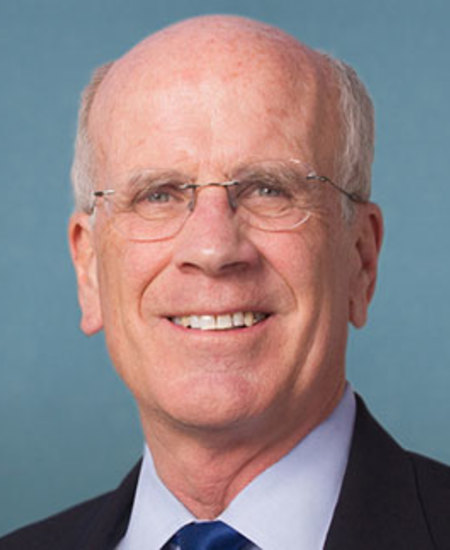
Peter Welch
Peter Welch Senate
D
Strong +
81% 27
Ron Wyden
Ron Wyden Senate
D
Support
78% 27
Alex Padilla
Alex Padilla Senate
D
Support
77% 26
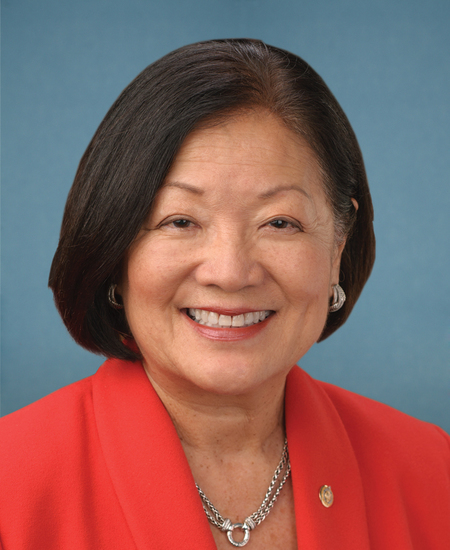
Mazie K. Hirono
Mazie K. Hirono Senate
D
Support
74% 27
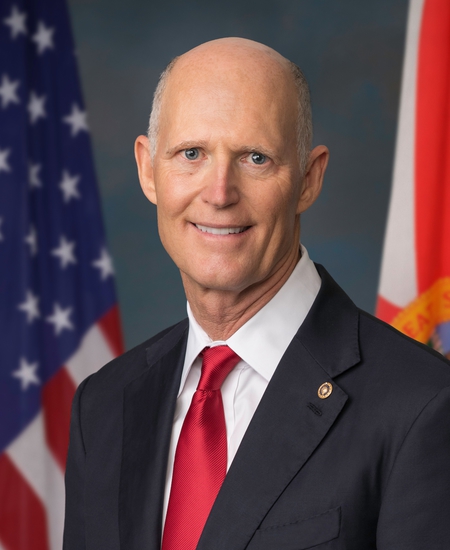
Rick Scott
Rick Scott Senate
R
Strong −
19% 27
Ashley Moody
Ashley Moody Senate
R
Oppose
22% 27
Rand Paul
Rand Paul Senate
R
Oppose
22% 27
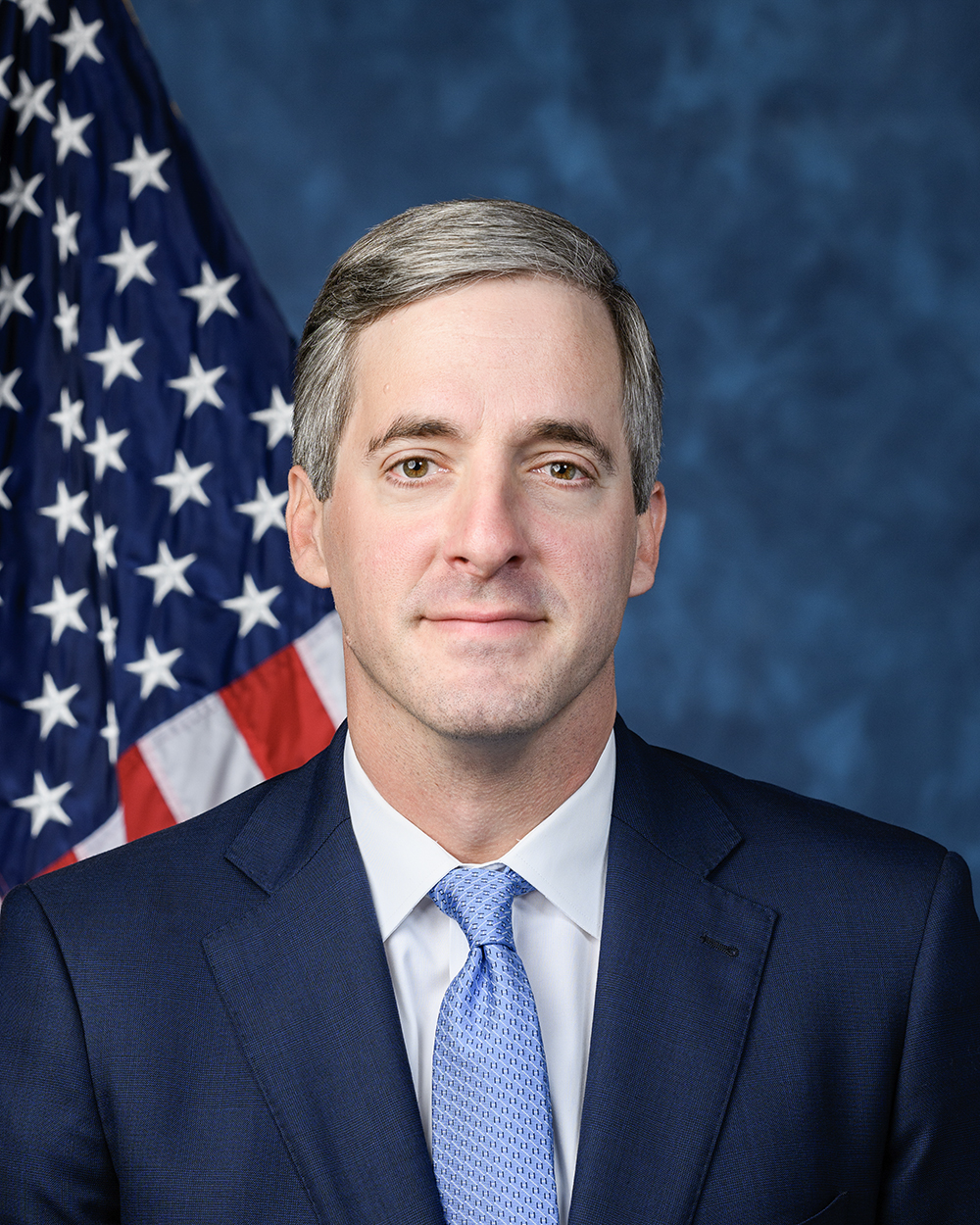
Brad Knott
Brad Knott House · District 13
R
Oppose
28% 18
Pat Harrigan
Pat Harrigan House · District 10
R
Oppose
28% 18
Showing 1,251–1,260 of 3,150 bills

All healthcare bills

in committee · United States · House Jan 28, 2025

HR 766: SEWER Act

HR 766, the SEWER Act, establishes a federal National Wastewater Surveillance System led by the CDC to monitor pathogens like SARS-CoV-2, influenza, and mpox in sewage. It authorizes $150 million annually (2026-2030) to expand this system for early disease outbreak detection. The bill explicitly states wastewater utilities are not required to comply with surveillance requests. This system aims to provide public health officials with data to track community-level disease spread through wastewater analysis.
Sub-Topics Public Health
in committee · United States · Senate Jul 17, 2025

S 2341: Ensuring Safe and Toxic-Free Foods Act of 2025

This bill establishes new requirements for food additives to be deemed "generally recognized as safe" (GRAS) under FDA oversight. Manufacturers must now submit detailed safety data - including evidence showing no carcinogenicity, reproductive toxicity, or developmental toxicity - to the FDA for review, replacing the previous reliance on historical use. The FDA must publicly post submissions, allow 60 days for public comment, and issue written determinations within a set timeline. Additionally, the bill mandates the FDA to reassess the safety of at least 10 food substances every three years, prioritizing those under existing petitions or regulations. It directly affects food manufacturers and the FDA, creating a more rigorous, evidence-based process for food additive safety.
in committee · United States · House Jan 9, 2025

HR 330: Organ Donation Referral Improvement Act

HR 330, the Organ Donation Referral Improvement Act, mandates a study by the Secretary of Health and Human Services on using electronic automated referral systems to improve organ donation processes. The study will examine how systems that automatically identify potential deceased donors through hospital electronic health records and refer them to organ procurement organizations could save staff time, improve eligibility determination speed, and increase donation volumes. It will also assess benefits of using standardized clinical criteria, secure data transmission, and best practices for implementation. The study, due within one year of enactment, will produce recommendations for nationwide adoption and be reported to relevant congressional committees. This bill directly affects hospitals and organ procurement organizations by studying a potential process change for organ donor referrals.
Sub-Topics Hospitals
in committee · United States · House May 20, 2025

HR 3508: End Diaper Need Act of 2025

This bill would allocate $200 million annually from 2026 through 2029 to expand access to diapers and incontinence supplies for low-income families. It specifically targets infants, toddlers, medically complex children, and low-income adults with disabilities who require diapers or incontinence products. The funding would be distributed through state social services programs to support free distribution of diapers, diapering supplies, and adult incontinence materials, while requiring states to track how funds are used through detailed reporting. The bill also makes medically necessary diapers and diapering supplies eligible for reimbursement through health savings accounts and flexible spending arrangements. This legislation aims to address what is termed "diaper need" by directly providing essential supplies to vulnerable populations.
in committee · United States · Senate Sep 9, 2025

S 2745: Federal Firefighter Cancer Detection and Prevention Act of 2025

This bill requires the Department of Defense to provide annual cancer screenings at no cost to its firefighters, focusing on cancers more common among firefighters. It mandates specific screenings: mammograms for female firefighters (twice yearly for 40-49, annually for 50+), colon cancer exams starting at age 45, and prostate screenings for male firefighters (annually for 50+ or high-risk individuals). The screenings must be reviewed by licensed professionals, and the DoD must track participation and cancer trends while sharing anonymized data with the CDC for research. Firefighters may opt out of any screening.
passed · United States · House Jun 24, 2025

HR 1082: Shandra Eisenga Human Cell and Tissue Product Safety Act

HR 1082 establishes new safety standards for human cell and tissue products used in medical treatments. It imposes civil penalties of up to $20,000 per violation (with a maximum $10 million total) for tissue providers who fail to comply with FDA regulations, and requires the FDA to publish educational materials, inspection data, and response times for tissue-related inquiries on its website. The bill also mandates annual public reports on tissue establishment registrations, inspections, and Tissue Reference Group activity, while directing the FDA to host workshops for stakeholders. These measures directly affect tissue providers, the FDA, healthcare professionals, and patients by increasing transparency and accountability in the regulation of these medical products.
passed · United States · Senate Jun 10, 2025

SRES 270: A resolution designating June 6, 2025, as National Naloxone Awareness Day.

This resolution designates June 6, 2025, as National Naloxone Awareness Day to raise public awareness about naloxone, a life-saving medication that reverses opioid overdoses. It urges federal, state, local governments, and organizations to improve access to naloxone and educate communities on its use, without creating new laws or funding. The resolution focuses on recognition and education, not policy changes or mandates.
in committee · United States · House Apr 18, 2025

HR 2496: Dairy Nutrition Incentive Program Act of 2025

This bill creates a new program within the Supplemental Nutrition Assistance Program (SNAP) to provide point-of-sale incentives for purchasing specific dairy products. It targets SNAP households by offering incentives at checkout for fluid milk, yogurt, and cheese made from cow’s milk (defined as "naturally nutrient-rich dairy" under the bill). The program will fund competitive grants to state/local governments and nonprofits to implement these incentives, with $10 million allocated annually for implementation and evaluation. It also transitions existing dairy incentive projects into this new framework and repeals the previous program after a one-year transition period.
Sub-Topics Procurement
in committee · United States · House May 29, 2025

HR 3631: VITAL Act of 2025

The VITAL Act of 2025 creates new criminal penalties for medical research companies or sponsors who make false claims or hide important data about clinical vaccine trials, punishable by fines or up to five years in prison. It requires sponsors to certify no fraud occurred in trial data to maintain emergency use authorizations and gives the Health Secretary power to revoke approvals if fraud is found. The bill modifies liability protections by removing shields for vaccine manufacturers who committed fraud, allowing compensation claims under the National Vaccine Injury Program for such cases. It also explicitly allows ongoing legal claims related to COVID-19 vaccines at any time, defining "COVID-19" to cover all SARS-CoV-2 variants.
in committee · United States · House Feb 27, 2025

HR 1647: Tribal Climate Health Assurance Act of 2025

The Tribal Climate Health Assurance Act of 2025 establishes the "Climate Ready Tribes Initiative" to help tribal governments, health departments, and communities prepare for climate-related health threats. It requires the CDC, working with the National Indian Health Board, to translate climate science, create planning tools, and share resources for public health preparedness. The bill authorizes $110 million annually starting in fiscal year 2026 specifically for this initiative, with a strict rule that these funds cannot be redirected to other CDC programs. This funding directly supports tribal communities in building capacity to address health risks linked to climate change, such as extreme weather or disease spread.
Sub-Topics Climate Change Public Health Tags Tribal Nations
Showing 1,251 to 1,260 of 3,150 bills