Issue · Healthcare

Healthcare

Every healthcare bill, vote, and legislator stance in United States, automatically classified by Maddy, our AI policy reader.

Total bills
3,150
119th Congress
Top supporter
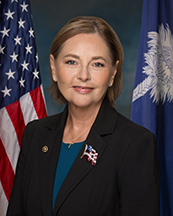
Darline Graham
82% support rate
Top opponent
Rick Scott
19% support rate
Ranked legislators
10
5 support · 5 oppose
Key legislators

Who's moving healthcare in United States

Legislators moving healthcare in United States
Legislator Party Stance Support rate Decisive votes
Darline Graham
Darline Graham Senate
R
Strong +
82% 11
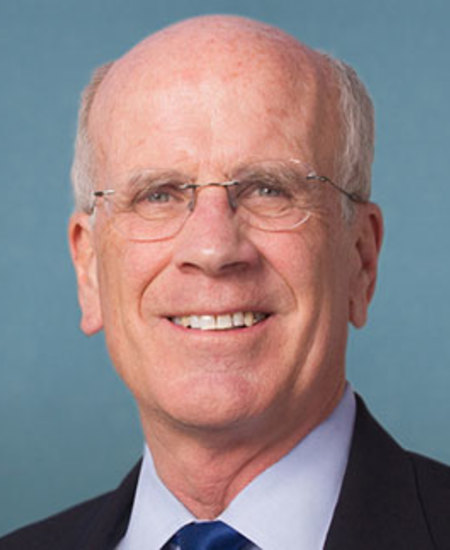
Peter Welch
Peter Welch Senate
D
Strong +
81% 27
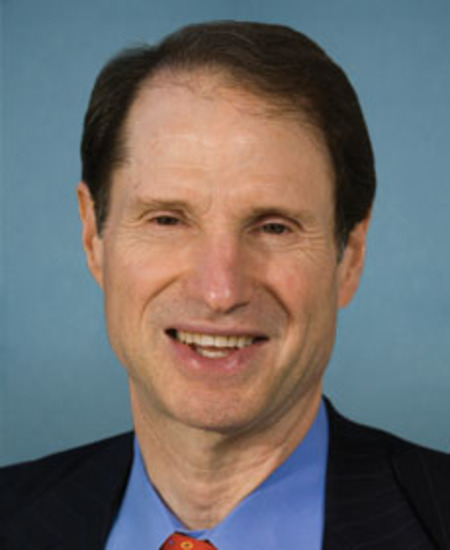
Ron Wyden
Ron Wyden Senate
D
Support
78% 27
Alex Padilla
Alex Padilla Senate
D
Support
77% 26
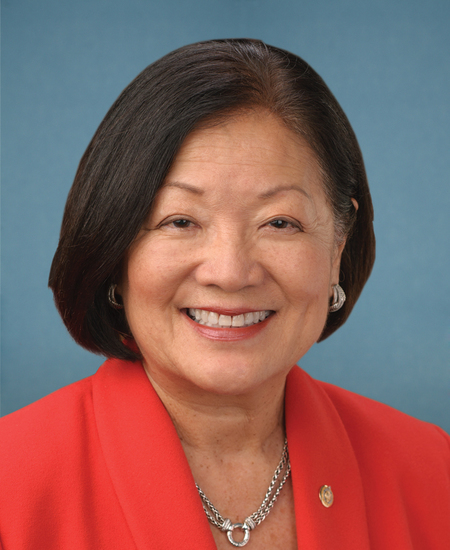
Mazie K. Hirono
Mazie K. Hirono Senate
D
Support
74% 27
Rick Scott
Rick Scott Senate
R
Strong −
19% 27
Ashley Moody
Ashley Moody Senate
R
Oppose
22% 27
Rand Paul
Rand Paul Senate
R
Oppose
22% 27
Brad Knott
Brad Knott House · District 13
R
Oppose
28% 18
Pat Harrigan
Pat Harrigan House · District 10
R
Oppose
28% 18
Showing 1,201–1,210 of 3,150 bills

All healthcare bills

in committee · United States · House Jul 21, 2026

HR 1561: ALERT Communities Act

This bill requires first responders and community sector members to receive training on carrying and distributing fentanyl and xylazine test strips. It directs the Health and Human Services Secretary to create public frameworks for developing and evaluating these test strips, including standards for manufacturers and pathways for clinical use. The bill also mandates a two-year study on how drug checking supplies affect overdose rates, overdose deaths, and treatment engagement, with a report to Congress afterward. The law directly affects first responders, community health organizations, and test strip manufacturers by establishing new training requirements and research standards. It focuses on practical tools to detect dangerous drugs in community settings.
in committee · United States · House Feb 13, 2025

HR 1339: Safeguarding Social Security and Medicare Act

HR 1339, the Safeguarding Social Security and Medicare Act, requires the Comptroller General to conduct a study within one year of enactment on how inflation and rising living costs impact Social Security and Medicare benefits. The study will examine these effects and provide Congress with specific recommendations for legislative actions to maintain full benefits for these programs. This study directly addresses the needs of 71.7 million Social Security recipients and 66.6 million Medicare beneficiaries, focusing on financial pressures faced by seniors and disabled individuals. The bill itself does not change current benefits but aims to inform future policy decisions through evidence-based analysis.
Sub-Topics Audits & Accountability Medicare Tags Seniors
in committee · United States · House Mar 3, 2025

HR 1785: Preventing Medicare Telefraud Act

HR 1785, the Preventing Medicare Telefraud Act, requires doctors to have seen Medicare patients in person at least once within the past six months before ordering high-cost durable medical equipment or laboratory tests via telehealth. This applies to services covered under Medicare, directly affecting providers who frequently use telehealth for these specific high-cost items. The bill mandates Medicare contractors to audit providers ordering 90% or more of such equipment or tests via telehealth, and also requires providers to submit their National Provider Identifier (NPI) when billing for telehealth services. These provisions aim to prevent potential fraud by ensuring in-person evaluations precede telehealth orders for expensive medical items.
Sub-Topics Medicare Telehealth
in committee · United States · House Feb 18, 2025

HR 1428: Poverty Line Act of 2025

The Poverty Line Act of 2025 updates how the federal poverty line is calculated to better reflect current costs of basic needs. It requires annual revisions using a 5-year average of household spending on food, housing, childcare, and healthcare (adjusted for inflation), with regional variations based on state or county data. This change directly affects households applying for federal assistance programs like SNAP or Medicaid, as eligibility will now align with more accurate, location-specific costs. The bill also mandates a public online tool to help determine poverty line thresholds and includes safeguards to prevent sudden eligibility changes during relocations.
in committee · United States · House Jan 3, 2025

HR 78: Pregnant Women Health and Safety Act of 2025

This bill requires physicians performing abortions to have hospital admitting privileges within 15 miles of the procedure location and to inform patients about nearby facilities for follow-up care if complications arise. It also sets conditions for abortion clinics receiving federal funds, mandating state licensing and compliance with outpatient surgery center standards (excluding certificate-of-need requirements). Violations by physicians could result in fines or up to two years in prison. The bill directly affects healthcare providers and clinics, not pregnant patients, and amends Title 18 of the U.S. Code to establish these requirements.
in committee · United States · House Jan 28, 2025

HR 767: FLASH Act of 2025

The FLASH Act of 2025 (HR 767) streamlines procurement for public health emergencies by allowing the Secretary of Health and Human Services to bypass standard competitive bidding for specific needs. It authorizes follow-on production contracts without competition after initial prototype development, permits non-competitive purchases for experimental testing of medical supplies, and creates a new process for acquiring "innovative" commercial products through general solicitation (with $100 million spending limits and congressional notification requirements). This directly affects HHS procurement officers and contractors developing medical countermeasures, protective equipment, or new health technologies. The bill aims to accelerate access to critical supplies during health crises by reducing administrative barriers, while maintaining oversight through mandatory reporting for large contracts.
Sub-Topics Public Health
in committee · United States · House Jan 31, 2025

HR 852: Expanded Food Safety Investigation Act of 2025

This bill allows the FDA to request microbial sampling at large livestock facilities (concentrated animal feeding operations or CAFOs) during foodborne illness outbreaks to identify causes and protect public health. CAFOs must grant "reasonable access" for sampling of animals, plants, water, and the environment, though they can specify timing and location to avoid disruption. The law clarifies it does not impose new requirements beyond sampling for USDA-regulated foods (like meat or poultry) and requires sharing collected data with the USDA and public health agencies. It directly affects CAFOs and federal food safety agencies, focusing on outbreak response mechanisms.
Sub-Topics Public Health
in committee · United States · House Dec 19, 2025

HR 748: RELIEVE Act

The RELIEVE Act modifies veterans' access to emergency care reimbursement under VA law. It removes the requirement for veterans to have previously received VA care before qualifying for emergency treatment reimbursement during the first 60 days after enrolling in the VA healthcare system. This change directly affects new VA enrollees seeking emergency medical care within that initial 60-day window, eliminating a prior barrier to immediate coverage. The amendment applies to emergency treatment provided one year after the bill's enactment date.
in committee · United States · House Apr 17, 2025

HR 2937: PROTECT 911 Act

HR 2937, the PROTECT 911 Act, creates federal resources and grants to support the mental health of 911 operators (public safety telecommunicators). It requires the Secretary to develop evidence-based best practices for preventing and treating PTSD and related disorders among these workers, and to create educational materials for mental health professionals about their unique workplace stressors. The bill also authorizes grants for states and local emergency communications centers to establish or enhance evidence-based wellness programs, including peer-support initiatives, to address job-related mental health challenges. These programs aim to improve support for 911 operators who handle emergency calls in 911 centers.
Sub-Topics Mental Health Tags Public Safety
in committee · United States · House Nov 17, 2025

HR 6054: Fairness to Kids with Cancer Act of 2025

HR 6054, the Fairness to Kids with Cancer Act of 2025, requires federal cancer research funding to allocate pediatric research dollars proportionally based on the U.S. child population. Specifically, for fiscal years 2026 and beyond, the percentage of cancer research funds dedicated to pediatric cancer must match the ratio of children under 18 to the total U.S. population, as determined by the Census Bureau. This directly affects how federal cancer research dollars are distributed, ensuring pediatric cancer research receives funding aligned with the proportion of young patients. The bill mandates this calculation annually, shifting funding allocation toward pediatric research without specifying new programs or budget increases.
Showing 1,201 to 1,210 of 3,150 bills