Issue · Healthcare

Healthcare

Every healthcare bill, vote, and legislator stance in United States, automatically classified by Maddy, our AI policy reader.

Total bills
3,150
119th Congress
Top supporter
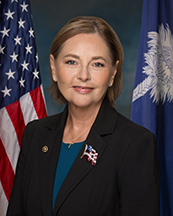
Darline Graham
82% support rate
Top opponent
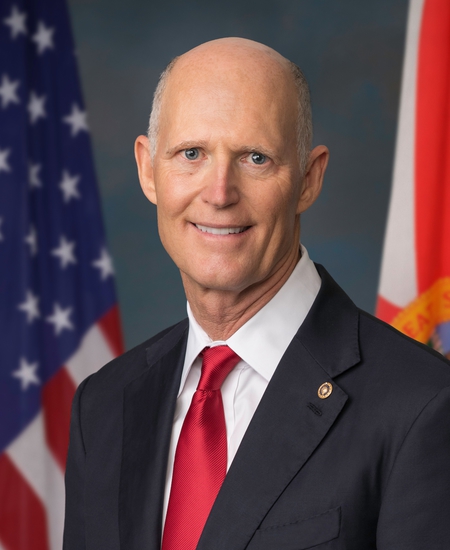
Rick Scott
19% support rate
Ranked legislators
10
5 support · 5 oppose
Key legislators

Who's moving healthcare in United States

Legislators moving healthcare in United States
Legislator Party Stance Support rate Decisive votes
Darline Graham
Darline Graham Senate
R
Strong +
82% 11
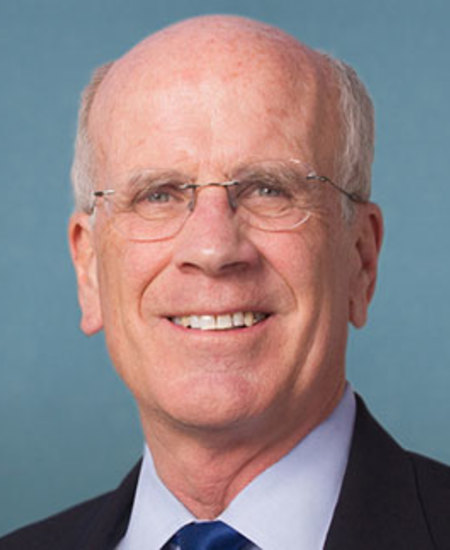
Peter Welch
Peter Welch Senate
D
Strong +
81% 27
Ron Wyden
Ron Wyden Senate
D
Support
78% 27
Alex Padilla
Alex Padilla Senate
D
Support
77% 26
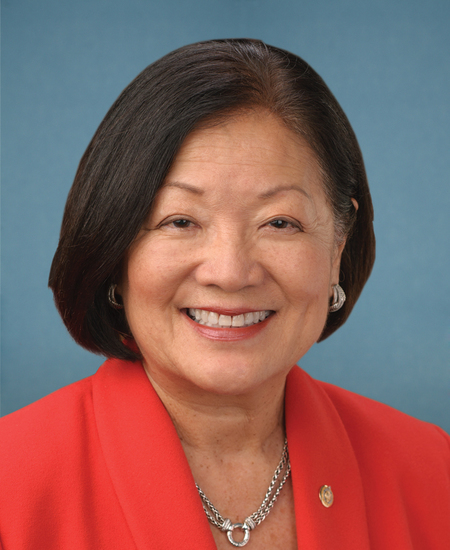
Mazie K. Hirono
Mazie K. Hirono Senate
D
Support
74% 27
Rick Scott
Rick Scott Senate
R
Strong −
19% 27
Ashley Moody
Ashley Moody Senate
R
Oppose
22% 27
Rand Paul
Rand Paul Senate
R
Oppose
22% 27
Brad Knott
Brad Knott House · District 13
R
Oppose
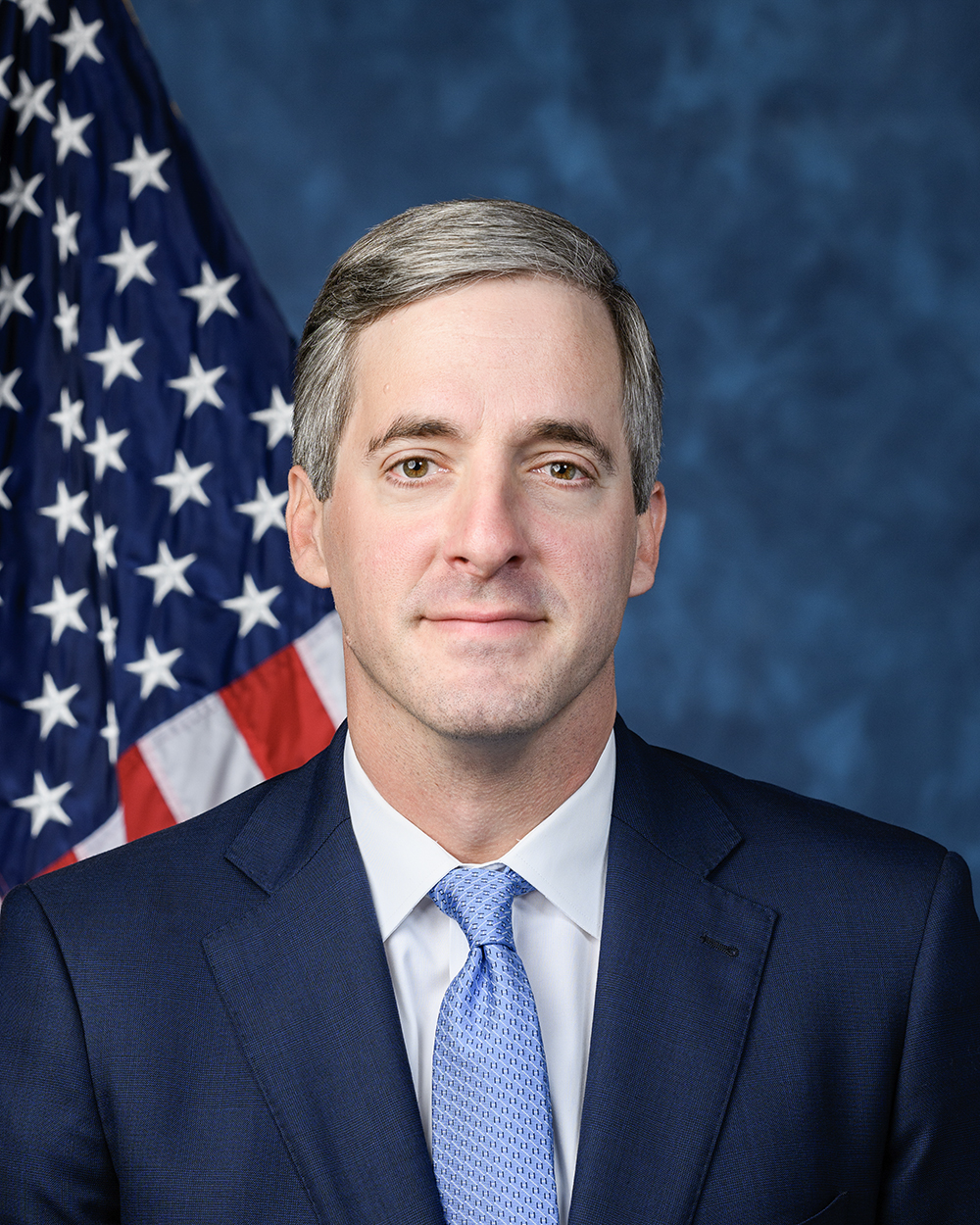
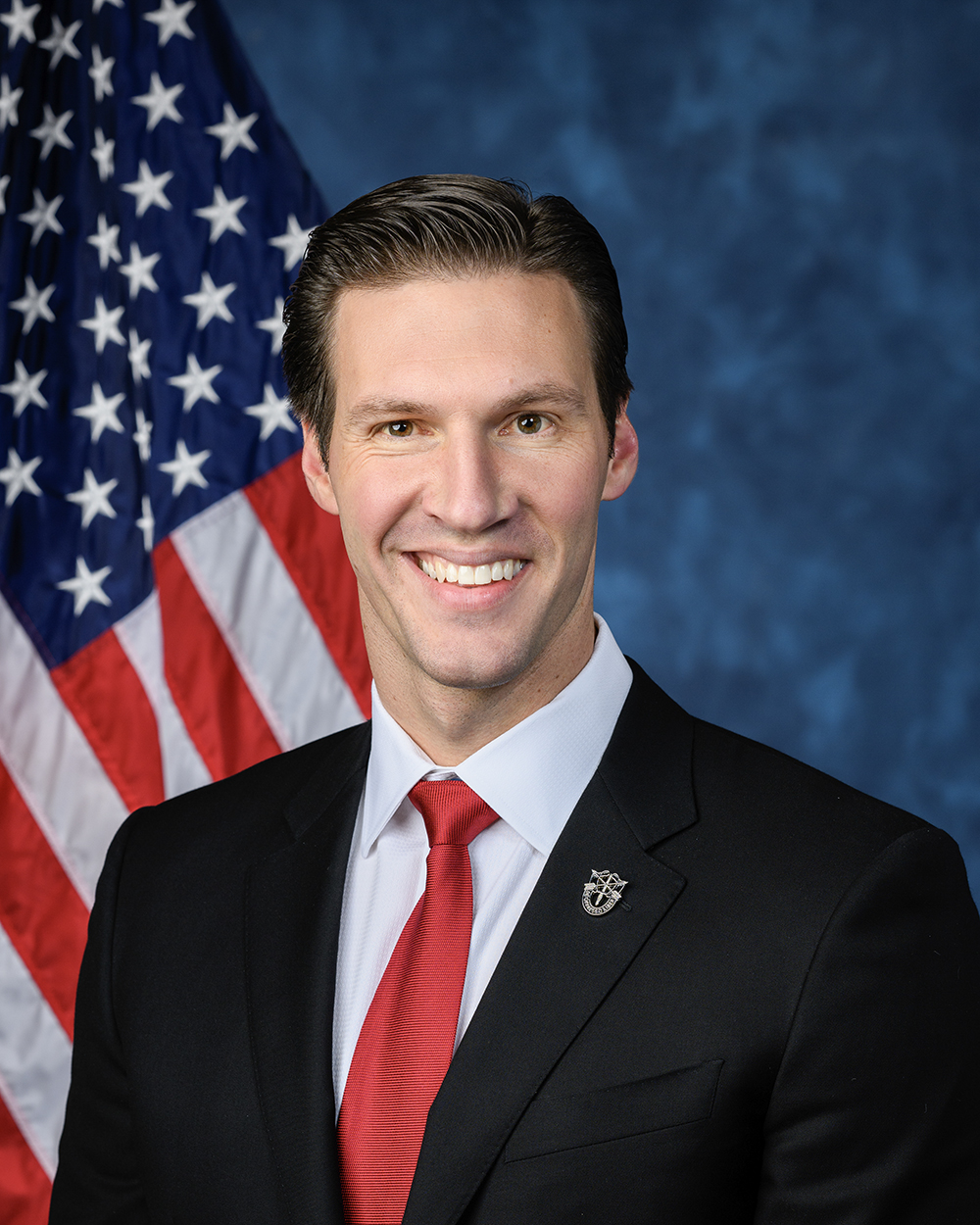
28% 18
Pat Harrigan
Pat Harrigan House · District 10
R
Oppose
28% 18
Showing 1,181–1,190 of 3,150 bills

All healthcare bills

in committee · United States · House Jan 6, 2025

HR 215: Adoption Information Act

HR 215, the Adoption Information Act, requires family planning services funded under Title V of the Social Security Act to provide pamphlets containing regional adoption center contact information to patients inquiring about medical or abortion services. Specifically, medical professionals must offer a pamphlet listing all adoption centers in the region with their addresses and phone numbers at the time of inquiry, and ensure patients have the opportunity to read it. The Secretary of Health and Human Services must annually update and distribute these pamphlets to all qualifying family planning programs. This provision uses existing Title V funding, with no new funds required for implementation.
Sub-Topics Women's Health
in committee · United States · House Jan 3, 2025

HR 119: To prohibit any entity that receives Federal funds from the COVID relief packages from mandating employees receive a COVID-19 vaccine, and for other purposes.

HR 119 prohibits organizations receiving federal funds from the CARES Act, American Rescue Plan, or other specified COVID relief packages from mandating employee COVID-19 vaccinations. It applies to entities that received funds under six major relief bills, including the CARES Act (2020) and American Rescue Plan (2021). Violating this rule requires the entity to return all received funds to the government. The law directly affects businesses, nonprofits, and public entities that received these specific relief payments.
in committee · United States · House Dec 9, 2025

HR 6545: Anesthesia for All Act

This bill prohibits health plans and insurers from imposing arbitrary time limits on paying for anesthesia services during medically necessary procedures. It requires payment to be based solely on a provider's assessment of medical necessity (by an anesthesiologist or certified nurse anesthetist), not fixed time caps. The law applies to both private insurance and Medicaid, preventing denials of payment simply because care duration exceeded a preset limit. It also mandates annual oversight reports from the Health and Human Services Inspector General to monitor compliance.
in committee · United States · House Jun 23, 2025

HR 4079: Safer Response Act of 2025

HR 4079, the Safer Response Act of 2025, updates federal training for first responders to address evolving substance use challenges. It amends the Public Health Service Act to expand training content beyond opioids to include heroin and other drugs, and modifies requirements for medical devices used in response training. The bill increases annual funding for this program from $36 million (2019-2023) to $57 million (2026-2030). These changes directly affect first responders receiving federally funded training, ensuring their protocols cover a broader range of substances and use approved medical devices.
Sub-Topics Public Health Tags Public Safety
in committee · United States · House Mar 10, 2025

HR 1974: Further Additional Continuing Appropriations and Other Extensions Act, 2025

Further Additional Continuing Appropriations and Other Extensions Act, 2025 This bill provides continuing FY2025 appropriations for federal agencies through April 11, 2025. It also extends various expiring programs and authorities, including several public health programs. Specifically, the bill provides continuing FY2025 appropriations to federal agencies through the earlier of April 11, 2025, or the enactment of the applicable appropriations act. It is known as a continuing resolution (CR) and prevents a government shutdown that would otherwise occur if the FY2025 appropriations bills have not been enacted when the existing CR expires on March 14, 2025. The CR funds most programs and activities at the FY2024 levels with some exceptions that provide funding flexibility and additional appropriations for various programs. For example, the CR provides additional emergency funding for the Federal Emergency Management Agency's Disaster Relief Fund, permits the Navy to apportion funds at the rate necessary to fund the Columbia-class submarine program and cost increases for certain shipbuilding programs, and provides additional funding for the Office of Navajo and Hopi Relocation. In addition, the bill extends several expiring programs and authorities, including several public health, Medicare, and Medicaid authorities and programs; authorities related to the Commodity Futures Trading Commission whistleblower program; authorities for the Department of Homeland Security and the Department of Justice to take actions to mitigate a credible threat from an unmanned aircraft system; the special assessment on nonindigent persons or entities convicted of certain offenses involving sexual abuse or human trafficking; and the National Cybersecurity Protection System.
in committee · United States · House Mar 18, 2025

HR 2220: PARA–EMT Act of 2025

HR 2220, the PARA-EMT Act of 2025, creates a federal grant program to address the shortage of emergency medical technicians (EMTs) and paramedics. It authorizes $50 million annually (2026-2030) for grants to EMS agencies to fund recruitment, training, and retention programs - prioritizing youth, rural areas, and veterans with military EMS training. A separate $20 million annually supports state grants to help veterans transition to civilian EMT roles by covering certification costs and licensing fees. The bill also mandates a federal study on projected EMS workforce needs through 2034 to inform future policy. It directly affects EMS agencies, training programs, and veterans seeking civilian EMT careers.
Sub-Topics Professional Licensing Veteran Employment Tags Public Safety
in committee · United States · House Feb 18, 2025

HR 1397: Increasing Access to Dental Insurance Act

Increasing Access to Dental Insurance Act This bill permits individuals to enroll in a dental benefits plan on a health insurance exchange without also enrolling in a qualified health plan.
Sub-Topics Insurance
in committee · United States · House Jan 16, 2025

HR 541: To require the Department of Defense to share best practices with, and offer training to, State and local first responders regarding how to most effectively aid victims who experience trauma-related injuries.

HR 541 requires the U.S. Department of Defense to share best practices and provide training to state and local first responders (such as police, firefighters, and EMTs) on effectively aiding victims with trauma-related injuries. The bill directly affects first responders who handle emergency medical situations involving trauma. Its key mechanism mandates the Department of Defense to develop and deliver this training program. The goal is to improve on-the-ground support for trauma victims during emergencies, without altering existing medical protocols or funding.
Tags Emergency Management Public Safety
in committee · United States · House Feb 12, 2025

HR 1257: OPIOIDS Act

HR 1257, the OPIOIDS Act, provides federal grants to states, localities, and law enforcement agencies to improve data collection and response to opioid overdoses. It directly affects state/local governments, law enforcement, forensic labs, and medical examiners by funding training, equipment, and standardized data reporting. Key provisions include requiring grant recipients to submit overdose data to the National Forensic Laboratory Information System, mandating the DEA to develop uniform reporting standards for drug data, and adding fentanyl containment training for first responders through COPS grants. The bill focuses on enhancing data accuracy and coordination across agencies rather than directly changing drug policies or treatment access.
Sub-Topics Substance Abuse
in committee · United States · Senate Feb 11, 2025

S 520: Supporting the Abused by Learning Options to Navigate Survivor Stories Act

This bill requires states that mandate licensing training for cosmetologists and barbers to add free, state-approved domestic violence training for license seekers. The training teaches professionals to recognize abuse signs, respond appropriately, and refer clients to victim resources - optionally including sexual assault, stalking, and dating violence. States meeting this requirement can receive up to a 10% grant increase for domestic violence programs, with grants renewable for up to three years. The bill authorizes $5 million annually (2027-2033) to fund these grants, directly affecting cosmetology/barber license applicants and domestic violence service providers.
Showing 1,181 to 1,190 of 3,150 bills