Issue · Environment

Environment

Every environment bill, vote, and legislator stance in United States, automatically classified by Maddy, our AI policy reader.

Total bills
1,501
119th Congress
Top supporter
Aisha Wahab
100% support rate
Top opponent
Marsha Blackburn
11% support rate
Ranked legislators
10
5 support · 5 oppose
Key legislators

Who's moving environment in United States

Legislators moving environment in United States
Legislator Party Stance Support rate Decisive votes
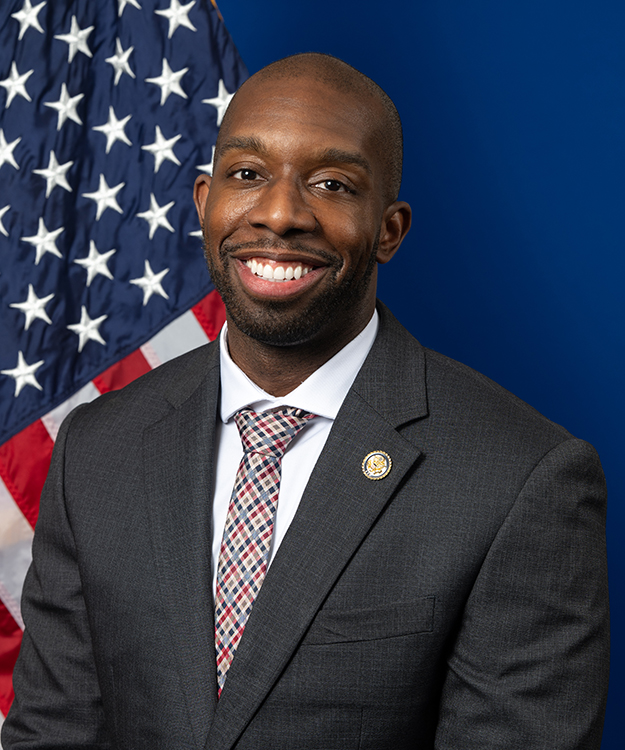
Aisha Wahab
Aisha Wahab House · District 14
D
Strong +
100% 7
Everton Blair Jr.
Everton Blair Jr. House · District 13
D
Strong +
89% 9
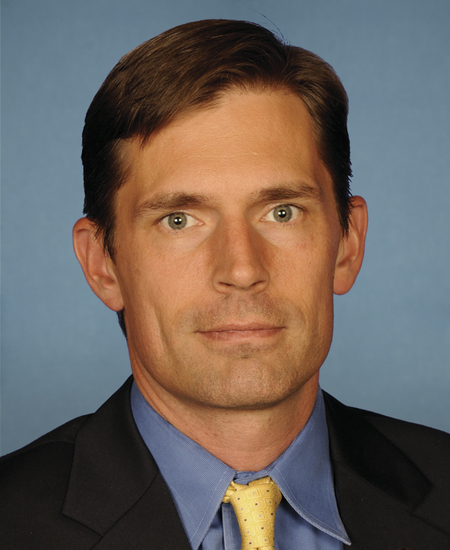
Martin Heinrich
Martin Heinrich Senate
D
Strong +
84% 37
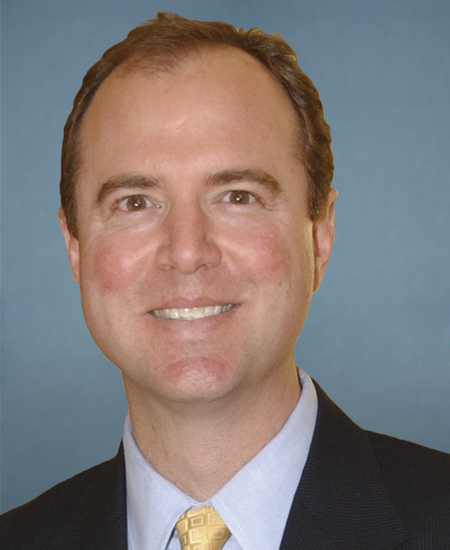
Adam B. Schiff
Adam B. Schiff Senate
D
Support
79% 53
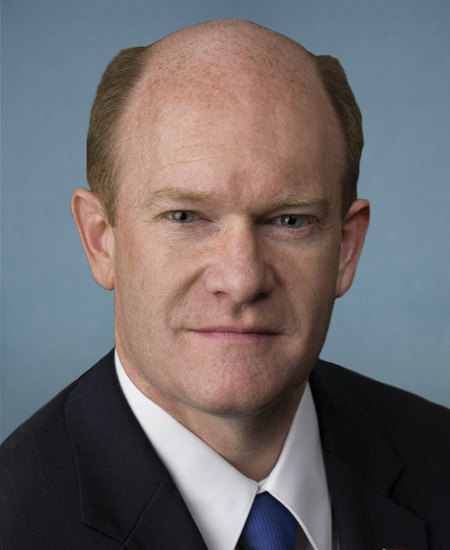
Christopher A. Coons
Christopher A. Coons Senate
D
Support
79% 52
Marsha Blackburn
Marsha Blackburn Senate
R
Strong −
11% 36
Ted Budd
Ted Budd Senate
R
Strong −
20% 40
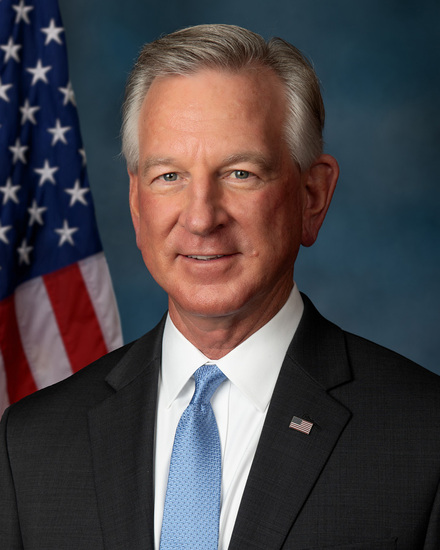
Tommy Tuberville
Tommy Tuberville Senate
R
Oppose
21% 53
Bill Cassidy
Bill Cassidy Senate
R
Oppose
22% 54
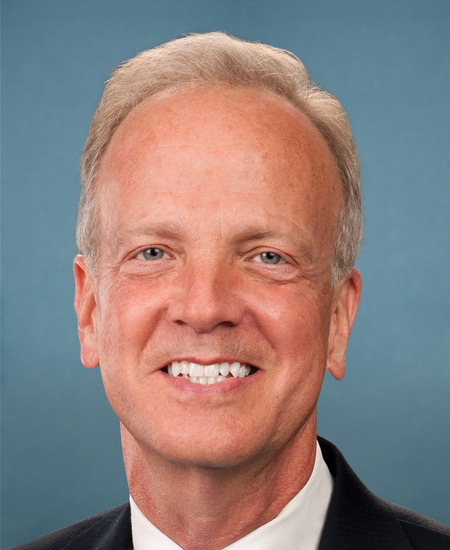
Jerry Moran
Jerry Moran Senate
R
Oppose
23% 53
Showing 891–900 of 1,501 bills

All environment bills

in committee · United States · House May 15, 2025

HR 3456: CHER Act of 2025

The CHER Act of 2025 bans the display, housing, management, and breeding of African and Asian elephants in U.S. zoos and safari parks after one year from its enactment. It requires existing elephants in these facilities to be transferred to authorized wildlife sanctuaries within three years. Authorized sanctuaries must be nonprofit, accredited, provide lifelong care without breeding or public entertainment, and meet specific space and veterinary standards. The bill also mandates a feasibility study and grant program to support the transition and care of elephants in sanctuaries.
Sub-Topics Wildlife
in committee · United States · Senate Jan 14, 2025

S 85: Continued Rapid Ohia Death Response Act of 2025

S 85 authorizes $5 million annually from 2026 to 2036 to address Rapid Ohia Death, a fungus killing over 1 million native ohia trees in Hawaii. The bill directs federal agencies (Interior and Agriculture Departments) to collaborate with Hawaii state officials on research, preventing the fungus's spread, managing animals that spread it, and propagating resistant trees for forest restoration. It specifically funds ongoing efforts like studying how the fungus spreads, partnering with local groups on land management, and supporting the Institute of Pacific Islands Forestry for research. This funding directly supports Hawaii's native ecosystems and communities reliant on them.
in committee · United States · House Dec 5, 2025

HR 5703: Organic Science and Research Investment Act of 2025

This bill establishes a new Coordinating and Expanding Organic Research Initiative within the U.S. Department of Agriculture to better coordinate organic agricultural research across multiple agencies. The initiative will conduct regular surveys of organic research, develop strategic plans, and make recommendations on research priorities including climate adaptation, soil health, and ecosystem services. It authorizes significant funding increases for organic research, starting at $60 million in 2026 and reaching $100 million annually after 2030. The bill directly affects USDA research agencies, organic farmers, and the organic food industry by improving research coordination and increasing funding for organic agricultural science.
Sub-Topics Climate Change
in committee · United States · House Jan 8, 2026

HR 178: To require the Secretary of Agriculture to carry out activities to suppress wildfires, and for other purposes.

HR 178 requires the U.S. Forest Service (under the Secretary of Agriculture) to put out wildfires on specific National Forest lands within 24 hours of detection. It directly affects National Forest System lands in areas experiencing severe drought (D2-D4 ratings), high fire risk (National Wildland Fire Preparedness Level 5), or in the top 10% of wildfire exposure risk. Key provisions mandate using all available resources for rapid suppression, prohibiting interference with state/local firefighting efforts, and strictly limiting the use of planned controlled burns or backfires (only allowed under specific safety orders or to protect personnel). The bill does not create new funding but sets operational requirements for wildfire response on defined high-risk lands.
in committee · United States · House Nov 18, 2025

HR 6081: CLOSE Act

Closing Loopholes for Oil and other Sources of Emissions Act or the CLOSE Act This bill amends the Clean Air Act to revise requirements for hazardous air pollutants. Specifically, the bill allows (1) emissions from oil or gas exploration or production wells and emissions from pipeline compressors or pump stations to be aggregated with emissions from other similar sources and regulated as a major source of toxic air pollutants, (2) emissions from those wells to be aggregated for purposes of emissions standards for hazardous air pollutants, and (3) emissions from oil or gas production wells to be regulated as an area source of toxic air pollutants. The Environmental Protection Agency must (1) issue a final rule adding hydrogen sulfide to the list of hazardous air pollutants; and (2) revise the list of air pollution sources within 365 days after issuing the rule to include categories and subcategories of major sources and area sources of hydrogen sulfide, including oil and gas wells.
in committee · United States · House Apr 3, 2025

HR 2656: Removing Nitrate and Arsenic in Drinking Water Act

HR 2656, the *Removing Nitrate and Arsenic in Drinking Water Act*, establishes a federal grant program to help community water systems, schools, and other facilities reduce harmful nitrate and arsenic levels in drinking water. Eligible entities like municipalities, nonprofits, and water systems can apply for grants to install treatment technology, with priority given to disadvantaged communities, areas with past non-compliance, and facilities serving children or vulnerable populations. The program authorizes $15 million annually starting in 2026, limiting administrative costs to 4% of funds. It requires applicants to identify contamination sources and demonstrate how their project will reduce contaminants, aiming to improve water safety for at-risk communities.
in committee · United States · House Mar 28, 2025

HR 1719: Farm to Fly Act of 2025

The Farm to Fly Act of 2025 amends agricultural programs to include sustainable aviation fuel (SAF) as a qualifying biofuel, directly affecting U.S. farmers, agricultural producers, and the aviation industry by creating new market opportunities. It defines SAF with specific requirements - meeting ASTM standards, not derived from palm oil or petroleum, and achieving at least a 50% lifecycle greenhouse gas emissions reduction compared to jet fuel. The bill mandates the Secretary of Agriculture to lead a new collaboration initiative focusing on advancing SAF development through partnerships with farmers, rural economic support, and public-private partnerships. Additionally, it expands existing manufacturing assistance programs to include SAF production, aiming to strengthen domestic energy security and grow markets for agricultural feedstocks.
in committee · United States · House Apr 4, 2025

HR 168: TORCH Act

The TORCH Act (HR 168) streamlines wildfire risk reduction on National Forest System lands by creating new pathways for hazard tree removal, timber sales for extreme risks, and grazing management. It establishes a categorical exclusion for high priority hazard tree activities (limited to 3,000 acres), allows timber sales without appraisal for extreme risks, and expands opportunities for using livestock grazing to reduce fire fuels. The bill also modifies good neighbor agreements to better support state and local wildfire mitigation efforts and streamlines vegetation management for electric utility lines near power lines. These changes primarily affect the U.S. Forest Service, electric utility companies, and state/local governments managing wildfire risk on federal lands.
in committee · United States · House Apr 24, 2025

HR 2998: Secure E-Waste Export and Recycling Act

HR 2998, the Secure E-Waste Export and Recycling Act, prohibits most exports of used electronics (e-waste) like computers, servers, phones, and TVs, except for specific exempted categories. It directly affects businesses exporting used electronics by requiring them to register with the Commerce Secretary, file detailed export information (including consignee details and proof of item condition), and verify that recipients have proper permits for reuse or recycling. Key provisions include banning exports of most e-waste, allowing exemptions only for tested functional devices, destroyed counterfeits, and manufacturer-repaired recalled items, and imposing penalties matching existing export control violations. The bill aims to prevent e-waste from being mislabeled as legitimate exports or ending up as counterfeit goods abroad.
Sub-Topics Recycling
passed · United States · House Sep 16, 2026

HR 2709: Save Our Sequoias Act

Save Our Sequoias Act This bill provides for the conservation of giant sequoia trees ( Sequoiadendron giganteum ) in California. Specifically, it provides statutory authority for the Giant Sequoia Lands Coalition and outlines the coalition's duties. The coalition must submit a Giant Sequoia Health and Resiliency Assessment and annually update it. The information from the assessment must be made available so the information can be integrated into certain other plans. The coalition must also create and maintain a website that contains the assessment, educational materials, searchable information about individual giant sequoia groves, and a searchable database to track the status and costs of reforestation and rehabilitation activities. In addition, the bill declares an emergency on certain public lands and allows officials to carry out protection plans during the emergency to respond to the threat of wildfires, insects, and drought. The emergency expires after seven years. The Department of the Interior must develop and implement a Giant Sequoia Reforestation and Rehabilitation Strategy. Finally, the bill establishes a variety of programs and funds to support the conservation of giant sequoias.
Showing 891 to 900 of 1,501 bills
Previous 1 … 89 90 91 … 151 Next