Issue · Environment

Environment

Every environment bill, vote, and legislator stance in United States, automatically classified by Maddy, our AI policy reader.

Total bills
2,003
119th Congress
Top supporter
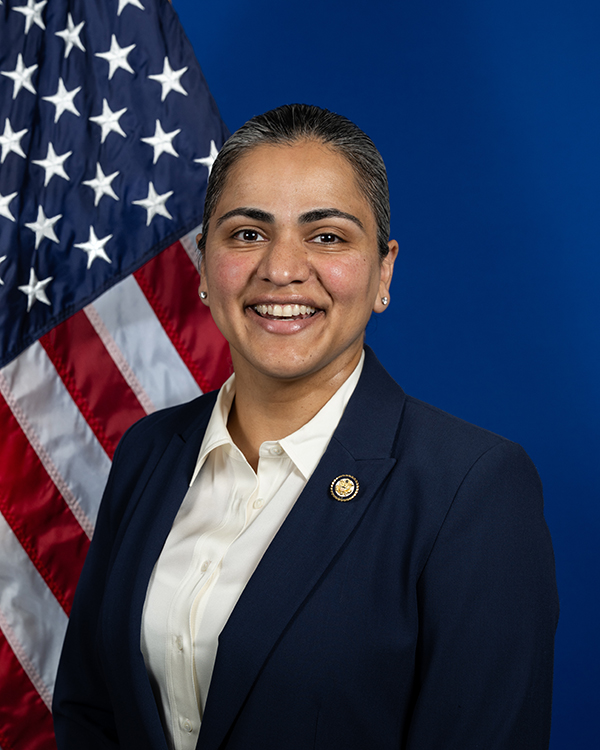
Aisha Wahab
100% support rate
Top opponent
Marsha Blackburn
11% support rate
Ranked legislators
10
5 support · 5 oppose
Key legislators

Who's moving environment in United States

Legislators moving environment in United States
Legislator Party Stance Support rate Decisive votes
Aisha Wahab
Aisha Wahab House · District 14
D
Strong +
100% 7
Everton Blair Jr.
Everton Blair Jr. House · District 13
D
Strong +
89% 9
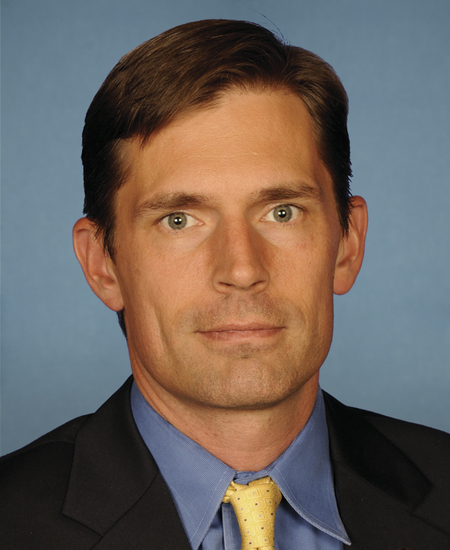
Martin Heinrich
Martin Heinrich Senate
D
Strong +
84% 37
Adam B. Schiff
Adam B. Schiff Senate
D
Support
79% 53
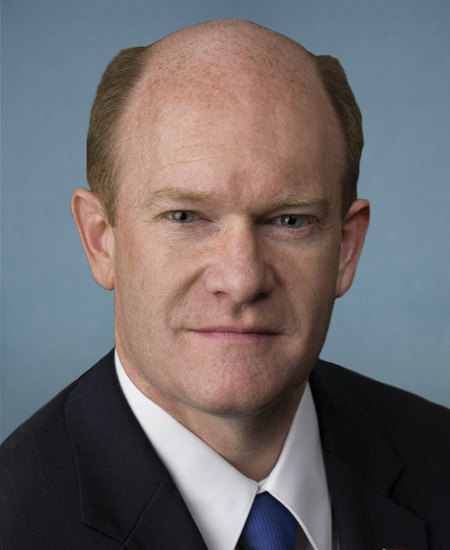
Christopher A. Coons
Christopher A. Coons Senate
D
Support
79% 52
Marsha Blackburn
Marsha Blackburn Senate
R
Strong −
11% 36
Ted Budd
Ted Budd Senate
R
Strong −
20% 40
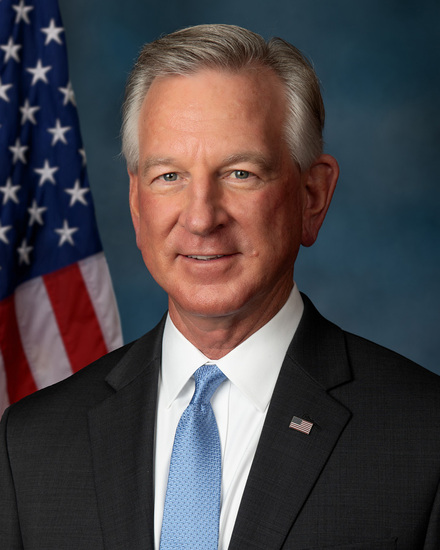
Tommy Tuberville
Tommy Tuberville Senate
R
Oppose
21% 53
Bill Cassidy
Bill Cassidy Senate
R
Oppose
22% 54
Jerry Moran
Jerry Moran Senate
R
Oppose
23% 53
Showing 761–770 of 2,003 bills

All environment bills

in committee · United States · House Jan 16, 2025

HR 470: Red Snapper Act of 2025

HR 470, the Red Snapper Act of 2025, blocks the U.S. Secretary of Commerce from implementing area or bottom closures in the South Atlantic for snapper-grouper fisheries until two conditions are met: the completion of the South Atlantic Great Red Snapper Count survey and integration of its data into the next official stock assessment. This directly affects recreational and commercial fishermen in the South Atlantic region, particularly in Florida, where red snapper fishing supports significant economic activity ($14 billion annually). The bill aims to delay management changes pending new scientific data to avoid potential economic harm during a period of record fish stock abundance. It does not alter fishing seasons or quotas but specifically targets the timing of area closure decisions.
Sub-Topics Conservation
in committee · United States · Senate Jan 28, 2026

S 3717: Opportunities in Organic Act

S 3717 establishes the Opportunities in Organic program to assist farmers and handlers with organic certification costs and transition to organic practices. It covers up to $1,500 annually in certification fees (with higher payments for socially disadvantaged farmers or regions with disproportionately high costs), provides technical assistance for soil health and organic management, and funds supply chain development like processing facilities. The program allocates $50 million annually for 2027-2028, increasing to $100 million by 2030, targeting socially disadvantaged farmers, farms near schools/residential areas, and under-resourced agricultural regions.
passed · United States · Senate Mar 24, 2026

S 1092: WIPPES Act

The WIPPES Act (S 1092) requires manufacturers and retailers to label specific wipes with a clear "Do Not Flush" notice and symbol. It directly affects producers of baby wipes, antibacterial wipes, cleaning wipes, and personal care wipes (like makeup remover or feminine hygiene wipes) that could be flushed. The law mandates precise labeling on packaging - ensuring visibility, high contrast, and specific placement depending on package type - while banning all claims that these wipes are flushable. Enforcement falls to the Federal Trade Commission under existing consumer protection laws, and the federal standard preempts conflicting state regulations.
in committee · United States · House Nov 4, 2025

HR 5920: District of Columbia Flood Prevention Act of 2025

HR 5920, the District of Columbia Flood Prevention Act of 2025, amends the Coastal Zone Management Act of 1972 to explicitly include the District of Columbia as an eligible entity for federal funding under that program. This change directly affects the District of Columbia, allowing it to access federal funds previously unavailable for coastal zone management and flood prevention planning. The bill's sole mechanism is adding "District of Columbia" to the list of eligible jurisdictions in Section 304(4) of the Act. It does not create new flood prevention measures but enables DC to utilize existing federal funding for coastal and flood management efforts.
in committee · United States · Senate Jan 13, 2026

S 3621: Protecting Taxpayers from Risky Investments in Venezuela Act

This bill prohibits U.S. federal funds from being used to support Venezuela's oil and petroleum infrastructure, including construction, property purchases, insurance, payments to companies, or government advocacy for the sector. It directly affects all U.S. government departments, agencies, and entities using federal funds, preventing them from financing or promoting Venezuela's oil industry. The prohibition includes all forms of financial support except for expenditures explicitly authorized by future Acts of Congress. Additionally, the Secretary of State must submit annual reports to congressional committees detailing any related activities and confirming compliance.
in committee · United States · House Jan 31, 2026

HR 7301: Maximizing Transportation Efficiency Act

HR 7301, the Maximizing Transportation Efficiency Act, creates a dedicated $20 million annual grant program to fund transportation demand management (TDM) strategies in rural communities. It directly affects rural residents - particularly those with limited car access, elderly or disabled individuals, and low-income families - by supporting projects like vanpooling, carpooling, and trip-planning apps. The bill sets aside funds for eligible recipients (including state agencies, tribes, transit operators, and nonprofits) to develop TDM plans, run marketing campaigns, and implement tools such as real-time traveler systems. These provisions aim to improve rural mobility, reduce transportation costs, and increase access to jobs and essential services through concrete, existing infrastructure improvements.
Sub-Topics Electric Vehicles Rail Transportation Funding Tags Rural Communities
in committee · United States · House Jun 13, 2025

HR 3901: Jurisdictional Determination Backlog Reduction Act

HR 3901, the Jurisdictional Determination Backlog Reduction Act, requires the U.S. Army Corps of Engineers to eliminate existing backlogs for two specific types of applications within 60 days of the bill's enactment. It directly affects developers, construction companies, and others needing federal permits for projects involving waterways (under Clean Water Act Section 404) or jurisdictional determinations. The bill mandates the Corps to expedite processes and reallocate personnel/resources to clear all pending applications as of June 5, 2025. This is a concrete policy change focused on reducing processing delays for permit applicants.
Sub-Topics Water Quality
in committee · United States · House Feb 14, 2025

HR 1393: Wildfire Response Improvement Act

This bill requires FEMA to update its wildfire response policies within one year of enactment. It expands eligibility for fire management assistance to include emergency stabilization efforts regardless of incident timing, updates FEMA's public assistance guide to address wildfire-specific recovery challenges (like debris removal and water toxicity), and mandates a review of cost-effectiveness criteria for wildfire mitigation projects. The review will establish standardized benefits for defensible space projects, prioritize nature-based infrastructure, and consider smoke impacts and water infrastructure protection. These changes directly affect wildfire-impacted communities and FEMA's administration of federal disaster aid under the Stafford Act.
Sub-Topics Drinking Water Forestry Natural Disasters Tags Emergency Management Public Safety
in committee · United States · House Feb 17, 2026

HR 7592: Zero-Based Regulatory Budgeting to Unleash American Energy Act of 2026

HR 7592 requires key energy regulatory agencies - including the Department of Energy, Bureau of Land Management, Bureau of Ocean Energy Management, Bureau of Safety and Environmental Enforcement, Office of Surface Mining, and Federal Energy Regulatory Commission - to set expiration dates for specific energy-related regulations. Existing regulations must expire within one year of enactment, while new regulations expire after five years unless renewed. Renewal requires public comment on costs/benefits and agency determination that the regulation has a "net deregulatory effect," with extensions limited to five years per renewal. If not renewed, regulations cease to be enforceable and are removed from federal rules. The bill directly affects how these agencies manage energy and environmental regulations under specific statutes like the Energy Policy Act and Surface Mining Control Act.
in committee · United States · Senate May 1, 2025

S 1564: Floodplain Enhancement and Recovery Act

S 1564, the Floodplain Enhancement and Recovery Act, exempts ecosystem restoration projects from standard flood insurance map change fees and streamlines approvals for projects that recover or enhance floodplain functions. It allows communities to permit certain restoration projects within regulatory floodways if they meet specific criteria: the project won't increase base flood elevations by more than 1 foot, won't harm critical infrastructure, and includes a post-project analysis submitted within 180 days. The bill directly affects communities, developers, and landowners undertaking floodplain restoration, as it modifies FEMA's processes for approving such projects under the Homeowner Flood Insurance Affordability Act. The Federal Emergency Management Agency (FEMA) must issue implementing guidance within 180 days of the bill's enactment.
Sub-Topics Coastal & Flood Protection Natural Disasters Tags Emergency Management
Showing 761 to 770 of 2,003 bills
Previous 1 … 76 77 78 … 201 Next