Issue · Environment

Environment

Every environment bill, vote, and legislator stance in United States, automatically classified by Maddy, our AI policy reader.

Total bills
1,501
119th Congress
Top supporter
Aisha Wahab
100% support rate
Top opponent
Marsha Blackburn
11% support rate
Ranked legislators
10
5 support · 5 oppose
Key legislators

Who's moving environment in United States

Legislators moving environment in United States
Legislator Party Stance Support rate Decisive votes
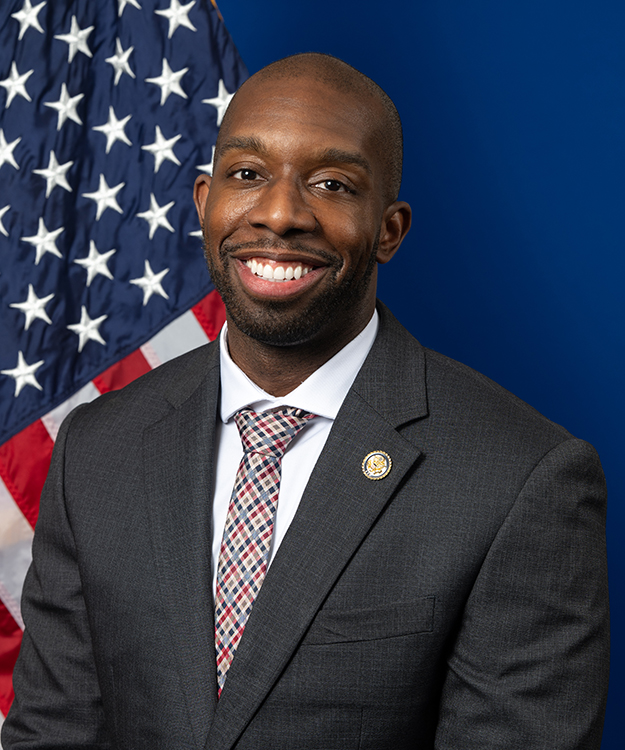
Aisha Wahab
Aisha Wahab House · District 14
D
Strong +
100% 7
Everton Blair Jr.
Everton Blair Jr. House · District 13
D
Strong +
89% 9
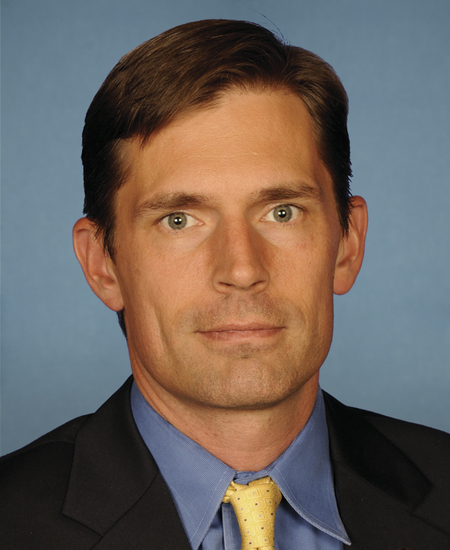
Martin Heinrich
Martin Heinrich Senate
D
Strong +
84% 37
Adam B. Schiff
Adam B. Schiff Senate
D
Support
79% 53
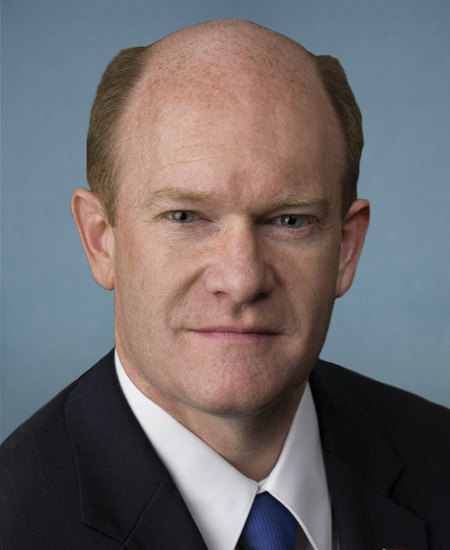
Christopher A. Coons
Christopher A. Coons Senate
D
Support
79% 52
Marsha Blackburn
Marsha Blackburn Senate
R
Strong −
11% 36
Ted Budd
Ted Budd Senate
R
Strong −
20% 40
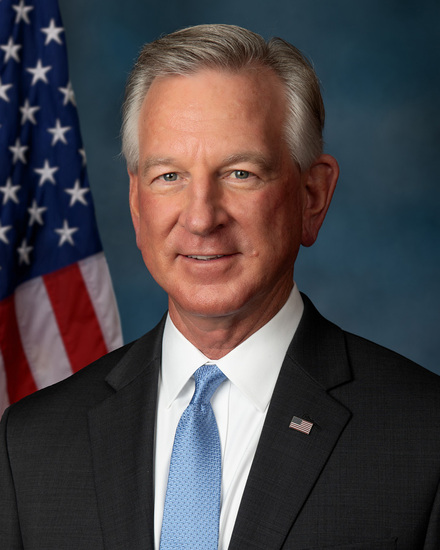
Tommy Tuberville
Tommy Tuberville Senate
R
Oppose
21% 53
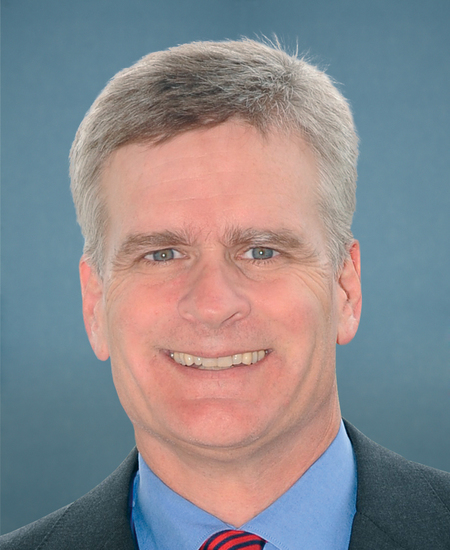
Bill Cassidy
Bill Cassidy Senate
R
Oppose
22% 54
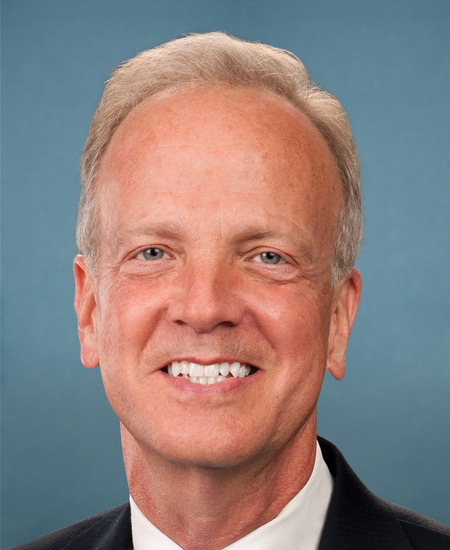
Jerry Moran
Jerry Moran Senate
R
Oppose
23% 53
Showing 731–740 of 1,501 bills

All environment bills

in committee · United States · House Apr 1, 2025

HR 2580: Kissimmee River Wild and Scenic River Act

HR 2580, the Kissimmee River Wild and Scenic River Act, designates a specific restored segment of the Kissimmee River in Florida (from 16 miles downstream of Lake Kissimmee to 15 miles upstream of Lake Okeechobee) as a protected "recreational river" under federal law. This designation directly affects the river segment and its surrounding federal lands by removing them from activities like mining, mineral leasing, and public land disposal, while preserving existing rights. The bill requires the Secretary of the Interior to administer the protected river segment. This act formalizes the river's protected status to conserve its natural and recreational value.
Sub-Topics Public Lands
in committee · United States · House Feb 7, 2025

HR 1135: Polluters Pay Climate Fund Act of 2025

The Polluters Pay Climate Fund Act of 2025 imposes a tax on major fossil fuel companies for historical carbon dioxide emissions exceeding 1 billion metric tons during 2000-2023, with payments due by September 2026. The tax revenue will fund a new Climate Fund that must be used for climate resilience, adaptation, and disaster response programs, with 40% specifically directed to environmental justice communities. The bill requires at least $15 billion annually for FEMA climate programs and $6 billion for Clean Air Act climate resilience grants. It explicitly states the fund does not affect existing legal claims against polluters for climate-related harms.
passed · United States · House Sep 15, 2026

HR 2317: Northern Nevada Economic Development and Conservation Act of 2026

This bill authorizes the transfer of Federal lands in Nevada to local governments, tribes, and specific entities for public purposes including recreation, flood control, fire protection, and conservation. It designates several wilderness areas (Cain Mountain, Bluewing, Selenite Peak, etc.) as part of the National Wilderness Preservation System while establishing mechanisms for land transfers to cities like Douglas County, Carson City, Elko, Fernley, and Sparks. The bill creates special accounts to manage proceeds from land sales for conservation and public purposes, and includes provisions for managing checkerboard lands in Pershing County. It directly affects Nevada counties, local governments, and the Washoe Tribe by providing mechanisms for land transfers and wilderness designation.
in committee · United States · House Apr 18, 2025

HR 2301: To promote the development of renewable energy on public land, and for other purposes.

HR 2301 sets new national goals for renewable energy production on Federal land, increasing the target from 25% to 60% by 2030. The bill establishes "priority areas" for wind, solar, and geothermal projects on public land and streamlines permitting by allowing delegation to State Renewable Energy Coordination Offices. It creates a revenue-sharing system where 25% of project revenues go to the state, 25% to counties, and 35% (increasing to 40% after 2045) to a Renewable Energy Resource Conservation Fund that supports habitat restoration and recreational access. The bill affects renewable energy developers, Federal land managers, states, counties, and communities near renewable energy projects, while requiring updates to environmental impact statements and balancing development with conservation of wildlife, cultural resources, and other land uses.
in committee · United States · Senate Nov 20, 2025

S 3278: SMART Infrastructure Act of 2025

The SMART Infrastructure Act of 2025 requires federal agencies to modernize infrastructure permitting by using 3D digital models (digital twins) and a centralized electronic platform (e-NEPA portal). It directly affects transportation agencies, project developers, and communities involved in federal infrastructure projects, such as roads and bridges under the Department of Transportation. Key provisions mandate that digital twins integrate real-time data for environmental and operational planning, while the e-NEPA portal streamlines document sharing, public access, and interagency coordination. The bill sets a goal to reduce environmental review timelines by at least 25% for eligible projects through these digital tools.
in committee · United States · House Feb 21, 2025

HR 1472: Wyoming Public Lands Initiative Act of 2025

This bill designates five new wilderness areas in Wyoming (Encampment River Canyon, Prospect Mountain, Upper Sweetwater Canyon, Lower Sweetwater Canyon, and Bobcat Draw) and releases 17 wilderness study areas from study status. It establishes a Dubois Badlands National Conservation Area and seven Special Management Areas to protect natural resources while allowing for managed recreation. The bill includes provisions for fire management, grazing administration, and restrictions on motorized vehicle use in designated areas. It also requires studies on developing new motorized recreation areas in Fremont County and Hot Springs/Washakie Counties.
in committee · United States · Senate Jul 31, 2025

S 2608: CRP Improvement and Flexibility Act of 2025

This bill amends the Conservation Reserve Program (CRP) to increase flexibility for farmers and ranchers. It creates continuous enrollment for wildlife habitat practices, allows emergency haying during droughts/floods under specific conditions (like D2 drought designation), expands cost-sharing for grazing infrastructure (fencing, water systems), and raises the rental payment limit from $50,000 to $125,000 per year. These changes directly affect CRP participants managing land for conservation, wildlife, and grazing. The bill focuses on practical adjustments to program rules without altering core conservation goals.
Sub-Topics Conservation Forestry Public Lands Tags Agriculture
in committee · United States · Senate Sep 17, 2026

S 2015: National Prescribed Fire Act of 2025

The National Prescribed Fire Act of 2025 aims to increase the use of prescribed fire (deliberately set fires to manage wildland fuels) on federal lands. It requires the Secretaries of the Interior and Agriculture to increase prescribed fire acreage by 10% annually on federal lands, and establishes a Collaborative Prescribed Fire Program to fund projects meeting specific ecological and collaborative criteria. The bill also addresses liability for prescribed fire managers, streamlines environmental reviews, and creates a national education program to improve public understanding of prescribed fire. It requires annual reporting on prescribed fire activities and landscape-scale prescribed fire plans for national forests and Bureau of Land Management districts.
passed · United States · House Jun 4, 2026

HR 2860: Northwest Straits Marine Conservation Initiative Reauthorization Act of 2025

HR 2860 reauthorizes the Northwest Straits Marine Conservation Initiative through 2032, continuing a program focused on protecting Puget Sound's marine ecosystem in Washington State. It maintains the existing Northwest Straits Advisory Commission (composed of local county representatives, Tribal governments, and state officials) and requires it to coordinate habitat restoration, monitor water quality, and collaborate with Tribal nations on conservation efforts. The bill authorizes $10 million annually (2026-2031) for the Commission to carry out its duties, including developing science-based restoration plans and reporting progress on benchmarks like habitat protection and water quality. It emphasizes collaboration with local communities, Tribal governments, and federal agencies like NOAA, without granting regulatory authority.
in committee · United States · House Feb 21, 2025

HR 1449: Energy Resilient Communities Act

HR 1449, the Energy Resilient Communities Act, creates a federal grant program to fund clean energy microgrids that support critical community infrastructure like hospitals, schools, and emergency facilities. Eligible entities - including states, local governments, nonprofits, and tribal agencies - can apply for grants covering up to 90% of costs for technical assistance, community outreach, or microgrid projects in environmental justice communities. Key provisions prioritize projects that reduce emissions, lower energy costs for low-income residents, minimize land use impacts, and ensure 40% of construction labor comes from local residents meeting specific criteria (e.g., displaced workers, environmental justice community members). The program authorizes $1.5 billion over 10 years, with at least 10% reserved for community-owned microgrid projects, and requires annual reporting on project outcomes and labor practices.
Showing 731 to 740 of 1,501 bills
Previous 1 … 73 74 75 … 151 Next