Issue · Environment

Environment

Every environment bill, vote, and legislator stance in United States, automatically classified by Maddy, our AI policy reader.

Total bills
2,003
119th Congress
Top supporter
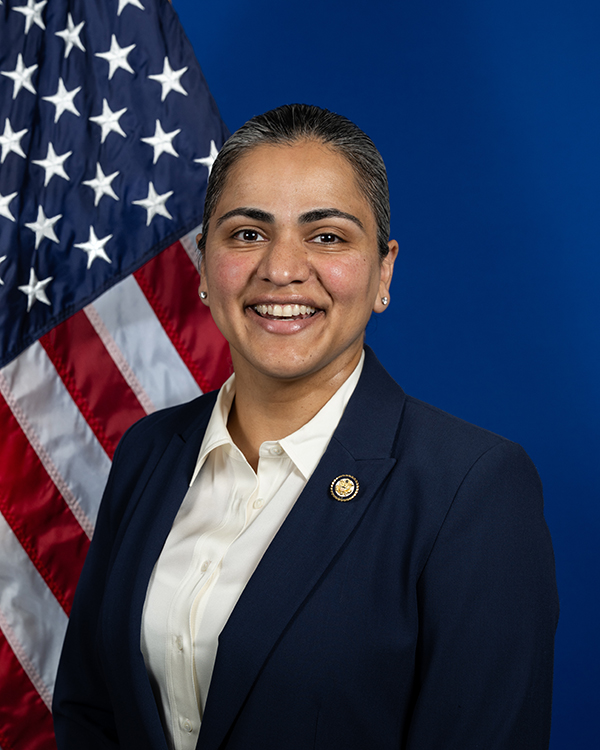
Aisha Wahab
100% support rate
Top opponent
Marsha Blackburn
11% support rate
Ranked legislators
10
5 support · 5 oppose
Key legislators

Who's moving environment in United States

Legislators moving environment in United States
Legislator Party Stance Support rate Decisive votes
Aisha Wahab
Aisha Wahab House · District 14
D
Strong +
100% 7
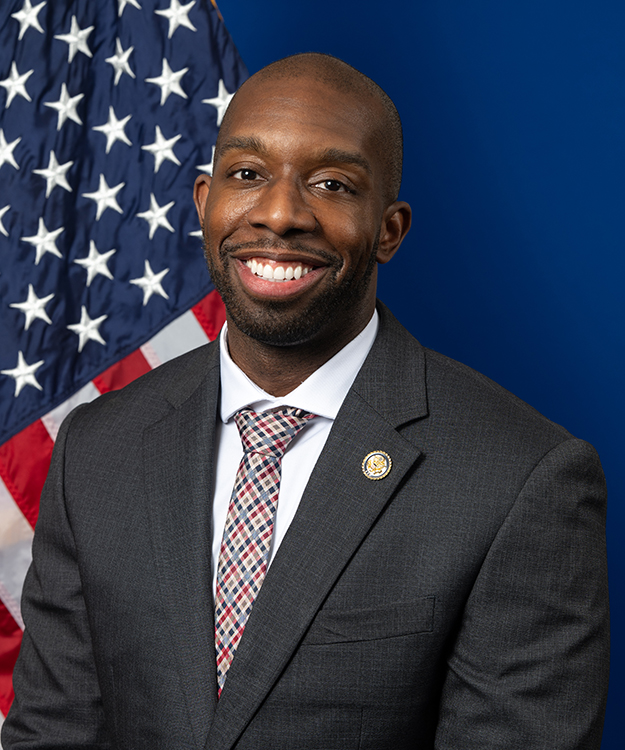
Everton Blair Jr.
Everton Blair Jr. House · District 13
D
Strong +
89% 9
Martin Heinrich
Martin Heinrich Senate
D
Strong +
84% 37
Adam B. Schiff
Adam B. Schiff Senate
D
Support
79% 53
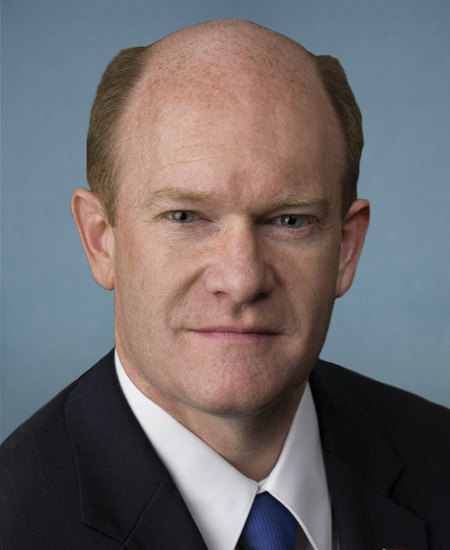
Christopher A. Coons
Christopher A. Coons Senate
D
Support
79% 52
Marsha Blackburn
Marsha Blackburn Senate
R
Strong −
11% 36
Ted Budd
Ted Budd Senate
R
Strong −
20% 40
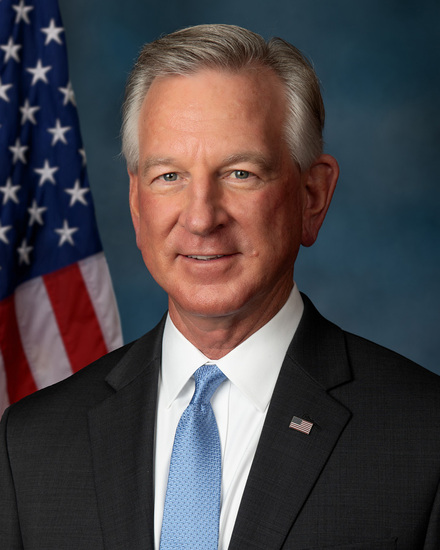
Tommy Tuberville
Tommy Tuberville Senate
R
Oppose
21% 53
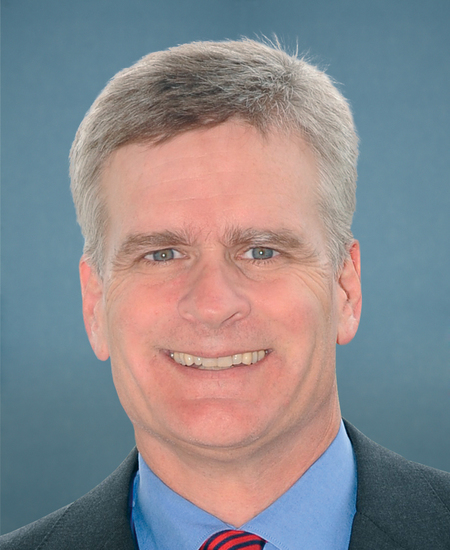
Bill Cassidy
Bill Cassidy Senate
R
Oppose
22% 54
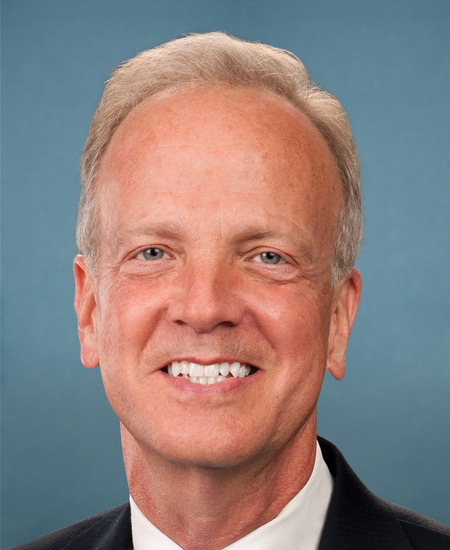
Jerry Moran
Jerry Moran Senate
R
Oppose
23% 53
Showing 731–740 of 2,003 bills

All environment bills

in committee · United States · House Aug 27, 2026

HR 726: Crow Tribe Water Rights Settlement Amendments Act of 2025

This bill amends the Crow Tribe Water Rights Settlement Act of 2010 to update funding mechanisms for water infrastructure projects on the Crow Tribe reservation. It creates two new accounts: the MR&I Projects Account for water infrastructure (like treatment plants and pipelines) and the Crow CIP Implementation Account for other settlement expenses. The bill replaces "System" with "Projects" throughout the law and extends the timeframe for Yellowtail Dam from 15 to 20 years. These changes affect how funds are managed for the Crow Tribe's water rights settlement, primarily impacting the Crow Tribe of Montana and federal management of settlement funds.
Tags Tribal Nations
passed · United States · House Sep 14, 2026

HR 1501: Protecting Domestic Mining Act of 2025

The Protecting Domestic Mining Act of 2025 amends the FAST Act to explicitly include mining projects in the definition of those eligible for streamlined permitting under the law. It prohibits the Federal Permitting Improvement Steering Council from finalizing, implementing, or enforcing a specific proposed rule (published as 88 Fed. Reg. 65350) that would have revised the scope of mining projects covered under the FAST Act. This bill directly affects domestic mining operations by ensuring their projects are covered under the existing permitting process without requiring new rulemaking. The key mechanism is the amendment to the definition, which makes the proposed rule unnecessary and blocks its implementation.
in committee · United States · House Feb 2, 2026

HR 2072: To require the Federal Energy Regulatory Commission to extend the time period during which licensees are required to commence construction of certain hydropower projects.

HR 2072 allows hydropower project licensees to request extended construction timelines from the Federal Energy Regulatory Commission (FERC). It specifically applies to projects licensed before March 13, 2020, with original construction deadlines expiring after December 31, 2023. FERC may extend the construction period by up to 6 additional years (in 2-year increments) if a licensee demonstrates good cause, and will automatically reinstate expired licenses for affected projects upon the bill's enactment. This bill directly affects hydropower developers whose licenses were nearing expiration due to delays, providing administrative flexibility without changing core licensing requirements.
Sub-Topics Hydroelectric
in committee · United States · Senate Mar 12, 2025

S 859: Mining Waste, Fraud, and Abuse Prevention Act of 2025

The Mining Waste, Fraud, and Abuse Prevention Act of 2025 establishes new fees and royalties for hardrock mining operations on federal land. Mining claim holders must pay $200 annually per claim, and operators pay a 5-8% royalty on mineral production. The bill creates a Hardrock Minerals Reclamation Fund to which these fees and royalties will be deposited for reclaiming abandoned mine sites. It also establishes new permit requirements for mineral exploration and mining, along with financial assurance requirements to ensure reclamation. These provisions directly affect mining operators on federal lands, requiring them to comply with new fee structures, permit processes, and reclamation obligations.
Sub-Topics Public Lands
in committee · United States · Senate Apr 9, 2025

S 1391: Coastal Communities Ocean Acidification Act of 2025

S.1391, the Coastal Communities Ocean Acidification Act of 2025, amends the 2009 Federal Ocean Acidification Research and Monitoring Act to improve collaboration on ocean acidification issues. It requires the federal advisory board to include two tribal representatives and mandates ongoing input mechanisms - like liaisons or online platforms - from coastal stakeholders, fishery councils, Indigenous knowledge groups, and non-Federal experts. The bill specifically directs the National Oceanic and Atmospheric Administration (NOAA) to prioritize collaboration with Indian Tribes, Native Hawaiian organizations, and underserved coastal communities in research planning, vulnerability assessments, and adaptation efforts. These changes aim to integrate diverse community knowledge into federal ocean acidification monitoring and response strategies.
in committee · United States · House Jul 30, 2025

HR 4818: Gas Pipeline Leak Detection and Repair Act of 2025

HR 4818, the Gas Pipeline Leak Detection and Repair Act of 2025, mandates that the Pipeline and Hazardous Materials Safety Administration's (PHMSA) existing January 2025 rule on gas pipeline leak detection and repair (Docket No. PHMSA-2021-0039) becomes effective immediately upon the bill's enactment. This directly affects gas pipeline operators, requiring them to implement the specific leak detection and repair protocols outlined in the PHMSA rule. The bill allows the Secretary to later adopt stricter regulations but does not alter the current rule's requirements. It is a procedural measure to finalize an existing safety rule, not a new policy.
in committee · United States · House Jun 26, 2025

HR 4172: OCED Elimination Act

HR 4172, the OCED Elimination Act, abolishes the Office of Clean Energy Demonstrations (OCED) within the U.S. Department of Energy. It repeals Section 41201 of the Infrastructure Investment and Jobs Act (42 U.S.C. 18861), which previously authorized the OCED's operations. This bill directly affects the Department of Energy by eliminating a specific office and its associated funding mechanisms for clean energy demonstration projects. The change removes a dedicated structure for advancing clean energy demonstrations but does not alter broader clean energy funding programs. As a procedural bill, it focuses solely on the elimination of the office and its related statutory provision.
Sub-Topics Renewable Energy
in committee · United States · Senate Mar 12, 2025

S 973: LIBERATE Act

The LIBERATE Act establishes a Regulatory Oversight and Review Task Force to identify and recommend the repeal of federal regulations that hinder competition, increase costs for businesses (especially small businesses and startups), or create barriers to entry. The Task Force, chaired by the OMB Director and including 16 private-sector members with specific expertise and small business representation, will evaluate regulations affecting manufacturing, energy production, permitting, and critical minerals. It will collect public input via a dedicated website and focus groups, then submit annual reports and a yearly "special message" to Congress detailing specific regulations for repeal. Congress would then have a fast-track process to pass "covered resolutions" immediately repealing those regulations, bypassing standard committee delays. This bill directly affects domestic businesses, manufacturers, and energy sectors burdened by federal regulations.
Tags Small Business
in committee · United States · House Mar 3, 2025

HR 1808: Keep America’s Waterfronts Working Act of 2025

The Keep America's Waterfronts Working Act of 2025 establishes a federal Task Force to identify and address challenges facing working waterfronts, which are properties used for commercial fishing, boating businesses, aquaculture, and other water-dependent coastal activities. It creates a $50 million annual grant program (2025-2029) to help coastal states, tribal governments, and Native Hawaiian organizations develop and implement working waterfronts plans that preserve access to coastal waters and protect these businesses from threats like sea level rise and conversion to incompatible uses. The bill also authorizes a preservation loan fund to provide low-interest loans for waterfront preservation, with special provisions for disadvantaged communities. Covered entities must develop plans identifying threatened waterfront areas, prioritizing preservation needs, and ensuring public access. The law aims to protect working waterfronts through coordinated federal and local planning efforts.
in committee · United States · Senate Jul 30, 2025

S 2538: Working Waterfront Disaster Mitigation Tax Credit Act

This bill creates a 30% tax credit for businesses investing in disaster mitigation projects on "working waterfront" properties, such as those used for commercial fishing, boating, or aquaculture. The credit covers up to $300,000 annually per business for eligible costs like floodproofing, shoreline stabilization, or warning systems designed to prevent damage from natural hazards. To qualify, a business must meet a gross receipts limit of $47 million annually and use the property for water-dependent activities with access to navigable waters. The credit applies to projects completed after 2025 and is limited to one claim per business every 10 years.
Showing 731 to 740 of 2,003 bills
Previous 1 … 73 74 75 … 201 Next