

Issue · Environment
Environment
Every environment bill, vote, and legislator stance in United States, automatically classified by Maddy, our AI policy reader.
Total bills
2,003
119th Congress
Top supporter
Aisha Wahab
100% support rate
Top opponent
Marsha Blackburn
11% support rate
Ranked legislators
10
5 support · 5 oppose
Key legislators
Who's moving environment in United States
| Legislator | Party | Stance | Support rate | Decisive votes |
|---|---|---|---|---|
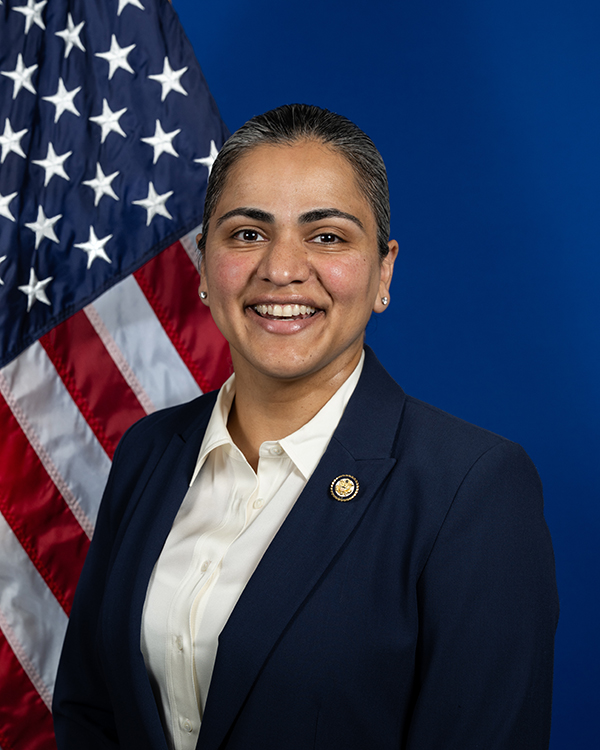
Aisha Wahab
House · District 14
|
D |
Strong +
|
100% | 7 |
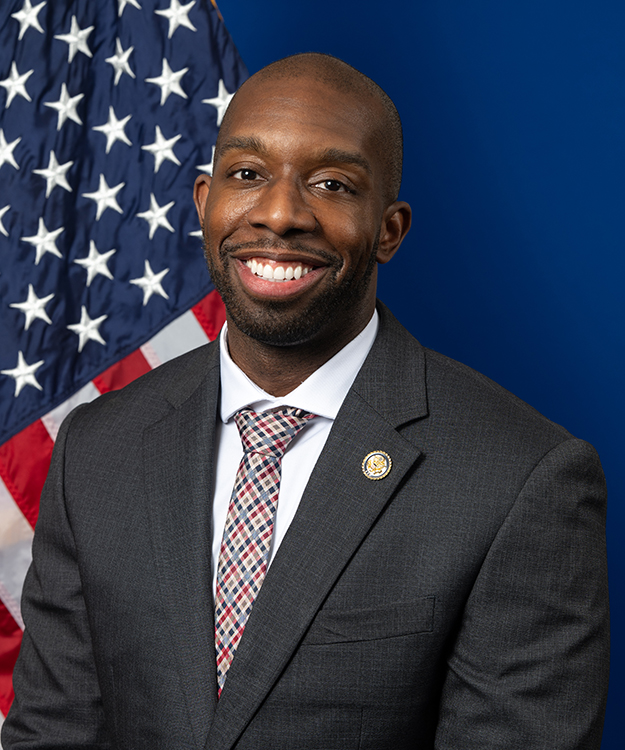
Everton Blair Jr.
House · District 13
|
D |
Strong +
|
89% | 9 |

Martin Heinrich
Senate
|
D |
Strong +
|
84% | 37 |

Adam B. Schiff
Senate
|
D |
Support
|
79% | 53 |
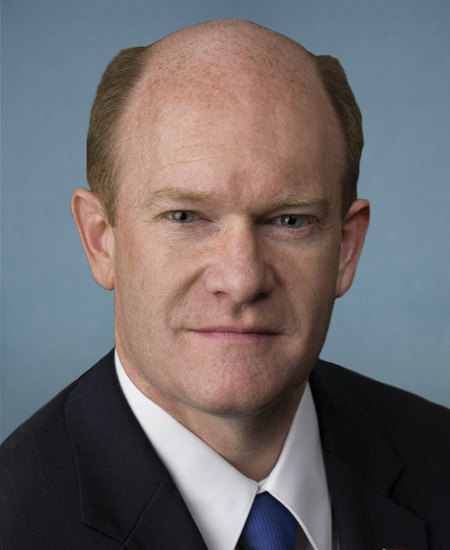
Christopher A. Coons
Senate
|
D |
Support
|
79% | 52 |

Marsha Blackburn
Senate
|
R |
Strong −
|
11% | 36 |
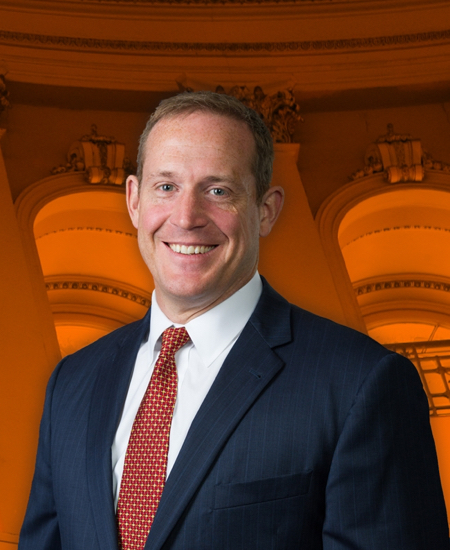
Ted Budd
Senate
|
R |
Strong −
|
20% | 40 |
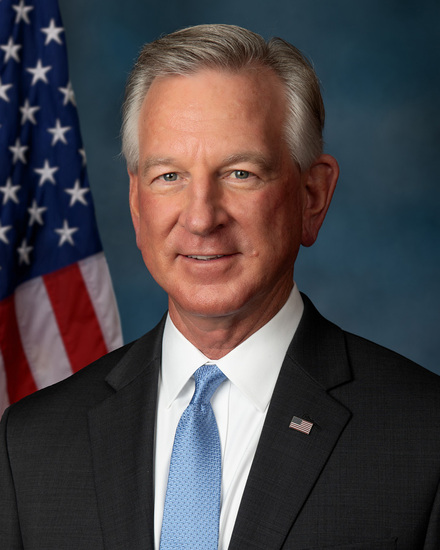
Tommy Tuberville
Senate
|
R |
Oppose
|
21% | 53 |

Bill Cassidy
Senate
|
R |
Oppose
|
22% | 54 |

Jerry Moran
Senate
|
R |
Oppose
|
23% | 53 |
Showing 691–700 of 2,003
bills
All environment bills
HR 191: Inflation Reduction Act of 2025
Topics
✗ Budget & TaxesOpposes Budget & TaxesRepeals Inflation Reduction Act of 2022, which included tax provisions and funding, effectively defunding its programs and reversing fiscal policies.
✗ EnvironmentOpposes EnvironmentRepeals 2022 Inflation Reduction Act, which contained environmental protections, effectively removing climate funding and regulations.
HR 3822: No Desire for Streetcars Act
Topics
✗ Budget & TaxesOpposes Budget & TaxesBill explicitly prohibits federal funding for streetcar projects, defunding specific transportation initiatives by restricting allocation of existing transportation grants.
✗ EnvironmentOpposes EnvironmentDefunds streetcars, a sustainable transit option that reduces emissions, contradicting environmental goals of pollution control and conservation.
✗ TransportationOpposes TransportationBill explicitly prohibits federal funding for streetcar projects, banning use of transportation grants for streetcar procurement, operation, or maintenance, directly restricting public transit infrastructure funding.
HR 338: Every Drop Counts Act
S 3029: DOE and NASA Interagency Research Coordination Act
Topics
✓ EnvironmentSupports EnvironmentFunds Arctic science and wildfire resilience research, directly advancing environmental conservation and climate adaptation efforts through DOE/NASA collaboration.
✓ TechnologySupports TechnologyBill authorizes joint funding for quantum computing and tech R&D through DOE/NASA coordination, directly advancing technology as a core focus area.
S 441: A bill to direct the Secretary of Agriculture and the Secretary of the Interior to develop a plan to reorganize Federal wildland fire response, and for other purposes.
S 224: Promoting Domestic Energy Production Act
Topics
✗ Budget & TaxesOpposes Budget & TaxesBill creates tax deductions for oil/gas companies, reducing taxable income and government revenue, aligning with tax breaks for corporations per indicators.
✗ EnergyOpposes EnergyBill provides tax benefits to oil/gas producers via favorable cost deductions, directly favoring fossil fuels over renewables per indicators.
✗ EnvironmentOpposes EnvironmentTax incentives for oil/gas producers prioritize fossil fuel expansion over environmental protection, increasing industry reliance on non-renewable energy sources.
Sub-Topics
Oil & Gas
HR 4442: CHARGE Investments Act
Topics
✓ EnvironmentSupports EnvironmentPromotes transit-oriented development near rail stations, reducing car dependency and emissions. Aligns with environmental protection goals through sustainable transportation funding.
✓ TransportationSupports TransportationBill expands federal financing for transit-oriented development near rail stations, directly funding public transit infrastructure and promoting mixed-use development adjacent to transit corridors.
HR 5746: MARA Act of 2025
Sub-Topics
Coastal & Flood Protection
HR 3756: FISH Act of 2025
Topics
✓ Criminal JusticeSupports Criminal JusticeBill combats illegal fishing and forced labor by restricting vessel access and imports, supporting law enforcement and criminal justice reform efforts.
✓ EnvironmentSupports EnvironmentTargets illegal fishing to protect marine ecosystems and prevent overfishing, directly advancing environmental conservation through fisheries management.
✓ Labor & EmploymentSupports Labor & EmploymentBill explicitly targets forced labor in fishing by prohibiting imports from vessels using forced labor, directly protecting workers' rights and aligning with labor protection policies.
Sub-Topics
Human Trafficking