Issue · Environment

Environment

Every environment bill, vote, and legislator stance in United States, automatically classified by Maddy, our AI policy reader.

Total bills
1,989
119th Congress
Top supporter
Aisha Wahab
100% support rate
Top opponent
Marsha Blackburn
11% support rate
Ranked legislators
10
5 support · 5 oppose
Key legislators

Who's moving environment in United States

Legislators moving environment in United States
Legislator Party Stance Support rate Decisive votes
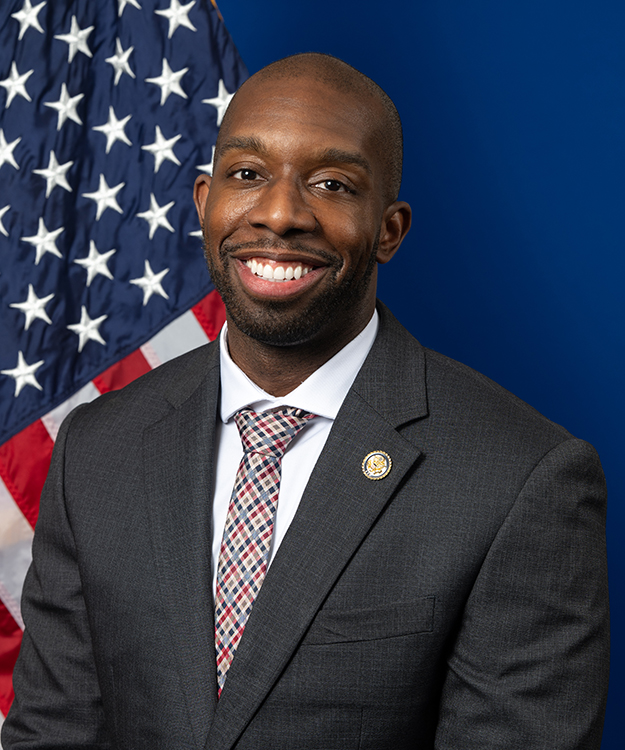
Aisha Wahab
Aisha Wahab House · District 14
D
Strong +
100% 7
Everton Blair Jr.
Everton Blair Jr. House · District 13
D
Strong +
89% 9
Martin Heinrich
Martin Heinrich Senate
D
Strong +
84% 37
Adam B. Schiff
Adam B. Schiff Senate
D
Support
79% 53
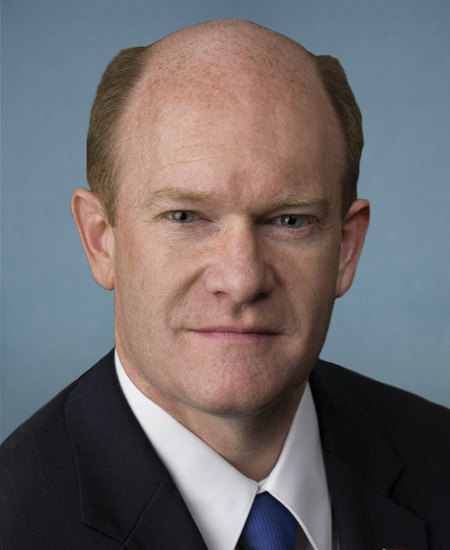
Christopher A. Coons
Christopher A. Coons Senate
D
Support
79% 52
Marsha Blackburn
Marsha Blackburn Senate
R
Strong −
11% 36
Ted Budd
Ted Budd Senate
R
Strong −
20% 40
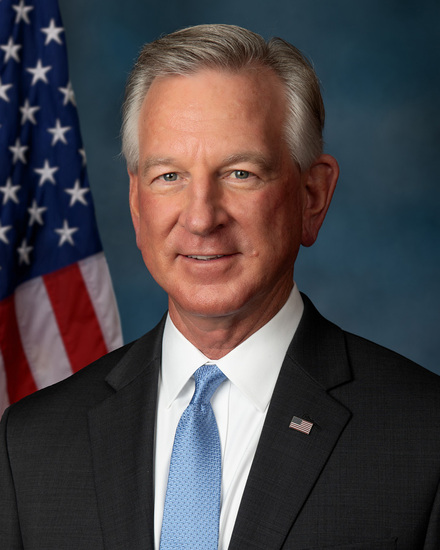
Tommy Tuberville
Tommy Tuberville Senate
R
Oppose
21% 53
Bill Cassidy
Bill Cassidy Senate
R
Oppose
22% 54
Jerry Moran
Jerry Moran Senate
R
Oppose
23% 53
Showing 361–370 of 1,989 bills

All environment bills

in committee · United States · House May 14, 2026

HRES 1291: Expressing support for the recognition of May 3 through May 9, 2026, as Wildfire Preparedness Week, the national event educating the public on fire safety and preparedness, and supporting the goals of a Wildfire Preparedness Week.

H.Res. 1291 is a non-binding resolution that formally recognizes May 3 through May 9, 2026, as Wildfire Preparedness Week. The bill aims to raise public awareness about wildfire risks and promote educational initiatives regarding fire safety and evacuation planning. It highlights the dangers of smoke exposure for both the general public and firefighters while noting that human activity causes the majority of wildland fires. This measure does not change laws or allocate funding, but rather expresses the House of Representatives' support for these preparedness goals.
in committee · United States · House Apr 27, 2026

HR 8514: Active Transportation for Public Lands Act

This bill requires federal agencies managing public lands to allocate at least 5 percent of their annual transportation funding toward active transportation projects. These projects include building trails for pedestrians and bicyclists, improving safety infrastructure for non-drivers, and converting abandoned railroad corridors into recreational paths. The legislation directly affects federal land management programs and aims to expand safe transportation options for people of all ages and abilities. By mandating this funding set-aside, the bill ensures consistent investment in non-motorized transportation infrastructure across federal lands.
in committee · United States · House Apr 27, 2026

HR 8533: Farmer to Farmer Education Act of 2026

Farmer to Farmer Education Act of 2026 This bill expands the authority of the Department of Agriculture (USDA) to provide technical assistance for farmer-to-farmer networks. USDA must use annual appropriations provided for Natural Resources Conservation Service conservation operations to implement this program. A farmer-to-farmer network means any affiliation or association of farmers that share information, technical assistance, or any other type of mutually beneficial support. Under the bill, USDA may enter into cooperative agreements with eligible entities to (1) provide assistance to farmer-to-farmer networks to build network capacity, connect farmers with mentors or group learning opportunities, and support goal setting; (2) increase technical assistance for farmers, ranchers, and forest owners who use different farming models, practices, and scales; (3) establish and steward the networks; and (4) establish reporting requirements for these activities. Those eligible for the program include nonprofit entities, farmer-to-farmer networks, tribal entities, local governments, institutions of higher education, and states. USDA must prioritize agreements with entities that seek to meet the specific needs of certain farmers, ranchers, and forest owners who are historically underserved or operating in high-poverty areas. The bill also provides for subawards to plan and conduct events, as well as to identify and develop innovative activities, in order to increase farmer access to farmer-to-farmer assistance.
Sub-Topics Conservation Forestry Tags Agriculture
in committee · United States · House Apr 22, 2026

HR 8440: ZELDIN Act

The ZELDIN Act requires the Environmental Protection Agency to obtain explicit approval from both chambers of Congress before dismissing any lawsuits or withdrawing referrals related to claims about the release of known or likely carcinogens. Additionally, the bill mandates that the EPA consult with its Office of General Counsel before terminating grants and prohibits agencies from penalizing recipients for delays caused by legal challenges to those terminations. The legislation also establishes a private right of action allowing harmed individuals to sue the EPA for injunctive relief and damages, while setting a specific sunset date of January 20, 2029, for the law's provisions.
in committee · United States · House May 20, 2026

HR 8748: Surface Transportation Research and Development Act of 2026

The Surface Transportation Research and Development Act of 2026 updates federal programs to extend their funding periods through fiscal year 2031 and establishes a new Transportation Statistics Coordination Council to oversee data collection across the Department of Transportation. The bill also creates a study on the safety impacts of new headlamp technologies and requires a strategy to increase the use of reclaimed asphalt in road construction. Additionally, it expands rail research to address safety challenges in modern commuter and freight systems while ensuring data standards remain consistent.
in committee · United States · Senate Apr 16, 2026

S 4312: Federal Mechanical Insulation Act of 2026

The Federal Mechanical Insulation Act of 2026 amends existing federal energy conservation laws to formally recognize mechanical insulation as an energy efficiency measure in government buildings. This legislation defines mechanical insulation as materials used in mechanical systems that meet specific engineering standards and reduce energy loss. Under the new requirements, federal facilities must identify these insulation measures during their comprehensive energy and water assessments. The bill applies specifically to the management and reporting of energy usage within federal properties.
in committee · United States · House May 7, 2026

HR 8715: Make DTE Pay Act

The Make DTE Pay Act amends the Clean Air Act to increase penalties for investor-owned electric and gas utilities that fail to comply with environmental regulations. Specifically, the bill requires that if a utility raises its rates within two years before or after receiving a penalty, the fine amount must be doubled. This provision directly affects utility companies by ensuring they cannot offset the financial cost of noncompliance with rate hikes passed on to consumers. The law aims to prevent utilities from using rate increases to recover the money they owe to the government for environmental violations.
in committee · United States · Senate Apr 22, 2026

SRES 683: A resolution raising awareness of lake sturgeon.

This Senate resolution aims to raise public awareness about lake sturgeon, a large, slow-reproducing freshwater fish found across the Great Lakes and Northeastern United States. The bill encourages collaboration among federal, state, tribal, and Canadian partners to manage and restore lake sturgeon populations while protecting their habitats and controlling invasive species. It also calls for educating anglers and communities on proper handling of these fish and highlights their cultural significance to Indigenous communities.
in committee · United States · Senate May 13, 2026

S 4506: Advancing Water Reuse Act

The Advancing Water Reuse Act creates a new federal tax credit to encourage investment in water recycling infrastructure. This 30 percent credit applies to businesses and utilities that install, replace, or modify onsite water recycling systems in industrial, manufacturing, data center, or food processing facilities. Eligible projects also include those that replace freshwater with recycled municipal water or build new municipal water recycling systems. To qualify, the construction of the project must begin within ten years of the bill's enactment, and the credit is calculated based on the cost of tangible property placed in service during the taxable year.
in committee · United States · Senate Apr 30, 2026

S 4475: Unlock American Energy and Jobs Act of 2026

The Unlock American Energy and Jobs Act of 2026 streamlines federal permitting for energy projects by reducing environmental review requirements and setting strict deadlines for agency actions. It modifies the Clean Water Act to limit state authority in certifying water discharges, mandates that certain energy and carbon dioxide pipeline projects be exempt from NEPA reviews, and establishes a 120-day limit for courts to decide lawsuits challenging these permits. The bill also extends nuclear reactor licenses to a maximum of 60 years, exempts new nuclear reactors at existing sites from NEPA compliance, and restricts judicial review of tribal trust resource projects to claims brought by the tribes themselves. Additionally, it creates a 150-day statute of limitations for most NEPA-related lawsuits and requires courts to issue final decisions on environmental challenges within 180 days.
Showing 361 to 370 of 1,989 bills
Previous 1 36 37 38 199 Next