

Issue · Environment
Environment
Every environment bill, vote, and legislator stance in United States, automatically classified by Maddy, our AI policy reader.
Total bills
1,481
119th Congress
Top supporter
Aisha Wahab
100% support rate
Top opponent
Marsha Blackburn
11% support rate
Ranked legislators
10
5 support · 5 oppose
Key legislators
Who's moving environment in United States
| Legislator | Party | Stance | Support rate | Decisive votes |
|---|---|---|---|---|
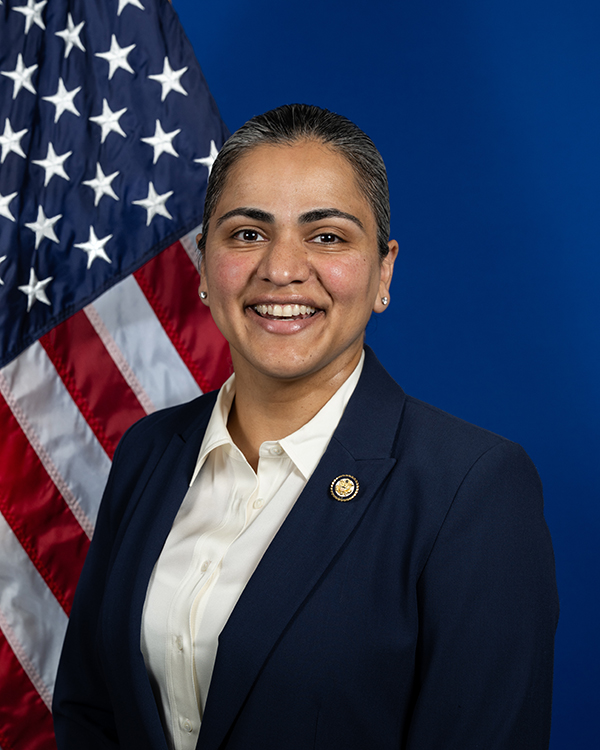
Aisha Wahab
House · District 14
|
D |
Strong +
|
100% | 7 |
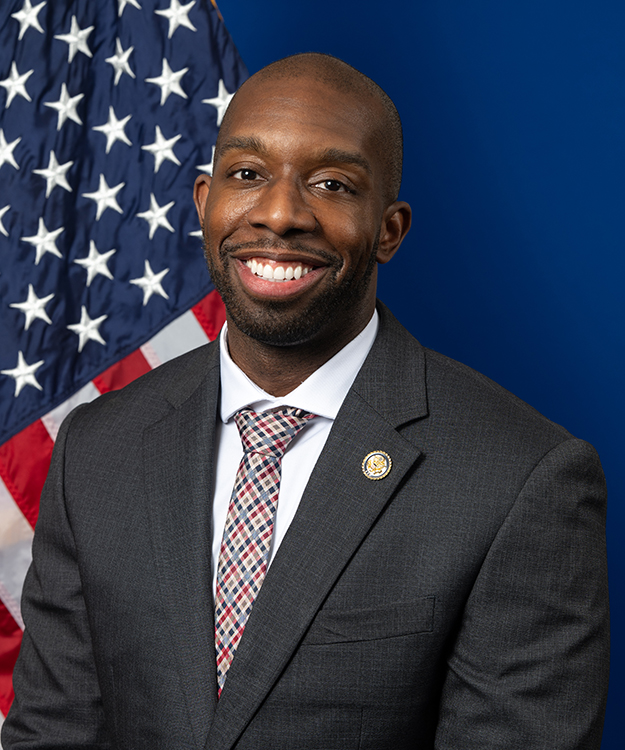
Everton Blair Jr.
House · District 13
|
D |
Strong +
|
89% | 9 |
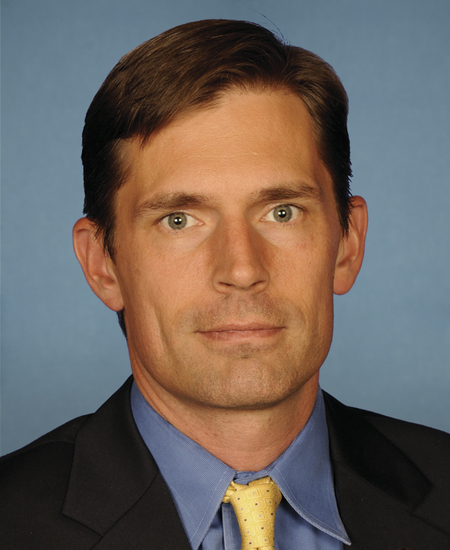
Martin Heinrich
Senate
|
D |
Strong +
|
84% | 37 |

Adam B. Schiff
Senate
|
D |
Support
|
79% | 53 |
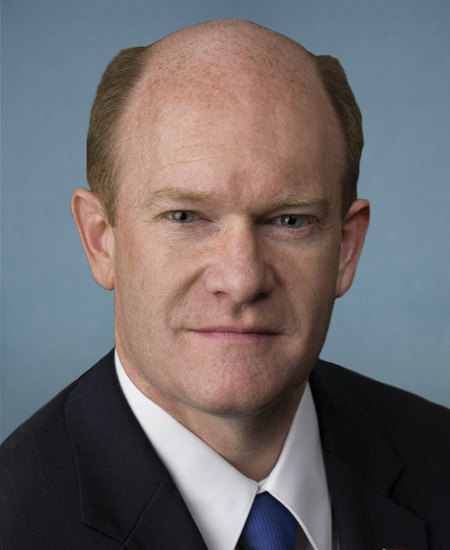
Christopher A. Coons
Senate
|
D |
Support
|
79% | 52 |

Marsha Blackburn
Senate
|
R |
Strong −
|
11% | 36 |

Ted Budd
Senate
|
R |
Strong −
|
20% | 40 |
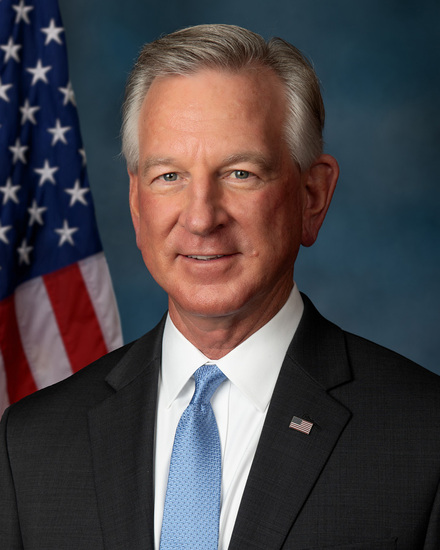
Tommy Tuberville
Senate
|
R |
Oppose
|
21% | 53 |
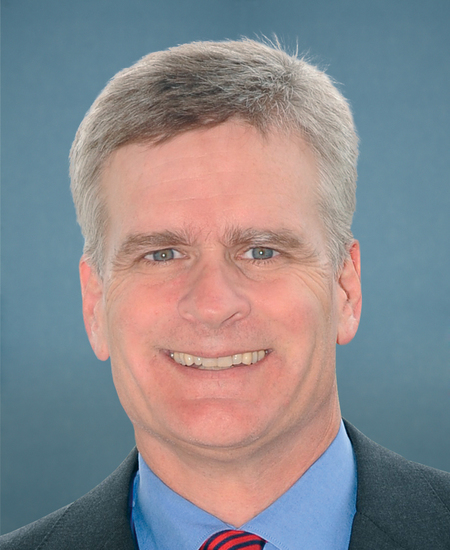
Bill Cassidy
Senate
|
R |
Oppose
|
22% | 54 |
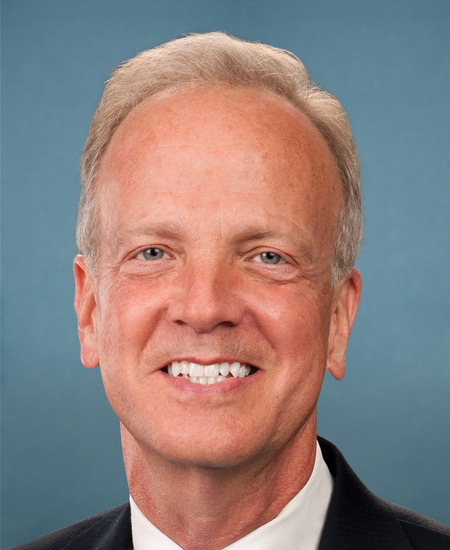
Jerry Moran
Senate
|
R |
Oppose
|
23% | 53 |
Showing 261–270 of 1,481
bills
All environment bills
HR 8550: To allow States to require payment of State fees related to boating as a condition for issuance of a vessel number and to collect such fees in conjunction with other fees related to vessel numbering.
Topics
✓ Budget & TaxesSupports Budget & TaxesBill authorizes states to collect fees for boating safety and invasive species control, directly funding essential public programs.
✓ EnvironmentSupports EnvironmentBill funds aquatic invasive species control and boater safety, directly benefiting waterway conservation and environmental protection.
✓ TransportationSupports TransportationBill funds boater safety and aquatic invasive species control, enhancing waterway safety and infrastructure.
HR 8609: Vehicle Innovation Act of 2026
Topics
✓ EnergySupports EnergyBill directs DOE to fund vehicle efficiency research, electric/hydrogen tech, and clean energy infrastructure with $1.7B.
✓ EnvironmentSupports EnvironmentBill funds research to improve fuel efficiency and reduce emissions, directly advancing environmental protection.
✓ TechnologySupports TechnologyBill allocates $1.7B to fund research and development of advanced vehicle technologies, explicitly advancing the technology sector.
✓ TransportationSupports TransportationBill directs DOE to fund research and development for advanced vehicle technologies, including electric vehicles and hydrogen fuel cells, aiming to improve fuel efficiency and reduce emissions.
HR 8614: Safe Water in Schools Act of 2026
Topics
✓ EducationSupports EducationBill provides federal funding to install water filtration systems in schools, improving infrastructure and student health.
✓ EnvironmentSupports EnvironmentBill funds water filtration to prevent lead exposure and clean contamination, directly protecting public health and reducing environmental pollution.
S 4473: China-Africa Mining Transparency Act
Topics
✓ EnvironmentSupports EnvironmentBill mandates identification of entities causing environmental damage to protected areas, thereby strengthening transparency and accountability regarding environmental harm.
✓ Labor & EmploymentSupports Labor & EmploymentBill targets forced labor in mining, directly addressing workers' rights and opposing exploitation.
S 4515: Flood Mapping Modernization and Homeowner Empowerment Pilot Program Act of 2026
Topics
✓ EnvironmentSupports EnvironmentBill funds digital flood mapping tools to assess climate trends and reduce urban flooding risks, directly supporting environmental resilience.
✓ HousingSupports HousingBill funds digital flood mapping tools to help homeowners understand risks, indirectly supporting housing stability and property rights.
✓ TechnologySupports TechnologyBill funds development of digital flood risk mapping tools for cities, advancing technology adoption for public safety.
HR 8739: Brownfields Revitalization for a Better Tomorrow Act
Topics
✓ Budget & TaxesSupports Budget & TaxesBill explicitly increases funding for brownfield remediation and mandates audits, directly advancing the budget topic by allocating resources to essential environmental programs.
✓ EnvironmentSupports EnvironmentBill expands funding for cleaning contaminated properties, directly reducing pollution and protecting environmental health.
✓ VeteransSupports VeteransBill prioritizes brownfield projects on former military bases, aiding veteran transition and community revitalization.
HR 8560: Shifting Forward Vehicle Technologies Research and Development Act
Topics
✓ EnergySupports EnergyBill directs DOE to expand R&D for cleaner, efficient vehicle technologies and alternative fuels, directly advancing energy infrastructure and reducing emissions.
✓ EnvironmentSupports EnvironmentBill explicitly directs DOE to develop cleaner vehicle technologies and reduce greenhouse gas emissions.
✓ TechnologySupports TechnologyBill directs DOE to expand R&D for advanced vehicle technologies, explicitly funding and strengthening the technology sector.
✓ TransportationSupports TransportationBill funds R&D for cleaner, efficient vehicle technologies and alternative fuels, directly advancing sustainable transportation infrastructure.
HR 8497: Supporting Energy and Economic Development (SEED) Act
Topics
✓ Budget & TaxesSupports Budget & TaxesBill extends tax credits for renewable fuel production, providing economic incentives and fiscal support for energy development.
✓ EnergySupports EnergyBill extends tax credits for biodiesel and renewable diesel, directly advancing renewable energy production and infrastructure.
✓ EnvironmentSupports EnvironmentBill extends tax credits for biodiesel and renewable diesel, promoting clean energy and reducing reliance on fossil fuels.