Issue · Environment

Environment

Every environment bill, vote, and legislator stance in United States, automatically classified by Maddy, our AI policy reader.

Total bills
1,978
119th Congress
Top supporter
Aisha Wahab
100% support rate
Top opponent
Marsha Blackburn
11% support rate
Ranked legislators
10
5 support · 5 oppose
Key legislators

Who's moving environment in United States

Legislators moving environment in United States
Legislator Party Stance Support rate Decisive votes
Aisha Wahab
Aisha Wahab House · District 14
D
Strong +
100% 7
Everton Blair Jr.
Everton Blair Jr. House · District 13
D
Strong +
89% 9
Martin Heinrich
Martin Heinrich Senate
D
Strong +
84% 37
Adam B. Schiff
Adam B. Schiff Senate
D
Support
79% 53
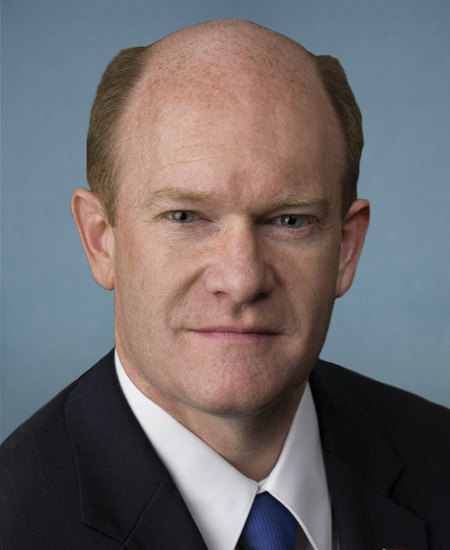
Christopher A. Coons
Christopher A. Coons Senate
D
Support
79% 52
Marsha Blackburn
Marsha Blackburn Senate
R
Strong −
11% 36
Ted Budd
Ted Budd Senate
R
Strong −
20% 40
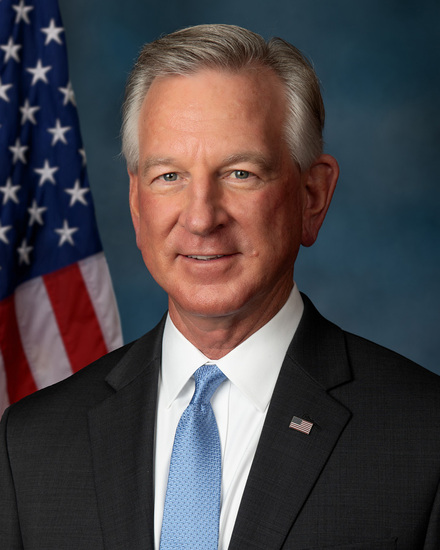
Tommy Tuberville
Tommy Tuberville Senate
R
Oppose
21% 53
Bill Cassidy
Bill Cassidy Senate
R
Oppose
22% 54
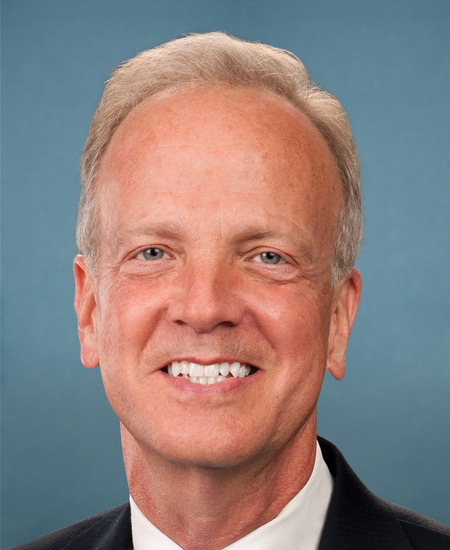
Jerry Moran
Jerry Moran Senate
R
Oppose
23% 53
Showing 1,671–1,680 of 1,978 bills

All environment bills

passed · United States · House Sep 15, 2026

HR 3276: Local Communities & Bird Habitat Stewardship Act of 2026

The Local Communities & Bird Habitat Stewardship Act of 2025 establishes the Urban Bird Treaty Program, which provides grants and technical assistance to local groups - including cities, nonprofits, community organizations, and academic institutions - to protect and restore urban bird habitats. Key provisions include funding for habitat restoration (e.g., removing invasive species and planting native plants), reducing urban bird hazards, and engaging communities in monitoring and education. The program, administered by the National Fish and Wildlife Foundation, authorizes $1 million annually from 2026 to 2032 for projects focused on conserving urban bird populations through collaborative local efforts. It directly affects communities seeking to enhance green spaces and support bird conservation in populated areas.
Sub-Topics Conservation Wildlife
in committee · United States · House Feb 4, 2025

HJRES 34: Providing for congressional disapproval under chapter 8 of title 5, United States Code, of the rule submitted by the Environmental Protection Agency relating to "Trichloroethylene (TCE); Regulation Under the Toxic Substances Control Act (TSCA)".

HJRES 34 is a congressional disapproval resolution targeting an Environmental Protection Agency (EPA) rule regulating Trichloroethylene (TCE) under the Toxic Substances Control Act (TSCA). It seeks to block the EPA's final rule (published December 17, 2024) that would have imposed new controls on TCE, a chemical used in industrial cleaning and manufacturing. If passed, this resolution would prevent the EPA rule from taking effect, directly affecting industries using TCE and the regulatory framework for chemical safety under TSCA. The bill does not create new rules but halts an existing EPA regulation through a procedural congressional review process.
in committee · United States · House Jun 25, 2025

HR 4133: EQIP Improvement Act of 2025

The EQIP Improvement Act of 2025 revises payment limits for farmers participating in the Environmental Quality Incentives Program (EQIP), which provides financial assistance for conservation practices. It sets a 75% payment cap for most conservation costs (down from higher previous limits), reduces payments to 40% for specific infrastructure like irrigation systems or animal mortality facilities, and allows 100% coverage for income foregone. The bill also lowers the annual payment cap per producer from $450,000 to $150,000. Additionally, it requires the Secretary to submit annual reports to Congress detailing funding distribution by practice type, state, and farm size. These changes directly affect farmers adopting conservation practices under EQIP.
Sub-Topics Conservation Tags Agriculture
passed · United States · House Jan 22, 2026

HRES 375: Expressing support for the designation of May 2025 as Renewable Fuels Month to recognize the important role that renewable fuels play in reducing carbon impacts, lowering fuel prices for consumers, supporting rural communities, and lessening reliance on foreign adversaries.

HRES 375 is a symbolic resolution designating May 2025 as "Renewable Fuels Month" to recognize renewable fuels' role in reducing carbon emissions, lowering consumer fuel prices, supporting rural economies, and decreasing reliance on foreign energy sources. The resolution expresses the House's support for this designation without creating new laws or funding. It highlights renewable fuels' economic contributions (e.g., jobs, GDP impact) and environmental benefits as context for the recognition, but does not alter existing policies. As a non-binding resolution, it has no direct legal effect on consumers, industries, or government programs.
Sub-Topics Renewable Energy Climate Change Tags Rural Communities
in committee · United States · House Sep 9, 2025

HR 3654: TERRA Act

The TERRA Act enables Indian Tribes to integrate funding from multiple federal programs into comprehensive plans addressing environmental threats and natural disasters, including climate impacts like flooding, erosion, wildfires, and sea level rise. The bill streamlines administrative processes by requiring only a single annual report instead of multiple reports from individual programs and allows tribes to reallocate funds across different services as needed. It establishes a streamlined permitting process for environmental reviews and creates an expedited fee-to-trust process for land acquisitions to support community-driven relocation efforts. The Act aims to reduce bureaucratic barriers while empowering tribes to address environmental challenges through their own community-driven strategies within the federal trust responsibility framework.
Sub-Topics Coastal & Flood Protection Natural Disasters Tags Tribal Nations
in committee · United States · Senate Jan 14, 2026

S 3637: ACE Agriculture Act of 2026

The ACE Agriculture Act of 2026 amends USDA research programs to expand their focus on water conservation, greenhouse gas reduction, and resilience against climate impacts like drought and pests. It increases annual funding for the Agriculture Advanced Research and Development Authority (AGARDA) from $50 million to $100 million (2027-2031) and requires the program to prioritize water conservation, emissions mitigation, and protection from diseases and pests. The bill redesignates a former "Pilot" program as a permanent initiative, clarifies the Director’s role to work directly with the Chief Scientist (without reporting to other USDA program heads), and allows use of unobligated funds for implementation. This primarily affects USDA research operations and agricultural producers adopting new technologies for sustainability and climate adaptation.
Sub-Topics Climate Change Conservation Tags Agriculture
in committee · United States · Senate Jun 9, 2025

S 1999: USDA CROP Act of 2025

This bill requires the EPA Administrator to coordinate with the USDA Secretary on pesticide regulations. It mandates that EPA publish economic analyses of costs to growers and other affected entities when implementing pesticide risk mitigation measures. The law also requires EPA to share and consider USDA's agronomic data and information about alternative pesticides during registration reviews. These coordination rules apply to pesticide decisions affecting growers, state agencies, and pesticide companies, with specific protocols for Endangered Species Act consultations. The bill establishes formal processes for data sharing and joint decision-making between EPA and USDA.
Sub-Topics Wildlife Tags Agriculture
in committee · United States · House Mar 11, 2025

HR 2030: Maintaining Cooperative Permitting Act of 2025

This bill protects three specific state programs that handle permits for dredged or fill material in waterways under the Clean Water Act. It prohibits the EPA from withdrawing approval of Michigan's, New Jersey's, and Florida's existing programs without new congressional authorization, preventing the EPA from revoking them through standard administrative processes. The bill also creates a 90-day transition period for Florida to continue issuing permits during a program review and allows other states to seek similar approval if their programs are deemed comparable. It does not change environmental standards but ensures these cooperative state-federal arrangements remain intact unless Congress acts.
in committee · United States · House Mar 28, 2025

HR 1904: Improving Coordination of Agriculture Research and Data Act

This bill establishes an Agriculture Climate Scientific Research Advisory Committee to develop national research priorities for climate-smart agriculture and standardize data collection protocols, and creates a Rural Climate Alliance Network to connect agricultural producers, researchers, and technical assistance providers. The committee will identify research gaps, develop biennial research agendas, and recommend annual budget priorities for climate research. The network will facilitate sharing of climate data, improve communication about climate risks, and support implementation of climate-resilient practices across the agriculture sector. These changes aim to strengthen coordination of climate-related research, data systems, and technical assistance to better address climate change impacts on farming and rural communities.
Sub-Topics Climate Change Forestry Tags Rural Communities
in committee · United States · House Jun 13, 2025

HR 3905: Judicial Review Timeline Clarity Act

HR 3905, the Judicial Review Timeline Clarity Act, amends the Clean Water Act to clarify timelines for challenging water pollution permits. It requires lawsuits seeking judicial review of individual or general permits (for dredged/fill material discharges) to be filed within 60 days of permit issuance, and mandates that such lawsuits must be based on specific comments made during the public comment period. The bill limits courts from vacating permits unless there is an imminent environmental danger with no other remedy, and sets a 180-day deadline for agencies to act after a court remands a case. This directly affects environmental groups, businesses, and citizens challenging permit decisions under the Clean Water Act.
Showing 1,671 to 1,680 of 1,978 bills