Issue · Environment

Environment

Every environment bill, vote, and legislator stance in United States, automatically classified by Maddy, our AI policy reader.

Total bills
1,978
119th Congress
Top supporter
Aisha Wahab
100% support rate
Top opponent
Marsha Blackburn
11% support rate
Ranked legislators
10
5 support · 5 oppose
Key legislators

Who's moving environment in United States

Legislators moving environment in United States
Legislator Party Stance Support rate Decisive votes
Aisha Wahab
Aisha Wahab House · District 14
D
Strong +
100% 7
Everton Blair Jr.
Everton Blair Jr. House · District 13
D
Strong +
89% 9
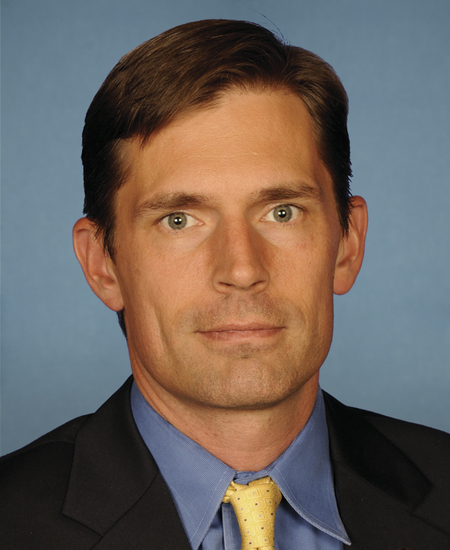
Martin Heinrich
Martin Heinrich Senate
D
Strong +
84% 37
Adam B. Schiff
Adam B. Schiff Senate
D
Support
79% 53
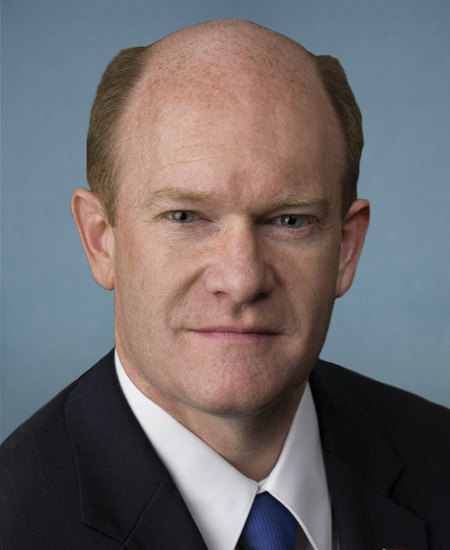
Christopher A. Coons
Christopher A. Coons Senate
D
Support
79% 52
Marsha Blackburn
Marsha Blackburn Senate
R
Strong −
11% 36
Ted Budd
Ted Budd Senate
R
Strong −
20% 40
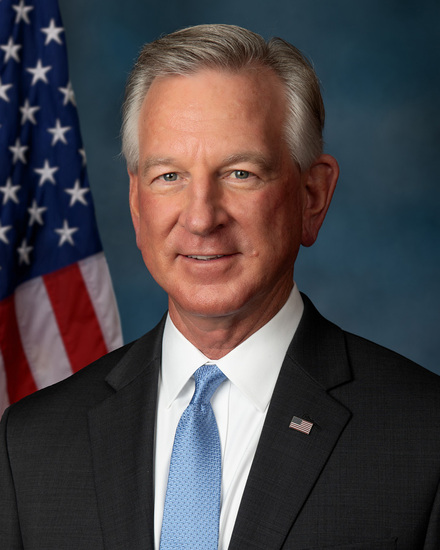
Tommy Tuberville
Tommy Tuberville Senate
R
Oppose
21% 53
Bill Cassidy
Bill Cassidy Senate
R
Oppose
22% 54
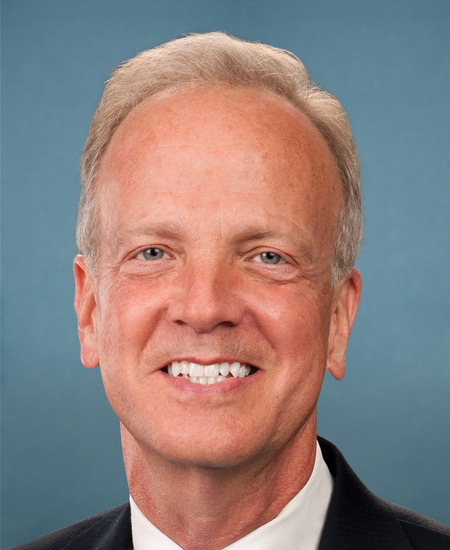
Jerry Moran
Jerry Moran Senate
R
Oppose
23% 53
Showing 1,651–1,660 of 1,978 bills

All environment bills

in committee · United States · Senate Mar 17, 2026

S 1242: Watershed Results Act

The Watershed Results Act establishes a program that funds conservation projects based on verified environmental outcomes (such as increased water supply, improved habitat, or cleaner water) rather than on the activities themselves. Eligible entities - including states, tribes, water districts, and non-profits - can apply to become "watershed partners" in Reclamation States (covering 48 states plus Hawaii, Alaska, and Puerto Rico) to manage projects using "advance watershed analytics" to identify cost-effective conservation efforts. The federal government provides up to 75% of project costs through grants and pay-for-performance contracts, requiring partners to secure the remaining funding and verify outcomes like water quantity or quality improvements. The program is limited to five projects nationwide and mandates annual reports to Congress on progress and outcomes.
in committee · United States · Senate Feb 5, 2025

S 425: Enhancing Energy Recovery Act

This bill amends the federal tax credit for carbon capture (Section 45Q) to expand eligibility for companies capturing carbon dioxide. It adds new qualifying uses for the credit, including using captured carbon as a "tertiary injectant" in oil/gas extraction projects and certain other storage methods. The credit amount is set at $17 per metric ton for 2025-2026, then adjusted annually for inflation after 2026. The changes apply to tax years beginning after December 31, 2024, directly affecting businesses engaged in carbon capture and storage.
Sub-Topics Oil & Gas
in committee · United States · House Nov 18, 2025

HR 6116: Safe Hydration is an American Right in Energy Development Act of 2025

This bill requires oil, gas, and geothermal companies to test nearby underground drinking water sources before, during, and after hydraulic fracturing ("fracking") operations. Companies must conduct testing at specified intervals (e.g., before starting, every 6 months during operations, annually for 5 years after) and submit results to the EPA within two weeks. The EPA will maintain a public database of all test results, making it searchable by ZIP code for community access. The requirement does not apply to sites with no accessible drinking water sources within one mile.
Sub-Topics Drinking Water
in committee · United States · House Dec 2, 2025

HR 5365: ENABLE Conservation Act of 2025

This bill amends the Food Security Act of 1985 to streamline enrollment in a conservation program focused on wildlife habitat. It adds a new enrollment category for land under the "State acres for wildlife enhancement initiative" and updates acreage limitation rules to reference this specific program. The changes directly affect farmers and landowners participating in conservation programs who enroll land for wildlife habitat improvements. The bill simplifies administrative processes for this specific initiative without altering conservation requirements or funding.
in committee · United States · House May 8, 2025

HR 3313: Protecting American Farmland Act

HR 3313, the Protecting American Farmland Act, prohibits federal agencies from using taxpayer funds to support solar energy projects that convert prime farmland. It also excludes solar installations on prime farmland from multiple federal tax credits, including the residential clean energy credit, production tax credits, and investment tax credits. The bill defines "prime farmland" using existing standards from the Farmland Protection Policy Act, directly affecting solar developers seeking federal funding or tax incentives for projects on such land. These provisions aim to prevent agricultural land conversion for solar energy development by restricting financial incentives.
in committee · United States · House Feb 10, 2025

HR 1073: Great Lakes Gateways Network Act of 2025

The Great Lakes Gateways Network Act of 2025 creates a coordinated network of sites across the Great Lakes region to conserve, restore, and interpret natural, historical, and cultural resources. It authorizes the Secretary of the Interior (with EPA collaboration) to provide technical and financial assistance for linking these sites - such as parks, historic ports, and cultural landmarks - with trails, water routes, and educational connections. The bill establishes a grants program offering up to 50% federal funding for conservation projects, requiring non-federal matching funds (including in-kind contributions) and capping administrative costs at 10% of project totals. The program is funded at $6 million annually from 2026 through 2031 for state/local governments, nonprofits, and private groups.
in committee · United States · Senate Jul 31, 2025

S 2591: Ethanol for America Act of 2025

S 2591, the Ethanol for America Act of 2025, requires the Environmental Protection Agency (EPA) to finalize a 2021 proposed rule within 90 days of enactment. It mandates specific labeling for E15 fuel (15% ethanol blend) and sets new compatibility standards for underground storage tanks used by fuel retailers. The bill automatically deems existing tanks compliant with E15, specifies that tanks made after 2005 are compatible, and requires new tank components installed after the rule's effective date to work with fuels up to 100% ethanol. This directly affects fuel retailers and tank owners by removing documentation barriers for E15 use and setting future compatibility requirements.
in committee · United States · House May 29, 2025

HCONRES 34: Expressing the need for the Senate to provide advice and consent to ratification of the United Nations Convention on Biological Diversity.

HCONRES 34 is a non-binding resolution urging the U.S. Senate to ratify the United Nations Convention on Biological Diversity (CBD), which the U.S. signed in 1993 but has never formally joined. The resolution states that without ratification, the U.S. lacks voting rights and full influence in global biodiversity decisions affecting national security and economic interests. It notes the U.S. currently operates as an observer (not a party) despite aligning many federal programs with CBD goals. The resolution argues that ratification would restore U.S. leadership in international conservation efforts. This bill does not change U.S. law or create new obligations, as the U.S. is already compliant with the CBD’s requirements under existing domestic law.
Sub-Topics Conservation Wildlife
in committee · United States · Senate Feb 25, 2025

S 704: Voluntary Public Access Improvement Act of 2025

This bill establishes a mandatory $150 million funding stream (2025-2029) from the Commodity Credit Corporation to improve public access to conservation lands. It specifically allocates $3 million to encourage public access to wetland reserve easement lands through agreements with states and tribal governments. The program directly affects landowners holding these easements and state/tribal entities managing conservation areas. The key mechanism is using federal funds to incentivize voluntary agreements that make existing wetland conservation areas more accessible to the public.
in committee · United States · Senate Apr 15, 2026

S 3034: Reliable Power Act

This bill requires federal agencies to submit proposed regulations affecting power generation for review by the Federal Energy Regulatory Commission (FERC) before finalizing them. It directly affects agencies like the Environmental Protection Agency (EPA) and Department of Energy (DOE) when they develop rules related to power plants or grid operations. The key mechanism mandates that if FERC’s Electric Reliability Organization (ERO) identifies a risk of insufficient power supply, the Commission must notify relevant agencies and require them to submit their regulations for review. FERC can then comment on reliability impacts and recommend modifications to avoid disruptions, with agencies needing to address these comments before finalizing rules.
Showing 1,651 to 1,660 of 1,978 bills