Issue · Environment

Environment (Public Lands)

Every environment bill, vote, and legislator stance in United States, automatically classified by Maddy, our AI policy reader.

Total bills
198
119th Congress
Top supporter
Adam B. Schiff
92% support rate
Top opponent
Alan Armstrong
0% support rate
Ranked legislators
10
5 support · 5 oppose
Key legislators

Who's moving public lands in United States

Legislators moving public lands in United States
Legislator Party Stance Support rate Votes
Adam B. Schiff
Adam B. Schiff Senate
D
Strong +
92% 12
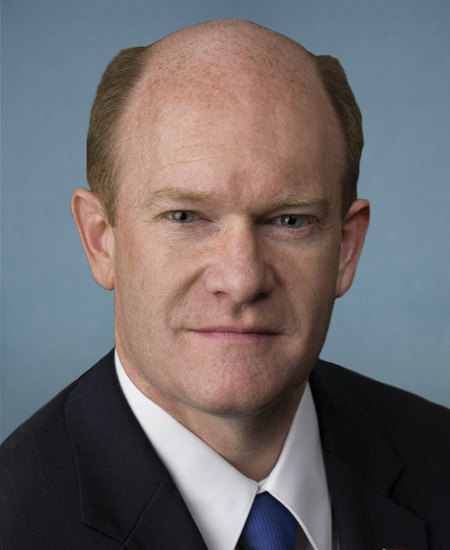
Christopher A. Coons
Christopher A. Coons Senate
D
Strong +
92% 12
Christopher Murphy
Christopher Murphy Senate
D
Strong +
92% 12
Jeanne Shaheen
Jeanne Shaheen Senate
D
Strong +
92% 12
Alex Padilla
Alex Padilla Senate
D
Strong +
85% 13
AA
Alan Armstrong Senate
R
Strong −
0% 3
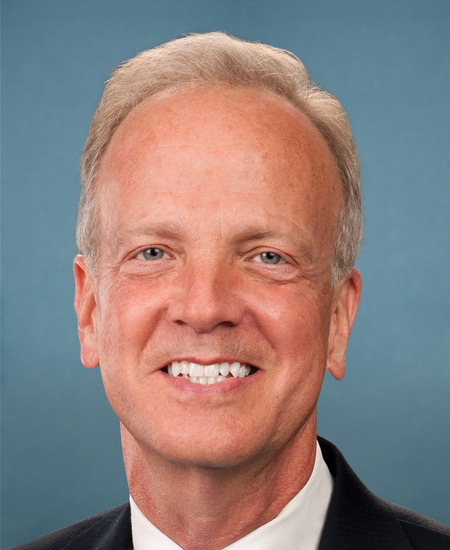
Jerry Moran
Jerry Moran Senate
R
Strong −
8% 12
Marsha Blackburn
Marsha Blackburn Senate
R
Strong −
8% 12
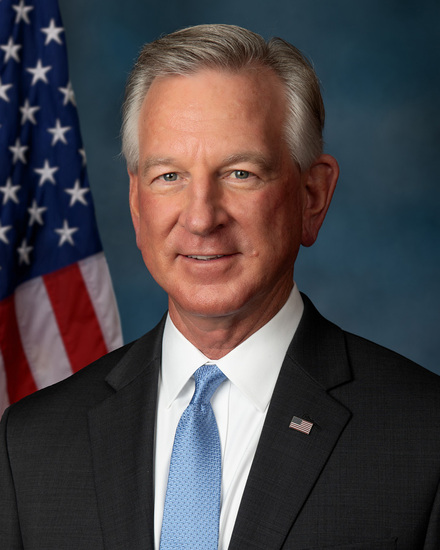
Tommy Tuberville
Tommy Tuberville Senate
R
Strong −
8% 12
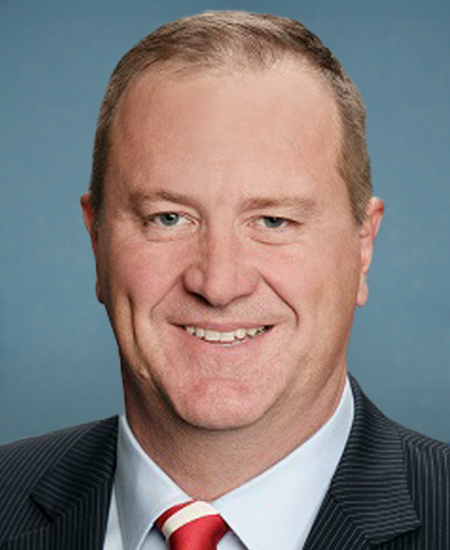
Eric Schmitt
Eric Schmitt Senate
R
Strong −
9% 11
Showing 151–160 of 198 bills

All environment bills

in committee · United States · Senate Jan 23, 2025

S 211: Resiliency for Ranching and Natural Conservation Health Act

This bill allows ranchers with grazing permits or leases to temporarily use vacant public grazing land when their usual land becomes unusable due to disasters like droughts, wildfires, or extreme weather. The Secretary of Agriculture or Interior can make this temporary access available, subject to conditions ensuring it doesn’t alter the rancher’s original grazing rights or future allocations. Key provisions require the Secretary to consider ecological conditions, coordinate across agencies, and establish guidelines within one year to streamline this process. The temporary use is limited to the duration needed for the original land to recover, and it does not affect the rancher’s permanent access or terms to their original allotment.
Sub-Topics Conservation Natural Disasters Public Lands Tags Agriculture
passed · United States · House May 14, 2025

HR 167: Community Reclamation Partnerships Act of 2025

HR 167, the Community Reclamation Partnerships Act of 2025, allows states to create memoranda with federal agencies to address mine drainage pollution on abandoned mine lands. It establishes "Community Reclaimers" (non-responsible entities like companies not causing pollution) to implement cleanup projects, requiring states to assume liability for project costs and ensure public review. Key provisions mandate detailed project plans, water quality monitoring, technical capability verification, and contingency plans for emergencies. The bill amends the 1977 Surface Mining Act, with projects needing state memoranda approval and specific documentation, and expires September 30, 2032. It directly affects states, Community Reclaimers, and landowners near abandoned mine sites.
in committee · United States · House Apr 10, 2025

HR 2893: Buffalo Tract Protection Act

The Buffalo Tract Protection Act (HR 2893) permanently withdraws approximately 4,288 acres of federal land in New Mexico from mining and mineral leasing under federal law. This directly affects the Bureau of Land Management (which administers the land) and prevents new mining claims or mineral development on the specified Tracts A-D. The bill allows the surface rights of this land to be conveyed (sold or transferred) under existing federal land laws, but requires the federal government to retain all mineral rights. This is a permanent land protection measure focused on preserving the land's surface use potential while safeguarding mineral resources for the federal government.
in committee · United States · Senate Mar 27, 2025

S 1198: Northern Rockies Ecosystem Protection Act

# Summary of the Northern Rockies Ecosystem Protection Act (NREPA) The Northern Rockies Ecosystem Protection Act is a comprehensive environmental legislation designed to protect and restore the natural ecosystems of the Northern Rockies bioregion (Idaho, Montana, Wyoming, Oregon, and Washington). The bill consists of seven main titles with the following key components: **Title I: Wilderness Designations** - Designates over 200 new wilderness areas totaling approximately 13 million acres - Includes specific areas like the Greater Yellowstone, Greater Glacier/Northern Continental Divide, Greater Hells Canyon, Greater Salmon/Selway, and Greater Cabinet-Yaak-Selkirk ecosystems - Specifies exact boundaries, acreage, and administration for each wilderness area **Title II: Biological Connecting Corridors** - Designates approximately 2.9 million acres of Federal land as biological connecting corridors - Requires special management to maintain wildlife connectivity between major ecosystem areas - Prohibits even-aged timber harvesting, mining, oil/gas development, and new road construction **Title III: Wild and Scenic Rivers Designations** - Adds numerous rivers to the Wild and Scenic Rivers System, including: - The South Fork Payette, Middle Fork Payette, and Deadwood rivers in Idaho - The Yaak River and Kootenai River in Montana - The Yellowstone River and Thorofare River in Wyoming **Title IV: Wildland Restoration and Recovery** - Designates 1,023,000 acres as wildland recovery areas (including Skyland, Hungry Horse, Lolo Creek, Yellowstone West, Mt. Leidy, and others) - Requires restoration of natural conditions, invasive species reduction, and water quality improvement **Title V: Implementation and Monitoring** - Requires implementation reports from the Secretaries of Agriculture and Interior - Establishes an interagency team to monitor ecosystem health - Includes roadless land evaluation to protect remaining roadless areas **Title VI: Effect on Indian Tribes** - Protects tribal treaty rights and cultural practices - Ensures nonexclusive access to protected areas for traditional cultural and religious purposes - Requires consultation with tribal governments **Title VII: Water Rights** - Explicitly states that the Act does not affect or reduce existing U.S. water rights The legislation represents a comprehensive approach to ecosystem protection, focusing on preserving wilderness, maintaining wildlife corridors, protecting rivers, restoring damaged lands, and respecting tribal rights while maintaining the natural integrity of the Northern Rockies bioregion.
in committee · United States · House Aug 5, 2025

HR 4877: Central Coast Heritage Protection Act

The Central Coast Heritage Protection Act designates approximately 235,000 acres of federal land in California as wilderness areas, scenic areas, or a special management area. It incorporates specific lands into existing wilderness systems, designates river segments as Wild and Scenic Rivers, and establishes management guidelines including provisions for fire management, grazing, and recreation. The bill withdraws these lands from mining, mineral leasing, and other activities under public land laws. It also requires studies on trail connectivity, vehicle trails, and nonmotorized recreation opportunities within the designated areas. The bill directly affects land management by the Bureau of Land Management and Forest Service in California's Central Coast region.
in committee · United States · House Apr 4, 2025

HR 2026: Ending Major Borderland Environmental Ruin from Wildfires (EMBER) Act

The EMBER Act establishes a 7-year program (2026-2032) to reduce wildfire risks along the U.S. southern border. It directs the Secretary of the Interior to manage vegetation on federal lands near the Mexico border - administered by agencies like the National Park Service and Bureau of Land Management - to cut hazardous fuels, install firebreaks, and address invasive species. The bill also requires new protocols to prevent wildfires and environmental damage caused by people crossing the border without authorization, including reducing trash accumulation and protecting sensitive habitats. Funding of $3.66 million annually will support these efforts across border states, with reports tracking incidents and cleanup costs.
in committee · United States · Senate Oct 27, 2025

S 2548: Shawnee National Forest Conservation Act of 2025

S 2548 designates approximately 750 acres as Camp Hutchins Wilderness and establishes three Special Management Areas (totaling ~12,700 acres) within Illinois' Shawnee National Forest. The bill prohibits commercial logging, mining, and motorized vehicle use (except for emergencies or specific management needs), closes Forest Road 211 to vehicles, and withdraws all lands from mineral rights and public land laws. It requires the Forest Service to create a management plan within three years and allows scientific research, volunteer restoration, and limited hunting while banning trapping. These protections directly affect federal lands in the Shawnee National Forest, managed by the U.S. Forest Service under the Secretary of Agriculture.
in committee · United States · Senate Oct 27, 2025

S 1680: Virginia Wilderness Additions Act of 2025

This bill designates approximately 1,000 acres for addition to the Rough Mountain Wilderness and designates about 4,600 acres as a potential wilderness area that will become part of the Rich Hole Wilderness within Virginia's George Washington National Forest. The Rich Hole addition will be formally incorporated into the wilderness area within five years of the bill's enactment or after completing specific water quality projects. During the transition period, limited motorized equipment may be used for water quality improvement projects to minimize impact on wilderness character. The bill directly affects land management within the George Washington National Forest under the Wilderness Act.
in committee · United States · Senate Dec 2, 2025

S 1737: Wild Olympics Wilderness and Wild and Scenic Rivers Act

This bill would protect over 126,000 acres of forest in Washington's Olympic National Forest by designating 12 new wilderness areas, including Lost Creek Wilderness and Gates of the Elwha Wilderness. It would also protect 21 river segments across the region by designating them as "wild," "scenic," or "recreational" rivers under the Wild and Scenic Rivers Act, with specific protections for each segment. The bill would manage these areas under existing wilderness and river protection laws, preserving existing rights for activities like grazing and mining while preventing new development. It would require the Forest Service to update management plans for these areas within 3-5 years.
Sub-Topics Forestry Public Lands
in committee · United States · Senate Dec 2, 2025

S 1195: Pershing County Economic Development and Conservation Act

This bill, the Pershing County Economic Development and Conservation Act, addresses the checkerboard pattern of land ownership in Pershing County, Nevada, by authorizing the federal government to sell or exchange eligible public land with private landowners through competitive bidding and appraisals. It designates several new wilderness areas (including Cain Mountain, Bluewing, and Selenite Peak) for protection from development and mining while establishing management rules for these areas. The bill also transfers approximately 10 acres of land to be held in trust for the Lovelock Paiute Tribe, with restrictions on gaming use. Proceeds from land sales would be distributed to the state for education (5%), the county for general use (10%), and a special conservation account for further land acquisitions and management.
Showing 151 to 160 of 198 bills
Previous 1 15 16 17 20 Next