

Northern Rockies Ecosystem Protection Act
# Summary of the Northern Rockies Ecosystem Protection Act (NREPA)
The Northern Rockies Ecosystem Protection Act is a comprehensive environmental legislation designed to protect and restore the natural ecosystems of the Northern Rockies bioregion (Idaho, Montana, Wyoming, Oregon, and Washington). The bill consists of seven main titles with the following key components:
**Title I: Wilderness Designations**
- Designates over 200 new wilderness areas totaling approximately 13 million acres
- Includes specific areas like the Greater Yellowstone, Greater Glacier/Northern Continental Divide, Greater Hells Canyon, Greater Salmon/Selway, and Greater Cabinet-Yaak-Selkirk ecosystems
- Specifies exact boundaries, acreage, and administration for each wilderness area
**Title II: Biological Connecting Corridors**
- Designates approximately 2.9 million acres of Federal land as biological connecting corridors
- Requires special management to maintain wildlife connectivity between major ecosystem areas
- Prohibits even-aged timber harvesting, mining, oil/gas development, and new road construction
**Title III: Wild and Scenic Rivers Designations**
- Adds numerous rivers to the Wild and Scenic Rivers System, including:
- The South Fork Payette, Middle Fork Payette, and Deadwood rivers in Idaho
- The Yaak River and Kootenai River in Montana
- The Yellowstone River and Thorofare River in Wyoming
**Title IV: Wildland Restoration and Recovery**
- Designates 1,023,000 acres as wildland recovery areas (including Skyland, Hungry Horse, Lolo Creek, Yellowstone West, Mt. Leidy, and others)
- Requires restoration of natural conditions, invasive species reduction, and water quality improvement
**Title V: Implementation and Monitoring**
- Requires implementation reports from the Secretaries of Agriculture and Interior
- Establishes an interagency team to monitor ecosystem health
- Includes roadless land evaluation to protect remaining roadless areas
**Title VI: Effect on Indian Tribes**
- Protects tribal treaty rights and cultural practices
- Ensures nonexclusive access to protected areas for traditional cultural and religious purposes
- Requires consultation with tribal governments
**Title VII: Water Rights**
- Explicitly states that the Act does not affect or reduce existing U.S. water rights
The legislation represents a comprehensive approach to ecosystem protection, focusing on preserving wilderness, maintaining wildlife corridors, protecting rivers, restoring damaged lands, and respecting tribal rights while maintaining the natural integrity of the Northern Rockies bioregion.
Bill status
in committee
1 of 4 stages cleared
Introduction
Mar 2025
Committee Review
Floor Vote
President
Introduced Mar 27, 2025
Last action Mar 27, 2025
Floor votes
How they voted
No floor votes recorded yet.
Full legislative history
Actions timeline
Total actions
2
Key actions
0
Committee
1
Mar 27, 2025
Committee
Read twice and referred to the Committee on Energy and Natural Resources.
upper
Mar 27, 2025
Introduced
Introduced in Senate
upper
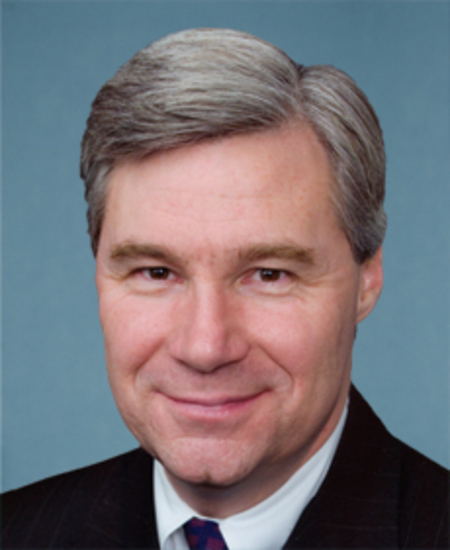
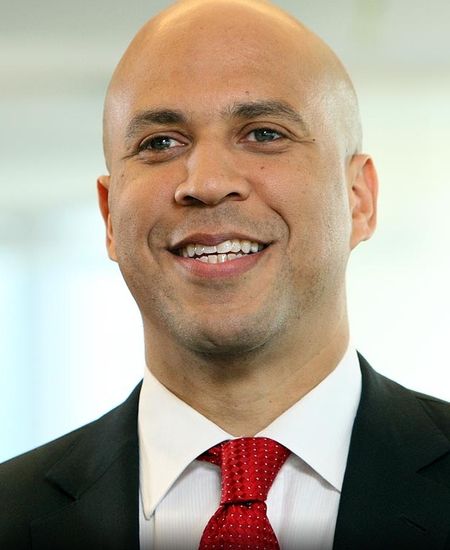
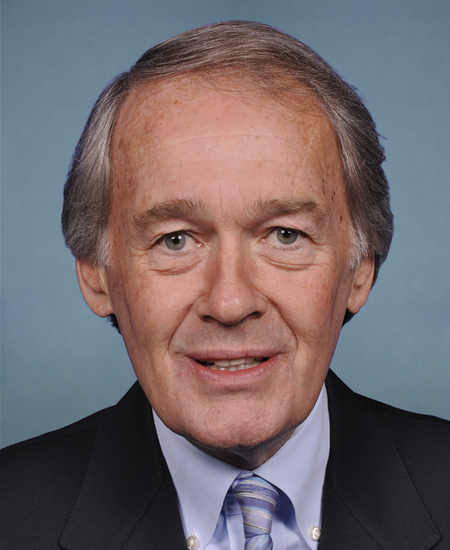
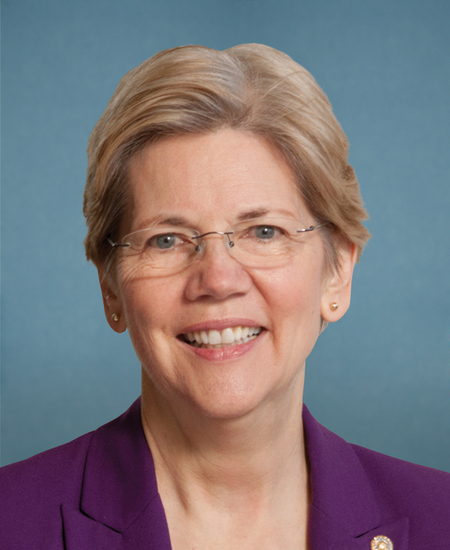
1 primary · 8 co-sponsors
Sponsors


Ask Maddy
·
AI policy assistant
Ask Maddy about S 1198
Scope: US
Hi! I can help you understand S 1198. What would you like to know?
Try one of these
i
Maddy answers using official bill text and legislative records. Always verify before sharing.
Sources cited inline