Issue · Environment

Environment

Every environment bill, vote, and legislator stance in United States, automatically classified by Maddy, our AI policy reader.

Total bills
1,978
119th Congress
Top supporter
Aisha Wahab
100% support rate
Top opponent
Marsha Blackburn
11% support rate
Ranked legislators
10
5 support · 5 oppose
Key legislators

Who's moving environment in United States

Legislators moving environment in United States
Legislator Party Stance Support rate Decisive votes
Aisha Wahab
Aisha Wahab House · District 14
D
Strong +
100% 7
Everton Blair Jr.
Everton Blair Jr. House · District 13
D
Strong +
89% 9
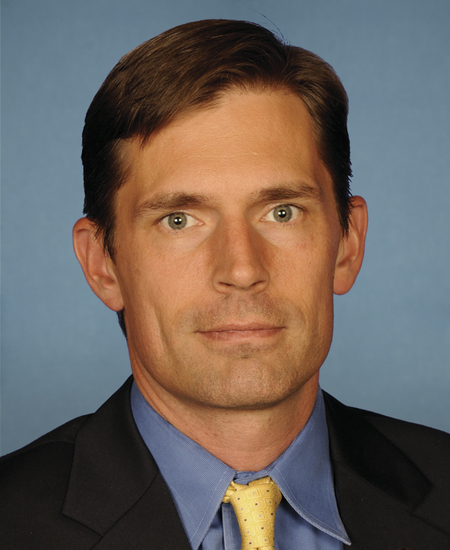
Martin Heinrich
Martin Heinrich Senate
D
Strong +
84% 37
Adam B. Schiff
Adam B. Schiff Senate
D
Support
79% 53
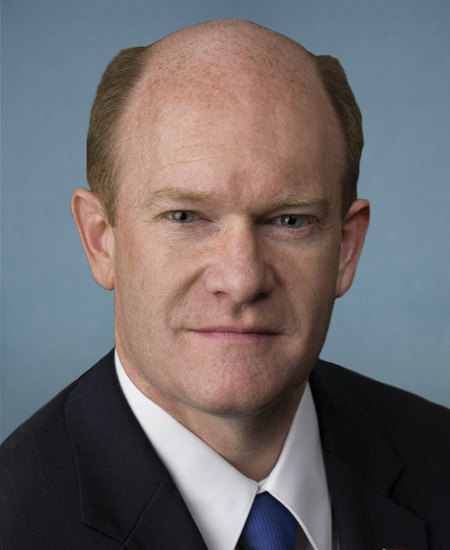
Christopher A. Coons
Christopher A. Coons Senate
D
Support
79% 52
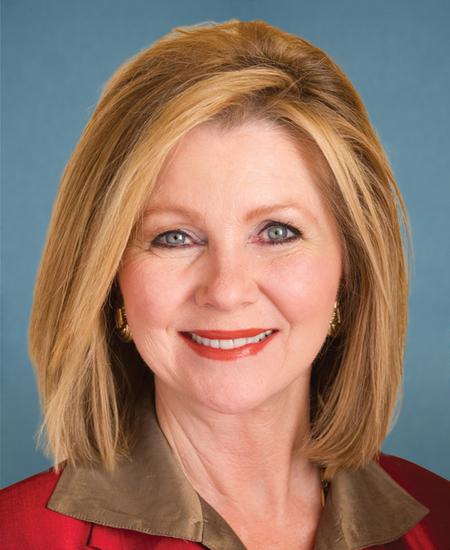
Marsha Blackburn
Marsha Blackburn Senate
R
Strong −
11% 36
Ted Budd
Ted Budd Senate
R
Strong −
20% 40
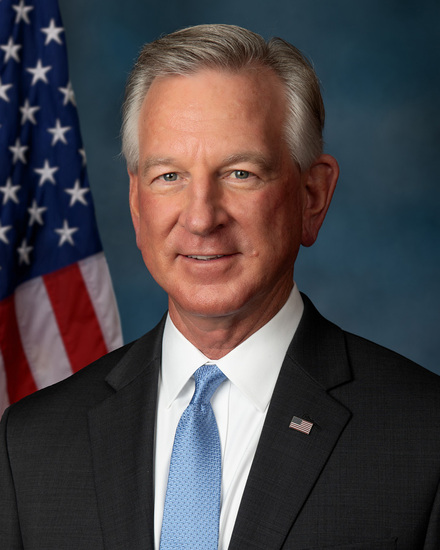
Tommy Tuberville
Tommy Tuberville Senate
R
Oppose
21% 53
Bill Cassidy
Bill Cassidy Senate
R
Oppose
22% 54
Jerry Moran
Jerry Moran Senate
R
Oppose
23% 53
Showing 151–160 of 1,978 bills

All environment bills

in committee · United States · Senate Jul 16, 2026

SRES 806: A resolution designating July 2026 as "Plastic Pollution Action Month".

This resolution designates July 2026 as "Plastic Pollution Action Month" to raise awareness about the environmental and health risks associated with plastic waste. The bill recognizes that plastic pollution harms marine life and human health, citing statistics on ocean contamination and the presence of microplastics in the human body. It encourages all individuals in the United States to participate in activities aimed at reducing plastic use and cleaning up litter during the designated month. The measure does not create new laws or regulations but serves to highlight the issue and promote voluntary action.
Sub-Topics Recycling
in committee · United States · House Jul 16, 2026

HR 9740: Critical Materials Processing Technology Testbed Act

This bill directs the Department of Energy to create a competitive facility called the Critical Materials Processing Technology Testbed to develop and test new methods for processing essential raw materials. The Testbed will focus on improving technologies to reduce energy use, water consumption, pollution, and costs while enhancing worker safety and waste management. Funding of $150 million for 2027 and $25 million annually through 2031 is authorized to support the facility, which may be located at one or more sites involving national laboratories, universities, and private companies. The program includes requirements to transfer research results to industry and ensure that intellectual property remains within the United States.
Sub-Topics Waste Management
in committee · United States · Senate Jul 13, 2026

S 4956: Farmers and Ranchers Relief Act of 2026

The Farmers and Ranchers Relief Act of 2026 aims to simplify the permitting process for landowners by changing how federal rules regarding the discharge of dredged or fill material are interpreted. Specifically, the bill directs regulators to broadly allow discharges that do not harm fish or wildlife while strictly limiting the ability to revoke permits later. By amending the Clean Water Act, the legislation seeks to reduce the number of required permits for agricultural and ranching activities involving earth-moving or water management. These changes are intended to provide more flexibility for farmers and ranchers without altering the underlying environmental protections of the law.
Sub-Topics Water Quality Wildlife
in committee · United States · Senate Jul 15, 2026

S 4949: Water Resources Development Act of 2026

The Water Resources Development Act of 2026 authorizes the Army Corps of Engineers to conduct numerous feasibility studies and modify existing projects focused on flood risk management, coastal storm protection, navigation improvements, and ecosystem restoration across the United States. It establishes new grant programs and funding authorizations for the Environmental Protection Agency to support drinking water and wastewater infrastructure, including specific provisions for small and disadvantaged communities, lead reduction, and cybersecurity resilience. The legislation also directs the EPA to create initiatives for water sector cybersecurity, combats plastic waste, and updates regulations regarding nonpotable aquifer use for industrial wells.
in committee · United States · House Jul 14, 2026

HR 9618: DEF Act

The Diesel Engine Flexibility Act establishes a ten-year regulatory stability period for diesel engines used in on-road vehicles, non-road equipment, and heavy-duty trucks. During this time, the Environmental Protection Agency is prohibited from issuing new or stricter emission standards beyond the 2007 and 2010 rules for on-road vehicles, or the Tier 4 rules for non-road engines, unless specific exceptions for repairs or fraud enforcement apply. After the decade concludes, any new regulations must include a five-year delay before taking effect and must consider the financial and operational impacts on vehicle owners and manufacturers. The bill also provides legal protection for manufacturers using specific guidance documents to manage engine performance and monitor fluid quality without facing penalties.
Sub-Topics Roads & Highways
passed · United States · House Sep 16, 2026

HR 9616: EMRTAI Authorization Act of 2026

The EMRTAI Authorization Act of 2026 directs the Environmental Protection Agency to create a program that investigates methods for finding and recovering critical materials from contaminated sites. This initiative allows the EPA to provide funding to states, local governments, tribes, nonprofits, and private entities to support these recovery efforts and monitor environmental cleanup. The program is limited to a total of $10 million per year, with no single recipient receiving more than $3 million, and grants are evaluated based on their potential to strengthen domestic supply chains and protect human health. The authority to run this program will end ten years after the bill is enacted.
Sub-Topics Hazardous Materials
in committee · United States · House Jul 14, 2026

HR 9663: State Standing Committee Act

This bill creates a new State Standing Committee within the Environmental Protection Agency to provide scientific and technical advice on major environmental laws. The committee will consist of unpaid, voluntary members from every state, federal district, territory, and federally recognized tribe, who must be employees of local environmental or natural resource agencies. Members will offer advice to the EPA Administrator and the Science Advisory Board on specific issues like air and water quality, with the Administrator required to publish these views online within 30 days. Additionally, the bill updates reporting requirements so the EPA must annually submit reports on the committee's activities to Congress. The Federal Advisory Committee Act will not apply to this new group, and the Science Advisory Board will also be required to report its activities to Congress.
Sub-Topics Water Quality
in committee · United States · House Jul 9, 2026

HR 9631: Bear Poaching Elimination Act

The Bear Poaching Elimination Act prohibits the import, export, and interstate trade of bear internal organs and products, aiming to stop the commercial demand that drives poaching. This law specifically targets items like gallbladders used in traditional medicine and cosmetics, while explicitly excluding blood and brains from the ban. The legislation applies to individuals, businesses, and government entities, with exceptions only for wildlife law enforcement and specific Native American traditional rituals. Violations can result in criminal prison time, civil fines up to $25,000 per offense, and the seizure of the illegal items. The bill also requires the Secretary of the Interior to continue international discussions to reduce the global trade in bear parts.
Sub-Topics Wildlife
passed · United States · House Sep 16, 2026

HR 9617: CHARM Act

The CHARM Act directs the Environmental Protection Agency to create a National Critical Mineral Recovery Strategy aimed at coordinating federal efforts to extract essential minerals from discarded materials and mining waste. This strategy requires the agency to identify existing programs, overcome legal and technological barriers, and ensure that recovery methods protect human health and the environment. The bill mandates that the EPA report its findings and actions to Congress every two years, including recommendations for future legislation to support these recovery efforts. Ultimately, the law seeks to strengthen domestic supply chains by systematically evaluating opportunities to reuse critical minerals found in waste streams.
passed · United States · House Sep 16, 2026

HR 9615: BRACE Act

The BRACE Act updates federal regulations to improve how lithium-ion batteries are managed and recycled in the United States. It requires facilities that store these batteries before recycling them to follow stricter safety and record-keeping rules similar to those for large industrial waste handlers. Additionally, the bill modernizes existing laws by replacing outdated references with current environmental protection standards. These changes directly impact businesses and organizations involved in the collection, storage, and recycling of lithium-ion batteries.
Sub-Topics Recycling
Showing 151 to 160 of 1,978 bills
Previous 1 15 16 17 198 Next