

Issue · Environment
Environment
Every environment bill, vote, and legislator stance in United States, automatically classified by Maddy, our AI policy reader.
Total bills
1,989
119th Congress
Top supporter
Aisha Wahab
100% support rate
Top opponent
Marsha Blackburn
11% support rate
Ranked legislators
10
5 support · 5 oppose
Key legislators
Who's moving environment in United States
| Legislator | Party | Stance | Support rate | Decisive votes |
|---|---|---|---|---|

Aisha Wahab
House · District 14
|
D |
Strong +
|
100% | 7 |

Everton Blair Jr.
House · District 13
|
D |
Strong +
|
89% | 9 |

Martin Heinrich
Senate
|
D |
Strong +
|
84% | 37 |

Adam B. Schiff
Senate
|
D |
Support
|
79% | 53 |

Christopher A. Coons
Senate
|
D |
Support
|
79% | 52 |

Marsha Blackburn
Senate
|
R |
Strong −
|
11% | 36 |

Ted Budd
Senate
|
R |
Strong −
|
20% | 40 |
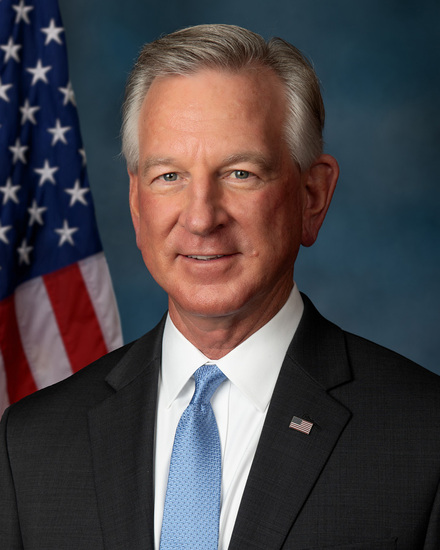
Tommy Tuberville
Senate
|
R |
Oppose
|
21% | 53 |

Bill Cassidy
Senate
|
R |
Oppose
|
22% | 54 |
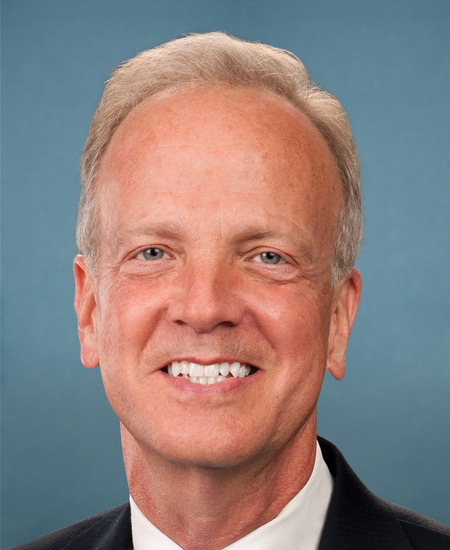
Jerry Moran
Senate
|
R |
Oppose
|
23% | 53 |
Showing 1,451–1,460 of 1,989
bills
All environment bills
S 1422: Farmer First Fuel Incentives Act
Topics
✓ Budget & TaxesSupports Budget & TaxesBill extends clean fuel tax credit deadline to 2034 and adjusts eligibility, maintaining tax incentives for domestic biofuel producers under Budget & Taxes.
✓ EnergySupports EnergyExtends clean fuel tax credits until 2034, requires domestic feedstocks, and excludes land use emissions to promote renewable biofuel production.
✗ EnvironmentOpposes EnvironmentExcludes indirect land use change emissions from credit calculations, weakening environmental standards by removing a key metric for biofuel carbon footprint assessment.
✓ TransportationSupports TransportationExtends clean fuel tax credits and promotes domestic biofuels, aligning with sustainable transportation policies by incentivizing cleaner vehicle fuels.
HR 6163: Determination of NEPA Adequacy Streamlining Act
Topics
✗ EnvironmentOpposes EnvironmentStreamlines NEPA reviews by reusing past assessments, reducing environmental review rigor and potentially weakening protections for new projects.
✓ TransportationSupports TransportationStreamlines NEPA reviews for transportation infrastructure projects, reducing approval delays and accelerating development of roads/highways.
Sub-Topics
Natural Disasters
HR 3166: Local Food Recycling and Regenerative Opportunities Act
Topics
✓ Budget & TaxesSupports Budget & TaxesBill creates 30% federal tax credit for homeowners on food recycling appliances/services, providing direct tax relief to individual taxpayers while capping benefits at $300/$120, aligning with tax relief indicators for middle/lower income.
✓ EnvironmentSupports EnvironmentProvides tax credits for food waste recycling, reducing landfill methane emissions and promoting organic waste diversion - direct environmental benefit.
HR 311: Restoring Fuel Market Freedom Act of 2025
Topics
✗ Budget & TaxesOpposes Budget & TaxesRepeals federal tax credits for fuel producers, removing tax incentives and reducing government spending on subsidies.
✗ EnergyOpposes EnergyRepeals tax credits for renewable fuels (biodiesel, SAF, clean fuel), removing financial incentives and weakening clean energy standards.
✗ EnvironmentOpposes EnvironmentRepeals tax credits for clean fuels (biodiesel, sustainable aviation fuel), removing financial incentives that support environmental goals and reduce emissions.
✗ TransportationOpposes TransportationRepeals tax credits for sustainable fuels (biodiesel, SAF), defunding alternative fuel incentives critical to transportation sustainability
S 378: Expediting Hazard Mitigation Assistance Projects Act
Sub-Topics
Coastal & Flood Protection
Hazardous Materials
Natural Disasters
Tags
Emergency Management
HR 6826: Critical Minerals Independence Act
Topics
✓ Budget & TaxesSupports Budget & TaxesExpands federal tax credit for battery recycling manufacturers, providing tax incentive to advance manufacturing sector within fiscal policy.
✓ EnergySupports EnergyExpands tax credits for battery recycling (lithium/nickel/cobalt recovery), enabling cleaner energy storage infrastructure and reducing reliance on imported minerals for renewables.
✓ EnvironmentSupports EnvironmentExpands tax credit for battery recycling, promoting resource conservation and reducing mining impacts by enabling reuse of lithium/nickel/cobalt from spent batteries.
✓ TechnologySupports TechnologyBill expands tax credits for battery recycling and advanced manufacturing, supporting sustainable technology infrastructure and reducing reliance on foreign critical minerals.
✓ TransportationSupports TransportationBill expands tax credit for recycling EV battery materials (lithium, nickel, cobalt), enabling sustainable transportation supply chain by supporting electric vehicle battery recycling infrastructure.
S 395: Emergency Fuel Reduction Act of 2025
HR 7734: Land Grant Research Prioritization Act of 2026
Topics
✓ EnvironmentSupports EnvironmentBill prioritizes sustainable aquaculture (environmental conservation) and invasive species management (ecosystem protection), directly advancing environmental goals.
✓ TechnologySupports TechnologyFunds AI applications in farming and mechanized harvesting tech for specialty crops, directly advancing agricultural technology priorities.