Issue · Environment

Environment

Every environment bill, vote, and legislator stance in United States, automatically classified by Maddy, our AI policy reader.

Total bills
2,003
119th Congress
Top supporter
Aisha Wahab
100% support rate
Top opponent
Marsha Blackburn
11% support rate
Ranked legislators
10
5 support · 5 oppose
Key legislators

Who's moving environment in United States

Legislators moving environment in United States
Legislator Party Stance Support rate Decisive votes
Aisha Wahab
Aisha Wahab House · District 14
D
Strong +
100% 7
Everton Blair Jr.
Everton Blair Jr. House · District 13
D
Strong +
89% 9
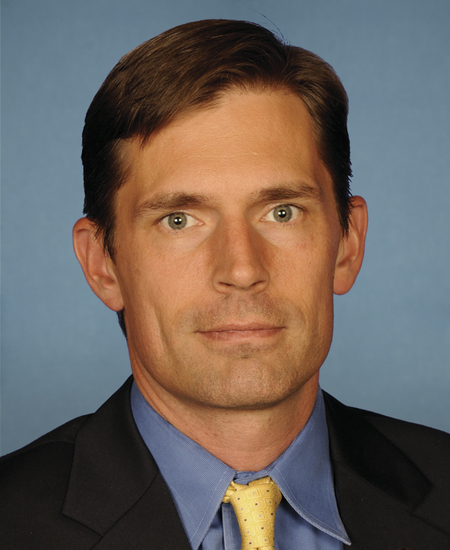
Martin Heinrich
Martin Heinrich Senate
D
Strong +
84% 37
Adam B. Schiff
Adam B. Schiff Senate
D
Support
79% 53
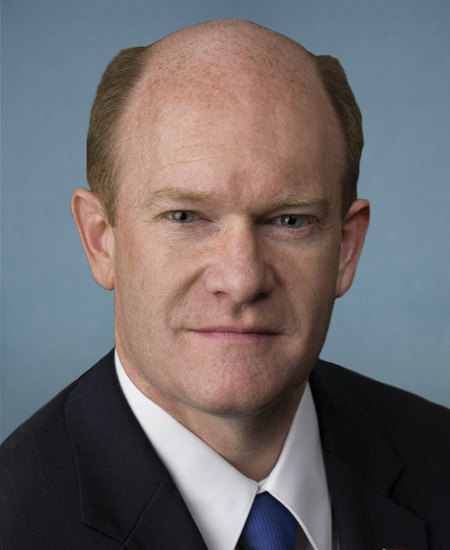
Christopher A. Coons
Christopher A. Coons Senate
D
Support
79% 52
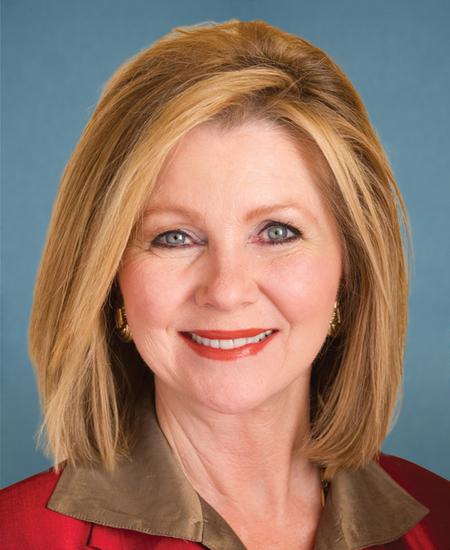
Marsha Blackburn
Marsha Blackburn Senate
R
Strong −
11% 36
Ted Budd
Ted Budd Senate
R
Strong −
20% 40
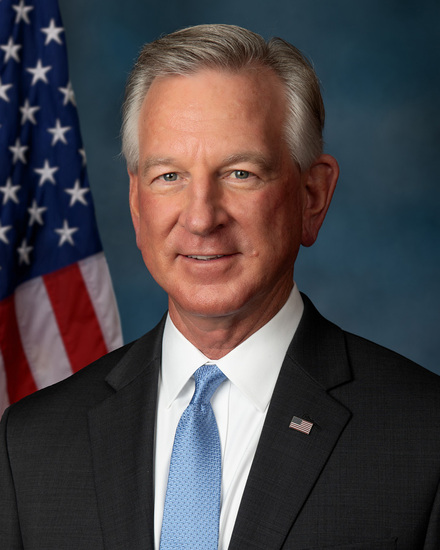
Tommy Tuberville
Tommy Tuberville Senate
R
Oppose
21% 53
Bill Cassidy
Bill Cassidy Senate
R
Oppose
22% 54
Jerry Moran
Jerry Moran Senate
R
Oppose
23% 53
Showing 1,341–1,350 of 2,003 bills

All environment bills

in committee · United States · House Jun 24, 2025

HR 4108: Refuge From Cruel Trapping Act

HR 4108, the Refuge From Cruel Trapping Act, bans the possession or use of body-gripping traps (traps that kill or severely injure wildlife) in National Wildlife Refuges. It directly affects visitors, hunters, and trappers using such traps within refuge boundaries, with limited exceptions for federal agencies managing invasive species or endangered wildlife, dismantling traps, Alaska-specific use, and tribal subsistence hunting. The bill includes penalties of up to $500 per trap, potential jail time, and forfeiture of traps or captured wildlife for violations. It requires the Secretary of the Interior to issue implementing regulations within 120 days but takes effect 120 days after enactment.
Sub-Topics Conservation Wildlife
in committee · United States · House Mar 5, 2025

HR 1881: Methane Reduction and Economic Growth Act

HR 1881, the Methane Reduction and Economic Growth Act, creates a new tax credit for businesses that capture methane emissions from mining operations. It directly affects mining facilities (including underground, abandoned, or surface mines) that install methane capture equipment and capture at least 2,500 metric tons of methane annually. The bill provides a tax credit by modifying existing carbon capture tax rules to apply specifically to methane, requiring captured methane to be used for energy (e.g., in pipelines meeting safety standards or for industrial heat) with minimal atmospheric release. The credit applies to methane captured after December 2024, aiming to incentivize reducing methane emissions from mining sources.
Sub-Topics Tax Credits Coal
in committee · United States · Senate Jan 30, 2025

S 341: Smoke and Heat Ready Communities Act of 2025

This bill creates federal grants to help communities prepare for wildfire smoke and extreme heat. It provides funding for air pollution agencies to monitor air quality, install air filtration in public buildings, distribute protective equipment like N95 masks, and conduct community outreach in vulnerable areas. The bill also establishes research centers at universities to study health impacts and develop better response strategies, and creates a competitive grant program for states, tribes, and local governments to develop community-specific smoke and heat mitigation plans. These provisions directly affect communities facing wildfire smoke and extreme heat risks, particularly those with limited resources.
in committee · United States · House Dec 2, 2025

HR 6143: PRECISE Act

The PRECISE Act amends existing agricultural programs to specifically support farmers adopting precision agriculture practices and technology. It expands eligibility under the Conservation Loan Program (Section 304 of the Farm and Rural Development Act) for loans covering precision agriculture tools like GPS guidance, soil sensors, and data software. Farmers using these loans can also receive increased payments through the Environmental Quality Incentives Program (EQIP), with costs for precision agriculture practices covered up to 90% of expenses. The bill directly affects agricultural producers seeking to improve efficiency, reduce input waste, and enhance environmental outcomes through technology adoption.
Sub-Topics Conservation
passed · United States · House Jan 12, 2026

HR 5184: Affordable HOMES Act

This bill repeals federal energy efficiency standards for manufactured housing that were set to take effect in 2022. It specifically nullifies a Department of Energy rule published in May 2022, removing requirements for energy conservation in manufactured homes. The change directly affects manufacturers and buyers of manufactured housing by eliminating these new efficiency mandates. The bill does not establish new standards but removes existing ones from the Energy Independence and Security Act of 2007.
in committee · United States · House Apr 30, 2025

HR 3110: PFAS–Free Procurement Act of 2025

This bill prohibits U.S. federal executive agencies from renewing or entering contracts for specific consumer products containing PFOS or PFOA (types of harmful PFAS chemicals) after its effective date. Covered items include nonstick cookware, cooking utensils, and furniture/carpet treated with stain-resistant coatings. Agencies must prioritize purchasing PFAS-free alternatives when available and practical for these items. The law applies to all contracts entered into six months after enactment.
Sub-Topics Drinking Water
in committee · United States · Senate Jan 23, 2025

S 238: FREE Act

The FREE Act (S 238) changes how federal agencies issue permits by replacing discretionary, lengthy reviews with a "permitting by rule" system. Agencies must first report on all permit types, then establish clear written standards applicants certify they meet - eliminating detailed agency reviews for qualifying permits. If applicants meet all standards, permits auto-approve after 180 days unless the agency disapproves with specific reasons. This directly affects federal agencies (like the EPA or Corps of Engineers) and permit applicants (e.g., businesses, developers), shifting oversight to post-approval audits instead of pre-approval gatekeeping.
in committee · United States · House Feb 4, 2026

HR 7370: REUSE Act of 2026

HR 7370, the REUSE Act of 2026, requires the Environmental Protection Agency (EPA) to produce a public report within two years of enactment. The report must evaluate the feasibility, best practices, and economic impacts of reuse and refill systems for products like food, beverages, cleaning supplies, and shipping containers across sectors including retail, education, and waste management. It specifically examines job creation opportunities, cost-benefit analyses for businesses and waste management, equitable distribution strategies, and barriers to implementation. The bill does not create new regulations but mandates this study to inform future policy decisions on sustainable product systems.
passed · United States · House Apr 17, 2026

HR 6409: FENCES Act

The FENCES Act clarifies that states can avoid penalties under the Clean Air Act for failing to meet air quality standards if pollution originates from outside U.S. borders (regardless of human activity). It allows states to demonstrate to the EPA that nonattainment areas (for ozone or particulate matter) would meet standards but for pollution from outside their borders, exceptional events, or mobile sources beyond their control. States must renew this demonstration every five years to maintain the exemption from sanctions or fees. The bill does not change air quality standards but prevents penalties for pollution sources outside a state’s jurisdiction. It applies directly to states and local areas struggling with air quality due to external pollution sources.
Sub-Topics Air Quality Forestry
in committee · United States · House May 13, 2025

HR 3346: Sovereign State Environmental Quality Assurance Act

HR 3346 would eliminate the federal Environmental Protection Agency (EPA) 270 days after the bill becomes law, transferring its environmental responsibilities to state and territorial agencies. The bill allocates $4.4 billion annually (2026-2029) to states based on population for programs covering air/water quality, waste management, chemical safety, and contaminated site cleanup. States must designate a specific environmental department to manage funds, undergo audits, and repay misused funds. This directly affects all 50 states, the District of Columbia, and U.S. territories by replacing federal oversight with state-administered environmental programs.
Showing 1,341 to 1,350 of 2,003 bills