Issue · Environment

Environment

Every environment bill, vote, and legislator stance in United States, automatically classified by Maddy, our AI policy reader.

Total bills
1,501
119th Congress
Top supporter
Aisha Wahab
100% support rate
Top opponent
Marsha Blackburn
11% support rate
Ranked legislators
10
5 support · 5 oppose
Key legislators

Who's moving environment in United States

Legislators moving environment in United States
Legislator Party Stance Support rate Decisive votes
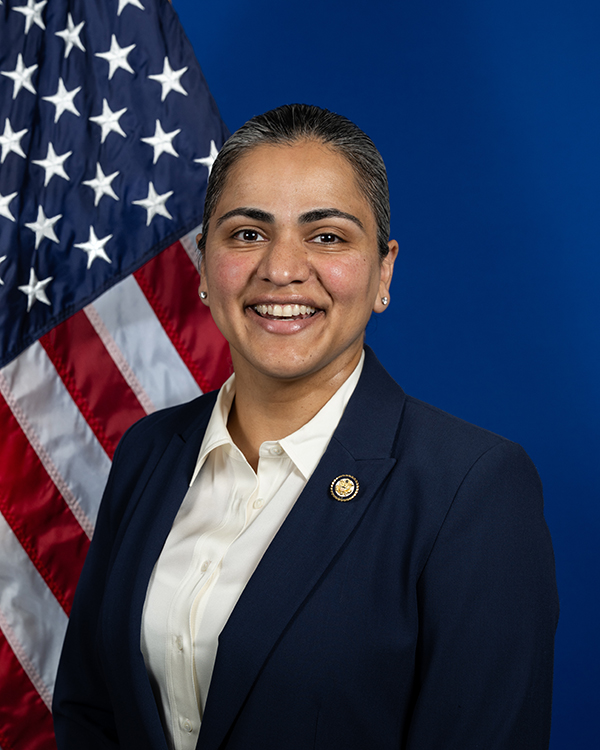
Aisha Wahab
Aisha Wahab House · District 14
D
Strong +
100% 7
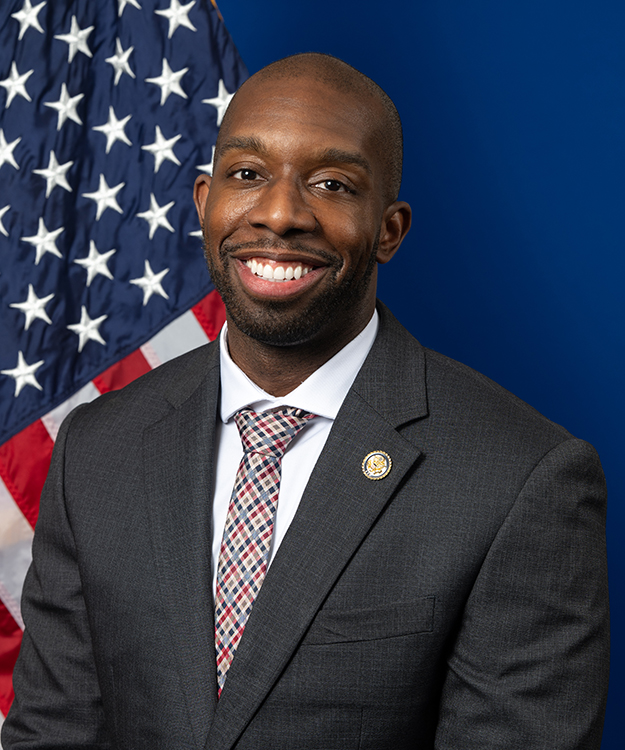
Everton Blair Jr.
Everton Blair Jr. House · District 13
D
Strong +
89% 9
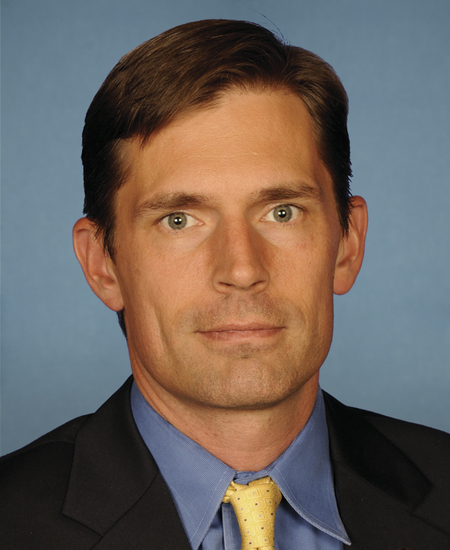
Martin Heinrich
Martin Heinrich Senate
D
Strong +
84% 37
Adam B. Schiff
Adam B. Schiff Senate
D
Support
79% 53
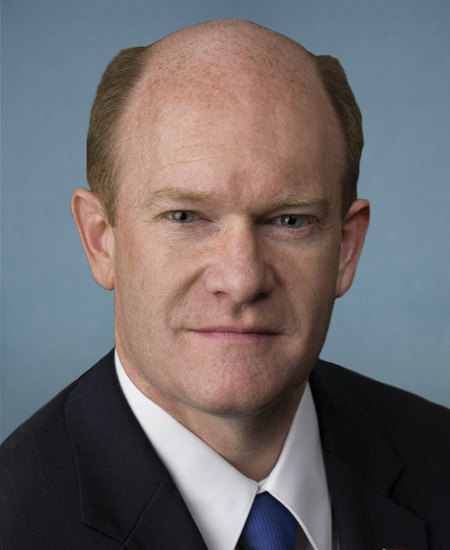
Christopher A. Coons
Christopher A. Coons Senate
D
Support
79% 52
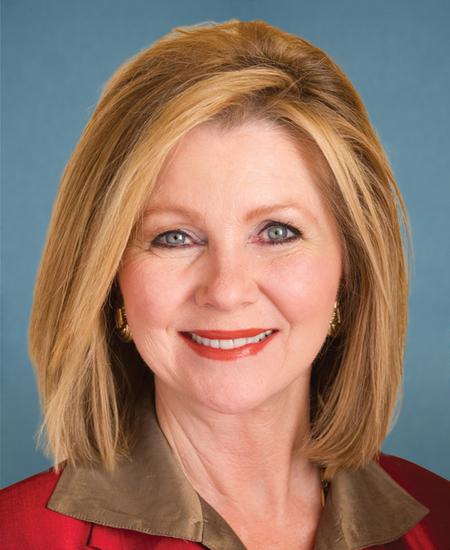
Marsha Blackburn
Marsha Blackburn Senate
R
Strong −
11% 36
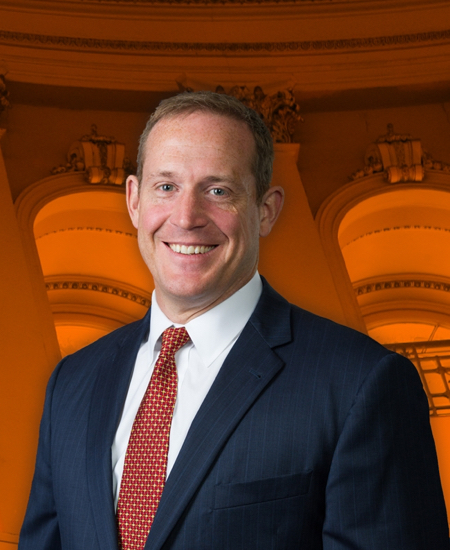
Ted Budd
Ted Budd Senate
R
Strong −
20% 40
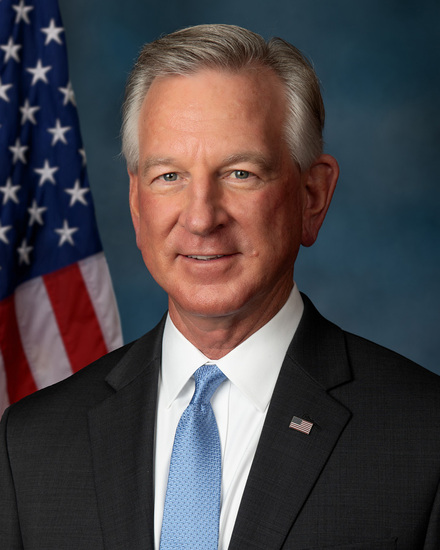
Tommy Tuberville
Tommy Tuberville Senate
R
Oppose
21% 53
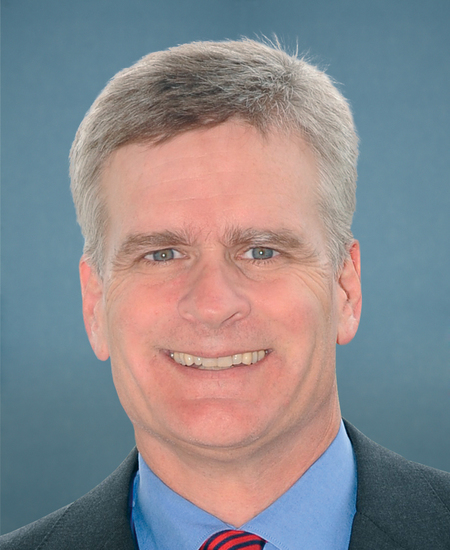
Bill Cassidy
Bill Cassidy Senate
R
Oppose
22% 54
Jerry Moran
Jerry Moran Senate
R
Oppose
23% 53
Showing 991–1,000 of 1,501 bills

All environment bills

in committee · United States · Senate Feb 5, 2025

S 416: Marsh-Billings-Rockefeller National Historical Park Establishment Act Amendments Act of 2025

S 416 amends the Marsh-Billings-Rockefeller National Historical Park Act to expand the park’s boundaries, incorporating specific areas like the historic mansion complex, Billings Farm and Museum, and the King Farm (split between historic and protection zones). It clarifies land acquisition rules, allowing the National Park Service to acquire land via donation, purchase, or exchange, and specifies that the King Farm must be used for agriculture, conservation, and educational purposes that maintain its historic character. The bill also establishes the National Park Service Stewardship Institute at the park to promote workshops and best practices in conservation stewardship. These changes directly affect park management, landowners within the expanded boundaries, and the ongoing operations of the King Farm and Billings Farm.
in committee · United States · House Nov 7, 2025

HR 5970: Save Our Ships Act

This bill creates the Historic Naval Ship Preservation Grant Program under the Department of the Interior to fund the physical preservation of decommissioned military vessels displayed at public sites like museums and memorials. It authorizes $5 million annually for competitive grants to state/local governments or nonprofits managing these "covered sites," covering vessel repairs, environmental protection, and education programs related to shipbuilding and submarine careers. The program directly supports organizations that maintain historic military vessels, ensuring public access to these educational resources. It does not alter existing vessel ownership or military operations but provides dedicated funding for their upkeep and educational use.
Sub-Topics Conservation
in committee · United States · House Jul 29, 2025

HR 4800: Fisheries Modernization Act of 2025

HR 4800, the Fisheries Modernization Act of 2025, expands eligibility for fishery disaster relief by adding "infrastructure-related cause" to the definition of qualifying events under the Magnuson-Stevens Act. This specifically covers disruptions caused by Federal or State infrastructure failures (like flood control systems, levees, or spillways) that impact commercial or subsistence fisheries, habitat, or water quality. The bill explicitly includes the red swamp crawfish and white river crawfish fisheries in eligibility requirements, requiring information on hydrological conditions, water quality, or environmental disruptions affecting them. It does not change existing relief for marine or anadromous fisheries but clarifies that infrastructure-related events now qualify for assistance.
in committee · United States · House Sep 4, 2025

HR 5151: Quiet Communities Act of 2025

The Quiet Communities Act of 2025 reestablishes the Environmental Protection Agency’s Office of Noise Abatement and Control, which was defunded in 1982. This office will provide grants to states for local noise control programs, conduct national research on noise health impacts, develop public education materials, and create regional technical assistance centers. The bill authorizes $25 million annually (2026-2030) to fund these activities, directly supporting communities affected by noise pollution - particularly the estimated 28 million U.S. residents with hearing impairments linked to noise exposure. It emphasizes state/local solutions, market incentives, and coordination with other agencies to address noise from aircraft, traffic, and other sources.
in committee · United States · House Jan 13, 2026

HR 4892: Seedlings for Sustainable Habitat Restoration Act of 2025

This bill authorizes the U.S. Forest Service to fund contracts and grants with state forestry agencies, local nonprofits, universities, tribal governments, and regional coalitions to collect native seeds and produce seedlings for ecosystem restoration. It specifically directs these funds toward activities like maintaining seed orchards and growing seedlings for replanting vegetation in degraded landscapes. The law modifies existing programs under the Infrastructure Investment and Jobs Act and the Public Land Management Act to include these seed and seedling initiatives. This directly supports organizations working on restoring forests, grasslands, and other habitats using locally adapted native plant materials.
in committee · United States · House Nov 29, 2025

HR 6090: FRESHER Act of 2025

The FRESHER Act of 2025 requires the Secretary of the Interior to study stormwater runoff impacts from oil, gas, and mining operations on groundwater and aquifers. It mandates a specific analysis of measurable contamination, groundwater resources, and aquifer susceptibility to contamination in affected areas. The study must be completed within one year of the bill's enactment, with results reported to Congress. This bill directly affects oil, gas, and mining operations by establishing new federal study requirements for their stormwater runoff.
Sub-Topics Water Quality
in committee · United States · House Jan 28, 2025

HR 753: FIRE Act of 2025

HR 753, the FIRE Act of 2025, directs the NOAA Administrator to establish a program improving wildfire forecasting and detection to reduce loss of life and property. The bill requires developing advanced satellite detection, fuel moisture assessments, and coupled fire-atmosphere modeling systems to better predict wildfire spread, smoke dispersion, and enable early detection. It authorizes $15 million for fiscal year 2026 to fund research testbeds for these capabilities, created through NOAA partnerships with industry and academia. This program directly affects communities at wildfire risk, firefighters, and emergency responders by enhancing early warning systems and risk communication.
in committee · United States · House Jul 17, 2025

HR 4526: Waste and Illegal Property Eradication (WIPE) Act

HR 4526, the Waste and Illegal Property Eradication (WIPE) Act, authorizes the Department of Defense to use mobile solid waste disposal systems for destroying illicit contraband like counterfeit goods, unauthorized military equipment, narcotics, and classified materials. It prohibits the use of open-air burn pits for disposing of such items or hazardous waste, replacing that method with the new systems. The bill adjusts funding by adding $8.95 million to Army procurement for these disposal systems while reducing the same amount from Army operations funding previously allocated for burn pit use in contingency operations. This directly affects military installations, border security operations, and partner security forces relying on these disposal methods.
in committee · United States · Senate Dec 9, 2025

S 1926: Reducing Waste in National Parks Act

This bill requires national parks to reduce disposable plastic use by eliminating the sale of single-use plastic water bottles and other items like plastic bags and food containers. It directly affects park visitors (who must bring reusable bottles) and concessioners (like food vendors and shops). Key mechanisms include setting up water refill stations, developing visitor education plans, and requiring regional park directors to consider factors like safety, costs, and concessioner revenue before implementation. Parks must conduct biennial evaluations to track visitor satisfaction, waste reduction, and public health impacts. The law applies to all national park units, with some flexibility for parks already without plastic water sales.
in committee · United States · House Oct 25, 2025

HR 5834: Critical Water Supplies for Resilient Communities Act

This bill amends the Federal Water Pollution Control Act to create permanent federal grants for alternative water source projects, directly affecting communities facing water scarcity or drought risks. It redefines "critical water supply needs" to include publicly engaged plans for comprehensive water supply or drought resiliency, replacing the previous "pilot program" structure. The legislation requires the Administrator to annually report to Congress on funded projects, detailing how each addresses identified water supply needs. These changes shift the program from a temporary pilot to a sustained grant mechanism with specific eligibility criteria and transparency requirements.
Showing 991 to 1,000 of 1,501 bills
Previous 1 … 99 100 101 … 151 Next