Issue · Energy

Energy

Every energy bill, vote, and legislator stance in United States, automatically classified by Maddy, our AI policy reader.

Total bills
883
119th Congress
Top supporter
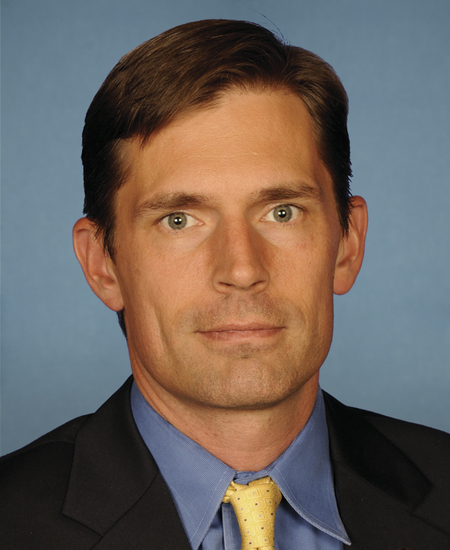
Martin Heinrich
75% support rate
Top opponent
Marsha Blackburn
26% support rate
Ranked legislators
10
5 support · 5 oppose
Key legislators

Who's moving energy in United States

Legislators moving energy in United States
Legislator Party Stance Support rate Votes
Martin Heinrich
Martin Heinrich Senate
D
Support
75% 194
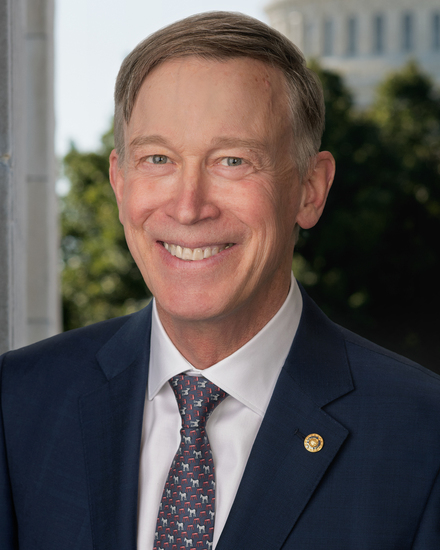
John W. Hickenlooper
John W. Hickenlooper Senate
D
Support
74% 212
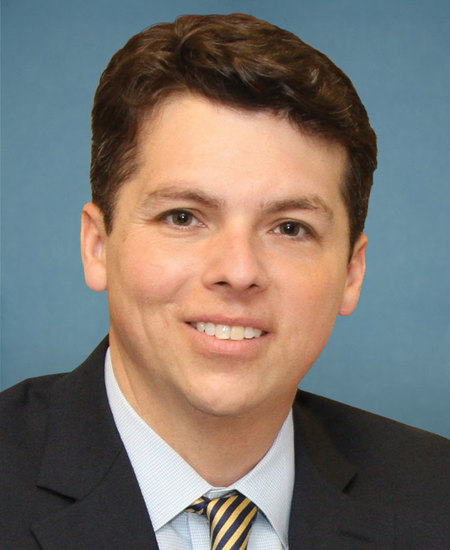
Brendan F. Boyle
Brendan F. Boyle House · District 2
D
Support
73% 253
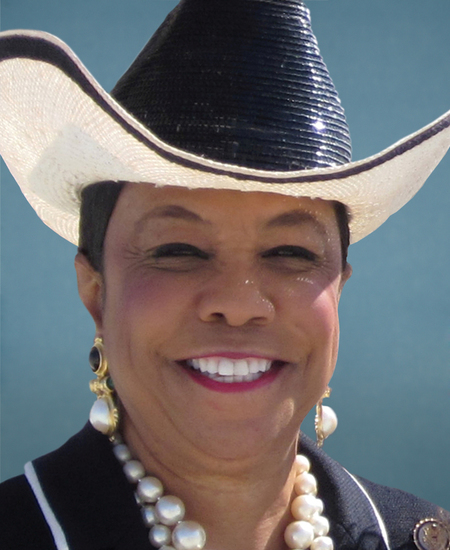
Frederica S. Wilson
Frederica S. Wilson House · District 24
D
Support
73% 188
Jacky Rosen
Jacky Rosen Senate
D
Support
72% 213
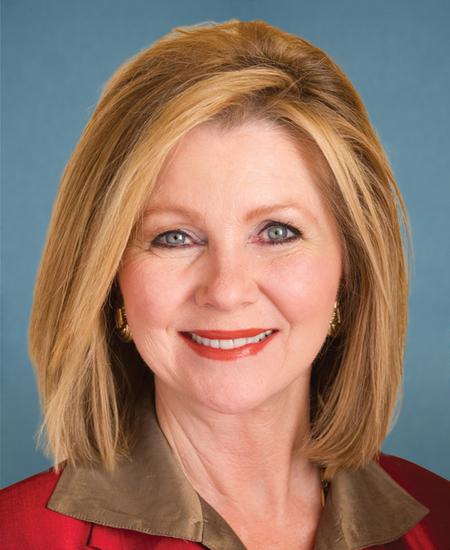
Marsha Blackburn
Marsha Blackburn Senate
R
Oppose
26% 186
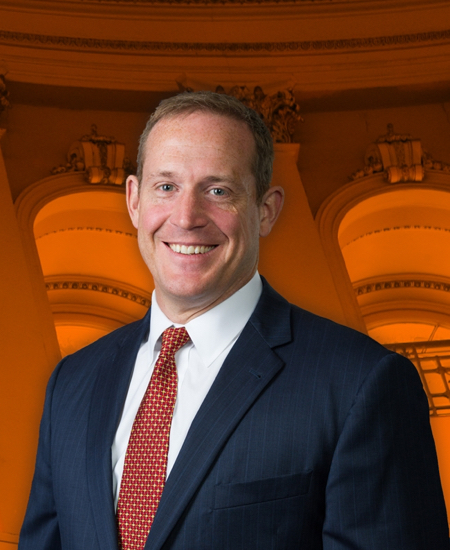
Ted Budd
Ted Budd Senate
R
Oppose
27% 198
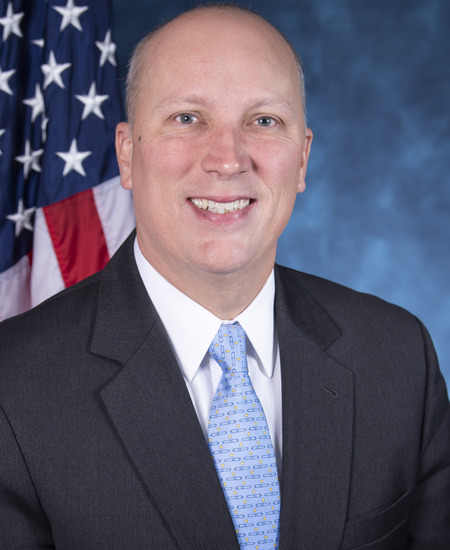
Chip Roy
Chip Roy House · District 21
R
Oppose
27% 251
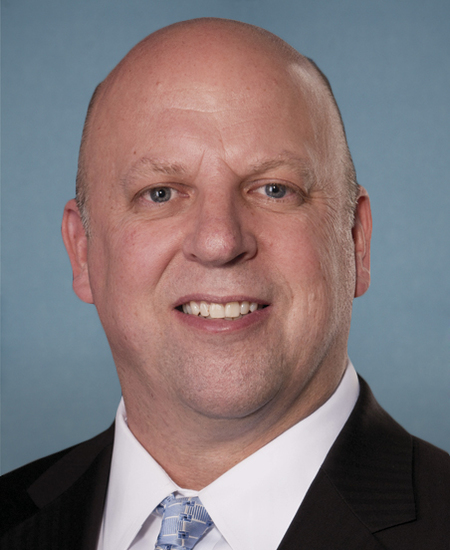
Scott DesJarlais
Scott DesJarlais House · District 4
R
Oppose
29% 256
Mike Johnson
Mike Johnson House · District 4
R
Oppose
29% 194
Showing 21–30 of 883 bills

All energy bills

in committee · United States · House Aug 10, 2026

HR 10081: No Utility Junk Fees Act

The No Utility Junk Fees Act requires states to prohibit regulated electric utilities from charging residential customers fees that exceed the actual cost of processing payments or are applied to free payment methods like mail and in-person services. To enforce these consumer protections, the bill withholds 10 percent of federal energy program funding from any state that fails to adopt laws banning such "spurious charges" and requiring clear disclosure of all billing fees. States must also ensure at least one fee-free payment option is available without internet access and ban fees on automatic recurring payments and electronic fund transfers. The Secretary of Energy will monitor state compliance through annual documentation submissions, with a 90-day cure period provided before financial penalties are applied.
Sub-Topics Utility Regulation
in committee · United States · Senate Aug 6, 2026

S 5338: Energy Efficiency Reform Act of 2026

The Energy Efficiency Reform Act of 2026 mandates that the Department of Energy finalize specific procedural rules for setting appliance efficiency standards, including requirements for comparative economic analysis and longer lead times before new standards can be proposed. The bill significantly restricts the agency’s ability to issue new or stricter regulations by requiring clear evidence that changes are necessary to ensure product availability and prevent market disruptions, while also prohibiting standards that would eliminate consumer-valued features such as specific fuel types or installation methods. Additionally, it extends compliance timelines for manufacturers to at least five years after a rule is published and requires separate efficiency standards for different venting categories of heating equipment. The legislation also strengthens federal preemption over state and local laws regarding the sale and use of energy-efficient products, explicitly preventing jurisdictions from banning appliances based on their fuel source or emissions, and permanently halts new efficiency standard-setting for distribution transformers.
Sub-Topics Energy Efficiency
in committee · United States · Senate Aug 5, 2026

SJRES 207: A joint resolution providing for congressional disapproval under chapter 8 of title 5, United States Code, of the rule submitted by the Environmental Protection Agency relating to "California State Motor Vehicle Pollution Control Standards; Notice of Decision Granting a Waiver of Clean Air Act Preemption for California's Advanced Clean Car Program and a Within the Scope Conformation for California's Zero Emission Vehicle Amendments for 2017 and Earlier Model Years".

This joint resolution seeks to overturn a specific rule issued by the Environmental Protection Agency that allowed California to set its own stricter vehicle emission standards. By using a congressional disapproval mechanism, the bill aims to nullify this waiver, which would otherwise let California enforce unique pollution control requirements for cars and trucks. If passed, the measure would require all states to follow the federal government's uniform vehicle emission rules instead of California's separate standards. The legislation directly impacts automakers, state regulators, and consumers by ensuring a single set of national rules applies to motor vehicle pollution.
in committee · United States · Senate Aug 3, 2026

S 5220: Clean Transportation Jobs and Development Act of 2026

The Clean Transportation Jobs and Development Act of 2026 directs the Department of Energy to expand funding and oversight for battery manufacturing, critical mineral processing, and advanced vehicle technologies through 2031. A primary provision increases the authorized budget for battery processing grants to $6 billion for fiscal years 2027 through 2031, while also requiring applicants to include specific workforce safety and fire prevention plans. The bill establishes a new Office of Critical Minerals and Energy Innovation to coordinate supply chain resilience and manages multiple research programs focused on extreme-fast charging, vehicle safety, and heavy-duty commercial vehicle electrification. Additionally, the legislation authorizes over $3 billion in total funding for these research and development activities across five fiscal years to support domestic manufacturing and reduce reliance on foreign energy sources.
in committee · United States · Senate Jul 30, 2026

S 5195: Green New Deal for Public Schools Act

This bill establishes the Green New Deal for Public Schools Act, which creates new funding streams to help U.S. public schools, including those run by the Bureau of Indian Education, become environmentally sustainable and resilient to climate change. It directs billions of dollars toward retrofitting existing school buildings to be energy-efficient and zero-carbon, constructing new green schools, and hiring local educators and support staff to improve school environments and community partnerships. The legislation also mandates that a significant portion of funds be used in environmental justice communities to address inequities, while requiring contractors to pay prevailing wages and prioritize hiring from local and historically disadvantaged groups. Additionally, the bill sets up a new office within the Department of Education to coordinate these efforts and ensures that schools can serve as community centers during disasters by upgrading infrastructure for power, water, and internet access.
in committee · United States · Senate Jul 29, 2026

S 5170: Carbon Dioxide Removal Leadership Act of 2026

The Carbon Dioxide Removal Leadership Act of 2026 directs the Department of Energy to remove specific quantities of carbon dioxide from the atmosphere each year through 2036 and beyond, with targets increasing from 50,000 to 10 million metric tons annually. The bill defines eligible technologies as those that capture CO2 directly from the air or seawater and store it durably, while excluding methods like enhanced oil recovery or natural photosynthesis. To ensure accuracy, the law requires independent third parties to measure, monitor, and verify removals, with costs included in the price of removal, which must drop from $750 per ton in 2026 to $150 per ton by 2037. The Secretary of Energy must prioritize projects that create domestic jobs, source materials locally, and benefit communities historically dependent on fossil fuels, while reserving at least 20 percent of removals for smaller projects. Additionally, the act mandates regular reports to Congress on progress and authorizes funding to carry out these removal obligations.
Sub-Topics Oil & Gas
in committee · United States · Senate Aug 5, 2026

SJRES 208: A joint resolution providing for congressional disapproval under chapter 8 of title 5, United States Code, of the rule submitted by the Environmental Protection Agency relating to "California State Motor Vehicle Pollution Control Standards; Advanced Clean Car Program; Reconsideration of a Previous Withdrawal of a Waiver of Preemption; Notice of Decision".

This bill allows Congress to reject a specific rule issued by the Environmental Protection Agency that concerns vehicle pollution standards in California. The measure would effectively cancel the EPA's decision to reinstate a waiver that previously let California set its own stricter air quality rules for cars. If passed, the rule would have no legal force, meaning California would lose the ability to enforce its Advanced Clean Car Program under the current framework. The legislation directly impacts the relationship between federal environmental regulations and state-level automotive policies.
in committee · United States · Senate Aug 6, 2026

SJRES 209: A joint resolution providing for congressional disapproval under chapter 8 of title 5, United States Code, of the rule submitted by the Environmental Protection Agency relating to "California State Nonroad Engine Pollution Control Standards; Ocean-Going Vessels At-Berth; Notice of Decision".

This joint resolution seeks to disapprove a specific rule issued by the Environmental Protection Agency regarding pollution control standards for nonroad engines used in ocean-going vessels while they are at berth. If passed, the measure would legally void the EPA rule, preventing it from taking effect or continuing to apply to the shipping industry. The bill directly impacts the Environmental Protection Agency and maritime operators subject to these emission regulations by removing the federal mandate associated with the California standards.
in committee · United States · Senate Jul 23, 2026

S 5118: Local Input Act

The Local Input Act requires the Secretary of the Interior to actively engage with the public, state and local governments, and federally recognized tribes before offering federal land for oil or gas leasing. This process mandates that officials publicly disclose leasing proposals and analyze potential impacts on land resources and other uses, while also providing a specific opportunity for community comment. The bill empowers the Secretary to decide against leasing a parcel if the gathered input suggests it should not be offered. These changes directly affect federal land management decisions and increase the role of local stakeholders in energy development on public lands.
Sub-Topics Oil & Gas Public Lands
in committee · United States · House Aug 6, 2026

HJRES 210: Providing for congressional disapproval under chapter 8 of title 5, United States Code, of the rule submitted by the Environmental Protection Agency relating to "California State Nonroad Engine Pollution Control Standards; Ocean-Going Vessels At-Berth; Notice of Decision".

This bill proposes to reject a specific rule issued by the Environmental Protection Agency regarding pollution control standards for ocean-going vessels at ports in California. If passed, the measure would use a congressional veto to cancel the rule, preventing it from taking legal effect. The legislation directly impacts the EPA's ability to enforce these specific emission limits and affects shipping companies and ports in California that would have been subject to the new standards.
Showing 21 to 30 of 883 bills
Previous 1 2 3 4 89 Next