Issue · Education

Education

Every education bill, vote, and legislator stance in United States, automatically classified by Maddy, our AI policy reader.

Total bills
1,063
119th Congress
Top supporter
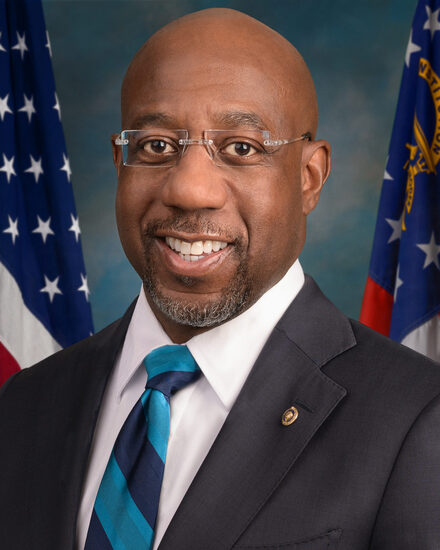
Raphael G. Warnock
100% support rate
Top opponent
Thomas Massie
14% support rate
Ranked legislators
10
5 support · 5 oppose
Key legislators

Who's moving education in United States

Legislators moving education in United States
Legislator Party Stance Support rate Votes
Raphael G. Warnock
Raphael G. Warnock Senate
D
Strong +
100% 167
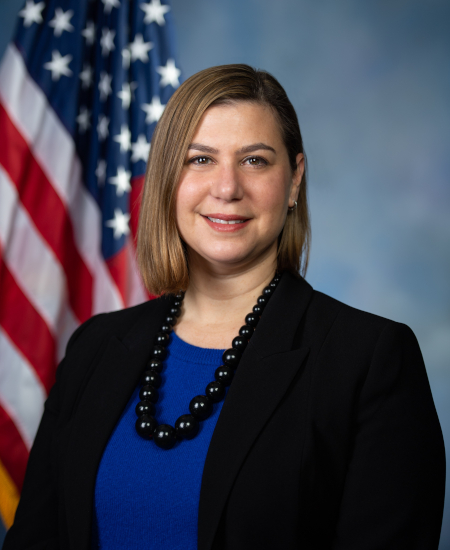
Elissa Slotkin
Elissa Slotkin Senate
D
Strong +
86% 166
Michael F. Bennet
Michael F. Bennet Senate
D
Strong +
86% 137
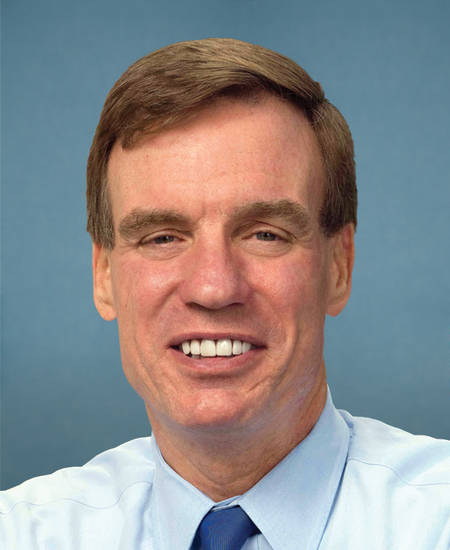
Mark R. Warner
Mark R. Warner Senate
D
Strong +
86% 167
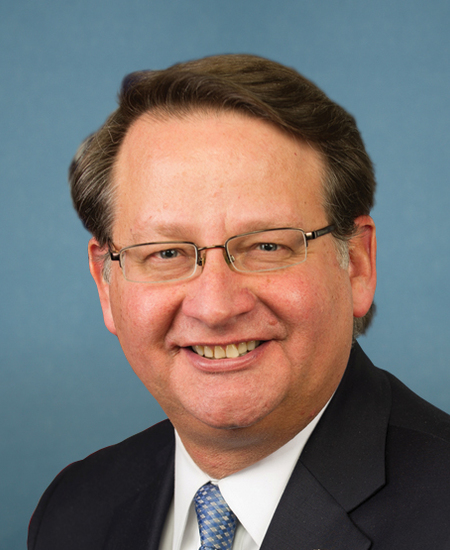
Gary C. Peters
Gary C. Peters Senate
D
Strong +
86% 167
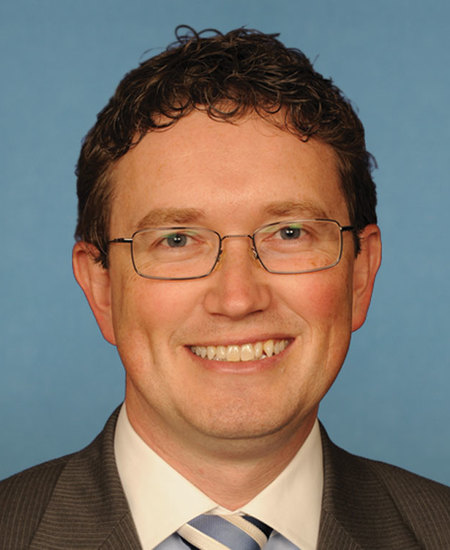
Thomas Massie
Thomas Massie House · District 4
R
Strong −
14% 126
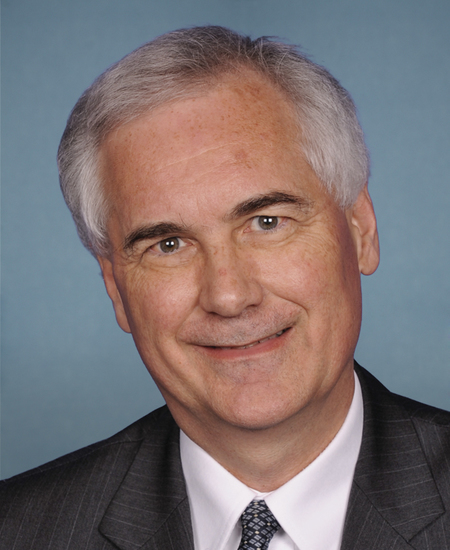
Tom McClintock
Tom McClintock House · District 5
R
Strong −
14% 125
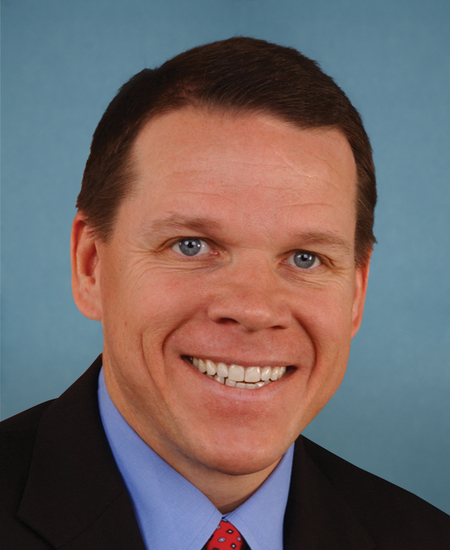
Sam Graves
Sam Graves House · District 6
R
Strong −
14% 124
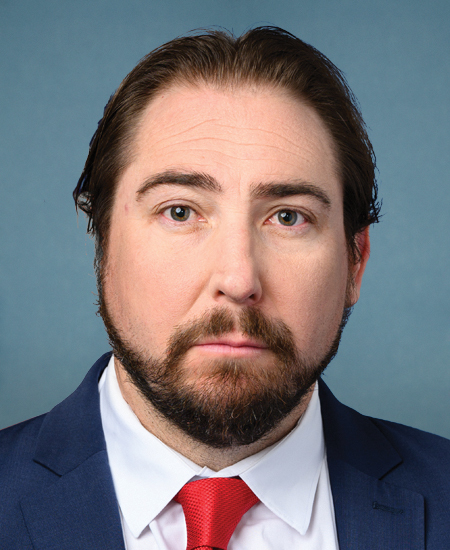
Elijah Crane
Elijah Crane House · District 2
R
Strong −
14% 128
Wesley Hunt
Wesley Hunt House · District 38
R
Strong −
14% 109
Showing 971–980 of 1,063 bills

All education bills

in committee · United States · House Apr 14, 2025

HR 2911: Accounting STEM Pursuit Act of 2025

This bill amends the Elementary and Secondary Education Act to explicitly include accounting education as part of a well-rounded K-12 curriculum. It requires schools to develop and strengthen programs teaching accounting, including increasing access to high-quality accounting courses for students from groups historically underrepresented in accounting careers. The key provision inserts specific language into existing law, directing schools to promote accounting career awareness and expand course availability through grade 12. This directly affects K-12 students, particularly those from underrepresented backgrounds, by making accounting education a recognized component of career-focused learning.
in committee · United States · House Mar 21, 2025

HR 2275: SCHOOL Act of 2025

The SCHOOL Act of 2025 (HR 2275) changes how federal education funds flow by requiring states to allocate funds based on where students attend school, rather than where the school district is located. It directly affects children aged 5-17 (and students with disabilities under IDEA) enrolled in public, private, or home schools by allowing states to distribute funds through education savings accounts for eligible families. Key provisions include using federal funds for tuition, materials, therapies, and other educational expenses at the family's chosen school, while ensuring funds supplement - rather than replace - existing local resources. The bill explicitly prohibits federal control over private schools and maintains eligibility for programs like free school meals.
in committee · United States · House Jan 3, 2025

HR 83: Ending Common Core and Expanding School Choice Act

This bill changes how federal education funds are distributed by directing funds to follow eligible low-income students (ages 5-17 from families below poverty level) to their families or schools. It allows states to use these funds for qualified expenses like public school tuition, private school tuition at approved schools, or supplemental programs. The bill explicitly prohibits federal officials from mandating specific curricula, assessments, or standards - such as Common Core - requiring states to maintain control over education content. It also repeals existing federal assessment grants, shifting focus to student-centered funding.
in committee · United States · Senate Jul 30, 2025

S 2559: Summer Meals REACH Act of 2025

This bill (S 2559) amends the Summer Food Service Program for Children under the National School Lunch Act to expand access to summer meals. It directly affects children in low-income areas by making **all children eligible** for meals (removing prior restrictions) and allowing **non-congregate meals** (meaning meals can be served without requiring children to gather in one location). Key provisions include requiring onsite or offsite food service monitoring and revising payment rules to cover meals served to all eligible children. The changes aim to simplify access and increase participation in the program.
Sub-Topics Student Health
in committee · United States · Senate Feb 5, 2026

S 3783: Mental Health Career Promotion Act

The Mental Health Career Promotion Act (S 3783) creates a federal grant program to help schools and community colleges connect students with mental health career opportunities. It provides $50 million annually (2026-2030) for partnerships between schools, community colleges, and mental health providers to offer students career exposure through presentations, internships, mentorships, and shadowing. The program targets high school students (grades 9-12) and community college students, requiring activities to be culturally and linguistically appropriate. Grants must support concrete career pathways in mental health fields, including roles like counselors, social workers, and peer specialists, with annual reporting on program effectiveness.
in committee · United States · House Dec 11, 2025

HR 6606: Opportunities for Success Act of 2025

The Opportunities for Success Act of 2025 amends the Higher Education Act to increase funding for work-based learning programs, authorizing $1.5 billion in 2027 and rising to $2.5 billion annually by 2031. The bill requires institutions to allocate at least 7% of work-study funds to compensate students in work-based learning positions and at least 3% to students with "exceptional need" during periods of nonenrollment. It defines "work-based learning" to include internships, fellowships, and apprenticeships, and establishes new metrics for determining which institutions qualify as "improved institutions" for funding allocation. The legislation also mandates new surveys to evaluate program effectiveness and requires institutions to prioritize students with Federal Pell Grants and exceptional need.
in committee · United States · Senate Dec 17, 2025

S 3538: Student Loan Tax Elimination Act

This bill repeals origination fees charged on new Federal Direct Loans under the Higher Education Act. It directly affects borrowers who take out new federal student loans through the Direct Loan program, eliminating an upfront fee they previously paid. The change takes effect for loans with their first disbursement or consolidation applications received on or after July 1 following the bill's enactment. The bill focuses solely on removing this specific fee, not on tax changes as the title suggests.
in committee · United States · Senate Sep 18, 2025

S 2862: CCAMPIS Reauthorization Act

Child Care Access Means Parents In Schools Reauthorization Act or the CCAMPIS Reauthorization Act This bill reauthorizes through FY2031 and revises the Child Care Access Means Parents in School Program. The program awards grants to support the participation of eligible low-income parents in postsecondary education through the provision of campus-based child care services. Among other revisions to the program, the bill increases the minimum and maximum grant amounts, allows grant funds to be used for additional purposes (e.g., child care subsidies and support services), and specifies additional grant application requirements.
in committee · United States · Senate Sep 4, 2025

S 2727: A bill to amend the Food, Agriculture, Conservation, and Trade Act of 1990 to authorize grants for eligible institutions to carry out agriculture workforce training programs, and for other purposes.

S 2727 authorizes grants for eligible educational institutions to develop agriculture workforce training programs. These programs must combine classroom learning with industry experience like internships and apprenticeships, involving partnerships with agriculture companies, industry associations, or nonprofit employment groups. Eligible institutions include land-grant colleges, Hispanic-serving agricultural schools, community colleges with agriculture programs, and career technical schools. Grant funds must cover at least 5% for student recruitment and faculty training to improve worker skills and retention in the agriculture sector.
Sub-Topics Career & Technical Education Tags Agriculture
in committee · United States · House Jan 31, 2025

HR 869: Keep Our PACT Act

HR 869, the Keep Our PACT Act, mandates specific annual funding levels for two key education programs: Title I of the Elementary and Secondary Education Act (ESEA) and the Individuals with Disabilities Education Act (IDEA). For Title I, it requires funding in fiscal years 2026-2035 that equals the difference between the 2025 funding level and set annual dollar targets (e.g., $20.5 billion for 2026). For IDEA, it sets mandatory annual funding levels that gradually increase to reach 40% of the national average per-pupil expenditure for students with disabilities by 2035. The bill directly affects public school districts and students, particularly those with disabilities, by guaranteeing these funding levels rather than relying on annual appropriations.
Showing 971 to 980 of 1,063 bills
Previous 1 97 98 99 107 Next