Issue · Education

Education

Every education bill, vote, and legislator stance in United States, automatically classified by Maddy, our AI policy reader.

Total bills
1,194
119th Congress
Top supporter
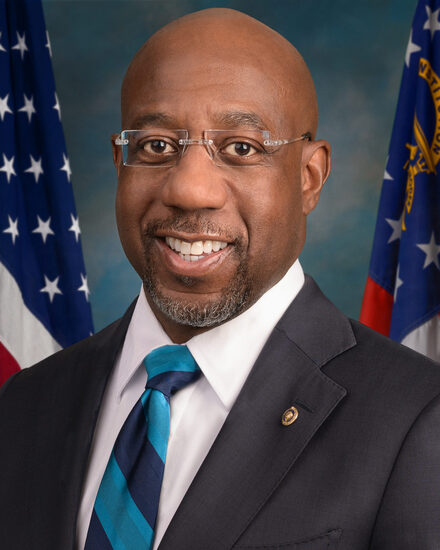
Raphael G. Warnock
100% support rate
Top opponent
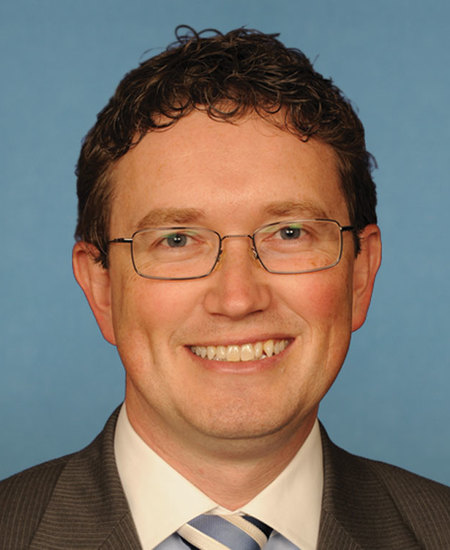
Thomas Massie
12% support rate
Ranked legislators
10
5 support · 5 oppose
Key legislators

Who's moving education in United States

Legislators moving education in United States
Legislator Party Stance Support rate Decisive votes
Raphael G. Warnock
Raphael G. Warnock Senate
D
Strong +
100% 6
Adam B. Schiff
Adam B. Schiff Senate
D
Strong +
86% 7
Angela D. Alsobrooks
Angela D. Alsobrooks Senate
D
Strong +
86% 7
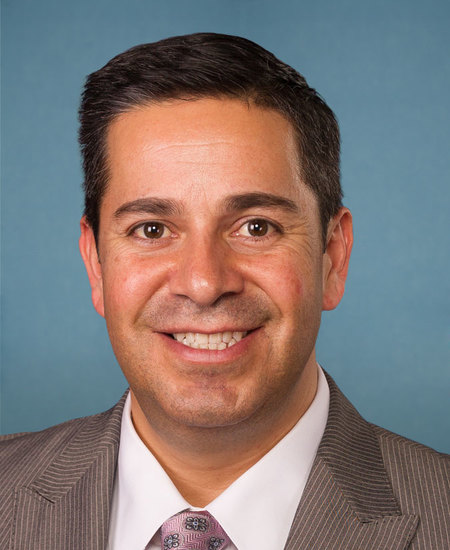
Ben Ray Luján
Ben Ray Luján Senate
D
Strong +
86% 7
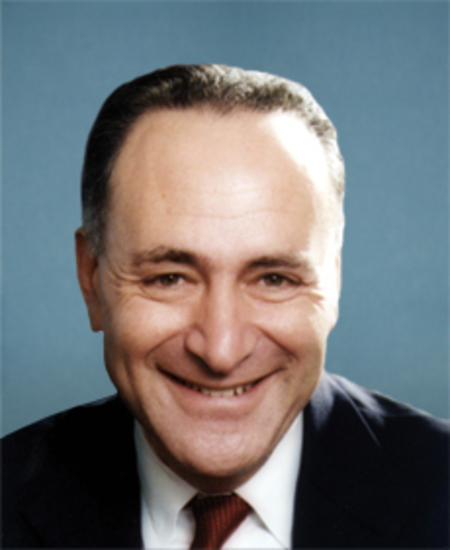
Charles E. Schumer
Charles E. Schumer Senate
D
Strong +
86% 7
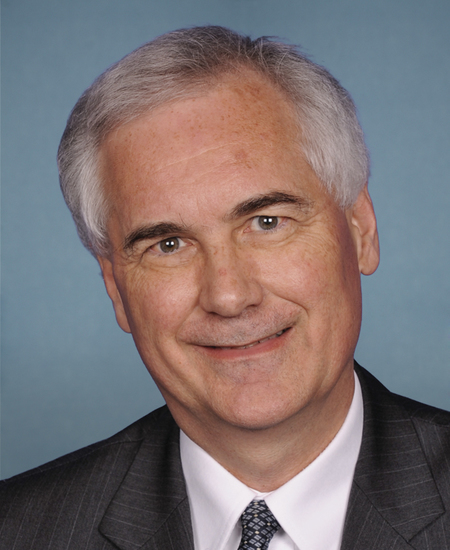
Thomas Massie
Thomas Massie House · District 4
R
Strong −
12% 8
Tom McClintock
Tom McClintock House · District 5
R
Strong −
12% 8
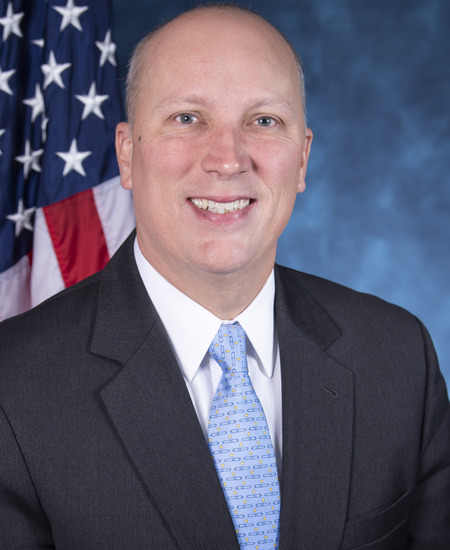
Chip Roy
Chip Roy House · District 21
R
Strong −
14% 7
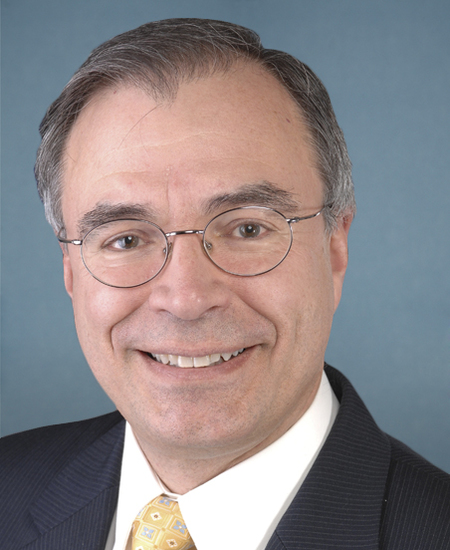
Andy Harris
Andy Harris House · District 1
R
Strong −
20% 10
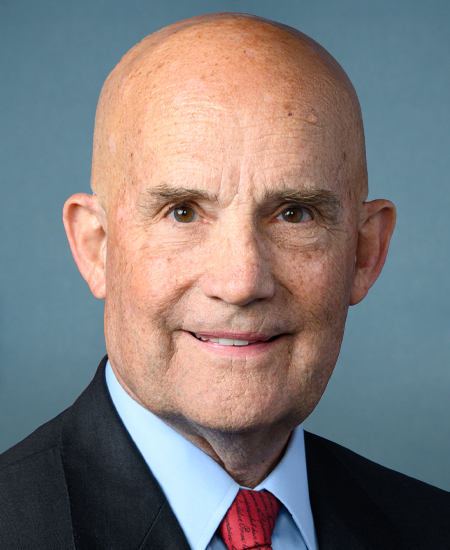
Keith Self
Keith Self House · District 3
R
Strong −
20% 10
Showing 901–910 of 1,194 bills

All education bills

in committee · United States · House Jul 17, 2025

HR 4534: Expanding Educational Freedom and Opportunity for Families Act

HR 4534 makes Executive Order 14191 legally binding by codifying it into law, directly affecting private, religious, and parochial elementary and secondary schools. The bill's key provision converts the executive order - which aims to expand educational freedom - into permanent law. It explicitly states this change does not alter whether these schools receive federal funding under Title IX or are considered state actors for Fourteenth Amendment liability purposes. The law focuses on establishing the executive order as enforceable policy without modifying existing civil rights protections for schools.
Sub-Topics School Choice
in committee · United States · Senate Jun 23, 2025

S 2140: Haskell Indian Nations University Improvement Act

The Haskell Indian Nations University Improvement Act would transform Haskell Indian Nations University from a Bureau of Indian Education institution into a federally chartered corporation with its own independent board of trustees. This change would allow the university to operate independently from the Bureau of Indian Education, accept private donations as a tax-exempt organization, and develop its own policies to better serve its students. The bill aims to address longstanding challenges with facility maintenance, program management, and funding dependency that have affected the university's ability to provide quality education to its approximately 900 enrolled students representing 140 tribes. The new board would be composed of 15 voting members (all enrolled in Indian Tribes) and 1 student member, with the goal of improving the university's educational mission and campus environment.
Sub-Topics Higher Education
in committee · United States · House Apr 7, 2025

HRES 297: Expressing the sense of the House of Representatives that paraprofessionals and education support staff should have fair compensation, benefits, and working conditions.

HRES 297 is a non-binding resolution expressing the House of Representatives' support for fair compensation, benefits, and working conditions for paraprofessionals (like instructional assistants) and education support staff (including bus drivers, cafeteria workers, and clerical staff) in schools. It specifically calls for livable wages, job security, access to affordable health care, paid leave, and meaningful input in school policies for these workers. As a resolution, it does not create new laws or mandate changes but serves as a symbolic statement highlighting these workers' needs. The resolution directly addresses the concerns of over 3 million school support staff facing issues like underpayment, lack of benefits, and job instability.
in committee · United States · House Dec 18, 2025

HR 6886: Reverse Transfer Efficiency Act of 2025

HR 6886, the Reverse Transfer Efficiency Act of 2025, simplifies the process for college students who transfer between institutions to earn a recognized postsecondary credential (like an associate degree) using previously earned credits. It amends federal education law to allow students to send their course records to a prior college for credential completion, provided they give written consent. The key change adds a new provision (M) to the law, removing barriers that previously prevented institutions from sharing these records without explicit student permission. This directly affects transfer students, particularly those moving from community colleges to four-year schools, by making it easier to complete lower-level credentials they started earlier. The bill focuses on administrative efficiency, not funding or program changes.
in committee · United States · House Dec 12, 2025

HR 6686: No Cost Educational Resources Act of 2025

This bill creates grants to help colleges adopt free digital textbooks (open educational resources) in science, technology, engineering, and math courses. It directly affects institutions of higher education, requiring them to collaborate with librarians and STEM faculty to implement these courses. Key provisions include prioritizing schools with many low-income or minority students, mandating plans for faculty collaboration, and requiring annual reports on cost savings for students compared to traditional textbooks. The law defines "open educational reading materials" as free, downloadable digital texts and tracks how many STEM courses transition to using them.
in committee · United States · House Mar 14, 2025

HR 2106: Expanding Medical Education Act

HR 2106, the Expanding Medical Education Act, provides federal grants to establish or expand medical and osteopathic medicine schools in underserved areas. It prioritizes institutions in regions with no existing medical schools or minority-serving institutions, targeting recruitment of students from rural, low-income, and underrepresented racial/ethnic backgrounds. The bill requires grantees to develop curricula focused on care for underserved populations and modernize facilities. Recipients must report annually on student demographics and program outcomes, with public reports to Congress every five years tracking impacts on healthcare access and workforce diversity.
in committee · United States · Senate Dec 4, 2025

S 3359: Fast Track To and Through College Act

This bill creates two pathways to help high school students earn college credit while in high school and graduate early. The "early college fast track pathway" allows students to take college-level courses (like AP, IB, or dual enrollment) that count toward a degree, while the "early high school graduation pathway" lets students graduate in 3 years without needing remedial college courses and provides a scholarship for college. States would receive federal grants to implement these pathways, requiring them to align high school curriculum with college requirements, create statewide credit transfer agreements, and ensure credit transfer between institutions. The bill also changes Pell Grant rules to allow eligible high school students in these pathways to receive Pell Grants without counting toward the usual 12-semester limit. It requires states to track participation and outcomes, particularly for historically underrepresented students.
in committee · United States · House Sep 15, 2025

HRES 718: Expressing support for increasing the number of Latino students and young professionals entering careers in science, technology, engineering, and mathematics fields.

HRES 718 is a non-binding resolution expressing congressional support for increasing Latino participation in STEM careers. It highlights that Latinos make up 18.2% of the U.S. workforce but only 14.8% of STEM workers, despite growing educational enrollment and strong interest in STEM fields. The resolution encourages federal investment in initiatives to support Latino students pursuing STEM education and careers, particularly through Hispanic-serving institutions. It emphasizes that boosting Latino representation in STEM would strengthen the U.S. workforce, improve economic mobility, and reduce reliance on foreign workers.
in committee · United States · House Feb 2, 2026

HR 6821: Protect Our Students Act

HR 6821, the Protect Our Students Act, redirects federal highway safety funds to improve school zone safety. It increases the required allocation of these funds for school zone improvements from 40% to 50% and authorizes specific safety measures including crossing guards, flashing lights, visible signage, crosswalks, traffic calming, and automated enforcement. The bill directly affects students walking to school, local schools, and communities by mandating that federal highway safety programs fund these targeted school zone upgrades. This changes how existing federal transportation funds can be used, focusing resources on proven safety infrastructure.
in committee · United States · House Jul 10, 2025

HR 4318: Head Start for Our Future Act

The Head Start for Our Future Act amends Section 441(c)(1) of the Higher Education Act of 1965 to replace "literacy training" with "child development and early learning (including Head Start programs and Early Head Start programs carried out under the Head Start Act), literacy training." This technical change formally integrates Head Start and Early Head Start programs into the federal definition of early learning initiatives under the Higher Education Act, while maintaining a separate reference to literacy training. The bill directly affects how federal grants for early childhood education are categorized and administered under the Higher Education Act. It does not alter funding levels, program requirements, or operations but updates administrative terminology to explicitly include Head Start services.
Sub-Topics Early Childhood
Showing 901 to 910 of 1,194 bills
Previous 1 90 91 92 120 Next