Issue · Education

Education (Higher Education)

Every education bill, vote, and legislator stance in United States, automatically classified by Maddy, our AI policy reader.

Total bills
243
119th Congress
Top supporter
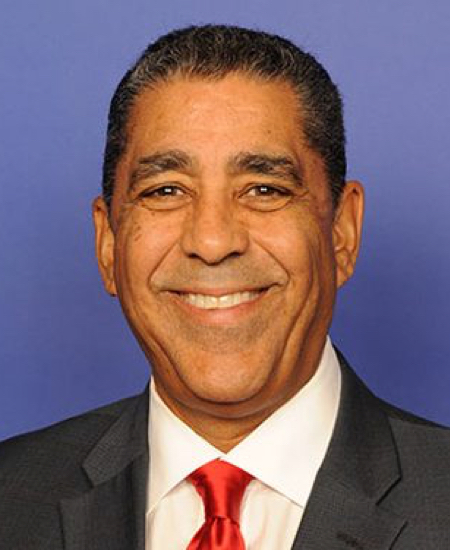
Adriano Espaillat
75% support rate
Top opponent
Aaron Bean
25% support rate
Ranked legislators
10
5 support · 5 oppose
Key legislators

Who's moving higher education in United States

Legislators moving higher education in United States
Legislator Party Stance Support rate Votes
Adriano Espaillat
Adriano Espaillat House · District 13
D
Support
75% 4
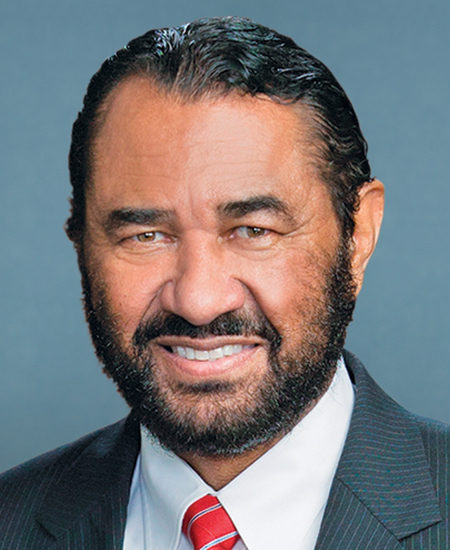
Al Green
Al Green House · District 9
D
Support
75% 4
Alexandria Ocasio-Cortez
Alexandria Ocasio-Cortez House · District 14
D
Support
75% 4
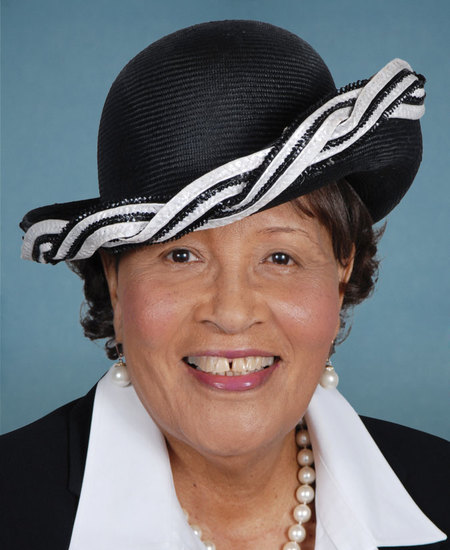
Alma S. Adams
Alma S. Adams House · District 12
D
Support
75% 4
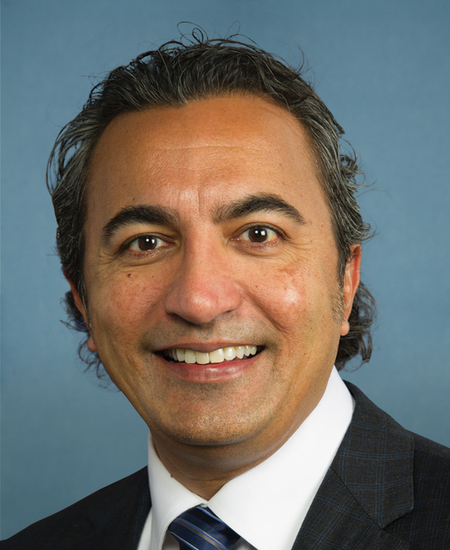
Ami Bera
Ami Bera House · District 6
D
Support
75% 4
Aaron Bean
Aaron Bean House · District 4
R
Oppose
25% 4
Addison P. McDowell
Addison P. McDowell House · District 6
R
Oppose
25% 4
Andrew Ogles
Andrew Ogles House · District 5
R
Oppose
25% 4
Andrew S. Clyde
Andrew S. Clyde House · District 9
R
Oppose
25% 4
Andy Biggs
Andy Biggs House · District 5
R
Oppose
25% 4
Showing 51–60 of 243 bills

All education bills

in committee · United States · Senate Mar 24, 2026

S 4177: Student Athlete Act of 2026

This bill establishes federal rules for college student athletes, primarily affecting institutions of higher education and the National Collegiate Athletic Association. It guarantees that student athletes have five consecutive years of eligibility to compete in intercollegiate sports, regardless of injuries or other circumstances. The legislation also sets new transfer portal regulations, requiring athletes to sit out one academic year after transferring except for their first transfer, and mandates that schools honor financial aid commitments when students move to new institutions. Additionally, the bill prevents states from passing laws that conflict with these federal provisions or restrict student athlete rights under the new rules.
in committee · United States · House Mar 19, 2026

HR 8009: Student Protection and Success Act

This bill would require colleges to demonstrate that at least 15% of their student loan borrowers successfully reduce their loan principal within two years of entering repayment, or risk losing eligibility for federal student loan programs starting in fiscal year 2028. It also creates a new bonus grant program for institutions with repayment rates above 25% and requires colleges to pay fees based on the amount of loans their students fail to repay. The legislation defines repayment success as borrowers who are not in default and have made at least a one-dollar reduction in their principal balance, while excluding students in deferment for military service, graduate school, or public service.
in committee · United States · Senate Mar 26, 2026

S 4269: Restoring College Access and Affordability Act

This bill, the Restoring College Access and Affordability Act, primarily reverses several changes made to federal student loan and grant programs in previous legislation. It restores previous loan limits, repayment terms, and deferment options that were altered by prior laws, affecting current and future student borrowers. The bill also modifies eligibility rules for Pell Grants and adjusts criteria for determining which educational programs can be deemed low-earning, specifically including programs that award associate's degrees and certificates. Additionally, it delays certain federal regulations related to borrower defense claims and closed school discharges, while reducing the excise tax on private college endowment income to 1.4 percent.
in committee · United States · Senate Apr 29, 2026

S 3993: Reducing Arbitrary Barriers to Apprenticeship Act of 2026

This bill, known as the Reducing Arbitrary Barriers to Apprenticeship Act of 2026, changes how veterans receive educational assistance when they choose apprenticeships or on-the-job training instead of traditional four-year college programs. It directly affects veterans eligible for Post-9/11 GI Bill benefits, the All-Volunteer Force Educational Assistance Program, and Selected Reserve educational benefits. The bill increases monthly housing stipends for apprenticeship participants and removes minimum attendance requirements for those working in construction-related occupations. These changes aim to make non-college training pathways more financially viable for veterans seeking to build careers through hands-on experience.
signed · United States · House Dec 12, 2025

HR 983: Montgomery GI Bill Selected Reserves Tuition Fairness Act of 2025

Montgomery GI Bill Selected Reserves Tuition Fairness Act of 2025 This act requires that the Department of Veterans Affairs disapprove courses of education provided by educational institutions that charge higher than in-state tuition for individuals utilizing the Montgomery GI Bill-Selected Reserve education benefits while living in the state where the education is located, regardless of the individual’s state of residence.
in committee · United States · House Mar 9, 2026

HR 7885: Cybersecurity Skills Integration Act

This bill directs the U.S. Secretary of Education to create a pilot program that awards competitive grants to partnerships between colleges and employers to integrate cybersecurity training into postsecondary career and technical education programs. The grants, up to $500,000 each, are intended to help prepare workers for critical infrastructure sectors like energy, water, and transportation by teaching cybersecurity skills aligned with national workforce standards. To receive funding, partnerships must include at least one college and two or more employers in a critical infrastructure sector, and they must submit detailed plans covering curriculum development, workforce needs, diversity goals, and how they will sustain the programs after the grant period ends. The bill also requires recipients to report annually on how funds were used, student outcomes, and employment results, with a total funding authorization of $10 million.
in committee · United States · Senate Mar 11, 2026

S 4056: Proprietary Education Oversight Task Force Act

This bill creates a new Proprietary Education Interagency Oversight Committee composed of representatives from multiple federal agencies including the Department of Education, Consumer Financial Protection Bureau, Department of Justice, and others. The committee will coordinate oversight of for-profit colleges that receive federal student aid, share complaint information among agencies, and publish an annual report on institutional performance and enforcement actions. The bill also establishes a 'For-Profit College Warning List' that would publicly identify institutions facing lawsuits, settlements, or federal assistance suspensions, requiring written responses from schools before publication.
in committee · United States · Senate Mar 2, 2026

S 3957: NSF AI Education Act of 2026

The NSF AI Education Act of 2026 directs the National Science Foundation to award scholarships and fellowships to undergraduate and graduate students studying artificial intelligence, quantum computing, and related fields. The bill establishes new programs to support AI education at community colleges, vocational schools, and historically underserved institutions, including priority funding for rural, Tribal, and minority-serving institutions. It also authorizes grants for AI research in agriculture and advanced manufacturing, requires the development of guidance for AI use in K-12 education, and mandates the creation of workforce frameworks for AI and other emerging technologies. The legislation includes provisions to restrict funding to institutions with certain civil rights violations and establishes requirements for oversight of public-private partnerships and foreign contributions.
in committee · United States · Senate Mar 11, 2026

S 4047: Kids in Classes Act

This bill, titled the Kids in Classes Act, allows local school districts to use Title I federal education funds directly to parents if a school fails to provide in-person instruction for more than three days due to public health emergencies or collective bargaining disputes. Under the new provisions, parents would receive direct payments equal to the per-student funding amount for each day the school remains closed, which they can use for educational expenses such as tutoring, online learning materials, private school tuition, or educational therapies for students with disabilities. The bill requires school districts to establish a payment plan and verify that funds are spent on qualified educational expenses through receipts or by requiring returns of unused amounts within 30 days of the school reopening.
in committee · United States · Senate Mar 17, 2026

S 4114: Student Protection and Success Act

This bill, titled the Student Protection and Success Act, requires colleges and universities to share financial risk with the federal government by making payments based on how many student loans remain unpaid. Starting in fiscal year 2028, institutions with a cohort repayment rate of 15 percent or lower would lose eligibility for federal student loan programs for up to three years, while colleges with rates above 25 percent could receive bonus grants to support low-income students. The bill also establishes a new payment system where schools must contribute a percentage of the outstanding loan balances for borrowers who have not made progress on paying down their debt, with exceptions for students in deferment due to military service, graduate school, or other qualifying circumstances. These measures aim to hold institutions accountable for student loan outcomes while providing incentives for improving access and success for economically disadvantaged students.
Showing 51 to 60 of 243 bills
Previous 1 5 6 7 25 Next