

Issue · Education
Education (K-12 Education)
Every education bill, vote, and legislator stance in United States, automatically classified by Maddy, our AI policy reader.
Total bills
157
119th Congress
Top supporter
Adam B. Schiff
100% support rate
Top opponent
Jared Moskowitz
0% support rate
Ranked legislators
10
5 support · 5 oppose
Key legislators
Who's moving k-12 education in United States
| Legislator | Party | Stance | Support rate | Decisive votes |
|---|---|---|---|---|

Adam B. Schiff
Senate
|
D |
Strong +
|
100% | 4 |

Amy Klobuchar
Senate
|
D |
Strong +
|
100% | 4 |
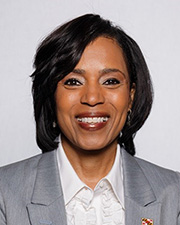
Angela D. Alsobrooks
Senate
|
D |
Strong +
|
100% | 4 |
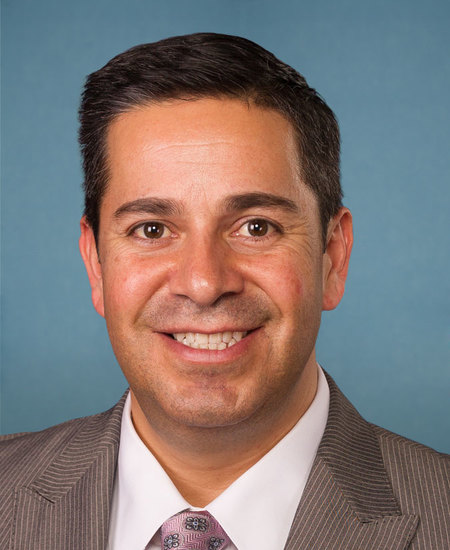
Ben Ray Luján
Senate
|
D |
Strong +
|
100% | 4 |

Bill Cassidy
Senate
|
R |
Strong +
|
100% | 4 |

Jared Moskowitz
House · District 23
|
D |
Strong −
|
0% | 3 |

Alex Padilla
Senate
|
D |
Oppose
|
25% | 4 |

Andy Harris
House · District 1
|
R |
Oppose
|
25% | 4 |
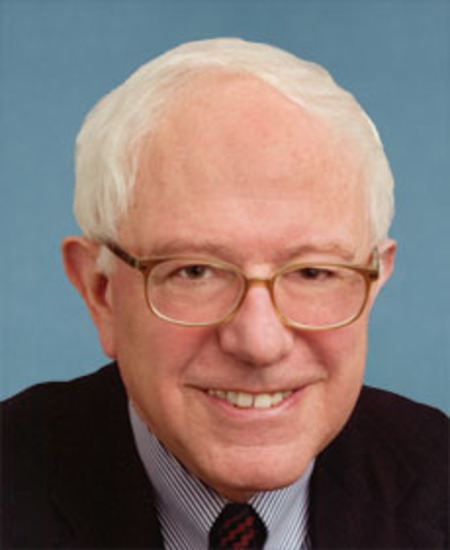
Bernard Sanders
Senate
|
I |
Oppose
|
25% | 4 |
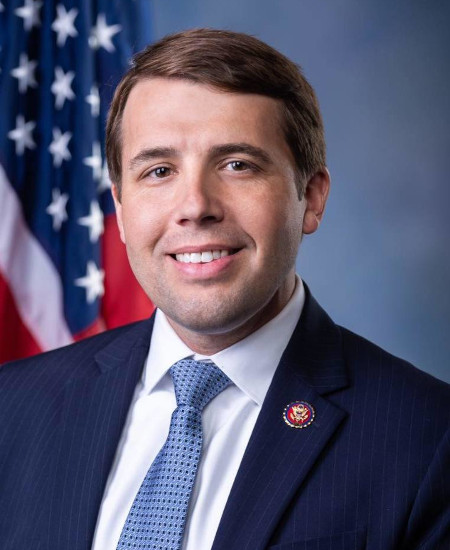
Chris Pappas
House · District 1
|
D |
Oppose
|
25% | 4 |
Showing 41–50 of 157
bills
All education bills
S 3957: NSF AI Education Act of 2026
Topics
✓ EducationSupports EducationBill directs NSF to award scholarships and fellowships for AI education, establishes new programs at community colleges and underserved institutions, and provides priority funding for rural and minority-serving institutions.
✓ TechnologySupports TechnologyBill directs NSF to award scholarships and fellowships for AI education, establishing new programs to support AI education at community colleges and underserved institutions, explicitly advancing technology education.
Sub-Topics
Higher Education
K-12 Education
Student Financial Aid
Artificial Intelligence
Emerging Technology
HRES 1139: Supporting the goals and ideals of "National Middle-Level Education Month".
HR 1098: To reauthorize the Junior Duck Stamp Conservation and Design Program Act of 1994.
Topics
✓ Budget & TaxesSupports Budget & TaxesBill increases funding for Junior Duck Stamp program from $350K to $550K, directly advancing budget allocation for conservation education.
✓ EducationSupports EducationBill increases funding for student conservation program and expands educational access for students aged 9-15 through art and design competitions
✓ EnvironmentSupports EnvironmentFunds habitat conservation ($350k) and student engagement in conservation, directly advancing environmental protection through habitat preservation and education.
HR 3681: Leveraging Educational Opportunity Networks Act
Topics
✓ Criminal JusticeSupports Criminal JusticeTargets formerly incarcerated individuals for workforce training, aligning with criminal justice reform goals to reduce recidivism through rehabilitation programs.
✓ EducationSupports EducationBill funds workforce training programs targeting underserved groups, expanding educational access through federal grants for career programs at accredited institutions.
✓ Labor & EmploymentSupports Labor & EmploymentBill funds workforce training for disadvantaged workers (low-income, rural, historically disadvantaged, formerly incarcerated), directly improving employment opportunities and career advancement per Labor & Employment topic description.
S 978: HELPER Act of 2025
Topics
✓ EducationSupports EducationBill explicitly includes K-12 teachers in its FHA mortgage program, directly supporting educators through housing benefits as part of their employment support.
✓ HousingSupports HousingCreates FHA program enabling no-down-payment home purchases for first responders/teachers, directly increasing affordable housing access for targeted groups.
HR 811: Mentoring to Succeed Act of 2025
Sub-Topics
K-12 Education
HR 790: To amend title 38, United States Code, to authorize an individual who is awarded the Purple Heart for service in the Armed Forces to transfer unused Post-9/11 Educational Assistance to a family member, and for other purposes.
Topics
✓ EducationSupports EducationBill expands higher education access by allowing Purple Heart recipients to transfer unused GI Bill benefits to family members, directly increasing educational funding opportunities for dependents.
✓ VeteransSupports VeteransBill explicitly expands veterans' educational benefits by enabling Purple Heart recipients to transfer unused GI Bill benefits to family members, strengthening support for veterans and dependents.
HR 1434: Strengthening Communities through Summer Employment Act
Topics
✓ Criminal JusticeSupports Criminal JusticeFunds youth employment in high-crime communities to improve graduation rates and reduce recidivism, aligning with criminal justice reform goals.
✓ EducationSupports EducationFunds summer programs with mentoring/counseling to improve high school graduation and college enrollment rates, directly advancing educational outcomes.
✓ Labor & EmploymentSupports Labor & EmploymentBill funds summer youth employment with minimum wage, targets high-unemployment areas, and includes career support to improve employment outcomes and graduation rates, directly advancing labor & employment standards.
HR 2094: HELPER Act of 2025
Topics
✓ EducationSupports EducationBill explicitly provides mortgage assistance to elementary/secondary school teachers, supporting educators as a key beneficiary group.
✓ HousingSupports HousingProvides mortgage assistance with no down payment for teachers, first responders, and law enforcement, directly advancing affordable housing access for specific professions.