Issue · Education

Education

Every education bill, vote, and legislator stance in United States, automatically classified by Maddy, our AI policy reader.

Total bills
1,117
119th Congress
Top supporter
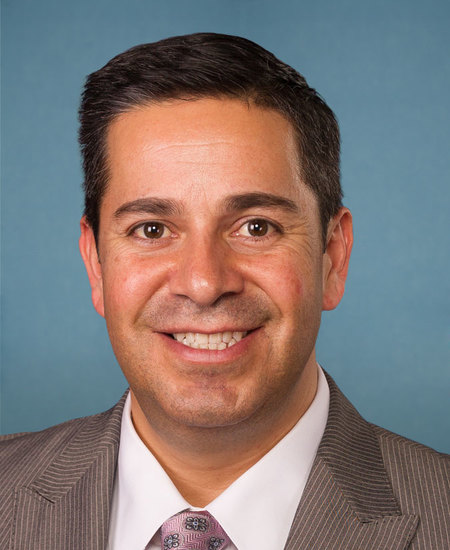
Ben Ray Luján
92% support rate
Top opponent
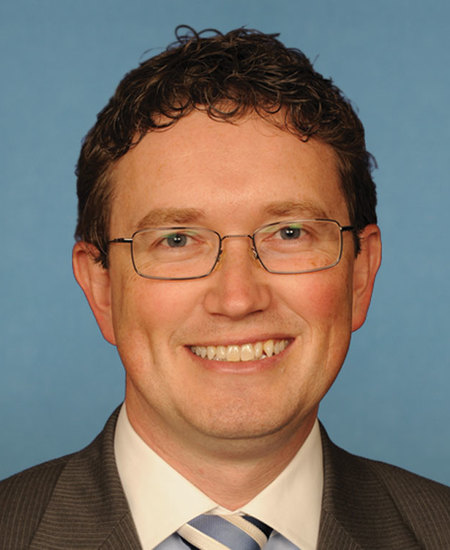
Thomas Massie
12% support rate
Ranked legislators
10
5 support · 5 oppose
Key legislators

Who's moving education in United States

Legislators moving education in United States
Legislator Party Stance Support rate Decisive votes
Ben Ray Luján
Ben Ray Luján Senate
D
Strong +
92% 12
Elissa Slotkin
Elissa Slotkin Senate
D
Strong +
92% 12
Gary C. Peters
Gary C. Peters Senate
D
Strong +
92% 12
John W. Hickenlooper
John W. Hickenlooper Senate
D
Strong +
92% 12
Maria Cantwell
Maria Cantwell Senate
D
Strong +
92% 12
Thomas Massie
Thomas Massie House · District 4
R
Strong −
12% 8
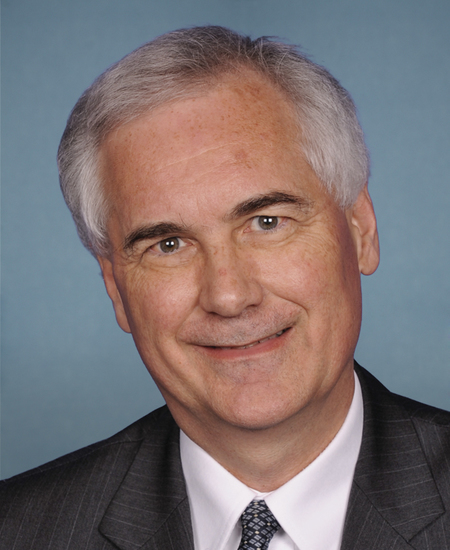
Tom McClintock
Tom McClintock House · District 5
R
Strong −
12% 8
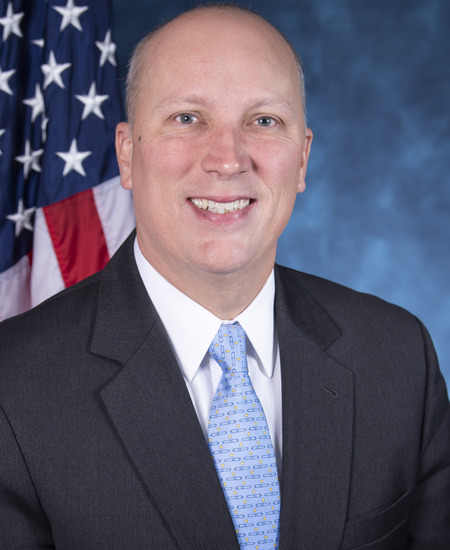
Chip Roy
Chip Roy House · District 21
R
Strong −
14% 7
Rand Paul
Rand Paul Senate
R
Strong −
17% 12
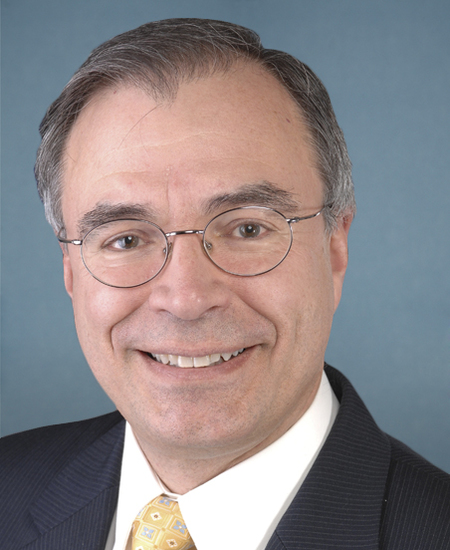
Andy Harris
Andy Harris House · District 1
R
Strong −
20% 10
Showing 391–400 of 1,117 bills

All education bills

in committee · United States · Senate Mar 11, 2026

S 4057: American Civics Renewal Act

This bill establishes a new congressional commission called the Commission on American Civics Renewal to study and improve civics education across all levels of schooling. The commission will be made up of eight members appointed by Senate and House leaders, and it will review current civics programs, gather best practices, and develop a proposed curriculum for students in elementary, secondary, and higher education. After completing its work, the commission must submit its curriculum and a national strategy to Congress and the Department of Education, which will then make these materials available to state and local education agencies. The commission will operate for approximately two years and is funded with $2 million to carry out its duties.
Sub-Topics Curriculum
in committee · United States · Senate Feb 26, 2026

S 3953: African American History Act of 2026

This bill, titled the African American History Act of 2026, authorizes the Director of the National Museum of African American History and Culture to use up to $4 million annually for five years to support African American history education programs. The funding can be used to create digital and print educational resources, provide teacher training and professional development, expand museum collections, and develop online content for educators, students, and families. The legislation also requires the museum director to submit annual reports to Congress and provide briefings to congressional committees on how the funds are being used. Additionally, the bill includes a sense of Congress statement encouraging the federal government to lead efforts in improving the teaching of African American and other minority group histories.
Sub-Topics Teachers
in committee · United States · Senate Mar 11, 2026

S 4047: Kids in Classes Act

This bill, titled the Kids in Classes Act, allows local school districts to use Title I federal education funds directly to parents if a school fails to provide in-person instruction for more than three days due to public health emergencies or collective bargaining disputes. Under the new provisions, parents would receive direct payments equal to the per-student funding amount for each day the school remains closed, which they can use for educational expenses such as tutoring, online learning materials, private school tuition, or educational therapies for students with disabilities. The bill requires school districts to establish a payment plan and verify that funds are spent on qualified educational expenses through receipts or by requiring returns of unused amounts within 30 days of the school reopening.
in committee · United States · Senate Mar 10, 2026

S 4039: Professional Degree Access Restoration Act

This bill, known as the Professional Degree Access Restoration Act, aims to restore federal student loan limits that were previously reduced for graduate and professional students. It directly affects students pursuing advanced degrees such as law, medicine, and education by increasing the amount of federal loans they can access. The legislation reverses specific loan cap reductions established by Public Law 119-21, allowing students to borrow more money during their period of instruction. By amending the Higher Education Act of 1965, the bill removes certain restrictions on annual and aggregate loan amounts for these student categories.
in committee · United States · Senate Mar 12, 2026

S 4087: A bill to exempt public school employees from non-processing related fees for H-1B visas imposed by Presidential Proclamation 10973.

This bill exempts public school employees from a $100,000 fee required for H-1B work visas under a 2025 presidential proclamation. It directly affects foreign workers seeking to work in specialty occupations at public schools or school districts in the United States. The legislation removes the financial barrier for these specific workers while leaving other visa fee requirements unchanged. This change ensures that public school employees can apply for H-1B visas without paying the additional non-processing related fee imposed by the proclamation.
in committee · United States · House Mar 5, 2026

HR 7826: HBCU AI Research Leadership Act

This bill, known as the HBCU AI Research Leadership Act, directs the Department of Energy to set aside at least 10% of its funding for national artificial intelligence research institutes specifically for historically Black colleges and universities. The legislation amends the National Artificial Intelligence Initiative Act of 2020 to ensure these institutions can receive financial assistance to establish and support AI research programs, either individually or through partnerships with other educational institutions. By adding a formal definition for historically Black colleges and universities, the bill clarifies which schools qualify for this designated funding allocation. The measure aims to increase participation and capacity in AI research within HBCUs without changing the overall funding structure of the national AI initiative.
in committee · United States · Senate Mar 17, 2026

S 4114: Student Protection and Success Act

This bill, titled the Student Protection and Success Act, requires colleges and universities to share financial risk with the federal government by making payments based on how many student loans remain unpaid. Starting in fiscal year 2028, institutions with a cohort repayment rate of 15 percent or lower would lose eligibility for federal student loan programs for up to three years, while colleges with rates above 25 percent could receive bonus grants to support low-income students. The bill also establishes a new payment system where schools must contribute a percentage of the outstanding loan balances for borrowers who have not made progress on paying down their debt, with exceptions for students in deferment due to military service, graduate school, or other qualifying circumstances. These measures aim to hold institutions accountable for student loan outcomes while providing incentives for improving access and success for economically disadvantaged students.
in committee · United States · Senate Mar 12, 2026

S 4068: ACTION for National Service Act

This bill reorganizes AmeriCorps by converting it from a government corporation into a new executive department called the AmeriCorps Administration. It creates an advisory board with seven members appointed by various officials, including the President and congressional leaders, to guide policy and program oversight. The legislation increases financial benefits for participants, doubling educational awards to twice the average in-state tuition and raising living allowances to 175-210 percent of the federal minimum wage. It also establishes a new National Service Foundation to accept private donations and gifts for the program, and sets a goal of serving one million participants annually by 2036.
in committee · United States · Senate Mar 11, 2026

S 4061: RAYS Act

This bill, known as the Raising Awareness for Youth Suicide Prevention Act, requires schools that receive federal education funding to include mental health and suicide prevention resources on student identification cards. The law mandates that these cards display contact information for the 988 Suicide & Crisis Lifeline, the Crisis Text Line, and any state or local suicide prevention hotlines available in the area. Schools that do not issue physical ID cards must instead post this information prominently on their websites and include it on digital platforms students regularly use. The bill also directs the federal education secretary to run outreach campaigns to help students, parents, and school staff learn about these mental health resources.
in committee · United States · Senate Mar 9, 2026

S 4028: Open Books, Open Doors Act

The Open Books, Open Doors Act (S. 4028) establishes a new federal grant program to improve access to literacy materials and programs, particularly in underserved communities. The bill directs the Department of Education to award grants to organizations serving 'book deserts' - areas where children have limited access to books and reading resources - with at least 70% of funds going to partners in low-income neighborhoods, including community centers, libraries, and local businesses. Grants can support activities like purchasing books, establishing neighborhood libraries, eliminating library late fees, and implementing evidence-based literacy programs that involve families. The legislation also creates a Federal Clearinghouse on Book Access to share research and best practices, requires grantees to match federal funds with local contributions, and mandates regular reporting on program outcomes.
Sub-Topics Libraries
Showing 391 to 400 of 1,117 bills
Previous 1 … 39 40 41 … 112 Next