Issue · Education

Education

Every education bill, vote, and legislator stance in United States, automatically classified by Maddy, our AI policy reader.

Total bills
1,179
119th Congress
Top supporter
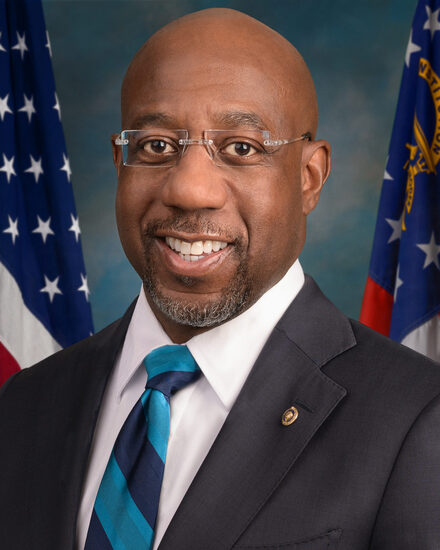
Raphael G. Warnock
100% support rate
Top opponent
Thomas Massie
14% support rate
Ranked legislators
10
5 support · 5 oppose
Key legislators

Who's moving education in United States

Legislators moving education in United States
Legislator Party Stance Support rate Votes
Raphael G. Warnock
Raphael G. Warnock Senate
D
Strong +
100% 167
Elissa Slotkin
Elissa Slotkin Senate
D
Strong +
86% 166
Michael F. Bennet
Michael F. Bennet Senate
D
Strong +
86% 137
Mark R. Warner
Mark R. Warner Senate
D
Strong +
86% 167
Gary C. Peters
Gary C. Peters Senate
D
Strong +
86% 167
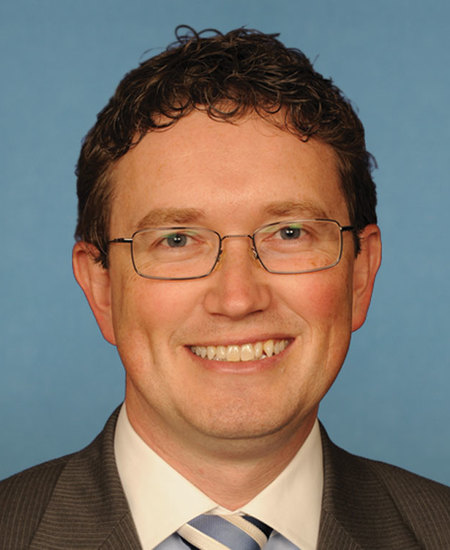
Thomas Massie
Thomas Massie House · District 4
R
Strong −
14% 126
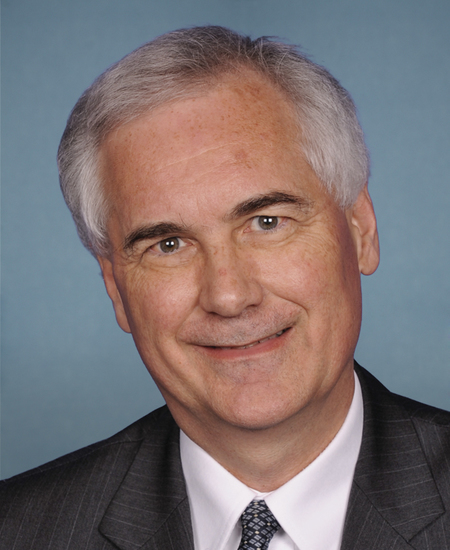
Tom McClintock
Tom McClintock House · District 5
R
Strong −
14% 125
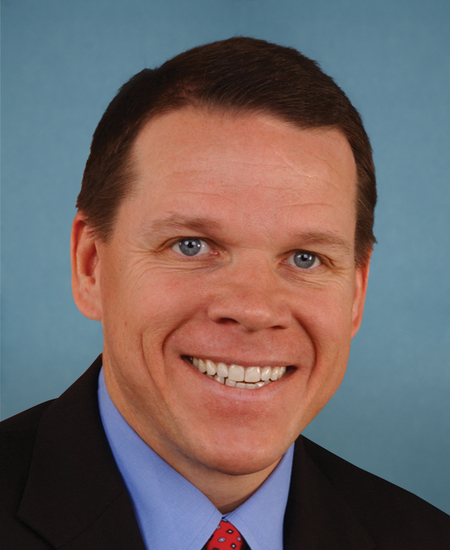
Sam Graves
Sam Graves House · District 6
R
Strong −
14% 124
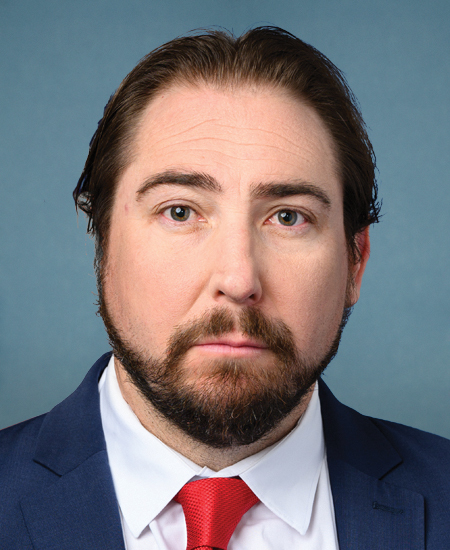
Elijah Crane
Elijah Crane House · District 2
R
Strong −
14% 128
Wesley Hunt
Wesley Hunt House · District 38
R
Strong −
14% 109
Showing 231–240 of 1,179 bills

All education bills

in committee · United States · House May 4, 2026

HRES 1255: Supporting the designation of the week of May 4 through May 8, 2026, as "Teacher Appreciation Week".

This resolution formally recognizes the week of May 4 through May 8, 2026, as "Teacher Appreciation Week" to honor the work of public school educators. It highlights the importance of teachers in the education system and notes that a majority of them support various policies, including protections for students and funding for public schools. The document also expresses the view that teachers should have a direct role in education policymaking at federal, state, and local levels. By issuing this designation, the House of Representatives aims to acknowledge the value of teachers and encourage government leaders to engage with them on issues affecting the classroom.
Sub-Topics Teachers
in committee · United States · House Apr 30, 2026

HR 8618: College Affordability and Accessibility Act

The College Affordability and Accessibility Act increases the maximum Federal Pell Grant amount to $14,800, effective July 1, 2026, and adjusts future amounts based on changes in the Consumer Price Index. It also extends the eligibility period for Pell Grants to include up to 16 semesters for completing both undergraduate and postbaccalaureate degrees, provided students meet specific enrollment requirements. These changes directly affect low-income students who rely on federal financial aid to cover college costs. The bill modifies existing provisions in the Higher Education Act of 1965 to implement these adjustments.
in committee · United States · Senate Apr 29, 2026

S 4428: No Aid for Ghost Students Act of 2026

The No Aid for Ghost Students Act of 2026 requires the Department of Education to use a new identity fraud detection system to review federal student aid applications starting October 1, 2026. If an application triggers a reasonable suspicion of identity fraud, the applicant will be notified and informed that their designated colleges must verify their identity before releasing any financial aid. To prevent payment, schools must confirm the applicant's identity through in-person meetings or live video calls unless the fraud suspicion is cleared. The Department of Education will also be required to report details about the system's design and its effectiveness to Congress annually.
passed · United States · Senate Apr 22, 2026

SRES 686: A resolution recognizing the significance of Community College Month in April as a celebration of more than 1,000 institutions throughout the United States supporting access to higher education, workforce training, and more broadly sustaining and advancing the economic prosperity of the United States.

This Senate resolution formally acknowledges April as Community College Month to honor the role of over 1,000 institutions in providing affordable higher education and workforce training. The bill does not change any laws or allocate funding; instead, it serves as a symbolic statement recognizing how these colleges support economic prosperity and serve diverse student populations. By highlighting statistics on enrollment, tuition costs, and economic impact, the resolution aims to raise public awareness about the value of community colleges without imposing new requirements.
Sub-Topics Higher Education
in committee · United States · Senate Apr 16, 2026

S 4328: FLEX Act

The FLEX Act amends the Elementary and Secondary Education Act to increase federal funding and flexibility for high-quality charter schools. It requires that at least 15 percent of Title IV funds go to charter schools, raising the previous requirement of 12.5 percent, and expands allowable uses of these funds to include new academic programs, personalized learning, and facility improvements. The bill also introduces advance payment options for grant recipients to help with planning and program design, while allowing states to use existing charter authorization applications to streamline the grant process. Additionally, the legislation directs the Secretary of Education to consult with charter school operators before issuing new rules and limits the number of non-essential regulations imposed on these schools.
Sub-Topics School Choice
in committee · United States · Senate Apr 28, 2026

S 4415: TEACH Improvement Act of 2026

The TEACH Improvement Act of 2026 amends the federal TEACH Grant program to better support teacher preparation by establishing stricter eligibility criteria for institutions and clarifying rules for post-baccalaureate students. The bill defines "eligible institutions" as those providing high-quality teacher training, financial stability, and ongoing support services, while also creating a specific pathway for individuals with bachelor's degrees to earn teaching credentials without pursuing a graduate degree. Key provisions include setting grant amounts of $4,000 to $5,000 per year, requiring recipients to serve as full-time teachers in high-need fields for four years within eight years, and introducing a new loan conversion process if service obligations are not met. Additionally, the act imposes penalties on institutions where more than 50% of their graduates fail to complete their service obligations, restricting their ability to offer grants until they demonstrate improved outcomes. The legislation also mandates annual reporting on grant conversions and servicer performance to ensure accountability and transparency in the program's administration.
in committee · United States · Senate May 20, 2026

S 4578: Gateway to Careers Act of 2026

The Gateway to Careers Act of 2026 creates a new grant program to help states fund partnerships between workforce agencies, schools, and employers designed to guide individuals through specific career paths. These partnerships will receive federal funding to develop programs that connect education and training with in-demand jobs, while also providing essential support services like childcare, transportation, and mental health care to help participants complete their training. The bill prioritizes partnerships involving community colleges and those serving people facing barriers to employment, requiring applicants to use evidence-based strategies to improve student outcomes. To ensure accountability, the program mandates regular reporting on participant progress, job placement rates, and earnings, with a portion of funds reserved for independent evaluations of the initiative's effectiveness.
in committee · United States · House Apr 28, 2026

HRES 1221: Supporting the designation of the week of April 27 through May 1, 2026, as "National Specialized Instructional Support Personnel Appreciation Week".

This resolution designates the week of April 27 through May 1, 2026, as National Specialized Instructional Support Personnel Appreciation Week to honor school counselors, social workers, psychologists, nurses, and other allied health professionals. The bill formally recognizes the vital role these workers play in providing prevention services, mental health support, and early interventions that help students overcome barriers to learning. By commending these individuals and their organizations, the measure encourages policymakers to raise awareness about the importance of these support staff in creating safe and effective school environments.
Sub-Topics Student Health
in committee · United States · House Apr 28, 2026

HR 8558: To amend the Research and Development, Competition, and Innovation Act to require each institution of higher education to certify as part of an application for a research and development award that such institution does not operate certain branch campuses, and for other purposes.

This bill requires U.S. universities seeking federal research funding to certify that they do not operate permanent branch campuses in specific countries, including China, Russia, Iran, and others. The legislation defines a branch campus as a separate location that offers degree programs and has its own faculty and administrative control. If a university operates such a campus in a listed nation, it would be ineligible to receive federal research awards. The list of restricted countries also allows the Secretary of State to add additional nations as appropriate.
Sub-Topics Higher Education
passed · United States · Senate Apr 22, 2026

SRES 685: A resolution designating April 22, 2026, as "National Assistive Technology Awareness Day".

This resolution designates April 22, 2026, as National Assistive Technology Awareness Day to highlight the importance of devices that help people with disabilities and older adults perform daily tasks. The bill directly affects individuals with disabilities, older adults, assistive technology specialists, and organizations that support access to these tools. It serves as a commemorative measure to recognize the role of assistive technology in promoting inclusion, education, and employment, while also honoring the professionals who facilitate its distribution. The text provides background statistics on disability prevalence and explains how state programs assist with device exchange, loans, and financing.
Tags People with Disabilities
Showing 231 to 240 of 1,179 bills
Previous 1 23 24 25 118 Next