Issue · Education

Education (K-12 Education)

Every education bill, vote, and legislator stance in United States, automatically classified by Maddy, our AI policy reader.

Total bills
153
119th Congress
Top supporter
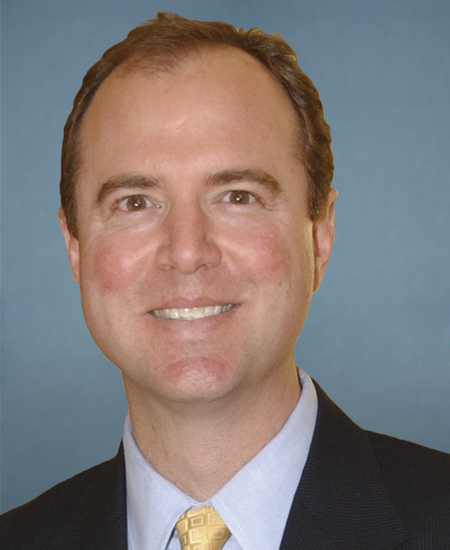
Adam B. Schiff
100% support rate
Top opponent
Donald G. Davis
0% support rate
Ranked legislators
10
5 support · 5 oppose
Key legislators

Who's moving k-12 education in United States

Legislators moving k-12 education in United States
Legislator Party Stance Support rate Votes
Adam B. Schiff
Adam B. Schiff Senate
D
Strong +
100% 4
Amy Klobuchar
Amy Klobuchar Senate
D
Strong +
100% 4
Angela D. Alsobrooks
Angela D. Alsobrooks Senate
D
Strong +
100% 4
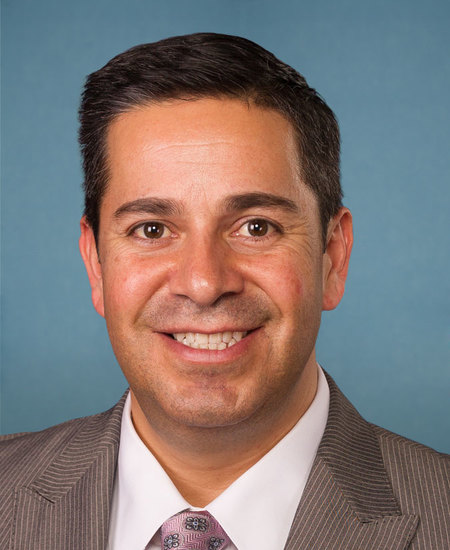
Ben Ray Luján
Ben Ray Luján Senate
D
Strong +
100% 4
Bill Cassidy
Bill Cassidy Senate
R
Strong +
100% 4
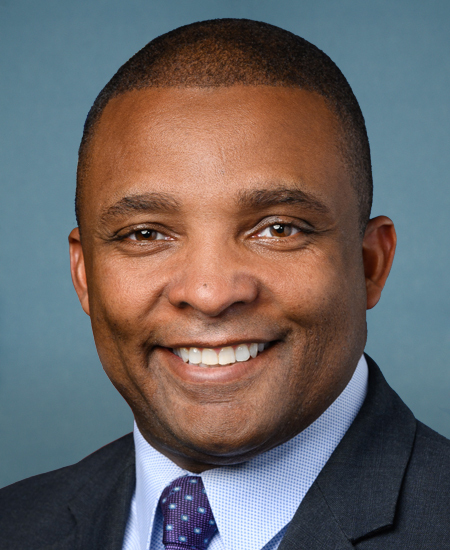
Donald G. Davis
Donald G. Davis House · District 1
D
Strong −
0% 3
Eugene Simon Vindman
Eugene Simon Vindman House · District 7
D
Strong −
0% 3
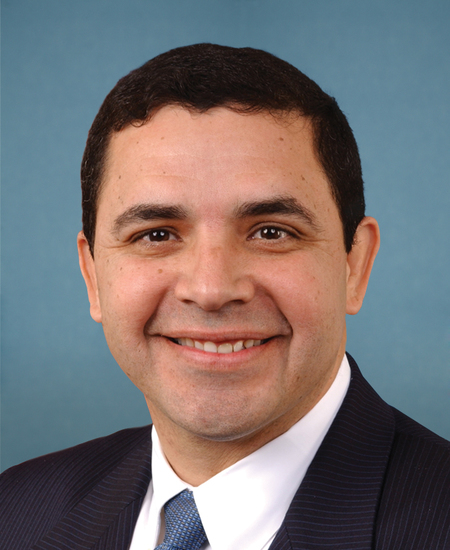
Henry Cuellar
Henry Cuellar House · District 28
D
Strong −
0% 3
Laura Gillen
Laura Gillen House · District 4
D
Strong −
0% 3
Marie Gluesenkamp Perez
Marie Gluesenkamp Perez House · District 3
D
Strong −
0% 3
Showing 141–150 of 153 bills

All education bills

in committee · United States · House Dec 9, 2025

HR 6532: PATHS to Tutor Act of 2025

HR 6532, the PATHS to Tutor Act of 2025, creates a federal grant program to fund high-quality tutoring in "hard-to-staff" and "high-need" schools - those with high teacher turnover or significant student disadvantage. The program requires local consortia (combining schools, educator programs, and community partners) to provide tutoring in small groups (max 1:4), aligned with school curriculum, with trained tutors (including students in education programs or recent graduates) who receive fair compensation. It authorizes $500 million, mandating 85% of funds directly support students (via stipends, materials, transportation) while prohibiting use to replace teachers. The bill also coordinates with the Corporation for National and Community Service to approve tutor positions and offer educational awards upon completion.
in committee · United States · House Mar 14, 2025

HR 2097: Education, Achievement, and Opportunity Act

HR 2097 creates a new federal tax credit allowing parents to claim up to $10,000 annually per child for qualified elementary and secondary education expenses at public, private, parochial, or religious schools. It covers tuition, required fees, specific technology, tutoring, disability services, and transportation to private schools, but excludes uniforms, athletics, or nonacademic fees. The credit phases out for households earning above $75,000 (single) or $150,000 (joint). This directly affects families paying for K-12 education, expanding tax relief beyond current education benefits. The policy change takes effect for tax years after the bill’s enactment.
in committee · United States · Senate Dec 3, 2025

S 3340: 21st Century STEM for Girls and Underrepresented Minorities Act

This bill creates a federal grant program to expand STEM (science, technology, engineering, and math) opportunities for girls and underrepresented minorities in K-12 schools. Qualified local school districts (those serving at least 40% students eligible for free/reduced lunch) can apply for competitive 4-year grants of $250,000 annually to fund specific activities. Key provisions include teacher training to address bias, mentorship programs, parental engagement, summer and after-school STEM activities, field trips to STEM workplaces, and support for advanced course enrollment. The program requires annual evaluations tracking student engagement and academic progress in STEM fields. It directly affects schools serving high-poverty communities with significant underrepresented student populations.
in committee · United States · House Jan 13, 2025

HR 369: States’ Education Reclamation Act of 2025

HR 369, the States’ Education Reclamation Act of 2025, would abolish the U.S. Department of Education and transfer its programs - including job training, special education, and federal student loans - to other federal departments like Labor, Health and Human Services, and the Treasury. It would provide annual federal grants to states for K-12 and higher education, requiring states to use the funds to add to, not replace, their existing education budgets. States must conduct annual audits of fund usage, submit reports to the federal government, and face penalties for misuse, while maintaining compliance with federal anti-discrimination laws. The bill shifts federal education oversight to states, ending direct federal management of education programs.
in committee · United States · Senate Apr 3, 2025

S 1275: Impact Aid Infrastructure Partnership Act

S 1275, the Impact Aid Infrastructure Partnership Act, provides federal funding to help schools on federal lands improve their aging facilities. It targets federally impacted local educational agencies (those serving schools on federal property like Indian reservations or military bases) that struggle with poor building conditions and limited local funding capacity. The bill authorizes $250 million annually for four years to fund competitive emergency repairs for schools with health/safety hazards and formula grants for agencies with limited bonding capacity. Local matching requirements vary based on financial capacity, with some agencies required to contribute 10-25% of project costs depending on their ability to pay.
Sub-Topics K-12 Education School Funding Student Financial Aid Tags Tribal Nations
in committee · United States · House Jul 23, 2025

HR 4728: To codify Executive Order 14280 relating to reinstating commonsense school discipline policies.

HR 4728 codifies Executive Order 14280, which establishes school discipline policies focused on common sense approaches. This bill turns the existing executive order into law, giving it the force of statute. It directly affects public K-12 schools, requiring them to implement these specific discipline policies. The key mechanism is converting the executive order into binding federal law without altering the policy content.
in committee · United States · Senate Mar 19, 2026

S 2841: CIVICS Act of 2025

This bill amends federal education funding rules to prioritize civics and American history education in K-12 schools. It changes eligibility criteria for certain grants under the Elementary and Secondary Education Act by requiring programs to: (1) improve teaching of American history, civics, or government; (2) focus on underserved students and demonstrate innovation; (3) include hands-on civic activities; and (4) teach the Constitution and Bill of Rights. The changes directly affect schools applying for these federal grants by setting new standards for funding approval. The bill modifies existing law without creating new programs or funding streams.
Sub-Topics K-12 Education
in committee · United States · Senate Mar 24, 2025

SRES 133: A resolution expressing support for the local public K-12 schools of the United States and condemning any actions that would defund public education or weaken or dismantle the Department of Education.

This Senate resolution expresses strong support for public K-12 schools and condemns any efforts to defund public education or dismantle the Department of Education. It highlights the federal government’s critical role in providing equitable funding - particularly for students in underserved communities, including those with disabilities, from low-income families, and in rural areas - and opposes diverting funds to private schools. As a non-binding resolution, it does not create new laws but formally states the Senate’s position on protecting public education funding and oversight.
in committee · United States · House Jan 3, 2025

HR 84: Native American Education Opportunity Act

The Native American Education Opportunity Act establishes a program that provides $8,000 annually per eligible Native American student to be deposited into Tribal education savings accounts (ESAs) for educational expenses. Eligible students include those enrolled in Tribes who attended or will attend Bureau of Indian Education schools, with funds usable for private tutoring, private school costs, educational materials, technology, and other approved educational services. Tribes administering these programs must consult with Tribal officials before providing educational services, and the accounts terminate when students turn 25 or complete their education. The bill also authorizes Bureau-Funded Charter Schools to operate under specific guidelines and requires a GAO study on the program's implementation after 3 years.
Sub-Topics K-12 Education School Choice Tags Tribal Nations
in committee · United States · House Dec 4, 2025

HR 6440: Right to Read Act of 2025

Right to Read Act of 2025 This bill expands access to school libraries and literacy skills support for elementary and secondary school students. It also outlines certain constitutional rights and liability protections related to school libraries. Specifically, the bill reauthorizes through FY2030 (1) the Comprehensive Literacy State Development Program, which provides grants to ensure high-quality instruction and effective strategies in reading and writing for children through 12th grade; and (2) the Innovative Approaches to Literacy Program, which provides grants to support the development of literacy skills in low-income communities. Additionally, the bill allows Supporting Effective Instruction State Grants to be used to assist local educational agencies (LEAs) and schools in recruiting, hiring, and retaining state-certified school librarians. Further, the bill authorizes states and LEAs to use Student Support and Academic Enrichment grants for programs and activities that promote the development of digital literacy and information literacy skills. The Department of Education (ED) must direct the National Center for Education Statistics to biennially collect data on school libraries. ED must require an assurance from each state and LEA receiving certain funds confirming that it will (1) protect the First Amendment rights of students in school libraries, and (2) provide equal protection in the conduct of school libraries in compliance with the requirements of the Fourteenth Amendment and nondiscrimination laws. The bill also provides liability protection to teachers, school librarians, school leaders, paraprofessionals, and other staff for actions that conform with state or local policies regarding the right to read.
Showing 141 to 150 of 153 bills