Issue · Criminal Justice

Criminal Justice

Every criminal justice bill, vote, and legislator stance in United States, automatically classified by Maddy, our AI policy reader.

Total bills
1,286
119th Congress
Top supporter
Alan Armstrong
86% support rate
Top opponent
Amy Klobuchar
13% support rate
Ranked legislators
10
5 support · 5 oppose
Key legislators

Who's moving criminal justice in United States

Legislators moving criminal justice in United States
Legislator Party Stance Support rate Decisive votes
AA
Alan Armstrong Senate
R
Strong +
86% 28
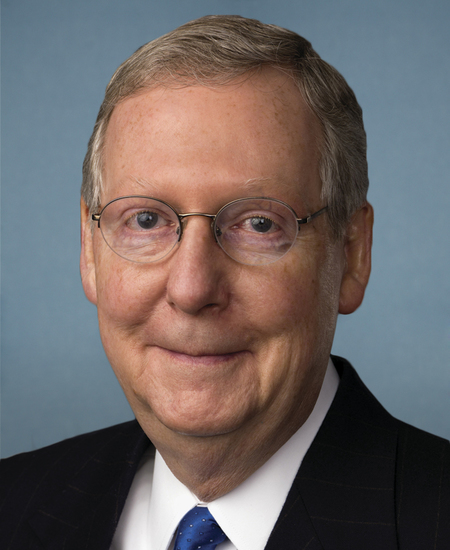
Mitch McConnell
Mitch McConnell Senate
R
Strong +
84% 31
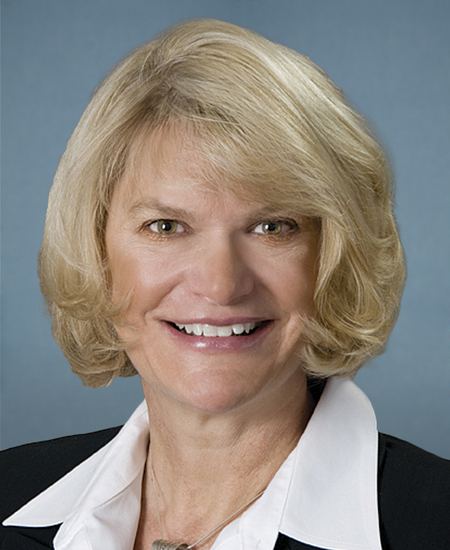
Cynthia M. Lummis
Cynthia M. Lummis Senate
R
Strong +
80% 30
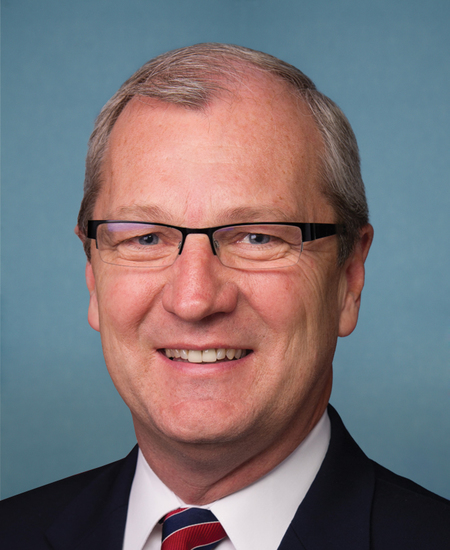
Kevin Cramer
Kevin Cramer Senate
R
Strong +
80% 30
Bernie Moreno
Bernie Moreno Senate
R
Support
77% 31
Amy Klobuchar
Amy Klobuchar Senate
D
Strong −
13% 31
Catherine Cortez Masto
Catherine Cortez Masto Senate
D
Strong −
13% 31
Margaret Wood Hassan
Margaret Wood Hassan Senate
D
Strong −
13% 31
Andy Kim
Andy Kim Senate
D
Strong −
16% 31
Angus S. King, Jr.
Angus S. King, Jr. Senate
I
Strong −
16% 31
Showing 831–840 of 1,286 bills

All criminal justice bills

in committee · United States · House Feb 10, 2026

HR 7467: Virginia’s Law

This federal bill (HR 7467) adds civil remedies for victims of specific federal crimes, primarily sexual abuse (18 U.S.C. §§ 2241-2243) and sex trafficking-related transportation crimes (18 U.S.C. §§ 2421-2423). It allows victims to sue perpetrators for damages and legal costs in federal court, with key changes to time limits: most cases must be filed within 10 years of the offense or until the victim turns 18 (if a minor), but no time limit applies to cases involving the specified sections. Civil lawsuits must pause during related criminal trials. The bill directly affects victims of these crimes, particularly minors, by expanding legal options for seeking compensation.
in committee · United States · House Oct 8, 2025

HR 5725: Mental Health Crisis Response Act of 2025

HR 5725, the Mental Health Crisis Response Act of 2025, establishes a federal grant program to help state and local governments create health-centered alternatives for mental health emergencies. It provides $25 million annually (2027-2031) for jurisdictions to embed mental health professionals in 911 systems, develop direct routing to crisis hotlines like 988, and build partnerships between emergency services and dispatch centers. The bill specifically aims to reduce law enforcement involvement in behavioral health crises by creating streamlined pathways to crisis care, without requiring police removal or overriding state emergency authority laws. Jurisdictions receiving grants must report on response times, use of force, and diversion rates to health services.
Sub-Topics Law Enforcement Policing Mental Health Tags Public Safety
in committee · United States · House Jan 22, 2025

HR 629: Ending Chemical Abortions Act of 2025

HR 629, the "Ending Chemical Abortions Act of 2025," would criminalize the prescription, distribution, or sale of drugs used for chemical abortions (like mifepristone and misoprostol) under federal law, with penalties up to 25 years in prison. It directly affects healthcare providers who prescribe or dispense these drugs, while exempting contraceptive use before pregnancy, treatment of miscarriages, and life-threatening pregnancy conditions certified by a physician. The bill defines "abortion" as intentionally ending a pregnancy, excludes women from prosecution, and redefines "unborn child" to begin at fertilization. This legislation would replace existing federal abortion-related provisions and apply nationwide, making chemical abortion drugs subject to new criminal penalties.
in committee · United States · Senate Nov 18, 2025

S 3187: Bivens Act of 2025

This bill amends 42 U.S.C. § 1983 (the main federal civil rights statute) by adding "of the United States" before "of any State" in its text. It would directly affect individuals seeking to sue federal officials for constitutional violations committed while acting under federal authority. The key mechanism is a narrow textual change to clarify that lawsuits can be brought against federal actors under this statute, similar to existing provisions for state officials. This is a procedural adjustment to existing law, not a new policy. (Note: This bill does not create new rights but modifies how an existing legal remedy applies.)
Sub-Topics Civil Rights Tags Civil Liberties
in committee · United States · House Nov 18, 2025

HR 6104: Dark Web Interdiction Act of 2025

HR 6104, the Dark Web Interdiction Act of 2025, creates a new federal offense for knowingly distributing controlled substances via the dark web and establishes the Joint Criminal Opioid and Darknet Enforcement Task Force. The bill mandates a 2-level sentencing increase for such violations and directs the new task force - comprising agencies like the FBI, DEA, and Customs - to disrupt dark web drug marketplaces through coordinated investigations, forensic training, and international collaboration. It requires annual reports on the task force’s activities and a separate report on virtual currency use in drug trafficking. The law applies directly to law enforcement agencies and targets individuals operating or using dark web marketplaces for illicit drug sales, with a 5-year sunset provision.
in committee · United States · House Jul 23, 2025

HR 4713: Safe Schools and Communities Act of 2025

HR 4713, the Safe Schools and Communities Act of 2025, provides federal grants to school districts to fund training for staff who regularly interact with students. The bill requires grant recipients to cover training on human trafficking risk factors, fentanyl and drug abuse prevention, gang activity intervention strategies, and local community resources. Funds must also cover training costs (like instructor fees and materials) and implement specialized curricula in these areas. This directly affects elementary and secondary school personnel in districts receiving grants, with funding administered through the existing Elementary and Secondary Education Act framework.
in committee · United States · House Jun 13, 2025

HR 4015: Safe and Open Streets Act

HR 4015, the Safe and Open Streets Act, amends federal law to make it a crime to intentionally block public roads in a way that disrupts commerce. It targets individuals who obstruct, delay, or affect the movement of goods or services on public roads, with penalties including fines or up to five years in prison. The bill directly affects anyone who blocks roads during protests, demonstrations, or other actions that interfere with commercial traffic. This law updates existing federal commerce disruption statutes (18 U.S.C. §1951) to specifically address roadblocks, removing outdated language about "threats or violence" from related provisions.
Sub-Topics Corrections
in committee · United States · House May 29, 2025

HR 3652: National Police Misuse of Force Investigation Board Act of 2025

The National Police Misuse of Force Investigation Board Act of 2025 would create a federal Board to investigate deaths in police custody, officer-involved shootings, and severe force incidents resulting in bodily injury. The Board would have 8 members appointed by the President with specific qualifications in civil rights law, psychology, and related fields, and would produce detailed reports with demographic data, circumstances, and outcomes of each incident. Law enforcement agencies receiving certain federal grants would be required to respond to Board recommendations within 90 days and report annually on implementation progress. The bill also mandates family support services for victims' families and establishes procedures for the Board to conduct investigations, obtain evidence, and maintain public transparency through annual reports to Congress.
in committee · United States · House Sep 18, 2025

HR 5477: Litigation Reimbursement Act

HR 5477, the Litigation Reimbursement Act, requires courts to automatically award attorney fees and litigation costs to winning parties in certain cases. It changes criminal case rules (amending 18 U.S.C. 3006A) so courts must award fees to defendants who win at trial and are not convicted, rather than allowing judges discretion. It also makes such fee awards mandatory in civil cases (amending 28 U.S.C. § 2412), replacing "may be awarded" with "shall be awarded" for prevailing parties. The bill directly affects individuals or entities that prevail in federal criminal trials resulting in non-convictions or in federal civil litigation. This is a procedural change to existing fee-shifting rules, not a substantive policy shift.
Sub-Topics Victims' Rights
in committee · United States · Senate Feb 19, 2025

S 626: SOCIAL MEDIA Act

This bill requires social media platforms to create a 24/7 law enforcement portal with direct contact information for investigations and publish a link to it on their homepage. It establishes an FTC advisory committee to develop standardized reporting metrics on how platforms monitor illegal content (like counterfeit drugs or fentanyl advertisements), refer such content to law enforcement, and respond to official requests. Platforms must publicly report annually on these metrics, including response times to subpoenas and referrals made. The Federal Trade Commission enforces the requirements, treating violations as unfair or deceptive practices under existing law.
Showing 831 to 840 of 1,286 bills
Previous 1 … 83 84 85 … 129 Next