Issue · Criminal Justice

Criminal Justice

Every criminal justice bill, vote, and legislator stance in United States, automatically classified by Maddy, our AI policy reader.

Total bills
1,286
119th Congress
Top supporter
Alan Armstrong
86% support rate
Top opponent
Amy Klobuchar
13% support rate
Ranked legislators
10
5 support · 5 oppose
Key legislators

Who's moving criminal justice in United States

Legislators moving criminal justice in United States
Legislator Party Stance Support rate Decisive votes
AA
Alan Armstrong Senate
R
Strong +
86% 28
Mitch McConnell
Mitch McConnell Senate
R
Strong +
84% 31
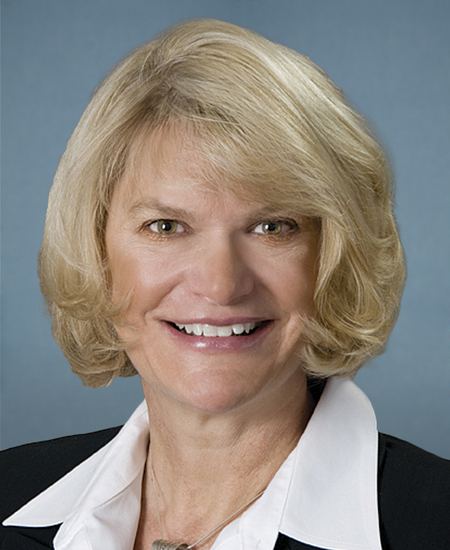
Cynthia M. Lummis
Cynthia M. Lummis Senate
R
Strong +
80% 30
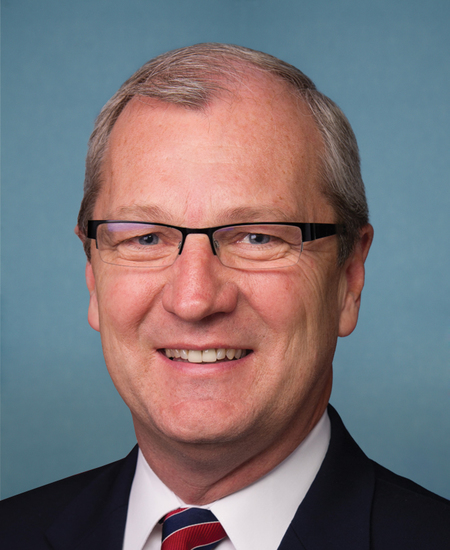
Kevin Cramer
Kevin Cramer Senate
R
Strong +
80% 30
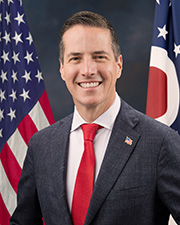
Bernie Moreno
Bernie Moreno Senate
R
Support
77% 31
Amy Klobuchar
Amy Klobuchar Senate
D
Strong −
13% 31
Catherine Cortez Masto
Catherine Cortez Masto Senate
D
Strong −
13% 31
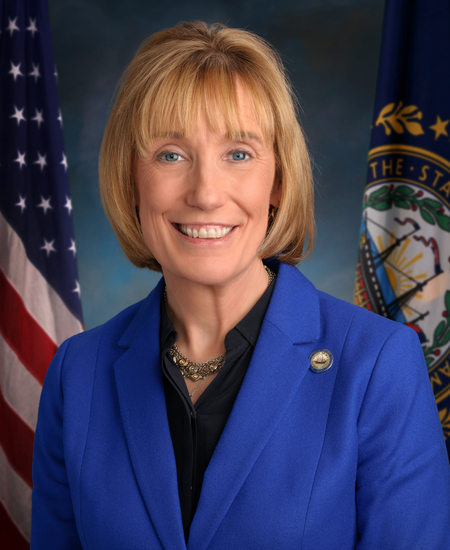
Margaret Wood Hassan
Margaret Wood Hassan Senate
D
Strong −
13% 31
Andy Kim
Andy Kim Senate
D
Strong −
16% 31
Angus S. King, Jr.
Angus S. King, Jr. Senate
I
Strong −
16% 31
Showing 821–830 of 1,286 bills

All criminal justice bills

in committee · United States · Senate May 7, 2025

S 1652: Protecting Communities and Preserving the Second Amendment Act of 2025

The Protecting Communities and Preserving the Second Amendment Act of 2025 improves the National Instant Criminal Background Check System (NICS) by requiring federal agencies to share mental health records and implementing accountability measures for grant recipients. It increases penalties for illegal firearm purchases, establishes new programs to prosecute gun violence in high-violence jurisdictions (including a "Nationwide Project Exile Expansion"), and creates regional task forces to combat firearms trafficking. The bill clarifies definitions related to mental health restrictions on firearm possession and modifies rules for interstate transportation of firearms under certain conditions. It also mandates a study on the causes of mass shootings and requires reports on ammunition purchases by federal agencies.
Sub-Topics Drug Policy Firearms
in committee · United States · House Jun 13, 2025

HR 4014: Preventing Lethal Agricultural and National Threats (PLANT) Act

The PLANT Act makes it a federal crime to import high-risk agricultural pathogens - such as harmful bacteria, viruses, or pests - without a U.S. Department of Agriculture permit. It directly affects importers, including businesses or individuals bringing in biological agents that could damage U.S. crops, livestock, or ecosystems. Violations carry up to 10 years in prison, with penalties increasing to 20 years if the offense involves concealing the pathogen’s origin, foreign government involvement, or over $1 million in economic harm. The Secretary of Agriculture will define "high-risk" pathogens through future regulations.
Sub-Topics Corrections
passed · United States · House Jan 13, 2026

HR 6732: Coercion and Sexual Abuse Free Environment Act

This bill creates new federal criminal penalties for intentionally coercing minors (under 18) through interstate means (like mail or online platforms) to engage in harmful acts. It specifically prohibits forcing minors to commit self-harm (including suicide attempts), animal cruelty, abusive nonsexual conduct, sexually explicit acts, or obscene speech. Violations carry fines and prison terms of up to 10 years, with harsher penalties (up to 20 years or life) if serious injury or death results. The law directly protects minors from coercion by perpetrators using interstate communication or commerce, with enforcement under existing federal criminal code.
in committee · United States · Senate Jan 9, 2025

S 53: PRINTS Act

This bill requires U.S. Customs and Border Protection officers to obtain fingerprints from noncitizen children under 14 years old if they suspect the child is a trafficking victim. It also creates a new federal crime for adults (18+) who knowingly use a minor for entry into the U.S. when not a blood relative or guardian, punishable by fines or up to 10 years in prison. The law mandates sharing fingerprints with health officials for unaccompanied children and requires annual reports to Congress and monthly public updates on trafficking apprehensions involving false relative claims. It directly affects children entering the U.S., potential traffickers, and federal agencies handling border security and child welfare.
in committee · United States · Senate Nov 5, 2025

S 3109: TRAFFIC Act of 2025

S 3109 (TRAFFIC Act of 2025) permanently disqualifies individuals convicted of human trafficking from obtaining or holding transportation-related licenses and certifications. It amends federal laws governing merchant mariners (46 U.S.C. § 7512), locomotive operators (49 U.S.C. § 20135), train conductors (49 U.S.C. § 20163), commercial drivers (49 U.S.C. § 31310), pilots (49 U.S.C. § 44703), and other transportation authorizations. The bill prohibits issuing these licenses to anyone convicted of offenses under federal human trafficking law (18 U.S.C. Chapter 77) or substantially similar state/local/Tribal laws. This applies directly to transportation workers seeking or holding credentials for operating vehicles, vessels, or aircraft.
Sub-Topics Human Trafficking
in committee · United States · Senate Jan 29, 2026

S 3724: Improving Reporting to Prevent Hate Act of 2026

This bill requires large local governments (over 100,000 people) that apply for federal hate crime funding to credibly report hate crime data to the FBI. If a jurisdiction fails to report hate crimes (or reports zero incidents) for a year, it loses eligibility for future federal funding, unless the Attorney General certifies the jurisdiction conducted significant community education on hate crimes. Such education includes adopting hate crime reporting policies, creating specialized units, or holding public forums about hate crime prevention and victim services. The Attorney General must annually publish a report identifying jurisdictions meeting the education exception. The law aims to improve data accuracy by linking funding to verified hate crime reporting.
Sub-Topics Civil Rights
in committee · United States · House Apr 30, 2025

HR 3121: Anna’s Law of 2025

HR 3121, "Anna’s Law of 2025," requires federal grants to fund trauma-informed training for law enforcement and emergency medical personnel who handle sexual assault, domestic violence, and stalking cases. The training must cover how trauma affects victims’ behavior, prevent retraumatization during interactions, and teach victim-centered communication techniques. It mandates 8 hours of training for new recruits in law enforcement or EMT programs and 4 hours annually for existing staff. The bill also requires grant recipients to use diverse trainers and report annually to Congress on program effectiveness and survivor experiences. This policy directly affects law enforcement agencies, emergency medical services providers, and survivors interacting with these responders.
in committee · United States · House Feb 2, 2026

HR 7310: Deadly Force Independent Review Act of 2026

This bill requires all federal law enforcement agencies to investigate every use of deadly force by their officers, including making evidence available to state/local authorities. It mandates independent reviews by agency inspectors general to ensure investigations were thorough and properly supported, and directs the Council of Inspectors General to create uniform national guidelines for these reviews and data collection. Agencies must submit quarterly reports to Congress containing detailed data on each incident - such as location, officer/target demographics (race, gender, age), nature of force used, and reasons given - while protecting all personally identifiable information from public release. The law directly affects federal law enforcement officers, agencies, and oversight bodies by standardizing investigations and increasing transparency through mandated reporting.
in committee · United States · House Jun 3, 2026

HR 175: Deport Alien Gang Members Act

This bill creates new grounds for deporting non-citizens who are members of or associated with criminal gangs. It defines a "criminal gang" as a group of five or more people whose primary purpose is committing serious crimes like drug offenses, violence, trafficking, or weapons violations. The Secretary of Homeland Security can designate groups as criminal gangs after consultation with the Attorney General, and these designations make gang members ineligible for asylum, temporary protected status, parole, and other immigration benefits. The bill also establishes procedures for reviewing and revoking these designations, with limited judicial review options.
in committee · United States · House Feb 18, 2025

HR 1439: Korematsu-Takai Civil Liberties Protection Act of 2025

HR 1439, the Korematsu-Takai Civil Liberties Protection Act of 2025, prohibits the U.S. government from detaining individuals solely based on protected characteristics. It amends federal law to ban imprisonment or detention due to race, ethnicity, national origin, religion, sex, gender identity, sexual orientation, disability, or any characteristic the Attorney General later adds. The bill directly affects anyone subject to federal detention, ensuring government actions cannot target people based on these specific traits. Key provisions include a clear definition of protected characteristics and a rule preventing the Attorney General from removing existing categories from the list. This creates a concrete legal barrier against discriminatory detention practices.
Sub-Topics Civil Rights Detention Tags Civil Liberties
Showing 821 to 830 of 1,286 bills
Previous 1 … 82 83 84 … 129 Next