Issue · Criminal Justice

Criminal Justice

Every criminal justice bill, vote, and legislator stance in United States, automatically classified by Maddy, our AI policy reader.

Total bills
1,286
119th Congress
Top supporter
Alan Armstrong
86% support rate
Top opponent
Amy Klobuchar
13% support rate
Ranked legislators
10
5 support · 5 oppose
Key legislators

Who's moving criminal justice in United States

Legislators moving criminal justice in United States
Legislator Party Stance Support rate Decisive votes
AA
Alan Armstrong Senate
R
Strong +
86% 28
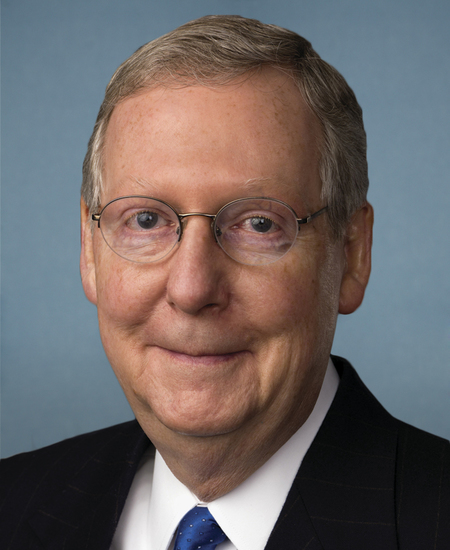
Mitch McConnell
Mitch McConnell Senate
R
Strong +
84% 31
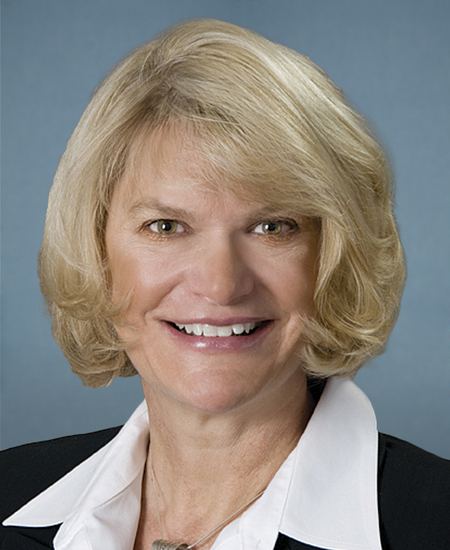
Cynthia M. Lummis
Cynthia M. Lummis Senate
R
Strong +
80% 30
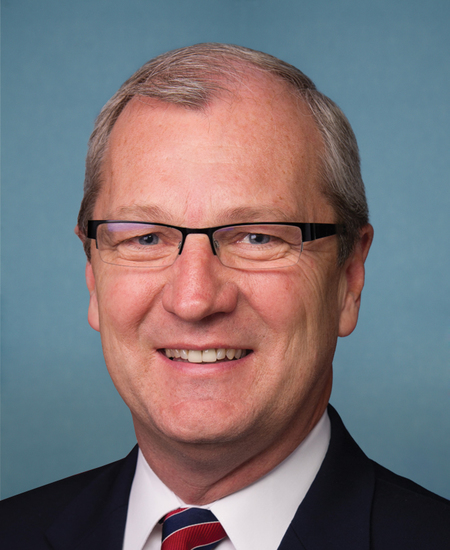
Kevin Cramer
Kevin Cramer Senate
R
Strong +
80% 30
Bernie Moreno
Bernie Moreno Senate
R
Support
77% 31
Amy Klobuchar
Amy Klobuchar Senate
D
Strong −
13% 31
Catherine Cortez Masto
Catherine Cortez Masto Senate
D
Strong −
13% 31
Margaret Wood Hassan
Margaret Wood Hassan Senate
D
Strong −
13% 31
Andy Kim
Andy Kim Senate
D
Strong −
16% 31
Angus S. King, Jr.
Angus S. King, Jr. Senate
I
Strong −
16% 31
Showing 801–810 of 1,286 bills

All criminal justice bills

in committee · United States · House Jul 17, 2025

HR 4472: Stop COYOTES Act

The Stop COYOTES Act (HR 4472) increases penalties for certain crimes involving minors by adding up to 10 years in prison for offenders who commit felonies against children within 1,000 feet of schools, colleges, or youth facilities like playgrounds. It also raises maximum fines for fentanyl-related drug offenses under the Controlled Substances Act and requires federal agencies to share border crime data - including human trafficking, smuggling, and drug trafficking - with state and local law enforcement near U.S. borders. This bill directly affects individuals convicted of these specific offenses and mandates regular reports to Congress on border-related criminal activity.
in committee · United States · House Jul 25, 2025

HR 4755: LEO K9 Protection Act

This bill strengthens protections for police dogs and horses used in law enforcement by increasing penalties for harming them, including up to 15 years in prison for using deadly weapons. It requires the Transportation Secretary to create emergency medical guidelines for treating injured police animals and establish regulations allowing their transport to veterinary facilities without waiting for human patients. The rules ensure emergency medical personnel can provide care to police dogs during transport or at the scene of an incident. These changes apply to dogs and horses serving federal, state, or local law enforcement agencies in roles like crime detection, disaster response, or military operations.
in committee · United States · House Feb 6, 2025

HR 1064: Stopping Overdoses of Fentanyl Analogues Act

HR 1064, the "Stopping Overdoses of Fentanyl Analogues Act," adds all fentanyl-related substances to the federal Schedule I list of controlled substances without requiring separate listing. It defines these substances broadly as any chemical structure similar to fentanyl - such as modifications to its phenyl, piperidine, or aniline rings - to automatically cover new synthetic fentanyl analogues created by drug manufacturers. This change treats these substances as illegal fentanyl analogues under existing penalties, meaning law enforcement can prosecute them without proving they meet the current legal definition of a "controlled substance analogue." The bill directly affects drug manufacturers, distributors, and law enforcement by streamlining the regulation of new fentanyl-like compounds designed to evade current laws.
in committee · United States · House Jan 15, 2026

HR 7111: Correctional Facility Disaster Preparedness Act of 2026

The Correctional Facility Disaster Preparedness Act of 2026 requires the Bureau of Prisons to annually report on the impacts of major disasters (like natural disasters or public health emergencies) at federal correctional facilities and contract prisons. The report must detail effects on inmate/staff safety, access to medical care, food, water, visitation, disability accommodations, and financial costs, along with a corrective action plan for improving emergency preparedness. It also mandates the National Institute of Corrections to hold a public hearing within one year to evaluate how facilities can better incorporate specific emergency planning measures - such as medical access, early release considerations, and visitation protocols - into their disaster response. This legislation directly affects federal prisons, contract facilities, and the 150,000+ inmates and staff within them, aiming to standardize transparency and response protocols during crises.
Sub-Topics Corrections Tags Emergency Management
in committee · United States · Senate Nov 6, 2025

S 3146: Restoring Access for Detainees Act

S 3146 (Restoring Access for Detainees Act) would require U.S. Immigration and Customs Enforcement (ICE) to provide immigration detainees in DHS custody with specific communication services. It mandates 200 free monthly minutes for calls to family or legal representatives, unlimited free minutes for communications with legal entities (like courts, immigration officials, or the UN Refugee Agency), and private communication opportunities with lawyers or oversight officials during initial detention and location changes. The bill also prohibits facilities from restricting legal call duration or monitoring protected communications, while requiring clear public policies on call timing and location. This directly affects detained immigrants seeking legal assistance or family contact during immigration proceedings.
in committee · United States · Senate Mar 26, 2025

S 1154: Congressional Whistleblower Protection Act of 2025

The Congressional Whistleblower Protection Act of 2025 extends protections to federal employees, job applicants, and workers for government contractors who report wrongdoing. It updates existing law to provide clear administrative processes for seeking remedies against retaliation, with tailored procedures for different groups (e.g., FBI staff or intelligence community workers). If administrative remedies aren't resolved within 180 days, whistleblowers can sue in federal court for double back pay, reinstatement, legal fees, or other damages. This bill aims to strengthen accountability by making it easier for covered individuals to seek redress for retaliation.
Sub-Topics Courts
in committee · United States · House Jan 31, 2025

HR 830: SAFE Act

The SAFE Act creates a new category of "fentanyl-related substances" that would automatically be controlled under Schedule I of the Controlled Substances Act based on specific chemical modifications to fentanyl. This affects anyone involved in the production, distribution, or use of substances meeting this broad definition. The bill establishes a process for removing or rescheduling these substances if they're determined to have less potential for abuse than Schedule I substances, and allows courts to review past convictions involving substances that have since been removed from this category. It also creates new research procedures for Schedule I substances and requires a GAO report analyzing the law's implementation and impact within four years.
Sub-Topics Drug Policy Sentencing
in committee · United States · House Jan 15, 2026

HR 7100: Sikh American Anti-Discrimination Act of 2026

HR 7100 establishes a Department of Justice Task Force on Anti-Sikh Hate and Discrimination to address systemic bias against Sikhs. The Task Force must draft a formal definition of anti-Sikh hate for DOJ use, develop educational programs for law enforcement and schools, and produce annual reports on hate crimes and trends. It requires quarterly collaboration with Sikh organizations and translation of materials into Punjabi. The bill directly affects Sikhs in the U.S. (who face disproportionate targeting as noted in FBI data) and mandates federal agencies to improve hate crime data collection and response. This is a policy-focused measure to standardize definitions, enhance reporting, and support community safety through DOJ action.
in committee · United States · House Jun 24, 2025

HR 4103: Break the Cycle of Violence Act

This bill creates federal funding for community-based violence intervention programs in high-violence areas, targeting communities with 35+ homicides annually or 20+ homicides with rates double the national average. It establishes grants for community organizations to implement trauma-informed violence interruption strategies, hospital-based programs for injured patients, and job training for "opportunity youth" (16-25 year olds not in school or work). The legislation authorizes $300 million in 2026, increasing to $700 million annually through 2033, with requirements for evidence-based approaches that reduce violence without contributing to mass incarceration. It creates a National Community Violence Response Center to coordinate data collection, research, and best practices for these programs. The focus is on prevention through economic opportunity, trauma care, and community-driven interventions rather than traditional law enforcement approaches.
in committee · United States · Senate Jan 16, 2025

S 115: GATE CRASHERS Act

S 115, the GATE CRASHERS Act, makes it a federal crime to enter clearly marked restricted or closed Department of Defense (DOD) property without authorization. The bill creates new penalties under Title 18: up to 180 days in jail for a first offense, up to 3 years for a second offense, and up to 10 years for a third or subsequent offense. It directly affects individuals who trespass on DOD facilities despite clear signage restricting access. The law applies to all property under DOD jurisdiction that is marked as closed or restricted, with penalties escalating for repeat violations. This bill does not alter existing DOD security protocols but establishes specific criminal penalties for unauthorized access.
Sub-Topics Corrections
Showing 801 to 810 of 1,286 bills
Previous 1 … 80 81 82 … 129 Next