Issue · Criminal Justice

Criminal Justice

Every criminal justice bill, vote, and legislator stance in United States, automatically classified by Maddy, our AI policy reader.

Total bills
1,286
119th Congress
Top supporter
Alan Armstrong
86% support rate
Top opponent
Amy Klobuchar
13% support rate
Ranked legislators
10
5 support · 5 oppose
Key legislators

Who's moving criminal justice in United States

Legislators moving criminal justice in United States
Legislator Party Stance Support rate Decisive votes
AA
Alan Armstrong Senate
R
Strong +
86% 28
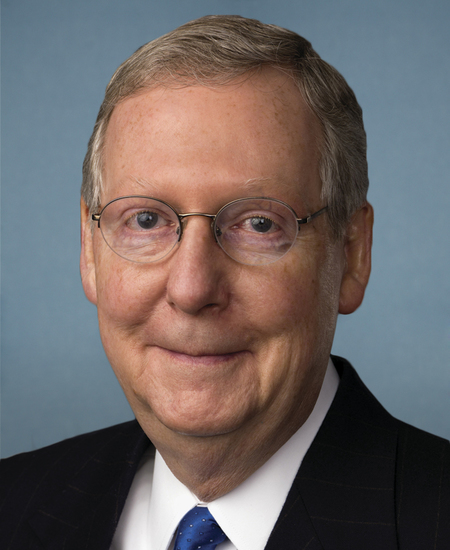
Mitch McConnell
Mitch McConnell Senate
R
Strong +
84% 31
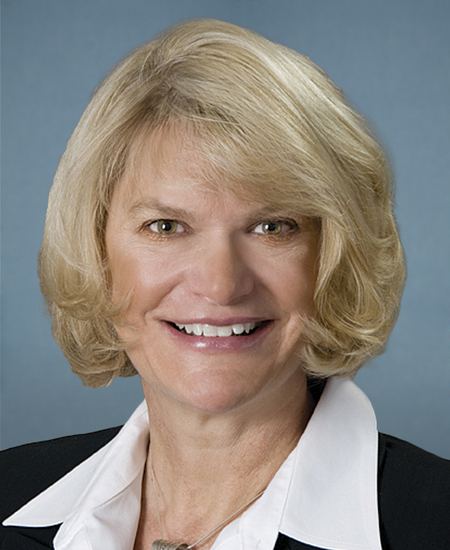
Cynthia M. Lummis
Cynthia M. Lummis Senate
R
Strong +
80% 30
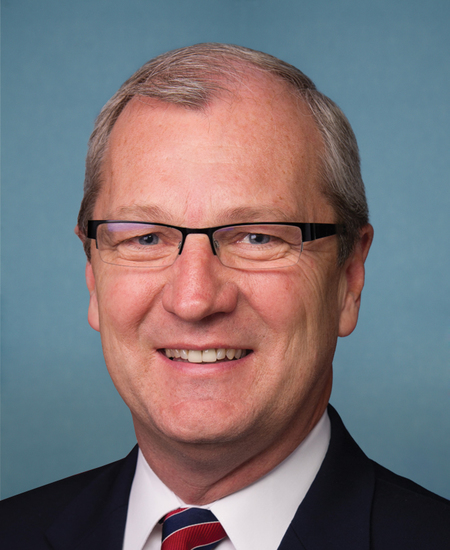
Kevin Cramer
Kevin Cramer Senate
R
Strong +
80% 30
Bernie Moreno
Bernie Moreno Senate
R
Support
77% 31
Amy Klobuchar
Amy Klobuchar Senate
D
Strong −
13% 31
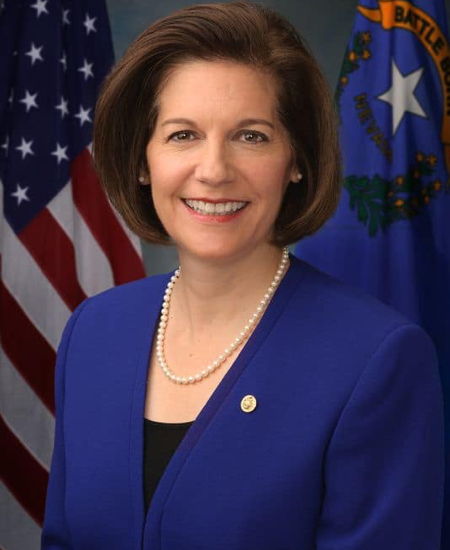
Catherine Cortez Masto
Catherine Cortez Masto Senate
D
Strong −
13% 31
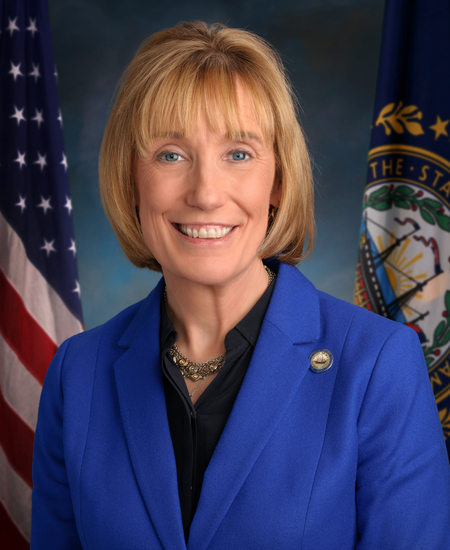
Margaret Wood Hassan
Margaret Wood Hassan Senate
D
Strong −
13% 31
Andy Kim
Andy Kim Senate
D
Strong −
16% 31
Angus S. King, Jr.
Angus S. King, Jr. Senate
I
Strong −
16% 31
Showing 791–800 of 1,286 bills

All criminal justice bills

in committee · United States · Senate Sep 2, 2025

S 2687: CLEAN DC Act

S 2687, the CLEAN DC Act, repeals the Comprehensive Policing and Justice Reform Amendment Act of 2022 (D.C. Law 24-345). This bill directly affects Washington, D.C.'s policing laws and regulations by restoring all prior legal provisions that were amended or repealed by the 2022 law. The key mechanism is a straightforward repeal, returning the District's policing framework to its pre-2022 state without creating new policies. The bill does not introduce new provisions but reverses specific changes enacted in 2022.
in committee · United States · House Dec 10, 2025

HR 6602: Supporting Blue Envelope Programs Act

HR 6602, the Supporting Blue Envelope Programs Act, establishes a federal grant program to fund initiatives that improve law enforcement interactions with individuals who have autism spectrum disorder or other developmental, cognitive, sensory, or communication disabilities. The bill provides $5 million annually (2027-2031) for grants to eligible entities - such as law enforcement agencies partnering with nonprofits - to create "blue envelope programs." These programs offer voluntary, trauma-informed training for officers and provide communication tools (like blue envelopes storing ID/diagnosis info, car decals, or lanyards) to help individuals navigate encounters without requiring registration or participant lists. The grants prioritize scalable, community-supported programs involving multiple agencies and input from self-advocates, with reports to Congress on implementation and best practices.
Sub-Topics Law Enforcement
in committee · United States · House Apr 10, 2025

HCONRES 26: Calling for the end of impunity of unpunished Serbian sexual war crimes during the 1999 Kosovo war in the case of United States citizen and sexual war crime survivor Vasfije Krasniqi Goodman and other survivors of sexual and gender-based violence.

This concurrent resolution (HCONRES 26) expresses Congress's condemnation of the lack of accountability for Serbian sexual war crimes committed against Vasfije Krasniqi Goodman, a U.S. citizen raped by Serbian forces during the 1999 Kosovo war. It specifically references her case - where perpetrators were acquitted and later released despite multiple legal appeals - amid reports that only one perpetrator has been convicted of such crimes out of approximately 20,000 victims. The resolution calls on Kosovo to prioritize prosecuting 1999 war rape cases, urges Serbia to investigate and extradite perpetrators, and directs the U.S. government to elevate Goodman’s case in diplomatic engagements and support rehabilitation efforts. As a non-binding resolution, it formally urges action but does not create new legal obligations.
in committee · United States · House Feb 12, 2026

HR 7564: Jaime’s Law

HR 7564, "Jaime’s Law," amends federal law to require background checks for ammunition transfers between unlicensed individuals. It mandates that unlicensed people cannot directly buy or receive ammunition; instead, they must go through a licensed dealer who conducts background checks and provides required notices. The bill specifically exempts transfers between family members, law enforcement, temporary safety-related transfers, and certain sporting activities. It does not create a national ammunition registry and leaves state laws intact.
in committee · United States · House Sep 19, 2025

HRES 754: Recognizing the psychological impact of immigration enforcement overreach on individuals, their families, and their community.

HRES 754 is a House resolution recognizing the psychological harm caused by current immigration enforcement practices, specifically affecting undocumented immigrants, their families (including 5.5 million U.S.-citizen children living with undocumented relatives), and communities. It condemns ICE tactics that undermine due process and Fourth Amendment rights, such as expedited deportations and courthouse arrests, and calls for Congress to oversee ICE detention centers and monitor policy implementation. The resolution also requests federal agencies collect data on mental health impacts and collaborate with nonprofits to provide culturally appropriate mental health services to affected communities. As a non-binding resolution, it does not change laws but formally acknowledges documented psychological effects like anxiety, family separation trauma, and disrupted community stability.
Sub-Topics Detention Enforcement Sanctuary Policies Tags Civil Liberties
in committee · United States · Senate Feb 12, 2026

S 3883: Language Access to Gun Violence Prevention Strategies Act of 2026

This bill requires the Department of Justice and Health and Human Services to translate key gun violence prevention materials - including extreme risk protection orders and safe storage guides - into priority languages (like Mandarin, Spanish, and others spoken by 3%+ of a population) for limited English proficiency (LEP) communities. It mandates that translated materials undergo review by community-based organizations serving those language groups before release. Grant applications for gun violence prevention programs must include targeted outreach plans for LEP populations, and federal agencies must develop public awareness campaigns in multiple languages. The law directly affects federal agencies, community organizations, and LEP populations seeking access to gun safety resources and prevention strategies.
Sub-Topics Firearms
in committee · United States · House Aug 8, 2025

HR 4944: Ending Qualified Immunity for ICE Agents Act

This bill amends federal law to remove two key legal defenses ICE agents currently use in civil rights lawsuits. Specifically, it eliminates the ability of ICE agents to claim "good faith" or argue that constitutional rights were "not clearly established" when sued for actions like unlawful detention or deportation. The change directly affects ICE agents by making them personally liable for civil rights violations under federal law. It shifts the legal standard so plaintiffs need only prove the agent violated a clearly established right, not that the agent knew it was illegal at the time. This is a procedural change to the lawsuit process, not a new policy or funding measure.
Sub-Topics Civil Rights Detention Enforcement Sanctuary Policies Tags Civil Liberties
in committee · United States · House Aug 5, 2025

HR 4878: MOSSA Act

The MOSSA Act (HR 4878) directs federal agencies to prioritize funding for local governments enforcing laws against public drug use, camping, and loitering, while requiring homelessness programs to link participants with mental health/substance use treatment as a condition of aid. It mandates that federal grant programs for homelessness services end support for "housing first" approaches and "harm reduction" initiatives, instead requiring evidence-based treatment programs and stricter accountability for service providers. The bill also directs agencies to address sex offenders in homeless programs by restricting their housing with children and to review funding recipients operating drug injection sites for legal violations. These provisions collectively shift federal funding toward enforcement-focused and treatment-oriented homelessness strategies, affecting state/local governments, homeless service providers, and individuals accessing federal housing assistance.
in committee · United States · House Jun 3, 2025

HR 3681: Leveraging Educational Opportunity Networks Act

The Leveraging Educational Opportunity Networks Act creates a federal grant program to fund workforce training initiatives targeting workers without bachelor’s degrees, particularly those from low-income backgrounds, rural communities, historically disadvantaged groups, and formerly incarcerated individuals. Eligible organizations - such as non-profits, national training groups, and accredited institutions - would receive competitive grants to develop 12-week career programs that partner with employers in high-demand sectors (like healthcare, IT, and manufacturing), ensuring participants earn recognized credentials while receiving living wages and wraparound supports like stipends and job readiness coaching. Programs must prioritize enrollees reading at a 6th-grade level or below, guarantee at least 50% of participants come from underserved communities, and report annually on outcomes like earnings growth, employment rates, and credential attainment. The initiative allocates $30 million annually (2026-2029) to address labor shortages and support economic mobility through targeted, employer-aligned training.
passed · United States · House Mar 2, 2026

HR 6719: James T. Woods Act

James T. Woods Act This bill expands the federal framework for combating the online exploitation of children. Among its provisions, the bill establishes new criminal offenses, expands reporting requirements, and facilitates the prosecution and sentencing of offenders.   TITLE I—SAFE ACT Sentencing Accountability For Exploitation Act or the SAFE Act This title directs the U.S. Sentencing Commission to review and amend its guidelines and policy statements applicable to federal criminal offenses involving the production, receipt, transport, shipment, or distribution of child sexual abuse material to (1) account for the actual and potential harm from the offense and changes since the last amendments with respect to the typical offense behavior and modern technologies, and (2) better reflect the spectrum of offender culpability. TITLE II—ENDING COERCION OF CHILDREN AND HARM ONLINE Ending Coercion of Children and Harm Online Act or the ECCHO Act This title establishes a federal framework to combat the online coercion of minors to commit harm. The title creates new criminal offenses, expands reporting of instances involving the online coercion of minors, facilitates the prosecution of offenders, and expands protections for minors who testify in court.   TITLE III—STOP SEXTORTION Stop Sextortion Act This title criminalizes threats to distribute child sexual abuse material to intimidate, coerce, extort, or cause substantial emotional distress. This practice is commonly referred to as sextortion . The title also increases criminal penalties for related offenses that involve the use of child sexual abuse material to intimidate, coerce, extort, or cause substantial emotional distress.
Showing 791 to 800 of 1,286 bills
Previous 1 … 79 80 81 … 129 Next