Issue · Criminal Justice

Criminal Justice

Every criminal justice bill, vote, and legislator stance in United States, automatically classified by Maddy, our AI policy reader.

Total bills
1,286
119th Congress
Top supporter
Alan Armstrong
86% support rate
Top opponent
Amy Klobuchar
13% support rate
Ranked legislators
10
5 support · 5 oppose
Key legislators

Who's moving criminal justice in United States

Legislators moving criminal justice in United States
Legislator Party Stance Support rate Decisive votes
AA
Alan Armstrong Senate
R
Strong +
86% 28
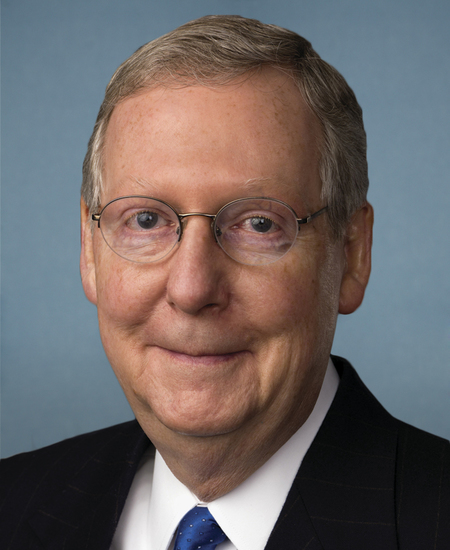
Mitch McConnell
Mitch McConnell Senate
R
Strong +
84% 31
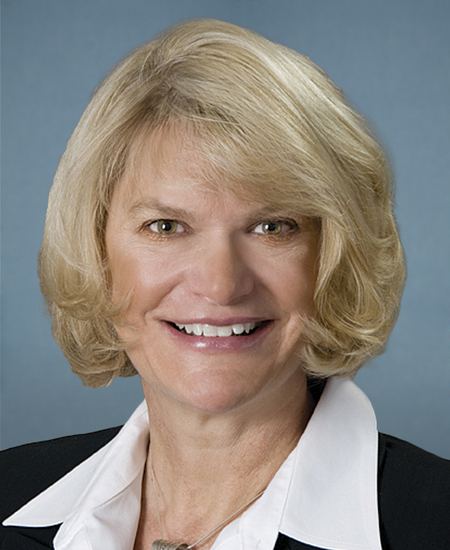
Cynthia M. Lummis
Cynthia M. Lummis Senate
R
Strong +
80% 30
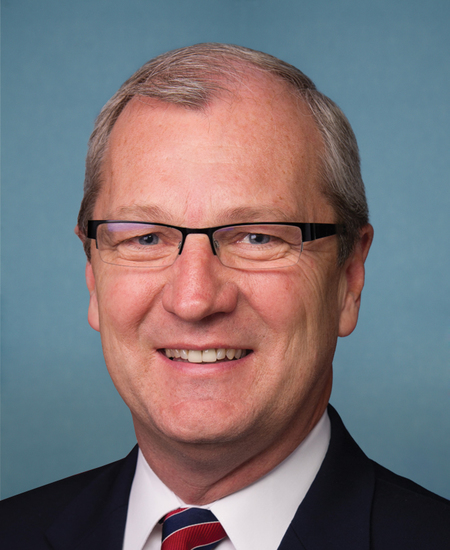
Kevin Cramer
Kevin Cramer Senate
R
Strong +
80% 30
Bernie Moreno
Bernie Moreno Senate
R
Support
77% 31
Amy Klobuchar
Amy Klobuchar Senate
D
Strong −
13% 31
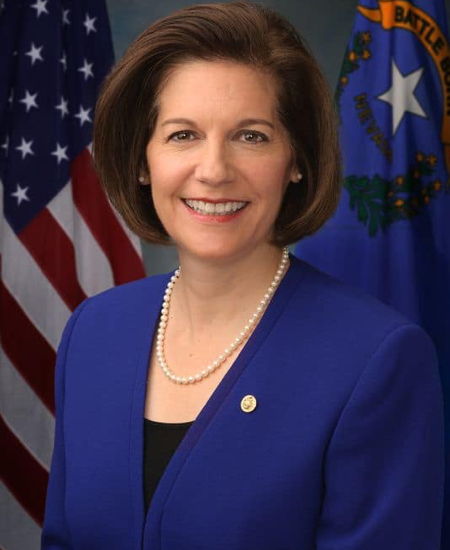
Catherine Cortez Masto
Catherine Cortez Masto Senate
D
Strong −
13% 31
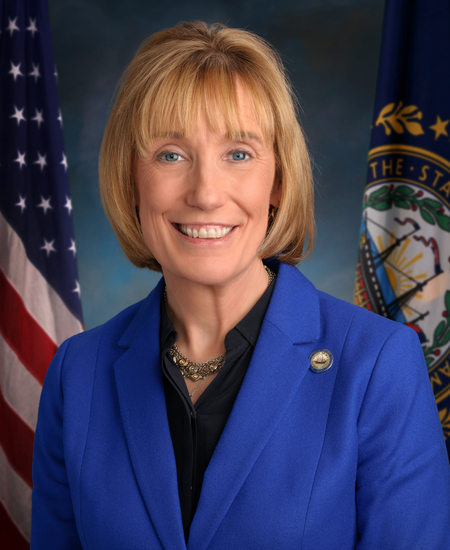
Margaret Wood Hassan
Margaret Wood Hassan Senate
D
Strong −
13% 31
Andy Kim
Andy Kim Senate
D
Strong −
16% 31
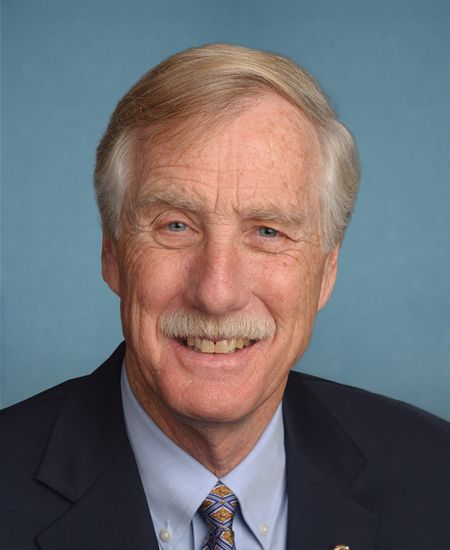
Angus S. King, Jr.
Angus S. King, Jr. Senate
I
Strong −
16% 31
Showing 761–770 of 1,286 bills

All criminal justice bills

in committee · United States · House Feb 25, 2026

HR 7706: Federal Retirement Safety Act

HR 7706, the Federal Retirement Safety Act, modifies federal retirement rules to protect victims of domestic violence. It allows federal employees to bypass spousal consent requirements for lump-sum retirement payments if they self-certify that their spouse or former spouse committed a domestic violence crime (as defined in federal law) against them within the past year. The bill requires the Office of Personnel Management to create safety-focused procedures for obtaining consent or waiving it without consent when domestic violence poses a safety risk. This directly affects federal employees in domestic violence situations who need to access retirement benefits without risking further harm. The law takes effect one year after enactment, with regulations required within one year of passage.
Sub-Topics Domestic Violence
in committee · United States · Senate Jan 27, 2026

S 3702: Dignity for Detained Immigrants Act

The Dignity for Detained Immigrants Act establishes new standards for facilities detaining immigrants under DHS custody, requiring compliance with minimum protections based on American Bar Association standards. It mandates annual unannounced inspections by the DHS Inspector General with public reporting of findings, creates a detailed public database of all detention facilities, and phases out private detention facilities within 3 years. The bill prohibits solitary confinement, requires access to legal orientation and counsel for detainees, and changes detention procedures to require more frequent hearings with a presumption of release for most detainees. These changes directly affect immigrants in DHS custody, DHS facilities, and private contractors operating detention facilities.
in committee · United States · Senate Apr 3, 2025

S 1294: Federal Firearm Licensee Act

The Federal Firearm Licensee Act (S 1294) requires federally licensed firearm dealers to implement stronger security measures for their premises and firearms inventory. The bill mandates annual security certifications, physical inventory checks, and electronic recordkeeping for all firearms transactions, while repealing restrictions that previously limited the ATF's ability to share crime gun trace data with law enforcement. It also increases licensing fees for dealers and establishes new requirements for online marketplaces facilitating firearm sales. These changes aim to improve accountability and reduce firearms diversion to criminals.
in committee · United States · House Oct 1, 2025

HR 5653: Trust Through Transparency Act of 2025

HR 5653, the Trust Through Transparency Act of 2025, requires U.S. Customs and Border Protection (CBP) and U.S. Immigration and Customs Enforcement (ICE) officers, as well as deputized personnel, to wear body cameras during all public immigration enforcement actions like stops, arrests, or checkpoints. Footage must be kept for six months unless it involves use of force, an arrest, a complaint, or a voluntary request for longer retention (up to three years) by officers, the public, or families. The bill mandates annual reports to Congress detailing enforcement actions, compliance issues, disciplinary actions taken, and public access to these reports (with privacy redactions permitted). It also creates an independent panel to advise on body camera policies, aiming to increase accountability in immigration enforcement.
Sub-Topics Policing
in committee · United States · House Feb 11, 2025

HR 1205: Safe Shelters Act of 2025

The Safe Shelters Act of 2025 requires sex offenders mandated to register on the National Sex Offender Registry (under the Adam Walsh Act) to notify shelter staff if they enter a regular emergency shelter during a disaster. It prohibits these offenders from using undesignated shelters without immediate notification, with penalties including fines or up to 5 years in prison for noncompliance. The bill directs FEMA to designate specific federal buildings or prisons as shelters *only* for these offenders during disasters, requiring agencies to share lists of designated shelters with all shelter operators. This directly affects registered sex offenders and emergency shelter managers, creating a new system to separate shelter access during crises. The law takes effect 180 days after enactment.
Sub-Topics Corrections Tags Emergency Management
in committee · United States · House Jun 27, 2025

HR 4223: Gun Records Restoration and Preservation Act

HR 4223, the Gun Records Restoration and Preservation Act, repeals restrictions in the Tiahrt Amendments that currently require federal agencies to destroy most background check records within 24 hours and bar inventory audits of gun shops. The bill removes these barriers, allowing law enforcement to retain background check data longer and access firearm trace records for investigations and research. It also eliminates prohibitions on processing Freedom of Information Act requests about firearm traces and centralizing records at the Department of Justice. This change directly affects law enforcement agencies and researchers by providing greater access to data on gun trafficking patterns and illegal firearm use.
in committee · United States · House Apr 28, 2025

HR 3039: PROSPER Act of 2025

The PROSPER Act of 2025 authorizes $25 million annually (2026-2030) from juvenile justice funds to award grants for youth gun violence prevention programs. It directly affects at-risk youth by requiring grantees to implement evidence-based strategies focused on trauma healing, youth empowerment, mental health connections, community engagement, and gun safety education. Key provisions mandate that programs must be culturally competent, trauma-informed, and inclusive of youth with past exposure to violence or the justice system. Eligible recipients include community organizations, tribes, colleges, and nonprofits - not law enforcement agencies.
in committee · United States · Senate Mar 6, 2025

S 889: Extreme Risk Protection Order Expansion Act of 2025

This bill establishes a federal grant program to help states and tribes implement Extreme Risk Protection Orders (ERPOs), which temporarily restrict firearm access for individuals deemed to pose a danger to themselves or others. To qualify for grants, states and tribes must enact legislation meeting specific requirements, including petition processes, notice and hearing procedures, and standards for issuing ERPOs. The bill requires states to notify federal authorities about ERPOs and update the National Instant Criminal Background Check System, ensuring ERPOs are recognized across state lines. It also mandates training for law enforcement on the safe, impartial use of ERPOs and includes provisions for reporting demographic data on petitioners and respondents. The legislation directly affects states, tribes, law enforcement officers, and individuals subject to ERPOs.
in committee · United States · House Apr 30, 2025

HR 3114: Clean Slate Act of 2025

The Clean Slate Act of 2025 automatically seals federal criminal records for individuals convicted of nonviolent marijuana offenses (under 21 U.S.C. 844) or arrested without conviction, after they complete all sentence requirements. It also creates a petition process for individuals convicted of other nonviolent federal offenses who have completed their sentences, requiring courts to balance public safety concerns against the individual's rehabilitation when deciding whether to seal records. Sealed records cannot be accessed for most background checks, employment, or housing applications, with limited exceptions for law enforcement, national security positions, or firearm-related employment. The bill directly affects individuals with certain nonviolent federal convictions or arrests who have completed their sentences, excluding those with violent offenses, sex offenses, or national security convictions.
in committee · United States · House Nov 12, 2025

HR 6029: To amend the Bank Secrecy Act to exempt transactions with respect to cash reward payments by crime stopper organizations from certain currency transaction reports.

HR 6029 amends the Bank Secrecy Act to exempt cash reward payments by nonprofit crime stopper organizations from currency transaction reporting requirements. Specifically, it directs the Treasury Secretary to exempt transactions between a bank and a crime stopper organization when the payment is for a cash reward offered for crime information. This change would eliminate the need for banks to file currency transaction reports for these specific payments. The exemption applies only to nonprofit organizations operating as crime stopper programs that provide cash rewards for crime tips.
Showing 761 to 770 of 1,286 bills
Previous 1 … 76 77 78 … 129 Next