Issue · Criminal Justice

Criminal Justice

Every criminal justice bill, vote, and legislator stance in United States, automatically classified by Maddy, our AI policy reader.

Total bills
1,286
119th Congress
Top supporter
Alan Armstrong
86% support rate
Top opponent
Amy Klobuchar
13% support rate
Ranked legislators
10
5 support · 5 oppose
Key legislators

Who's moving criminal justice in United States

Legislators moving criminal justice in United States
Legislator Party Stance Support rate Decisive votes
AA
Alan Armstrong Senate
R
Strong +
86% 28
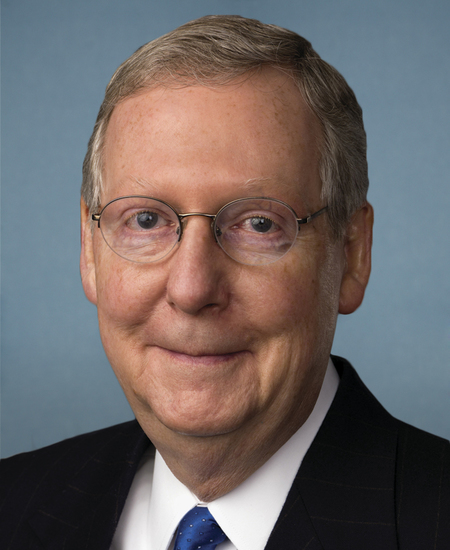
Mitch McConnell
Mitch McConnell Senate
R
Strong +
84% 31
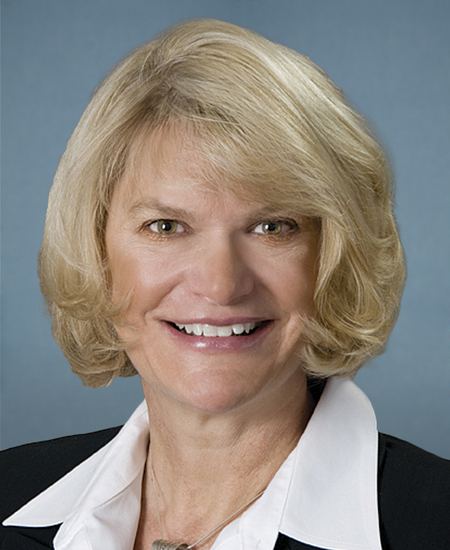
Cynthia M. Lummis
Cynthia M. Lummis Senate
R
Strong +
80% 30
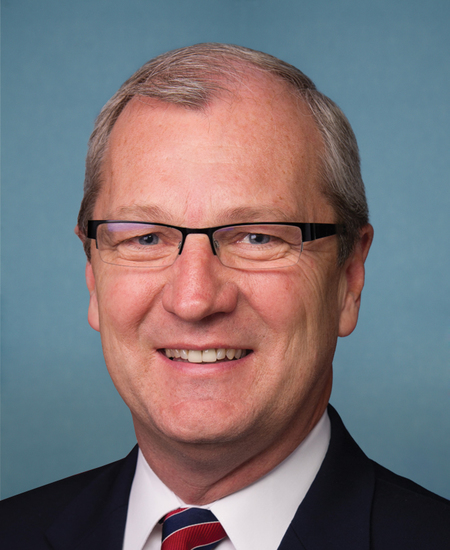
Kevin Cramer
Kevin Cramer Senate
R
Strong +
80% 30
Bernie Moreno
Bernie Moreno Senate
R
Support
77% 31
Amy Klobuchar
Amy Klobuchar Senate
D
Strong −
13% 31
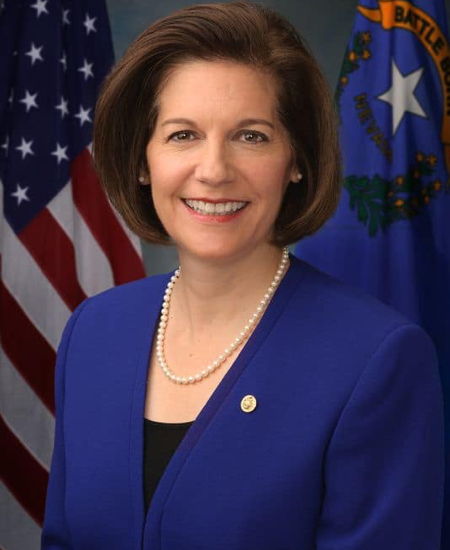
Catherine Cortez Masto
Catherine Cortez Masto Senate
D
Strong −
13% 31
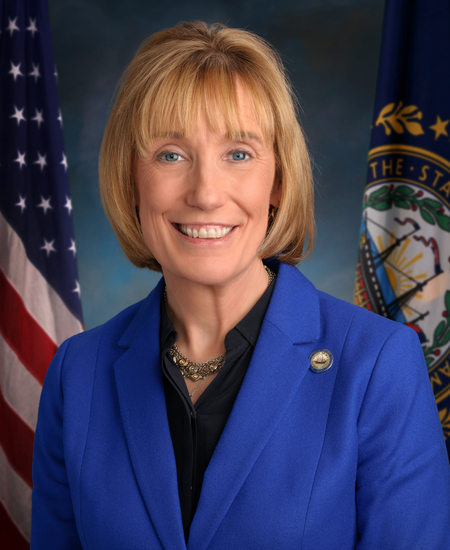
Margaret Wood Hassan
Margaret Wood Hassan Senate
D
Strong −
13% 31
Andy Kim
Andy Kim Senate
D
Strong −
16% 31
Angus S. King, Jr.
Angus S. King, Jr. Senate
I
Strong −
16% 31
Showing 731–740 of 1,286 bills

All criminal justice bills

in committee · United States · House Jul 17, 2025

HR 4476: Preventing Authoritarian Policing Tactics on America’s Streets Act

This bill restricts federal law enforcement officers and military personnel (including National Guard) from conducting crowd control, arrests, or detentions during protests, demonstrations, or riots outside federal property unless specific exceptions apply. It requires officers to visibly display their agency and name/identifier during such operations and prohibits using unmarked vehicles or obscuring identification. Federal agencies must also publish public notices within 24 hours after deployments, detailing the date, personnel numbers, mission purpose, and detainee locations. These provisions apply to all federal law enforcement actions involving civil disobedience or public demonstrations, with exceptions only for state/local written requests or emergency federal action under the Insurrection Act.
Sub-Topics Law Enforcement
in committee · United States · House Dec 4, 2025

HR 6475: Preventing Child Trafficking Act of 2025

HR 6475, the Preventing Child Trafficking Act of 2025, requires the Department of Justice's Office for Victims of Crime and the Administration for Children and Families' Office on Trafficking in Persons to implement the 2023 Government Accountability Office's recommendations for preventing child trafficking and supporting survivors. The bill mandates these agencies to collaborate using established best practices, develop measurable performance goals for child trafficking programs, and base these targets on existing grantee data. It directly affects federal agencies managing anti-trafficking programs and the children and survivors served by those programs. The bill requires a report to Congress within 180 days detailing how these implementation steps were carried out.
Sub-Topics Human Trafficking
in committee · United States · House Feb 9, 2026

HR 7445: Evergreen Community Safety Act of 2026

HR 7445, the Evergreen Community Safety Act of 2026, requires large electronic communication service providers (with 1 million+ users) to disclose customer communications or records to law enforcement within 72 hours of a court order. Courts may extend this deadline in 7-day increments for complex or voluminous data requests. The bill also shortens the deadline for providers to challenge disclosure orders to 48 hours and allows individuals harmed by non-compliance to sue for damages and injunctive relief. This directly affects major tech companies and internet service providers meeting the user threshold, streamlining but tightening data disclosure processes for law enforcement.
in committee · United States · House Feb 25, 2026

HR 7702: Death Penalty for Child Rapists Act

This bill amends federal criminal law to authorize the death penalty for specific sexual abuse offenses against children. It modifies three key provisions (18 U.S.C. §§2241, 2243, and 2244) that currently define aggravated sexual abuse, sexual abuse of a minor, and abusive sexual contact involving children, replacing existing prison terms with the option of "death or imprisonment for any term of years or for life." The change applies to both civilian cases under federal law and military cases under the Uniform Code of Military Justice (10 U.S.C. §920b). The bill directly affects individuals convicted of these specific child sexual abuse crimes, making the death penalty a possible sentencing option.
Sub-Topics Corrections Sentencing
in committee · United States · Senate Jul 17, 2025

S 2348: Healing Partnerships for Survivors Act

S 2348 establishes grants to help sexual assault programs partner with health, behavioral health, disability, and community services to better support survivors. It directly affects State/tribal coalitions, nonprofit sexual assault programs (like rape crisis centers), and Indian tribes. The bill funds trauma-informed, culturally relevant services - including therapy, housing, and case management - while requiring privacy protections and program evaluations. It authorizes $30 million annually from 2026-2030 to improve comprehensive care for survivors, including adult survivors of childhood sexual assault.
in committee · United States · House Nov 20, 2025

HR 6227: Human Trafficking Survivor Tax Relief Act

HR 6227, the Human Trafficking Survivor Tax Relief Act, exempts certain compensation received by human trafficking survivors from federal income tax. Specifically, it excludes restitution or civil damages awarded under federal trafficking laws (18 U.S.C. §§1593 and 1595) from taxable income. This applies to payments survivors receive as compensation for trafficking, including criminal restitution or civil damages from lawsuits. The bill directly benefits survivors who receive these specific awards, ensuring they retain more of their compensation. The tax exclusion applies to taxable years beginning after the bill’s enactment.
in committee · United States · Senate Dec 18, 2025

S 3576: PREPARE Act of 2025

The PREPARE Act of 2025 establishes a federal Commission on the Federal Regulation of Cannabis to develop a regulatory framework for cannabis similar to alcohol regulation. The Commission will study barriers to regulation including impacts of criminalization on minority communities, financial access for cannabis businesses, research limitations, and product safety standards. It must hold public hearings with industry representatives and those affected by cannabis prohibition, and publish initial findings within 120 days and final recommendations within one year. This bill does not change current federal cannabis laws but prepares the government for potential future legalization, directly affecting federal and state regulatory approaches, cannabis businesses, and communities disproportionately impacted by past cannabis prohibition policies.
Sub-Topics Drug Policy
in committee · United States · House Nov 20, 2025

HR 6223: Crime Gun Tracing Modernization Act of 2025

This bill requires the Bureau of Alcohol, Tobacco, Firearms and Explosives (ATF) to create electronic, searchable databases for firearm transaction records held by licensed dealers. It directly affects licensed firearms dealers (who must provide electronic access to their records) and law enforcement agencies (which can query the databases for investigations or foreign intelligence purposes). Key provisions mandate that databases be searchable by firearm details (like serial number or model) but not by personal identifiers, and allow dealers to permanently relinquish paper records after 10 years. The ATF must establish these systems within three years, with annual audits to ensure compliance.
in committee · United States · House Jan 30, 2026

HR 7293: Protecting Children in Surrogacy Act

HR 7293, the Protecting Children in Surrogacy Act, prohibits individuals required to register on the National Sex Offender Registry (covered sex offenders) from obtaining a child through surrogacy or entering surrogacy contracts as intended parents. The bill makes it a federal crime punishable by fines or up to 10 years in prison if the surrogacy arrangement involves interstate or foreign commerce (e.g., travel, payments, or communications across state lines). It also bans federal courts from enforcing surrogacy contracts where the intended parent is a covered sex offender. The law directly affects intended parents who are registered sex offenders and aims to prevent them from gaining legal custody of children via surrogacy arrangements.
Sub-Topics Corrections
in committee · United States · House Sep 23, 2025

HR 5546: Combating Hate Across Campus Act

HR 5546, the Combating Hate Across Campus Act, requires colleges and universities receiving federal funding to collect and report campus hate crime data in more detailed categories. Specifically, it amends the Higher Education Act to mandate that data be reported both by the category of prejudice (like race or religion) AND broken down by the specific identity of the targeted individual or group, following the FBI's latest Hate Crime Data Collection Guidelines. This change directly affects all institutions covered by the Higher Education Act, which includes most colleges and universities receiving federal financial aid. The bill's key provision is the requirement for more detailed, disaggregated hate crime reporting to improve data accuracy and transparency on campus.
Sub-Topics Civil Rights
Showing 731 to 740 of 1,286 bills
Previous 1 … 73 74 75 … 129 Next