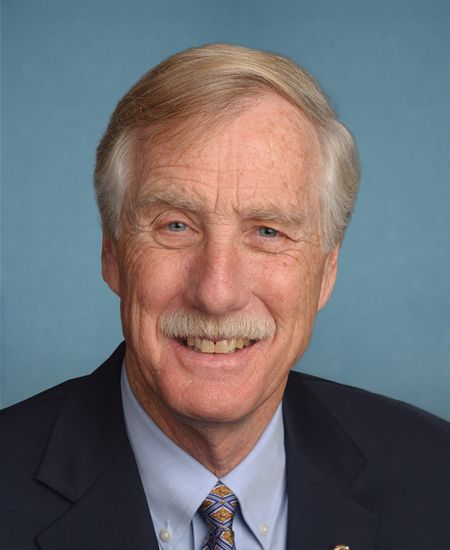
S 3110, the STOP Human Trafficking Act, requires the U.S. Department of Transportation to combat human trafficking in transportation systems by establishing centralized databases tracking anti-trafficking efforts by transportation organizations (like airports, transit agencies, and cruise lines) and developing standardized policies, training, and public awareness materials. Key provisions include updating trauma-informed training for transportation staff, creating multilingual prevention resources for vulnerable travelers, and launching a public awareness campaign focused on high-risk locations during major events. The bill also creates a grant program to fund anti-trafficking initiatives by eligible transportation stakeholders, prioritizing regions with higher trafficking prevalence. It directly affects transportation operators, airports, transit authorities, and related entities by mandating coordinated prevention strategies and resource sharing.
S 1138 requires U.S. Customs and Border Protection to deploy up to 50 additional scanning systems and hire 100 new agents focused on inspecting vehicles and people traveling *from the U.S. to Mexico*. It mandates that by March 2027, at least 10% of southbound conveyances must undergo inspection, using methods like scanning or physical checks. The bill also requires quarterly reports on seized currency, firearms, and ammunition from outbound inspections, along with annual reports detailing resource use and inspection rates. These provisions apply specifically to the U.S.-Mexico border and expire after five years.
HR 4683, the Securing America’s Ports of Entry Act of 2025, requires U.S. Customs and Border Protection (CBP) to hire at least 1,000 additional officers annually until staffing targets are met based on workload data. This directly affects CBP officers, port operations, and facilities like airports and land borders by mandating increased staffing and infrastructure improvements for drug interdiction. Key provisions include a report on port infrastructure needs to enhance opioid detection, requiring CBP to identify technology gaps and safety equipment for officers. The bill also adds reporting requirements for temporary officer reassignments and agreements with ports, ensuring transparency for congressional committees. These changes aim to strengthen border security operations through concrete staffing and resource planning.
The S.T.O.P. Illicit Vapes Act establishes a federal multi-agency task force to combat the illegal importation, distribution, and sale of e-cigarettes. Co-chaired by the Attorney General and Health Secretary, the task force includes representatives from agencies like the FDA, Customs and Border Protection, and the FBI, and must meet monthly to coordinate enforcement efforts. It will submit semiannual reports to Congress detailing agency actions against illicit e-cigarette operations and recommend improvements to address public health concerns. The task force is set to expire 10 years after its establishment.
The ARMAS Act of 2025 transfers control of certain firearms export licensing from the Department of Commerce to the Department of State to better address illegal firearm trafficking. It designates Mexico, Central American nations, and Caribbean countries as "covered countries" subject to stricter export controls, requiring certification before exports and establishing reporting requirements to track and disrupt illegal firearms flows. The bill mandates an interagency strategy to address U.S. firearms contributing to violence in these regions and increases participation in the eTrace program for tracking firearms. It also modifies the Caribbean Basin Security Initiative to better address firearms trafficking and human rights concerns.
HR 3739, the "No Loan Forgiveness for Terrorists Act of 2025," amends the Higher Education Act to exclude certain organizations from qualifying for federal public service loan forgiveness (PSLF). It defines "public service job" to exclude employment with organizations that engage in specific illegal activities, including aiding immigration law violations (like illegal border crossings), materially supporting terrorism (including funding cartels or violent acts), facilitating child abuse (such as chemical castration or trafficking children), engaging in illegal discrimination, or violating state tort laws (like trespassing or vandalism). This change directly affects borrowers working for organizations meeting these criteria, barring them from PSLF eligibility. The bill creates a concrete policy exclusion based on employer conduct, not individual employee actions.
HR 3629, the End Banking for Human Traffickers Act of 2025, requires U.S. financial institutions to improve their ability to detect and prevent money laundering linked to human trafficking. It mandates that the Financial Institutions Examination Council (within 180 days) review and enhance staff training, referral procedures, and detection methods for trafficking-related transactions. The bill also directs an interagency task force to analyze anti-trafficking efforts and submit recommendations - such as better information sharing, updated training, and policy changes - to Congress and federal banking agencies within 270 days. The law explicitly prohibits banks from denying services to trafficking victims and amends existing law to require countries to establish financial frameworks preventing trafficking proceeds. This affects all U.S. banks and financial institutions by changing their anti-money laundering protocols.
The Keeping All Students Safe Act prohibits inappropriate seclusion and restraint in schools, including mechanical, chemical, and certain physical restraints that pose safety risks. It requires schools to use less restrictive interventions first, train staff in crisis intervention, and notify parents within 24 hours of any restraint incident. The law mandates meetings between schools and parents after incidents to discuss prevention strategies and provides documentation requirements. It applies to all public schools receiving federal funding, with specific protections for students with disabilities. States must submit compliance plans and report on restraint use, including demographic data on affected students.
HR 7346, the Drain ICE Act of 2026, repeals specific funding provisions (sections 90003 and 100052) from the "One Big Beautiful Bill Act" and cancels all unspent funds allocated under those sections. This bill directly affects ICE’s detention budget by removing existing financial authority for detention operations. It does not change immigration enforcement practices or directly impact individuals; it solely modifies budgetary allocations. The bill focuses on eliminating funding mechanisms, not on policy changes for migrants or enforcement. (Procedural bill; summary limited to 2 sentences as specified.)
HR 4759, the "Ban Military Drones Spying on Civilians Act," prohibits federal agencies (including DHS and the military) from using military-grade drones to surveil U.S. citizens participating in protests or civil disobedience. It bans the use of funds for operating covered drones - like the MQ-9 Reaper or high-altitude military drones - within the U.S. for this purpose. The bill also requires annual reports detailing any drone use, including justification, locations, equipment, and whether U.S. persons were identified, to Congress. This directly affects how federal agencies deploy surveillance technology during public demonstrations. The law aims to prevent military drone surveillance of civilians during protests, focusing on concrete policy restrictions rather than outcomes.