Issue · Criminal Justice

Criminal Justice

Every criminal justice bill, vote, and legislator stance in United States, automatically classified by Maddy, our AI policy reader.

Total bills
1,286
119th Congress
Top supporter
Alan Armstrong
86% support rate
Top opponent
Amy Klobuchar
13% support rate
Ranked legislators
10
5 support · 5 oppose
Key legislators

Who's moving criminal justice in United States

Legislators moving criminal justice in United States
Legislator Party Stance Support rate Decisive votes
AA
Alan Armstrong Senate
R
Strong +
86% 28
Mitch McConnell
Mitch McConnell Senate
R
Strong +
84% 31
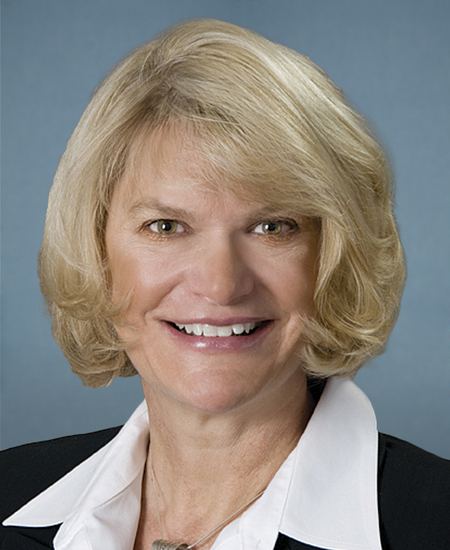
Cynthia M. Lummis
Cynthia M. Lummis Senate
R
Strong +
80% 30
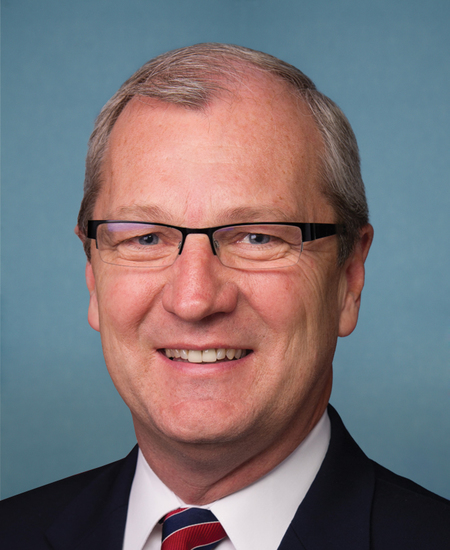
Kevin Cramer
Kevin Cramer Senate
R
Strong +
80% 30
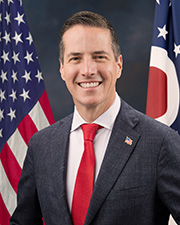
Bernie Moreno
Bernie Moreno Senate
R
Support
77% 31
Amy Klobuchar
Amy Klobuchar Senate
D
Strong −
13% 31
Catherine Cortez Masto
Catherine Cortez Masto Senate
D
Strong −
13% 31
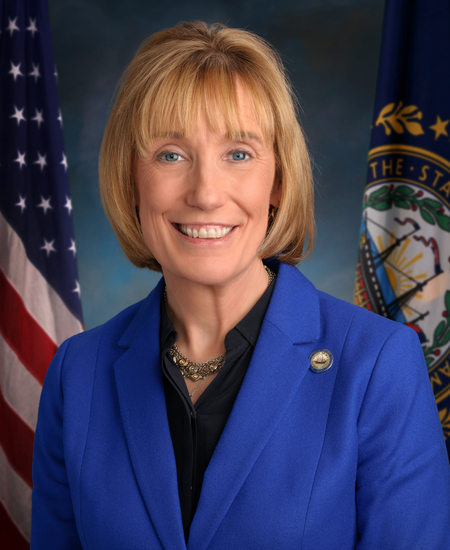
Margaret Wood Hassan
Margaret Wood Hassan Senate
D
Strong −
13% 31
Andy Kim
Andy Kim Senate
D
Strong −
16% 31
Angus S. King, Jr.
Angus S. King, Jr. Senate
I
Strong −
16% 31
Showing 391–400 of 1,286 bills

All criminal justice bills

in committee · United States · House Mar 20, 2026

HR 8022: DETECT Nitazenes Act of 2026

The DETECT Nitazenes Act of 2026 updates federal law to include nitazenes alongside fentanyl and xylazine as priority drugs for detection and identification efforts. This change expands the scope of the Homeland Security Act, directing federal agencies to enhance their capacity to detect and identify nitazenes at border crossings and other entry points. The bill does not create new criminal penalties or funding, but rather modifies existing statutory language to ensure nitazenes are treated with the same detection focus as other synthetic opioids.
Sub-Topics Drug Policy
in committee · United States · House Apr 14, 2026

HRES 1173: Expressing support for the designation of April 2026 as "Second Chance Month".

This resolution expresses support for designating April 2026 as "Second Chance Month" to raise awareness about barriers faced by people with criminal records. The bill does not create new laws or change existing policies but serves as a symbolic gesture to highlight challenges in employment, housing, and education for formerly incarcerated individuals. It calls on communities, employers, and organizations to promote awareness of these obstacles and encourage efforts to help people reintegrate into society. The resolution honors the bipartisan First Step Act of 2018 and the Second Chance Act of 2007, which provide reentry services to incarcerated individuals.
Sub-Topics Probation & Parole
in committee · United States · House Mar 24, 2026

HR 8040: No Mercy for Terrorists Act of 2026

The No Mercy for Terrorists Act of 2026 increases federal penalties for individuals who provide material support to terrorists or designated foreign terrorist organizations. This bill directly affects people charged with these crimes by raising the minimum prison sentence from 15 or 20 years to at least 20 years or life imprisonment, and adding the possibility of the death penalty. The changes apply to both domestic and foreign terrorist support cases under existing federal statutes.
Sub-Topics Corrections
in committee · United States · Senate Mar 25, 2026

S 4209: TIME for Overdose Justice Act

This bill, known as the TIME for Overdose Justice Act, removes the standard statute of limitations for federal drug trafficking cases that result in death or serious bodily injury. It directly affects prosecutors and defendants by allowing the government to file charges at any time, even years after the alleged crime occurred. The key provision amends the Controlled Substances Act to eliminate the usual time limits for prosecuting violations where overdose deaths or severe injuries are involved. This change aims to ensure accountability in cases where drug distribution leads to fatal outcomes, regardless of how much time has passed since the incident.
Sub-Topics Drug Policy
in committee · United States · House Apr 9, 2026

HR 8217: Next Gen Road Safety Act

The Next Gen Road Safety Act amends federal funding provisions to allow law enforcement agencies to purchase specialized equipment for managing high-speed vehicle pursuits. This legislation specifically authorizes the procurement of technologies such as vehicle-disabling systems, police bumper systems, and drones to help prevent and de-escalate dangerous chase situations. The changes apply to federal crime control grants under the Omnibus Crime Control and Safe Streets Act of 1968, enabling agencies to use these funds for the specified safety equipment. The bill focuses on updating existing grant categories to include modern tools that support officer safety and public safety during vehicular pursuits.
in committee · United States · Senate Mar 19, 2026

S 4143: Fair Wages for Incarcerated Workers Act of 2026

This bill would expand the Fair Labor Standards Act to include incarcerated workers, requiring them to receive minimum wage and overtime pay protections. It directly affects individuals working in correctional facilities, whether those facilities are run by public agencies or private contractors. The legislation defines incarcerated workers as people performing work in prisons, including prison industries and work release programs, and clarifies that certain costs like board and lodging or court-imposed fees should not be deducted from their wages. By adding these definitions and protections to the existing law, the bill aims to ensure incarcerated workers are covered under federal labor standards.
in committee · United States · House Mar 18, 2026

HR 7982: Protect World Cup Attendees Act

This bill prohibits the use of specific federal Homeland Security grant funds for civil immigration enforcement activities during a defined period from June 11 to July 19, 2026. It directly affects state and local entities receiving funds under the State Homeland Security Grant program, restricting them from participating in Section 287(g) programs or conducting civil immigration enforcement during the covered time period. The law allows exceptions only for urgent situations involving imminent threats to life, national security, public safety, or evidence preservation. The legislation is titled the "Protect World Cup Attendees Act," indicating its purpose is to safeguard attendees of the 2026 World Cup event.
in committee · United States · Senate Mar 2, 2026

S 3960: Smarter Pretrial Detention for Drug Charges Act of 2026

This bill would allow federal judges more flexibility in deciding whether to keep defendants in jail before trial when they are charged with nonviolent drug crimes. It changes existing federal law by removing a specific provision that currently requires courts to consider certain factors when making pretrial detention decisions for these cases. The changes would apply to all federal criminal cases involving nonviolent drug offenses, giving judges broader authority to release defendants on bail or other conditions instead of holding them without bail. The legislation does not affect violent crimes or other types of offenses outside the scope of nonviolent drug charges.
in committee · United States · House Mar 9, 2026

HR 7870: ICE Standards Act

This bill, titled the ICE Standards Act, mandates several reforms to how U.S. immigration officers are trained and operate. It requires annual training on use of force, de-escalation tactics, and constitutional rights, along with the use of body-worn and dashboard cameras for all officers. The legislation also requires officers to wear visible identification unless under specific safety exceptions, prohibits enforcement actions in schools, hospitals, places of worship, and polling places except in emergencies, and mandates verification of citizenship before making arrests. Additionally, it establishes a strict prohibition on deporting U.S. citizens and requires notification to local law enforcement agencies before federal immigration operations begin.
in committee · United States · House Feb 25, 2026

HR 7715: Justice for Allie Act

This bill, known as the Justice for Allie Act, would create a new federal crime for coercing adults with specific disabilities into sending intimate images. It directly affects individuals aged 18 and older who have conditions like autism, intellectual disabilities, cerebral palsy, Down syndrome, dementia, or schizophrenia that may limit their ability to protect themselves from exploitation. The law prohibits anyone from using mail or interstate communications to persuade, induce, entice, or coerce these protected adults to transmit intimate visual depictions with the intent to harm them. Penalties include fines and up to one year in prison for a first offense, or up to two years for repeat offenses. The bill defines harm broadly to include physical, psychological, financial, or reputational damage.
Showing 391 to 400 of 1,286 bills
Previous 1 … 39 40 41 … 129 Next