Issue · Criminal Justice

Criminal Justice (Corrections)

Every criminal justice bill, vote, and legislator stance in United States, automatically classified by Maddy, our AI policy reader.

Total bills
244
119th Congress
Top supporter
Adam B. Schiff
100% support rate
Top opponent
Frank J. Mrvan
0% support rate
Ranked legislators
10
5 support · 5 oppose
Key legislators

Who's moving corrections in United States

Legislators moving corrections in United States
Legislator Party Stance Support rate Votes
Adam B. Schiff
Adam B. Schiff Senate
D
Strong +
100% 3
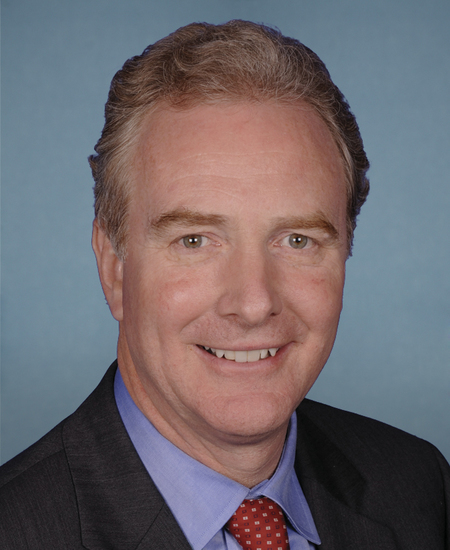
Chris Van Hollen
Chris Van Hollen Senate
D
Strong +
100% 3
Christopher Murphy
Christopher Murphy Senate
D
Strong +
100% 3
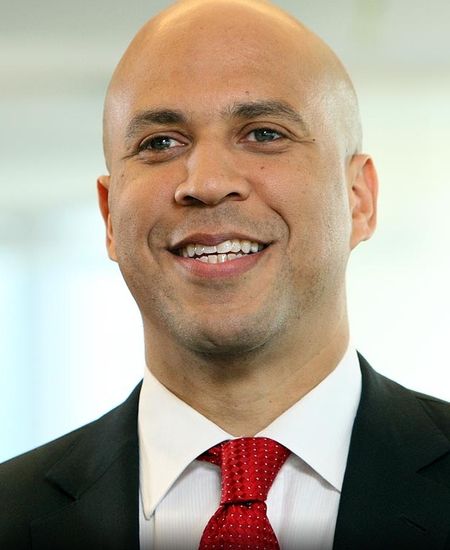
Cory A. Booker
Cory A. Booker Senate
D
Strong +
100% 3
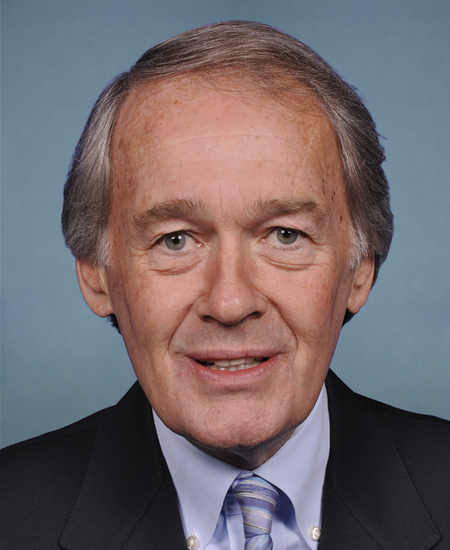
Edward J. Markey
Edward J. Markey Senate
D
Strong +
100% 3
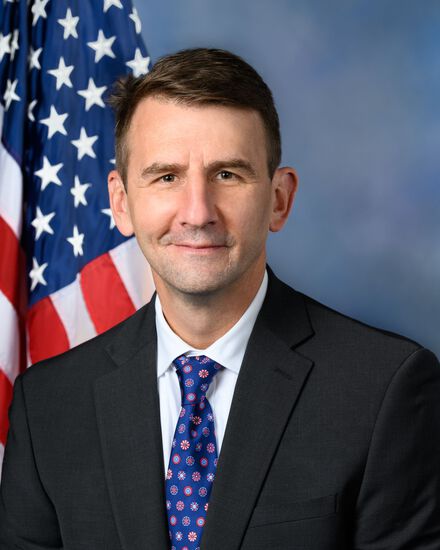
Frank J. Mrvan
Frank J. Mrvan House · District 1
D
Strong −
0% 5
Amy Klobuchar
Amy Klobuchar Senate
D
Strong −
0% 3
Andy Kim
Andy Kim Senate
D
Strong −
0% 3
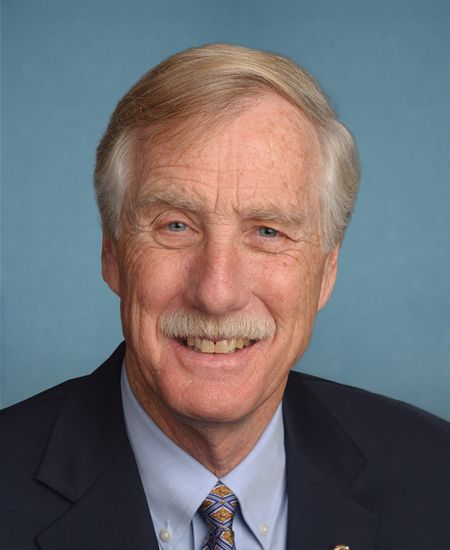
Angus S. King, Jr.
Angus S. King, Jr. Senate
I
Strong −
0% 3
Ashley Moody
Ashley Moody Senate
R
Strong −
0% 3
Showing 31–40 of 244 bills

All criminal justice bills

in committee · United States · House Jun 3, 2026

HR 9131: Protecting Kids from Creeps Act

The Protecting Kids from Creeps Act prohibits surrogacy agencies, their employees, and sex offenders from participating in surrogacy agreements, directly affecting fertility clinics, staff, and individuals required to register as sex offenders. The bill mandates severe criminal penalties, including fines and prison sentences of at least 10 to 20 years, for knowingly or recklessly facilitating such agreements, while also stripping convicted agencies of their tax-exempt status and eligibility for federal grants. Any surrogacy agreement formed in violation of these rules is declared legally void and unenforceable, meaning it cannot be used to establish parental rights. In cases where a child is born from an illegal agreement, custody decisions will be made solely based on the best interests of the child under the laws of the state where the surrogate lives, ignoring any prior contracts. Additionally, the Attorney General can pursue civil penalties equal to the compensation received or offered for prohibited conduct.
Sub-Topics Corrections
in committee · United States · House Jun 12, 2026

HR 8971: Veterans Visa and Protection Act of 2026

The Veterans Visa and Protection Act of 2026 establishes a program to allow noncitizen veterans who were previously removed from or barred from entering the United States to return and obtain permanent resident status. It requires government officials to reopen and terminate removal cases for eligible veterans, provided they were not deported due to violent crimes or serious offenses involving at least five years in prison. The bill also mandates that noncitizen service members and veterans cannot be removed unless convicted of a crime of violence, while granting them access to military benefits and a streamlined path to naturalization. Additionally, the law directs immigration authorities to identify at-risk veterans, seek supervisory approval before initiating removal proceedings against them, and annotate official records with specific details about their military service.
in committee · United States · Senate May 21, 2026

S 4643: LEO K9 Protection Act

The LEO K9 Protection Act strengthens penalties for harming law enforcement dogs and horses used in official duties, increasing the maximum prison sentence to 15 years. It clarifies that these protections apply to animals assisting federal, state, and local agencies in tasks like crime detection, search and rescue, and military operations, while explicitly exempting individuals acting in good faith to provide emergency veterinary care. Additionally, the bill requires the Department of Transportation to create guidelines and regulations allowing emergency medical personnel to treat injured police dogs at the scene and transport them to veterinary facilities. These measures aim to ensure that injured working dogs receive timely medical attention comparable to that provided to human officers.
in committee · United States · House Apr 28, 2026

HR 8549: Second Look Act of 2026

The Second Look Act of 2026 allows federal courts to reduce prison sentences for individuals who have served at least 10 years in custody for offenses carrying a term of more than 10 years. To qualify, a defendant must demonstrate that they are no longer a danger to the community and are ready to reenter society, with special consideration given to those aged 50 or older who face a legal presumption in their favor for release. The process requires a formal application, a hearing where evidence regarding rehabilitation and age-related decline in criminality is presented, and the appointment of a lawyer for those who cannot afford one. If approved, the court may shorten the prison term while maintaining the original period of supervised release, and the United States Sentencing Commission will publish annual reports on the number of people granted or denied these reductions.
in committee · United States · Senate Apr 16, 2026

S 4320: Prison Libraries Act of 2026

The Prison Libraries Act of 2026 directs the Attorney General to create a grant program for states and territories to improve library services for incarcerated individuals, aiming to support reintegration and reduce recidivism. To receive funding, applicants must submit a detailed plan that includes proof of an existing or planned physical library and data demonstrating a need for the services. The grants can be used for a wide range of activities such as hiring qualified librarians, providing digital and financial literacy training, offering art and cultural programs, and establishing partnerships with local public libraries. The legislation explicitly prohibits using the funds for general prison operations, staff salaries unrelated to libraries, or basic needs like food and healthcare. Additionally, the act authorizes $10 million annually from 2026 to 2031 and requires that no fees be charged to inmates for accessing books, computers, or educational materials.
Sub-Topics Corrections
in committee · United States · House Apr 23, 2026

HR 8480: Protect our Pets Act

The Protect our Pets Act strengthens federal laws against animal cruelty by increasing penalties for animal crushing and prohibiting the abandonment or endangerment of domesticated animals on federal land. Under this bill, individuals convicted of these offenses face up to 10 years in prison for a first offense and up to 15 years for subsequent offenses, in addition to fines. The legislation defines domesticated animals to include mammals, birds, reptiles, and amphibians but includes specific exceptions for veterinary care, hunting, farming, and euthanasia. These changes directly affect people who commit these acts on federal property or in interstate commerce, aiming to provide clearer legal consequences for harming or neglecting animals.
Sub-Topics Corrections
in committee · United States · House Mar 19, 2026

HR 8002: Fair Wages for Incarcerated Workers Act of 2026

This bill expands federal labor protections to incarcerated workers by explicitly including them under the Fair Labor Standards Act, regardless of whether they work in publicly or privately operated correctional facilities. It defines these workers as individuals performing labor within prison programs, work release initiatives, or facility operations, and clarifies that they are employed by either the public agency or the private contractor running the facility. A key provision allows employers to deduct the cost of board, lodging, and certain court-imposed fees from an incarcerated worker's wages without counting these deductions against minimum wage requirements. The legislation also specifies which fees qualify for deduction, such as court surcharges and filing costs, while explicitly excluding payments for child support, victim compensation, civil judgments, and criminal fines.
in committee · United States · House May 19, 2026

HR 8894: Passenger Rail Crew Protection Act

The Passenger Rail Crew Protection Act makes it a federal crime to assault or interfere with employees working on or around passenger trains, including engineers, conductors, and station staff. This law prohibits actions that hinder crew members from doing their jobs or reduce their ability to perform safety-sensitive duties. Penalties range from fines and up to six months in jail for minor offenses to up to 20 years in prison if the assault involves a weapon, intent to commit murder, or results in serious bodily injury. The bill directly affects anyone onboard a train or at a station serving passenger rail lines by establishing specific legal consequences for such interference.
in committee · United States · Senate Apr 30, 2026

S 4461: Visual Protection of Strategic Assets Act

The Visual Protection of Strategic Assets Act strengthens federal laws to prevent espionage by targeting individuals from specific countries, including China, Russia, Iran, and North Korea. It requires the Department of Defense to create and publicly update lists of high-value military assets and critical installations, which must be marked with signs prohibiting photography and surveillance. The bill expands criminal penalties for taking photos or videos of these sites, introducing stricter rules for digital imagery and artificial intelligence enhancements, and mandates longer prison sentences and visa revocations for citizens of the listed nations who commit violations.
Sub-Topics Corrections
in committee · United States · Senate Apr 16, 2026

S 4319: Rehabilitation Through Reading Act of 2026

The Rehabilitation Through Reading Act of 2026 requires the Bureau of Prisons to create a Publication Review Committee to oversee which books are available in federal prisons. This committee, composed of librarians, incarcerated individuals, legal experts, and the federal prison ombudsman, must approve any decision to ban a book after reviewing the specific reasons provided by prison officials. The law explicitly forbids banning books simply because their viewpoints are unpopular or disagreeable, and it mandates that books remain accessible while appeals against their removal are being reviewed. Additionally, the Act requires the Bureau of Prisons to submit annual reports to Congress detailing every book that was prohibited and the outcomes of any related appeals.
Sub-Topics Corrections Libraries
Showing 31 to 40 of 244 bills
Previous 1 3 4 5 25 Next