Issue · Criminal Justice

Criminal Justice

Every criminal justice bill, vote, and legislator stance in United States, automatically classified by Maddy, our AI policy reader.

Total bills
1,270
119th Congress
Top supporter
Alan Armstrong
86% support rate
Top opponent
Amy Klobuchar
13% support rate
Ranked legislators
10
5 support · 5 oppose
Key legislators

Who's moving criminal justice in United States

Legislators moving criminal justice in United States
Legislator Party Stance Support rate Decisive votes
AA
Alan Armstrong Senate
R
Strong +
86% 28
Mitch McConnell
Mitch McConnell Senate
R
Strong +
84% 31
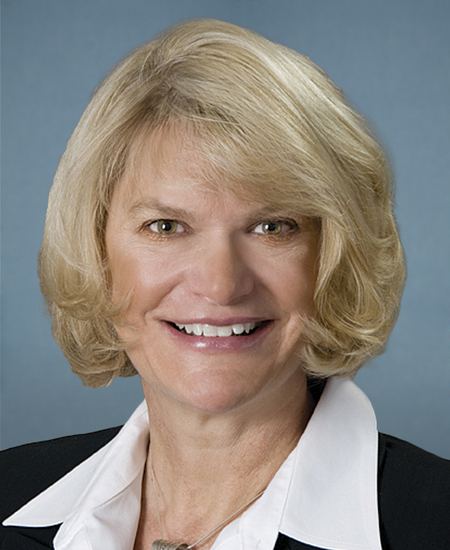
Cynthia M. Lummis
Cynthia M. Lummis Senate
R
Strong +
80% 30
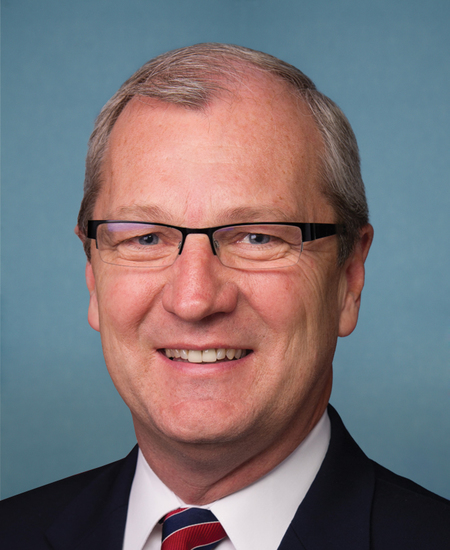
Kevin Cramer
Kevin Cramer Senate
R
Strong +
80% 30
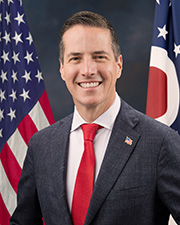
Bernie Moreno
Bernie Moreno Senate
R
Support
77% 31
Amy Klobuchar
Amy Klobuchar Senate
D
Strong −
13% 31
Catherine Cortez Masto
Catherine Cortez Masto Senate
D
Strong −
13% 31
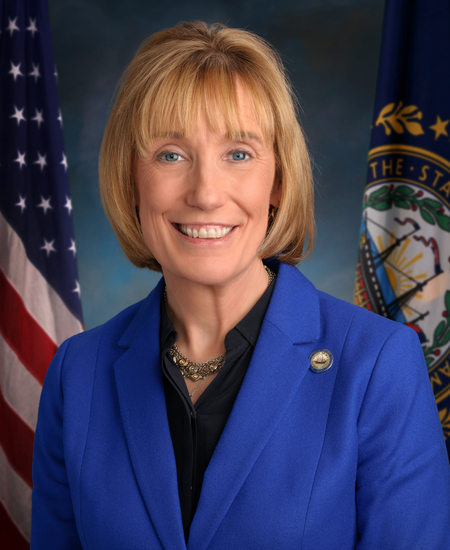
Margaret Wood Hassan
Margaret Wood Hassan Senate
D
Strong −
13% 31
Andy Kim
Andy Kim Senate
D
Strong −
16% 31
Angus S. King, Jr.
Angus S. King, Jr. Senate
I
Strong −
16% 31
Showing 281–290 of 1,270 bills

All criminal justice bills

in committee · United States · House May 20, 2026

HR 8940: Federal Death Penalty Prohibition Act

The Federal Death Penalty Prohibition Act bans the imposition of the death penalty for any federal crime committed after the law takes effect. It also requires that individuals currently sentenced to death under federal law be resentenced to a different punishment. This legislation directly affects the federal criminal justice system by eliminating capital punishment as a sentencing option.
in committee · United States · House Apr 29, 2026

HRES 1231: Supporting the designation of April 29, 2026, as "Denim Day" and honoring survivors of sexual assault.

This resolution designates April 29, 2026, as Denim Day to honor survivors of sexual assault and raise awareness against victim-blaming. It encourages people to wear denim as a symbol that clothing or behavior never constitutes consent and calls for stronger support for survivors. The bill also urges federal, state, and local governments to improve policies and funding for prevention and survivor services, while allowing members of Congress to wear denim on the House floor.
in committee · United States · Senate Apr 28, 2026

S 4405: 287(g) Expansion Act

The 287(g) Expansion Act allows states and local law enforcement agencies that have partnered with U.S. Immigration and Customs Enforcement to receive additional federal funding. Specifically, eligible jurisdictions can apply for up to a 10 percent increase in their annual Edward Byrne Memorial Justice Assistance Grant if they maintain an active 287(g) agreement. The legislation authorizes $20 million per year from 2027 to 2033 to support these increased allocations, which are intended to enhance immigration enforcement efforts within participating communities.
in committee · United States · Senate Apr 16, 2026

S 4333: VOICE Act

The VOICE Act creates a new civil remedy allowing individuals to sue the United States government if a federal law enforcement officer or someone acting under their direction violates their constitutional rights during immigration-related enforcement actions. This law specifically applies to people within U.S. jurisdiction who claim their rights were deprived while being acted upon by federal officers, regardless of whether the officer was following official policy. If the government is found liable, the specific federal agency that employed the officer must pay monetary damages, and the claimant is guaranteed at least $2 million in punitive damages. Additionally, the bill ensures that these lawsuits cannot be dismissed based on the government's sovereign immunity, while still allowing victims to pursue other legal remedies against individual officers.
Sub-Topics Law Enforcement Detention Enforcement Sanctuary Policies Tags Civil Liberties
in committee · United States · Senate May 19, 2026

S 4575: SMART Community Policing Act

The Supporting Mental Assistance Responder Teams Community Policing Act authorizes federal COPS funds to help local police departments create specialized teams that include mental health professionals and paramedics. These teams are designed to respond to crisis calls involving individuals with mental health issues, homelessness, or substance use disorders, aiming to de-escalate situations and connect people with necessary treatment instead of relying solely on law enforcement. The legislation also supports co-responder programs where officers work alongside clinicians, as well as outreach teams that follow up with individuals to help them access services and maintain stability. By funding these initiatives, the bill seeks to improve community safety outcomes and reduce the burden on emergency services through better coordination between police and health providers.
Sub-Topics Law Enforcement Policing Mental Health Homelessness Tags Public Safety
in committee · United States · House Apr 29, 2026

HR 8588: Housing FIRST Act

This bill amends the Fair Credit Reporting Act to restrict how background information is shared with landlords when screening potential tenants. It directly affects individuals with criminal records by prohibiting consumer reporting agencies from including specific data in reports used for rental housing decisions. Key provisions ban the inclusion of arrest records, juvenile adjudications, expunged convictions, and cases resolved through diversion programs, while also preventing the reporting of convictions that have been completed or where the individual is currently on probation or parole. Additionally, the legislation requires landlords who deny housing based on these reports to provide applicants with the specific reasons for the denial within three days. Finally, the bill prevents states from setting their own time limits for how long certain types of criminal information can be excluded from these reports.
in committee · United States · Senate Apr 17, 2026

S 4343: No Pensions for Congressional Predators Act

The No Pensions for Congressional Predators Act prevents members of Congress and certain territorial delegates from receiving federal retirement benefits if they are convicted of specific sexual crimes. This law directly affects current and former legislators by amending the rules for the Civil Service Retirement System and the Federal Employees' Retirement System. Under the bill, anyone convicted of offenses such as sexual abuse, child exploitation, possession of child sexual abuse material, or child trafficking after the law takes effect will be barred from these pensions. The measure applies only to acts or omissions occurring after its enactment date, ensuring that the penalty is tied to future behavior rather than past actions.
Sub-Topics Drug Policy
in committee · United States · Senate Apr 16, 2026

S 4316: Sanctuary City Elimination Act

The Sanctuary City Elimination Act defines "sanctuary jurisdictions" as states or local areas that restrict cooperation with federal immigration authorities, such as refusing to share immigration data or honor detention requests. If a jurisdiction is classified as a sanctuary, the bill prohibits it from receiving various federal grants, including funding for education, environmental protection, economic development, and community housing projects. The legislation also provides a legal mechanism allowing state attorneys general to sue in federal court to recover these funds if a sanctuary jurisdiction releases an immigrant who subsequently commits a crime in another state. Additionally, the bill grants local law enforcement the authority to act as federal agents when complying with immigration detainers and offers them immunity from liability in lawsuits related to those actions.
in committee · United States · House May 22, 2026

HR 9013: Fireworks Trafficking and Money Laundering Prevention Act

This bill, titled the Fireworks Trafficking and Money Laundering Prevention Act, aims to combat illegal interstate fireworks trafficking by treating it as a serious financial crime. It directly affects individuals and organizations involved in the unauthorized transport and sale of fireworks across state lines. The key provision designates the illegal movement of fireworks as a "specified unlawful activity," which allows law enforcement to apply federal money laundering laws to the profits generated from these sales. This change increases the maximum possible prison sentence for related offenses from one year to twenty years and provides authorities with additional tools to seize illicit assets.
in committee · United States · House May 11, 2026

HR 8733: Melanie's Law

Melanie's Law creates a federal grant program to help states expand their ability to issue and enforce protective orders for people connected to domestic violence victims. The bill defines these protections to cover family members, former spouses, parents of the same child, and individuals in intimate relationships, ensuring courts can shield third-party relatives from harm as well. To support this, the legislation provides funding for training law enforcement and judges, improving how protective orders are served across different jurisdictions, and establishing better systems to track order violations. Additionally, the grants can be used to offer victims essential services such as legal aid, counseling, emergency housing, and safety equipment. States must have laws in place granting these specific protective order authorities to qualify for the federal money, which is authorized at $200 million annually from 2026 through 2036.
Showing 281 to 290 of 1,270 bills
Previous 1 … 28 29 30 … 127 Next