Issue · Criminal Justice

Criminal Justice

Every criminal justice bill, vote, and legislator stance in United States, automatically classified by Maddy, our AI policy reader.

Total bills
1,270
119th Congress
Top supporter
Alan Armstrong
86% support rate
Top opponent
Amy Klobuchar
13% support rate
Ranked legislators
10
5 support · 5 oppose
Key legislators

Who's moving criminal justice in United States

Legislators moving criminal justice in United States
Legislator Party Stance Support rate Decisive votes
AA
Alan Armstrong Senate
R
Strong +
86% 28
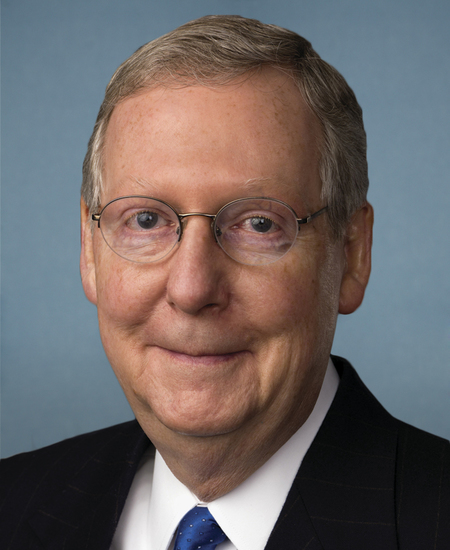
Mitch McConnell
Mitch McConnell Senate
R
Strong +
84% 31
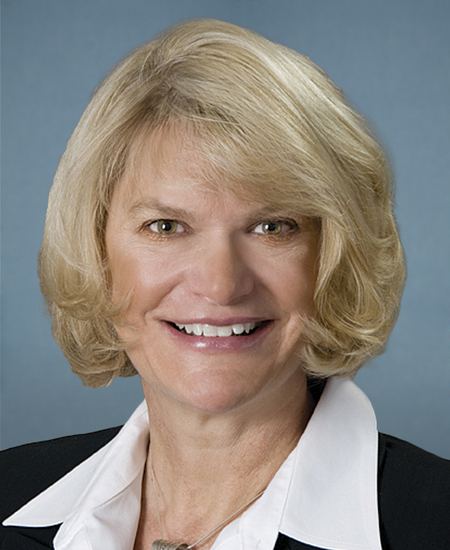
Cynthia M. Lummis
Cynthia M. Lummis Senate
R
Strong +
80% 30
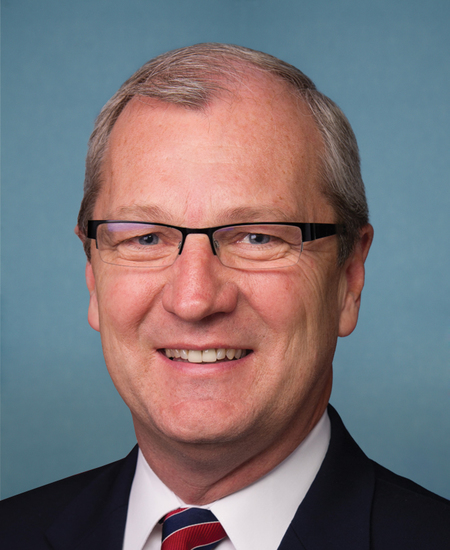
Kevin Cramer
Kevin Cramer Senate
R
Strong +
80% 30
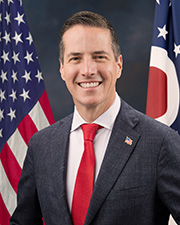
Bernie Moreno
Bernie Moreno Senate
R
Support
77% 31
Amy Klobuchar
Amy Klobuchar Senate
D
Strong −
13% 31
Catherine Cortez Masto
Catherine Cortez Masto Senate
D
Strong −
13% 31
Margaret Wood Hassan
Margaret Wood Hassan Senate
D
Strong −
13% 31
Andy Kim
Andy Kim Senate
D
Strong −
16% 31
Angus S. King, Jr.
Angus S. King, Jr. Senate
I
Strong −
16% 31
Showing 271–280 of 1,270 bills

All criminal justice bills

in committee · United States · House Apr 30, 2026

HR 8611: Logan's Law

Logan's Law directs the Attorney General to create a free, public database listing individuals with qualifying violent convictions, requiring states that receive federal crime grants to submit their records. The database will allow searches by various personal details and conviction specifics, such as the judge and prosecutor involved, and must be updated at least every three months. Additionally, the bill requires the Attorney General to report on current barriers to sharing criminal records between states and the federal government and to propose solutions for improving this data exchange. States that fail to submit the required data could face penalties, including the withholding of federal Byrne JAG grant funds or the direct distribution of those funds to local governments within the state.
Sub-Topics Judges Victims' Rights
in committee · United States · House Apr 29, 2026

HR 8589: Closing Bankruptcy Loopholes for Child Predators Act of 2026

The Closing Bankruptcy Loopholes for Child Predators Act of 2026 modifies federal bankruptcy laws to ensure that individuals and organizations accused of sexually abusing children cannot easily hide their assets or avoid financial responsibility. Key provisions include preventing the discharge of debts related to child sexual abuse, requiring courts to hold special conferences for victims to share their experiences, and mandating independent forensic audits for nonprofit organizations facing such allegations. The bill also restricts the ability of debtors to release third parties from liability without strong voter approval and prohibits sealing evidence related to these crimes, except to protect a victim's identity when the accused is found not guilty.
in committee · United States · Senate Apr 29, 2026

SRES 700: A resolution expressing support for the designation of April 1, 2026, through April 30, 2026, as "Fair Chance Jobs Month".

This Senate resolution expresses support for designating April 2026 as "Fair Chance Jobs Month" to raise awareness about employment barriers faced by formerly incarcerated individuals. While the bill itself does not change laws, it encourages the removal of obstacles like licensing restrictions and promotes fair-chance hiring practices. The resolution also calls for expanded workforce development programs, better access to housing and healthcare, and increased collaboration between government agencies and community groups to help returning citizens secure stable employment.
in committee · United States · House Apr 28, 2026

HR 8564: Local Law Enforcement Support Act of 2026

The Local Law Enforcement Support Act of 2026 expands funding opportunities for local police departments through the Byrne JAG and COPS programs. These funds can be used to recruit and train officers, purchase protective gear, and acquire specific tools like digital forensics equipment, drone technology, and ballistics analysis systems. The bill also allows for investments in software for cyber investigations and victim services. By adding these categories to the list of eligible expenses, the legislation provides law enforcement agencies with more options for addressing modern crime challenges.
in committee · United States · Senate May 21, 2026

S 4635: SAFE for Survivors Act of 2026

The SAFE for Survivors Act of 2026 establishes new federal protections for individuals experiencing domestic violence, dating violence, sexual assault, stalking, or other gender-based violence by mandating that employers provide up to 40 work days of leave per year, including at least 10 paid days, to address these incidents. This legislation also prohibits employers and insurers from discriminating against victims or retaliating against them for seeking leave, requesting workplace safety accommodations, or filing related claims, while ensuring that any information about the abuse remains strictly confidential. Additionally, the bill expands access to unemployment compensation for those who leave their jobs due to violence, strengthens insurance rules to prevent denial of coverage based on victim status, and authorizes funding for public education campaigns and workplace resource centers to support survivors.
in committee · United States · Senate Apr 15, 2026

S 4305: Safer Prisons Act of 2026

The Safer Prisons Act of 2026 increases the maximum prison sentence and fine for individuals convicted of assaulting correctional officers at the Bureau of Prisons. This change specifically targets attacks on federal prison staff by doubling the potential punishment compared to similar assaults on other law enforcement officers. The bill amends existing federal law to ensure that violence against these specific officers carries a heavier penalty.
in committee · United States · Senate May 18, 2026

S 4553: Aaron Salter, Jr., Responsible Body Armor Possession Act

This bill, known as the Aaron Salter, Jr., Responsible Body Armor Possession Act, prohibits civilians from buying, owning, or possessing enhanced body armor. The law defines enhanced body armor as protective gear that meets or exceeds the ballistic resistance of RF1 armor, which includes certain helmets and shields. Exceptions are made for law enforcement officers, government agencies, and individuals who already legally owned such armor before the law takes effect. Violating this ban could result in a fine, up to five years in prison, or both penalties.
in committee · United States · House Apr 27, 2026

HR 8506: SAFE School Act

The SAFE School Act authorizes $900 million in federal grants to help states and local school districts enhance school security. These funds can be used to train and hire veterans or former law enforcement officers as school safety officers, as well as to install physical security measures like metal detectors, surveillance cameras, and reinforced glass. The legislation explicitly allows grants to be awarded to both public and private schools, including those with religious affiliations, without federal interference in how the money is spent. This bill aims to provide resources for schools to improve their safety infrastructure and emergency response capabilities.
in committee · United States · House Apr 23, 2026

HR 8493: Peer Support for Our First Responders Act of 2026

The Peer Support for Our First Responders Act of 2026 directs the Department of Health and Human Services to create a temporary working group focused on improving mental health support for law enforcement officers and first responders. This group will examine current peer-to-peer behavioral health programs, considering the unique challenges faced by these workers, and develop updated recommendations for Congress on reducing suicide risk and addressing substance use. The committee will include representatives from federal agencies, local governments, and organizations, as well as law enforcement officers and first responders with direct experience in these programs. Within one year of passing, the group must publish a report with evidence-based findings and minimum standards for effective support, then submit specific proposals to Congress on how to integrate these services into broader healthcare systems. The working group will dissolve after completing its report, though the Secretary may request to reconvene it later if new updates are deemed necessary.
in committee · United States · House Apr 22, 2026

HR 8452: Restoring Law and Order on America’s Streets Act

This bill expands federal civil commitment laws to allow the long-term detention of individuals deemed a danger to public safety, specifically targeting those with serious mental illnesses who engage in certain behaviors. It directly affects homeless individuals with mental health conditions by requiring officials to evaluate them for involuntary commitment if they commit crimes like burglary, drug distribution in public, or prolonged outdoor living. The legislation defines "urban camping" and "urban squatting" as specific offenses that, when combined with a serious mental illness, can lead to mandatory certification for continued confinement. By amending existing statutes, the act aims to address public safety concerns related to mental illness and homelessness through a legal framework that prioritizes institutionalization over other forms of care or release.
Showing 271 to 280 of 1,270 bills
Previous 1 27 28 29 127 Next