

Issue · Criminal Justice
Criminal Justice
Every criminal justice bill, vote, and legislator stance in United States, automatically classified by Maddy, our AI policy reader.
Total bills
1,270
119th Congress
Top supporter
Alan Armstrong
86% support rate
Top opponent
Amy Klobuchar
13% support rate
Ranked legislators
10
5 support · 5 oppose
Key legislators
Who's moving criminal justice in United States
| Legislator | Party | Stance | Support rate | Decisive votes |
|---|---|---|---|---|
|
AA
Alan Armstrong
Senate
|
R |
Strong +
|
86% | 28 |
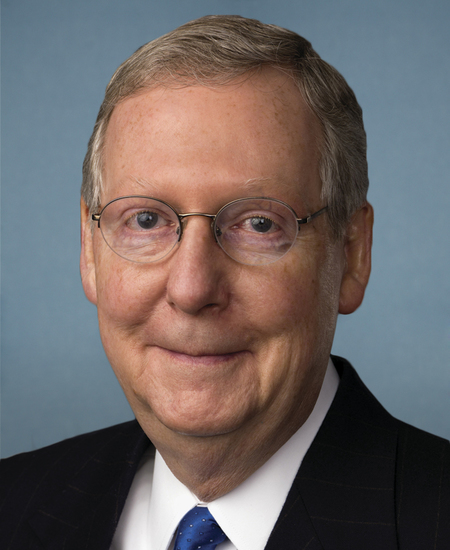
Mitch McConnell
Senate
|
R |
Strong +
|
84% | 31 |
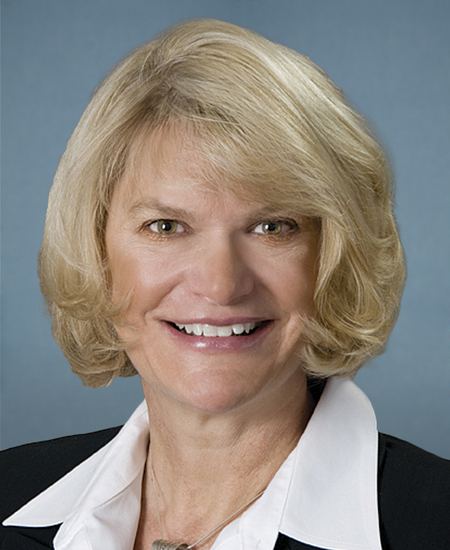
Cynthia M. Lummis
Senate
|
R |
Strong +
|
80% | 30 |
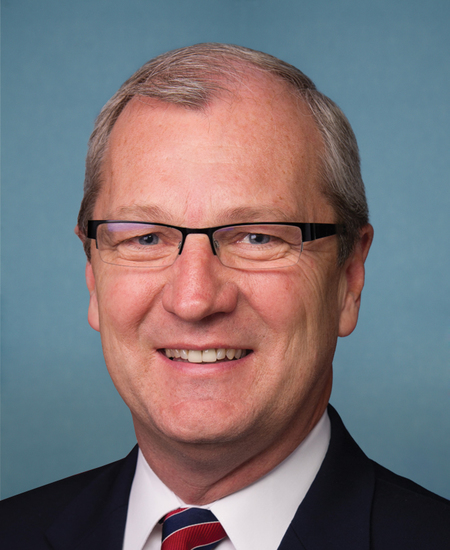
Kevin Cramer
Senate
|
R |
Strong +
|
80% | 30 |
Bernie Moreno
Senate
|
R |
Support
|
77% | 31 |

Amy Klobuchar
Senate
|
D |
Strong −
|
13% | 31 |
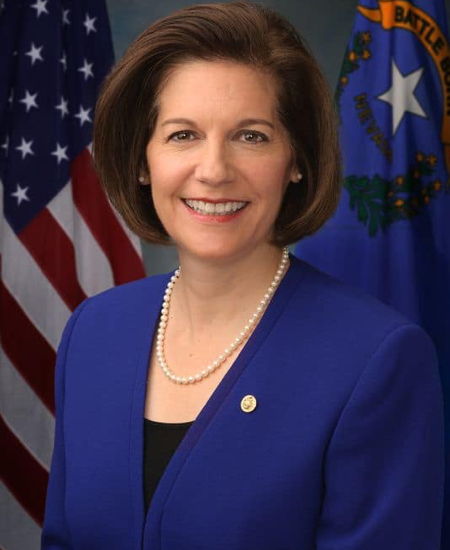
Catherine Cortez Masto
Senate
|
D |
Strong −
|
13% | 31 |
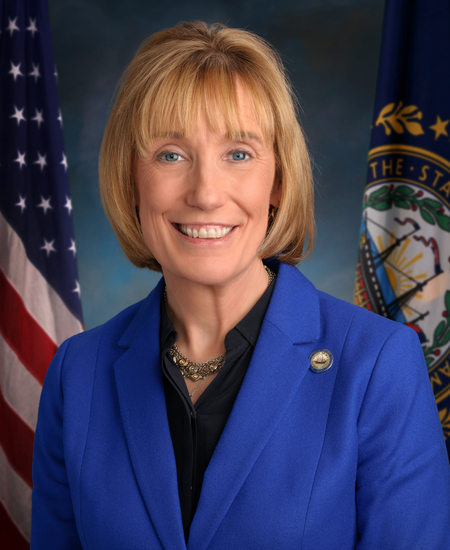
Margaret Wood Hassan
Senate
|
D |
Strong −
|
13% | 31 |

Andy Kim
Senate
|
D |
Strong −
|
16% | 31 |
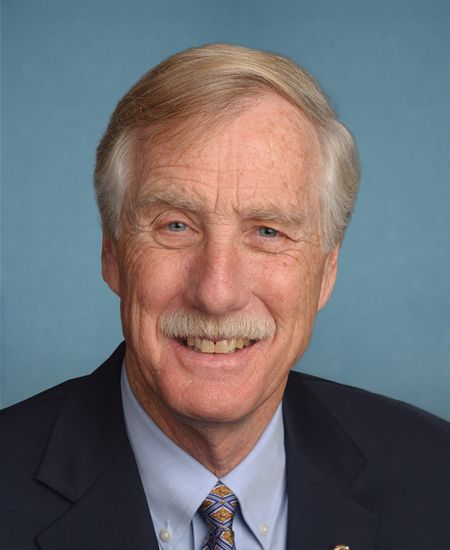
Angus S. King, Jr.
Senate
|
I |
Strong −
|
16% | 31 |
Showing 1,031–1,040 of 1,270
bills
All criminal justice bills
HR 198: SERVE Our Communities Act
Topics
✓ Budget & TaxesSupports Budget & TaxesBill creates $10M annual federal grant program for crime prevention, directly allocating government funds (fiscal spending) to support state/local programs, aligning with 'funds essential programs' indicator.
✓ Criminal JusticeSupports Criminal JusticeBill requires public safety risk assessment in bail decisions and incentivizes bail reform (a key criminal justice reform) via federal grants for crime prevention programs.
HR 3603: Andrew Kearse Accountability for Denial of Medical Care Act of 2025
Topics
✓ Criminal JusticeSupports Criminal JusticeBill mandates immediate medical care for federal custody individuals and penalizes negligence, enhancing accountability and protecting civil rights in corrections, directly advancing criminal justice reform.
✓ HealthcareSupports HealthcareMandates immediate medical care for federal detainees in distress, preventing denial of care and protecting patient rights in custody settings.
S 3134: Combating Counterfeit Pharmaceuticals Act of 2025
Topics
✗ Criminal JusticeOpposes Criminal JusticeBill expands drug enforcement scope to all counterfeit pharmaceuticals, increasing criminalization under Fentanyl Sanctions Act
✓ HealthcareSupports HealthcareBill combats counterfeit drugs and adds waiver for drug shortages, improving patient safety and access to medications.
HR 7163: PUBLIC SAFETY Act
Topics
✓ Budget & TaxesSupports Budget & TaxesBill appropriates $45B for law enforcement programs, directly increasing government spending on public safety services per fiscal management guidelines.
✓ Criminal JusticeSupports Criminal JusticeBill increases federal funding for local law enforcement via COPS and JAG programs, directly advancing law enforcement within criminal justice system.
HR 6582: Flight Risk Reduction Act
Topics
✗ Criminal JusticeOpposes Criminal JusticeRestricts pretrial release for non-citizens by creating mandatory detention presumption, eliminating consideration of family/job ties, directly reducing defendant rights in criminal justice process.
✗ ImmigrationOpposes ImmigrationCreates presumption against non-citizen release pretrial, blocks family/job ties as evidence, increasing detention risk. Directly restricts immigrant protections per enforcement-focused language.
HR 3203: Journalist Protection Act
HR 35: Agent Raul Gonzalez Officer Safety Act
Topics
✗ Criminal JusticeOpposes Criminal JusticeCreates new federal crime with mandatory harsh penalties (up to life for death), expands criminalization, and restricts defendant rights via inadmissibility/deportation.
✗ ImmigrationOpposes ImmigrationStrengthens border enforcement by criminalizing fleeing Border Patrol agents with prison terms, increasing penalties for evasion near border, making offenders deportable.
S 3665: Passenger Rail Crew Protection Act
Topics
✓ Criminal JusticeSupports Criminal JusticeBill creates federal crime for assaulting train crew, defines dangerous weapons, and sets penalties, advancing public safety and law enforcement under criminal justice.
✓ Labor & EmploymentSupports Labor & EmploymentProtects railroad workers' safety by criminalizing assaults/intimidation against crew members, directly advancing workplace safety protections for laborers in transportation sector.
✓ TransportationSupports TransportationProtects rail crew safety, directly enhancing passenger rail transportation safety standards per bill's criminalization of assaults on transit workers.
S 2477: End Solitary Confinement Act
Topics
✓ Criminal JusticeSupports Criminal JusticeEnds solitary confinement in federal facilities, requiring 14+ hours daily out-of-cell interaction and rehabilitation programming, directly advancing criminal justice reform by protecting rights and improving correctional outcomes.
✓ HealthcareSupports HealthcareEnds solitary confinement, a practice causing severe mental health harm, requiring daily social interaction to promote mental well-being. Directly supports mental health services by preventing harm to incarcerated individuals.
✓ ImmigrationSupports ImmigrationBill explicitly prohibits solitary confinement in immigration detention facilities, protecting immigrant rights in custody settings.