Issue · Budget & Taxes

Budget & Taxes

Every budget & taxes bill, vote, and legislator stance in United States, automatically classified by Maddy, our AI policy reader.

Total bills
2,411
119th Congress
Top supporter
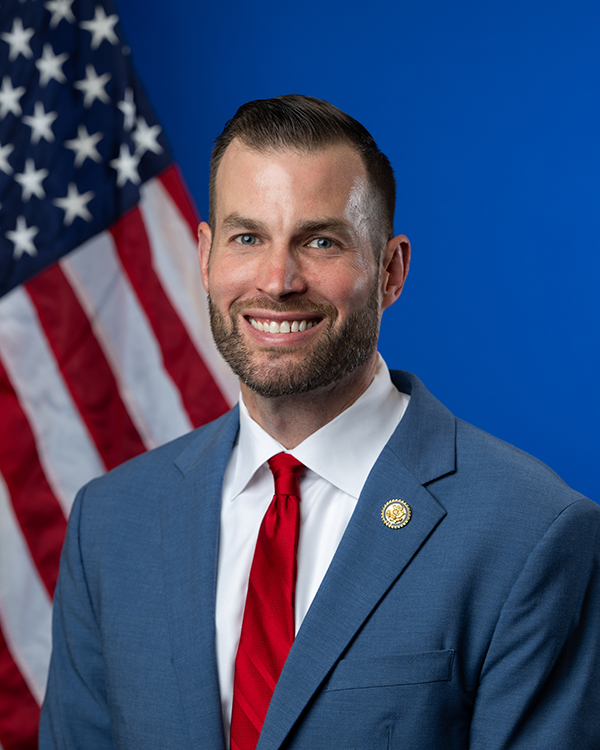
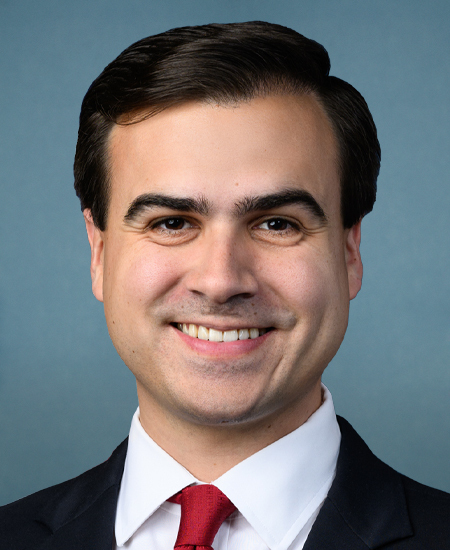
Clay Fuller
87% support rate
Top opponent
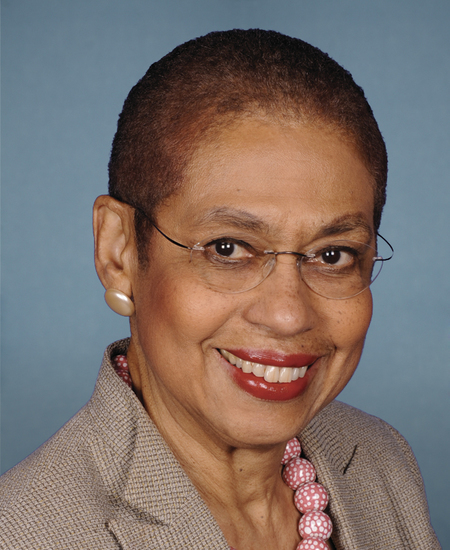
Eleanor Holmes Norton
0% support rate
Ranked legislators
10
5 support · 5 oppose
Key legislators

Who's moving budget & taxes in United States

Legislators moving budget & taxes in United States
Legislator Party Stance Support rate Decisive votes
Clay Fuller
Clay Fuller House · District 14
R
Strong +
87% 46
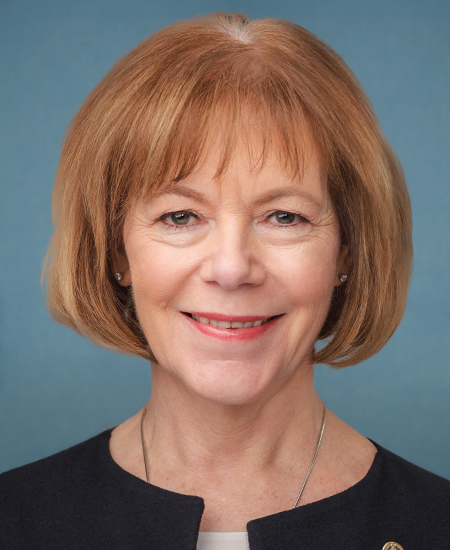
Tina Smith
Tina Smith Senate
D
Strong +
83% 77
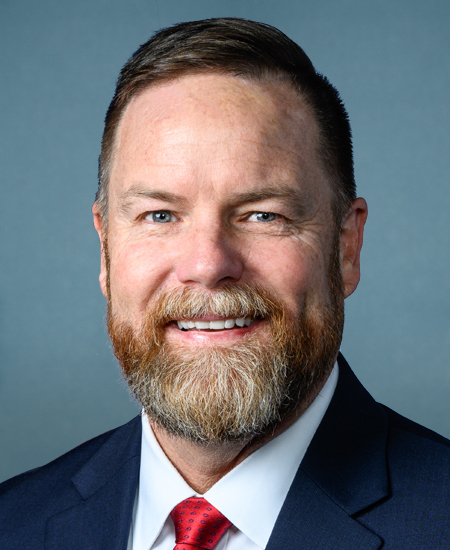
Andrew Ogles
Andrew Ogles House · District 5
R
Strong +
83% 65
Aaron Bean
Aaron Bean House · District 4
R
Strong +
83% 69
Ben Cline
Ben Cline House · District 6
R
Strong +
83% 69
Eleanor Holmes Norton
Eleanor Holmes Norton House · District At-Large
D
Strong −
0% 26
Pablo José Hernández
Pablo José Hernández House · District At-Large
D
Strong −
7% 28
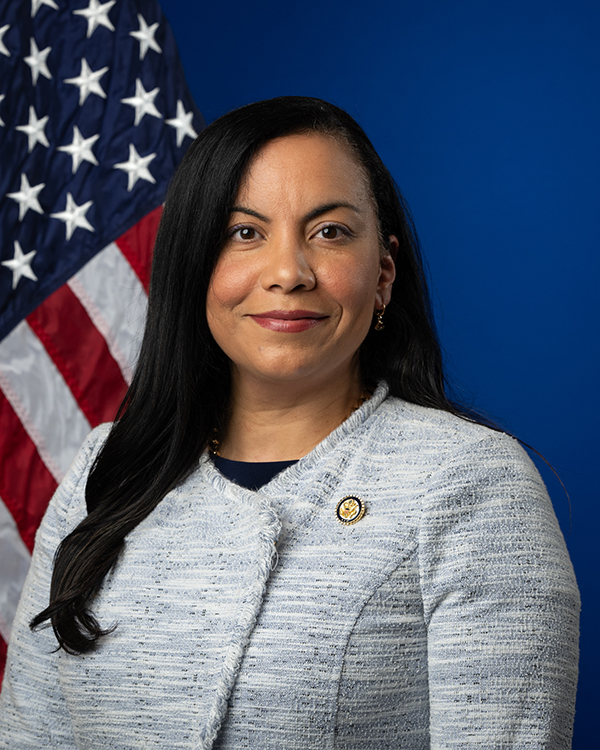
Analilia Mejia
Analilia Mejia House · District 11
D
Strong −
13% 45
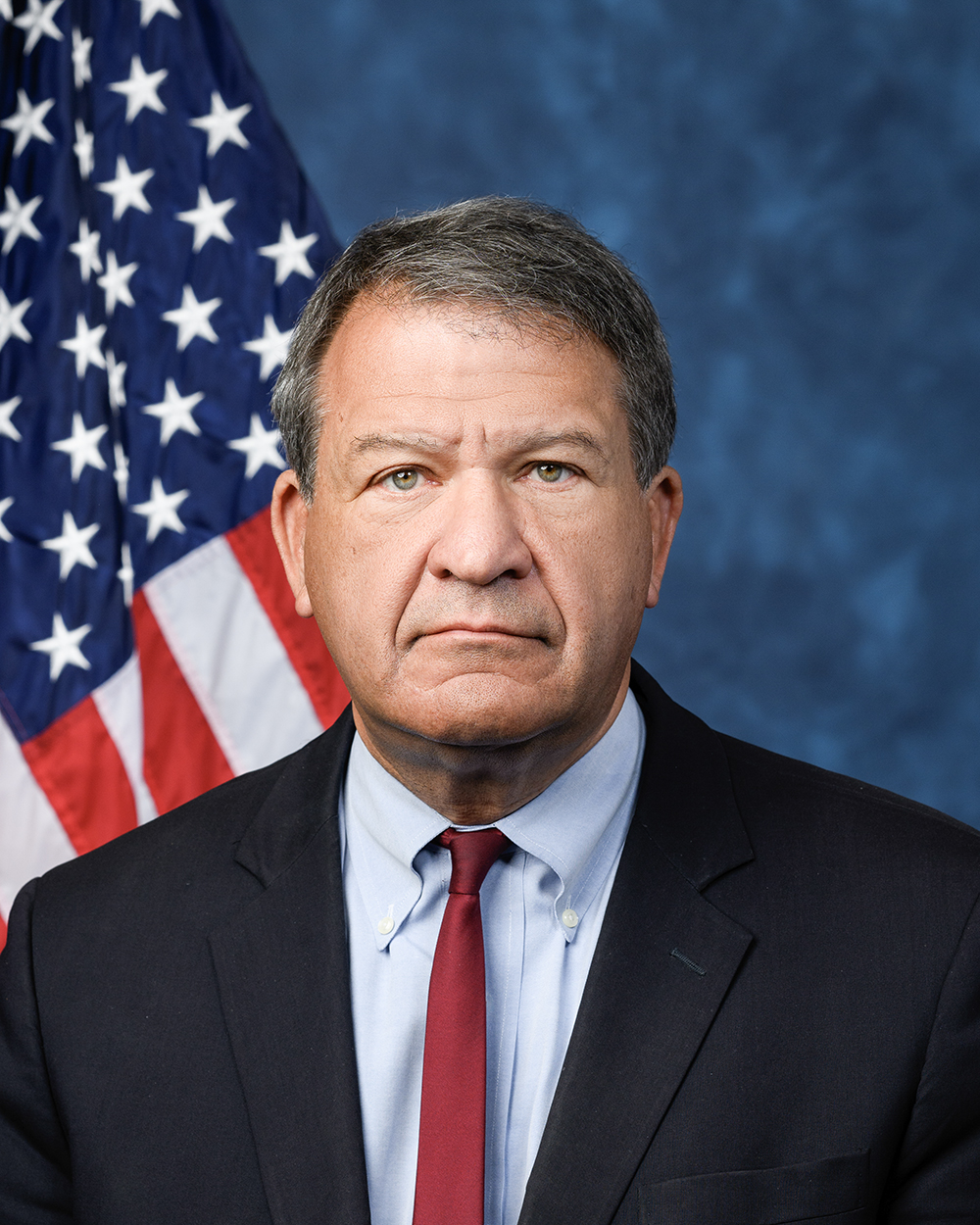
George Latimer
George Latimer House · District 16
D
Strong −
13% 67
Gregory W. Meeks
Gregory W. Meeks House · District 5
D
Strong −
14% 66
Showing 631–640 of 2,411 bills

All budget & taxes bills

signed · United States · House Dec 26, 2025

HR 1491: Disaster Related Extension of Deadlines Act

Disaster Related Extension of Deadlines Act This act requires the Internal Revenue Service (IRS) to treat the postponement of the federal tax return deadline due to a federally declared disaster or certain other events as an extension of such deadline for purposes of calculating the limit on a tax refund. The act also provides that the IRS’s deadline for sending certain notices includes such postponement. Under current law, a tax refund claim must be filed within three years of the date that the federal tax return is filed. (Some exceptions apply.) The tax refund amount generally is limited to federal taxes paid within the three years preceding the tax refund claim plus any extension of the federal tax return deadline (known as the lookback period). Under the law in effect prior to this act, the postponement of the federal tax return deadline is not an extension for purposes of the lookback period. Thus, under prior law, certain tax payments (e.g., amounts withheld from a paycheck for federal taxes) made before the federal tax return is filed may be outside the lookback period and non-refundable. Under the act, a federal tax return deadline postponed due to a federally declared disaster or certain other events must be treated as an extension of such deadline for purposes of the lookback period. Further, under current law, the IRS is required to mail a notice and demand for tax payment within 60 days of an assessment but not before the tax payment due date.  The act provides that the tax payment due date includes the postponement of the tax payment deadline due to a federally declared disaster or certain other events.
in committee · United States · House Jan 3, 2025

HR 159: CLEAN Public Service Act

HR 159, the CLEAN Public Service Act, would end future retirement contributions and coverage for Members of Congress (excluding the Vice President) 90 days after enactment. It preserves all retirement benefits earned prior to the law's effective date under both the Civil Service Retirement System and Federal Employees Retirement System. The bill maintains current members' eligibility to participate in the Thrift Savings Plan. This policy change directly affects sitting and future members of Congress by altering their retirement benefits structure.
Sub-Topics Pensions
in committee · United States · Senate Mar 20, 2026

SRES 654: A resolution expressing the sense of the Senate that the United States should reduce and maintain the Federal unified budget deficit at or below 3 percent of gross domestic product.

This resolution expresses the sense of the Senate that (1) Congress should adopt a fiscal target to reduce the federal budget deficit to 3% of gross domestic product or less as soon as possible and no later than the end of FY2030; and (2) after the target is achieved, Congress should continue to pursue further deficit reduction with the goal of achieving a balanced federal budget.
in committee · United States · House Mar 14, 2025

HR 985: To amend the Agriculture Improvement Act of 2018 to reauthorize the dairy business innovation initiatives.

This bill amends the 2018 Farm Bill to extend funding for dairy business innovation programs. It increases the annual funding from $20 million to $36 million and allows for up to four innovation initiatives (previously limited to three) to be funded each year. These changes directly affect dairy producers and cooperatives seeking grants to support new business models, processing, or market development. The key provision is the funding boost and expanded program capacity, enabling more dairy businesses to access federal support for innovation. The bill makes no changes to eligibility rules or application processes beyond these adjustments.
Tags Agriculture
in committee · United States · Senate Mar 10, 2026

S 4042: Keep Your Pay Act

The Keep Your Pay Act (S. 4042) modifies the U.S. tax code to increase the standard deduction and adjust tax rates for high earners, while also expanding tax credits for workers and families. Beginning in 2026, the standard deduction will rise to $56,250 for single filers and $37,500 for married couples, while the top income tax rate for the highest earners will increase from 37% to 43%. The bill also permanently extends the earned income credit for individuals without qualifying children, expands eligibility for those in U.S. possessions like Puerto Rico, and creates a new monthly child tax credit of up to $300 per child with advance payments starting immediately upon enactment. Additionally, a new $500 credit is established for certain other dependents not covered by the child tax credit.
Sub-Topics Income Tax Tax Credits
in committee · United States · House Mar 3, 2026

HR 7760: Protect Future Dividends Act

This bill, known as the Protect Future Dividends Act, would allow individuals to receive tax-free payments from state sovereign wealth funds. It directly affects residents who might receive periodic payments from these state-established permanent funds, which are designed to benefit individual citizens rather than businesses or organizations. The key provision adds a new section to the Internal Revenue Code that excludes these specific payments from gross income, provided the funds are permanently established by state law, receive designated state revenue, and make payments based primarily on residency. The change would apply to payments received after the bill becomes law, allowing recipients to keep the full amount without federal income tax liability.
Sub-Topics Income Tax Revenue
in committee · United States · House Jan 16, 2025

HR 489: Federal Agency Sunset Commission Act of 2025

This bill would establish a Federal Agency Sunset Commission to review federal agencies every 12 years (or less) to determine if they should be abolished, reorganized, or continued based on criteria like cost-effectiveness, duplication with other agencies, and whether they're operating within their original authority. The Commission would submit annual reports to Congress with specific recommendations for each agency, requiring Congress to vote on reauthorizing agencies with a supermajority (two-thirds vote) to extend their existence. If Congress fails to reauthorize an agency, it would be abolished after the review period, with the President responsible for winding down operations. This would affect all federal agencies, requiring them to regularly justify their continued existence through the Commission's review process.
in committee · United States · House Jan 9, 2025

HR 329: Expanding Penalty Free Withdrawal Act

This bill allows unemployed individuals to withdraw funds from retirement accounts without the usual 10% penalty under specific conditions. It applies to people who have received unemployment benefits for 26 consecutive weeks and withdraw money during the year they received benefits or the following year. Withdrawals are limited to $50,000 (or half the value of their retirement accounts, whichever is lower) over a one-year period. The change affects workers facing job loss who need access to retirement savings for immediate financial needs, but does not apply to withdrawals used for health insurance premiums. The provisions take effect for distributions after December 31, 2024.
in committee · United States · Senate Feb 12, 2025

S 534: Presidential Allowance Modernization Act of 2025

The Presidential Allowance Modernization Act of 2025 increases annual financial benefits for former U.S. Presidents and their surviving spouses. It sets a $200,000 annual annuity and a $200,000 annual allowance for former Presidents (replacing prior rates), and raises the surviving spouse allowance from $20,000 to $100,000 per year. Both the annuity and allowance for former Presidents will adjust annually for inflation using Social Security's cost-of-living formula. The allowance for former Presidents may be reduced if their income exceeds $400,000, but the reduction is structured to ensure the allowance remains sufficient for security costs.
passed · United States · House Sep 17, 2026

HR 7831: License to Drill Act

This bill, known as the License to Drill Act, extends the deadline for collecting fees on new oil and gas drilling permit applications from 2026 to 2037 under the Mineral Leasing Act. It requires the Secretary of the Interior to continue collecting these fees for each new permit application throughout the extended period. The bill also directs that all fees collected between fiscal years 2027 and 2037 be transferred to the BLM Permit Processing Improvement Fund instead of being distributed as previously required. These changes affect the Bureau of Land Management's administrative process for managing oil and gas leasing on federal lands.
Sub-Topics Oil & Gas Public Lands
Showing 631 to 640 of 2,411 bills
Previous 1 … 63 64 65 … 242 Next