

Issue · Budget & Taxes
Budget & Taxes
Every budget & taxes bill, vote, and legislator stance in United States, automatically classified by Maddy, our AI policy reader.
Total bills
2,411
119th Congress
Top supporter
Clay Fuller
87% support rate
Top opponent
Eleanor Holmes Norton
0% support rate
Ranked legislators
10
5 support · 5 oppose
Key legislators
Who's moving budget & taxes in United States
| Legislator | Party | Stance | Support rate | Decisive votes |
|---|---|---|---|---|
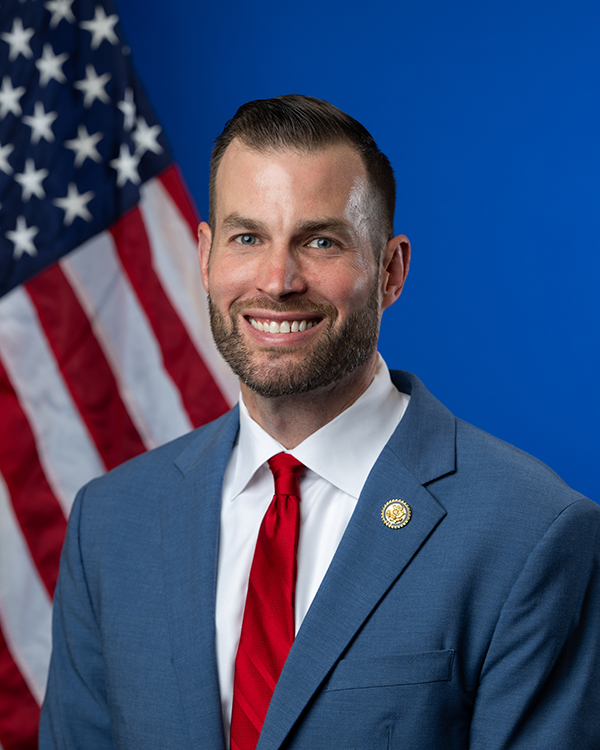
Clay Fuller
House · District 14
|
R |
Strong +
|
87% | 46 |
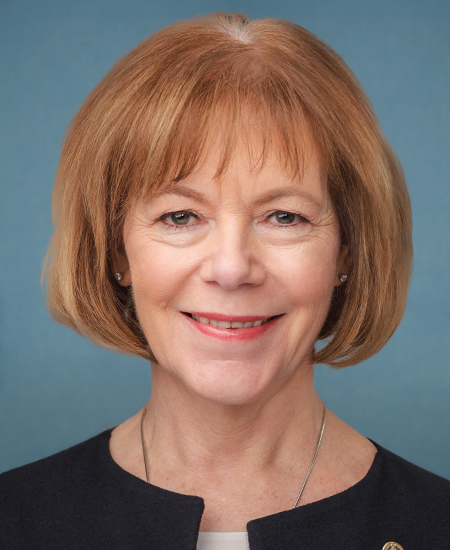
Tina Smith
Senate
|
D |
Strong +
|
83% | 77 |
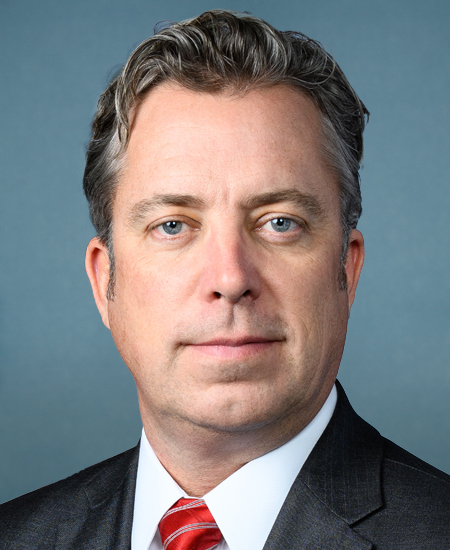
Andrew Ogles
House · District 5
|
R |
Strong +
|
83% | 65 |
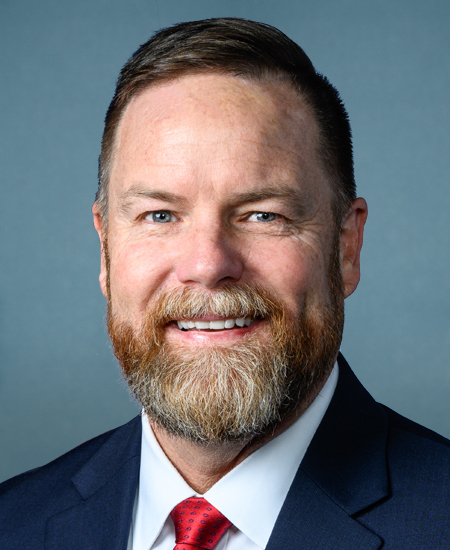
Aaron Bean
House · District 4
|
R |
Strong +
|
83% | 69 |
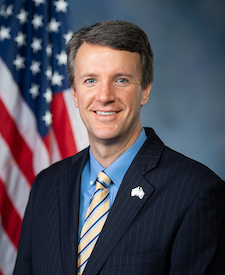
Ben Cline
House · District 6
|
R |
Strong +
|
83% | 69 |
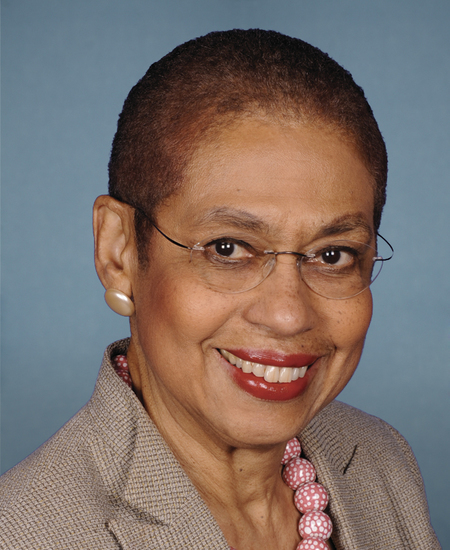
Eleanor Holmes Norton
House · District At-Large
|
D |
Strong −
|
0% | 26 |
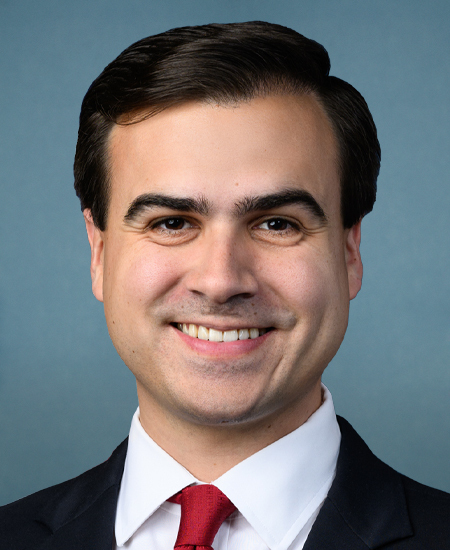
Pablo José Hernández
House · District At-Large
|
D |
Strong −
|
7% | 28 |
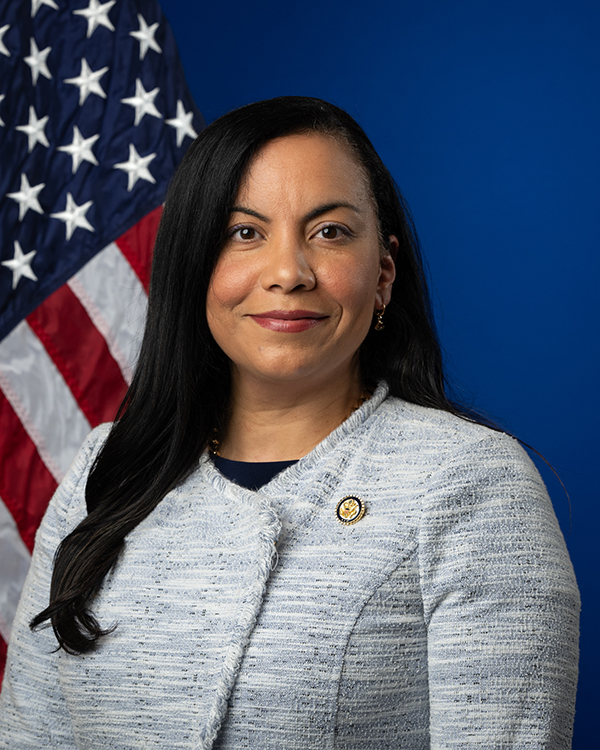
Analilia Mejia
House · District 11
|
D |
Strong −
|
13% | 45 |
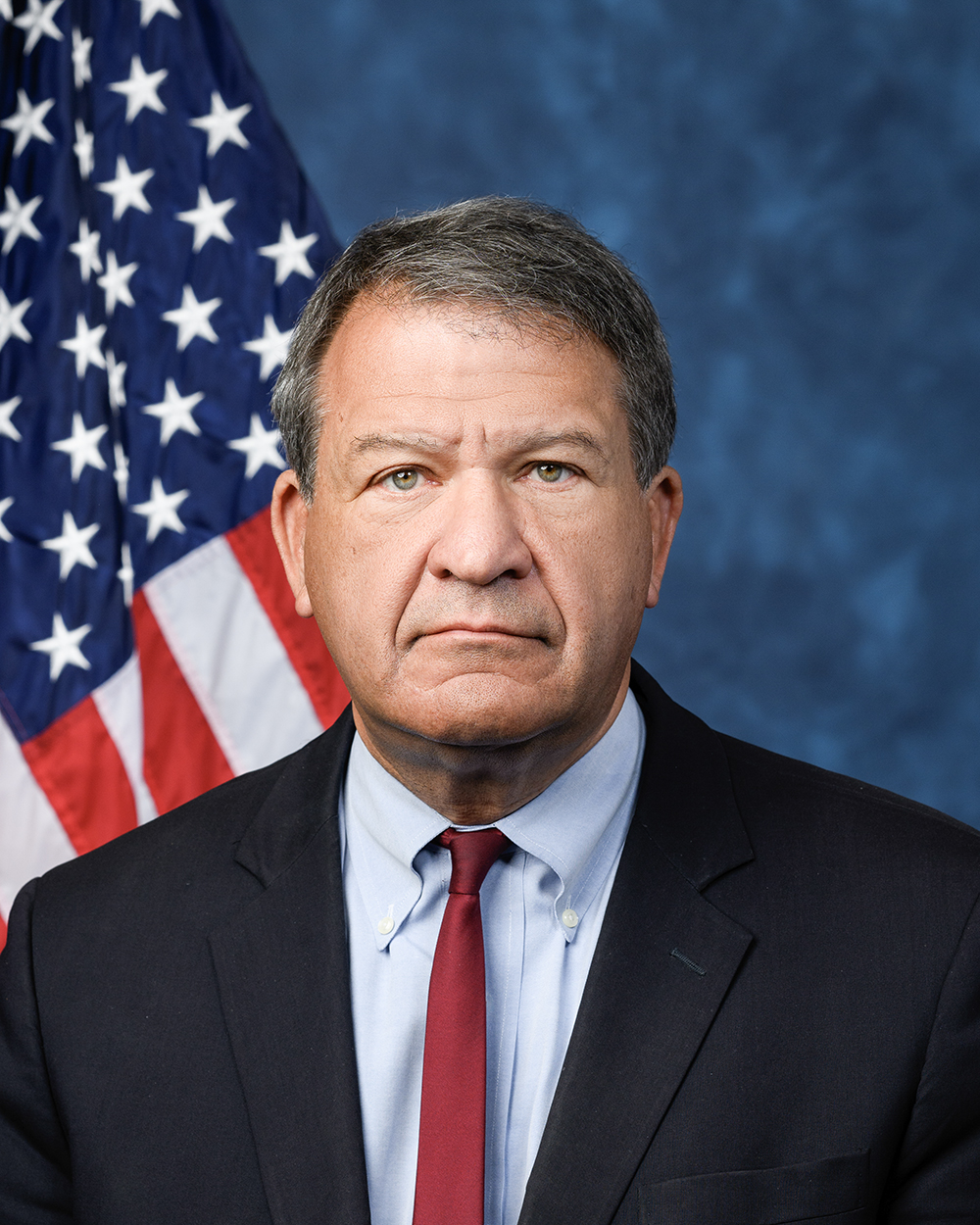
George Latimer
House · District 16
|
D |
Strong −
|
13% | 67 |
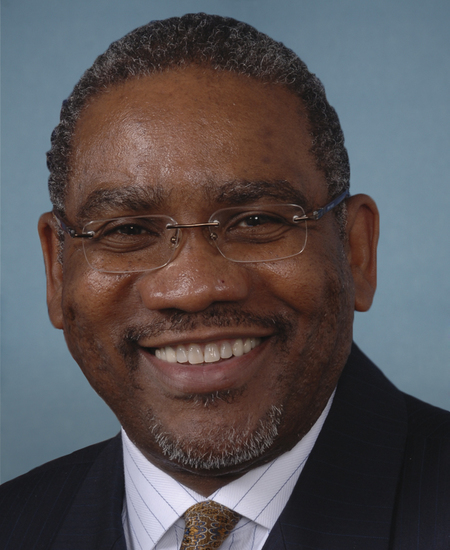
Gregory W. Meeks
House · District 5
|
D |
Strong −
|
14% | 66 |
Showing 531–540 of 2,411
bills
All budget & taxes bills
HR 8108: End Polluter Welfare for Enhanced Oil Recovery Act of 2026
Topics
✗ Budget & TaxesOpposes Budget & TaxesBill eliminates federal tax credits for enhanced oil recovery and carbon capture, reducing government revenue incentives and limiting fiscal support for energy projects.
✗ EnergyOpposes EnergyBill eliminates tax credits for enhanced oil recovery and carbon capture, directly restricting fossil fuel production and clean energy infrastructure development.
✗ EnvironmentOpposes EnvironmentBill removes tax credits for enhanced oil recovery and carbon capture, weakening environmental protections and reducing incentives for clean energy technologies.
HR 8465: Funding Early Childhood is the Right IDEA Act
Topics
✓ Budget & TaxesSupports Budget & TaxesBill increases authorized funding for early childhood education programs under IDEA, directly supporting government spending on essential public services.
✓ EducationSupports EducationBill increases authorized funding for early childhood special education programs under IDEA, expanding access to educational services for infants, toddlers, and preschool children with disabilities.
✓ HealthcareSupports HealthcareBill increases funding for early childhood disability services and preschool special education, expanding healthcare access for vulnerable populations.
HR 8373: Improving Access to Financial Coaching Act of 2026
HR 8277: To amend the Internal Revenue Code of 1986 to designate copper as an applicable critical mineral and to include ore extraction costs for purposes of the advanced manufacturing production credit.
Topics
✓ Budget & TaxesSupports Budget & TaxesBill expands tax credit for critical mineral production, promoting domestic manufacturing and economic development through fiscal incentives.
✓ EnergySupports EnergyBill expands tax credits for critical mineral production including copper, supporting domestic energy infrastructure and manufacturing.
Sub-Topics
Tax Credits
HR 8305: Working Parents Tax Relief Act of 2026
Topics
✓ Budget & TaxesSupports Budget & TaxesBill increases Earned Income Tax Credit for working parents, providing tax relief and financial support to lower-income families with young children.
✓ Labor & EmploymentSupports Labor & EmploymentBill increases tax credits for working parents, effectively supporting workers' financial well-being and employment stability for families with young children.
HR 8469: Making appropriations for military construction, the Department of Veterans Affairs, and related agencies for the fiscal year ending September 30, 2027, and for other purposes.
Topics
✓ Budget & TaxesSupports Budget & TaxesBill provides substantial funding for military construction and VA services, directly supporting government spending and budget allocation for essential programs.
✓ HealthcareSupports HealthcareBill allocates significant funding to VA healthcare services and related agencies, strengthening healthcare access for veterans and military personnel.
✓ HousingSupports HousingBill allocates funding for military family housing under VA and military construction appropriations, directly supporting housing infrastructure for service members and veterans.
✓ VeteransSupports VeteransBill allocates federal funds to Department of Veterans Affairs for fiscal year 2027, directly funding veteran services and benefits.
S 4287: GRATS Act
Sub-Topics
Income Tax
HR 7960: Big Oil Windfall Profits Tax Act
Topics
✓ Budget & TaxesSupports Budget & TaxesBill establishes new excise tax on large oil companies and directs revenue to consumer rebates, supporting fiscal management and protecting consumers from gas price increases.
✓ EnergySupports EnergyBill imposes windfall profits tax on large oil companies and returns revenue to consumers via rebates, protecting consumers from high energy costs.
S 4297: Keep Public Funds in Public Schools Act
Topics
✓ Budget & TaxesSupports Budget & TaxesBill closes tax loopholes by repealing tax credits and exclusions for scholarship organizations, keeping public funds in public schools and promoting fiscal responsibility.
✗ EducationOpposes EducationBill repeals tax provisions that fund scholarship programs and educational assistance, effectively reducing resources available for education.