Issue · Budget & Taxes

Budget & Taxes

Every budget & taxes bill, vote, and legislator stance in United States, automatically classified by Maddy, our AI policy reader.

Total bills
2,411
119th Congress
Top supporter
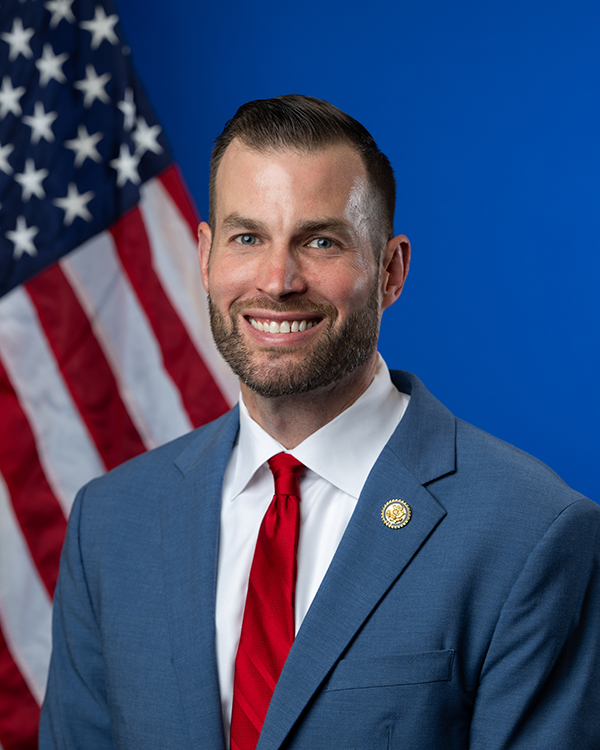
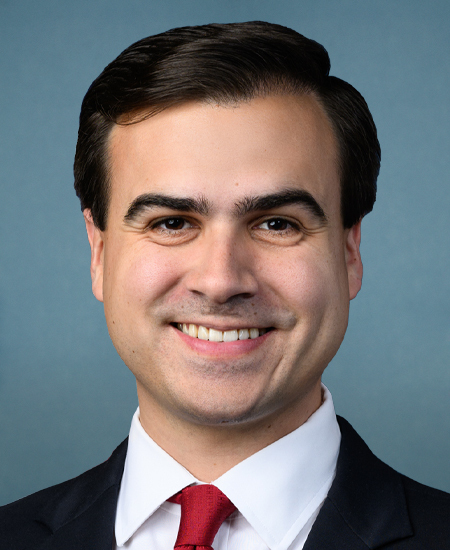
Clay Fuller
87% support rate
Top opponent
Eleanor Holmes Norton
0% support rate
Ranked legislators
10
5 support · 5 oppose
Key legislators

Who's moving budget & taxes in United States

Legislators moving budget & taxes in United States
Legislator Party Stance Support rate Decisive votes
Clay Fuller
Clay Fuller House · District 14
R
Strong +
87% 46
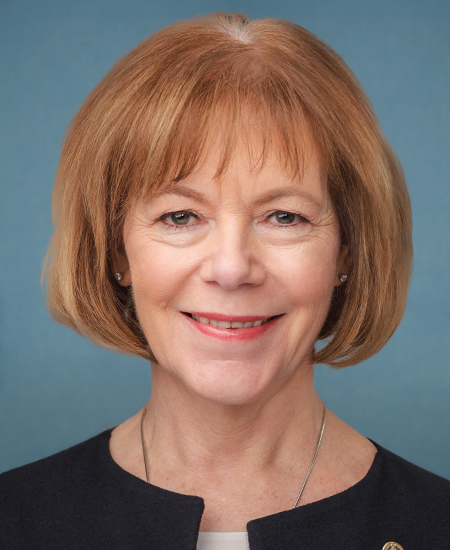
Tina Smith
Tina Smith Senate
D
Strong +
83% 77
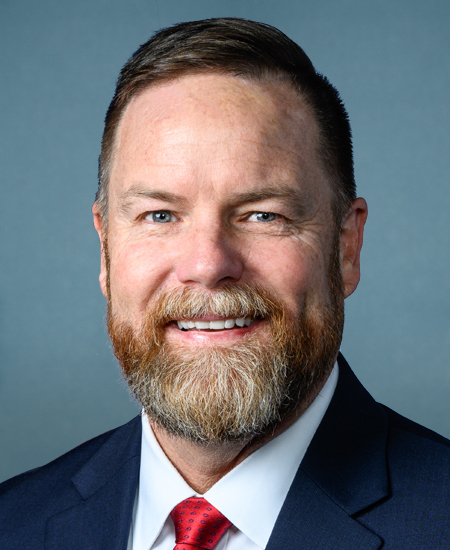
Andrew Ogles
Andrew Ogles House · District 5
R
Strong +
83% 65
Aaron Bean
Aaron Bean House · District 4
R
Strong +
83% 69
Ben Cline
Ben Cline House · District 6
R
Strong +
83% 69
Eleanor Holmes Norton
Eleanor Holmes Norton House · District At-Large
D
Strong −
0% 26
Pablo José Hernández
Pablo José Hernández House · District At-Large
D
Strong −
7% 28
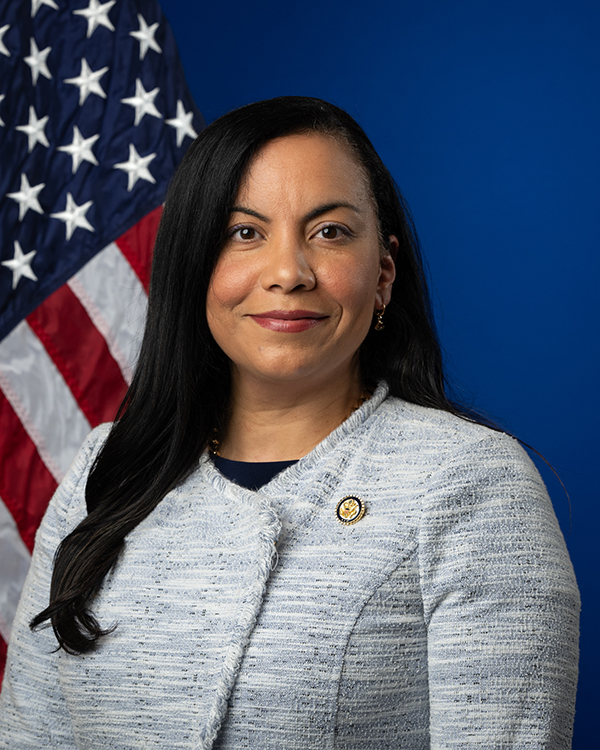
Analilia Mejia
Analilia Mejia House · District 11
D
Strong −
13% 45
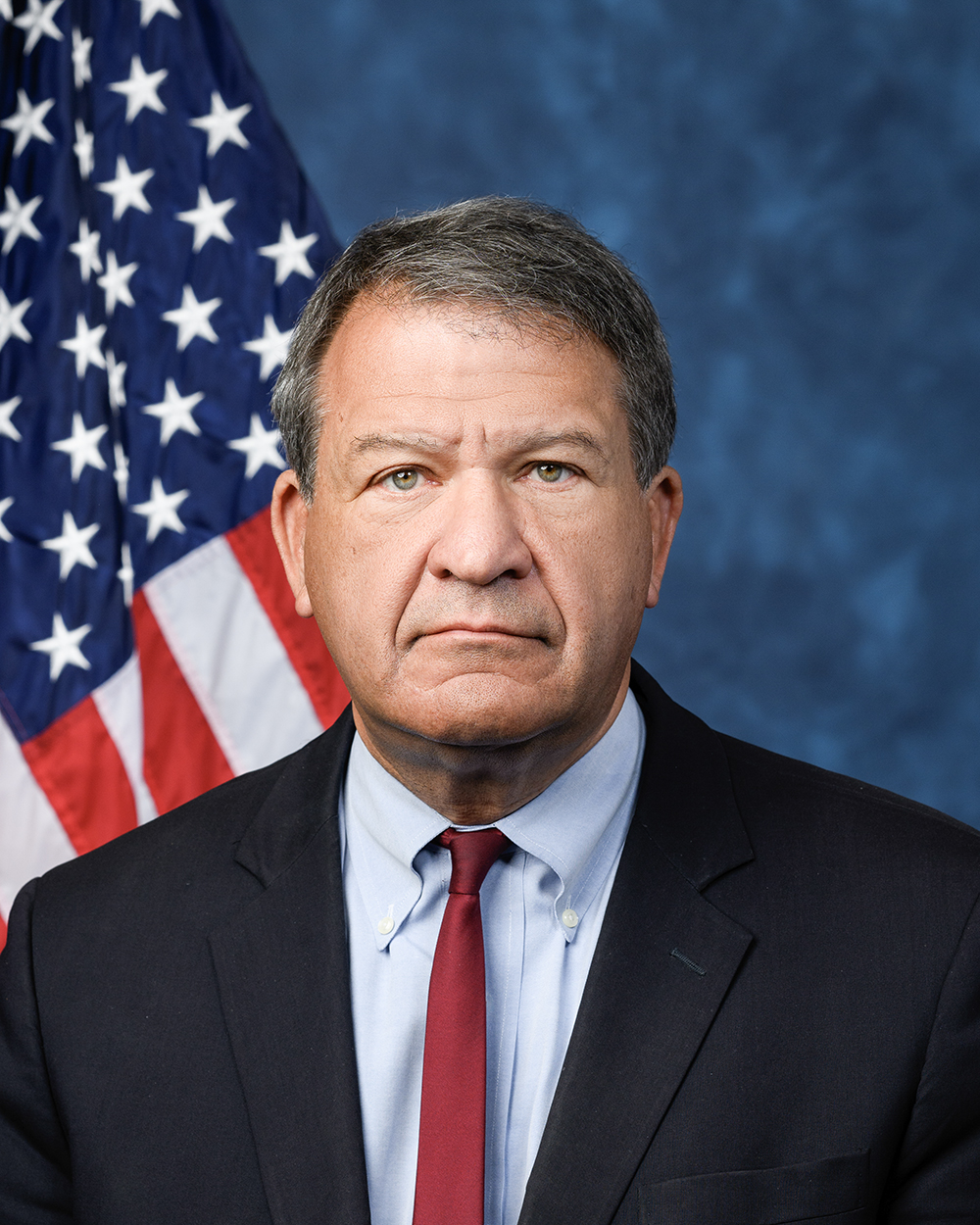
George Latimer
George Latimer House · District 16
D
Strong −
13% 67
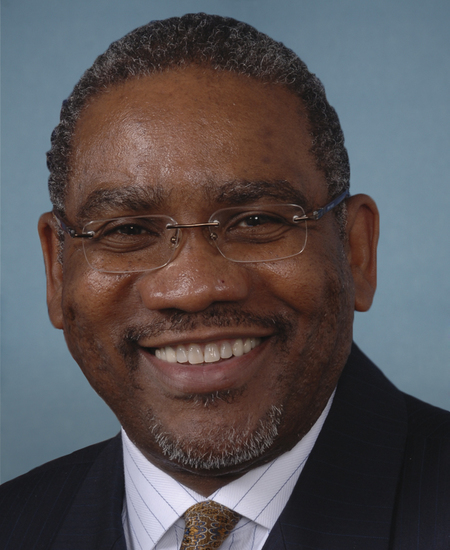
Gregory W. Meeks
Gregory W. Meeks House · District 5
D
Strong −
14% 66
Showing 501–510 of 2,411 bills

All budget & taxes bills

in committee · United States · Senate May 12, 2026

S 4490: Fair Trusts for Fiscal Responsibility Act

This bill introduces a new annual tax on the total value of assets held in certain trusts, requiring owners to file detailed reports of trust holdings and beneficiary interests. The tax is calculated using a progressive rate structure that ranges from 1% to 3%, with specific thresholds that are adjusted for inflation starting in 2027. To offset this new liability, the legislation creates a "trust withholding credit account" that allows beneficiaries to claim credits against future estate and generation-skipping transfer taxes based on the taxes paid by the trust. Additionally, the bill modifies rules for grantor trusts by treating payments made by grantors to cover trust taxes as taxable gifts, while simultaneously denying any tax deductions for those payments.
passed · United States · House Jul 29, 2026

HR 8595: Making appropriations for national security, Department of State, and related programs for the fiscal year ending September 30, 2027, and for other purposes.

National Security, Department of State, and Related Programs Appropriations Act, 2027 This bill provides FY2027 appropriations for national security, the Department of State, and related programs. The bill provides appropriations to the State Department for Administration of Foreign Affairs, International Organizations, and International Commissions. The bill provides appropriations for related programs, including the Asia Foundation, the Center for Middle Eastern-Western Dialogue Trust Fund, the Eisenhower Exchange Fellowship Program, the Israeli Arab Scholarship Program, the East-West Center, and the National Endowment for Democracy. The bill provides appropriations for other commissions, including the Commission for the Preservation of America's Heritage Abroad, the U.S. Commission on International Religious Freedom, the Commission on Security and Cooperation in Europe, the Congressional-Executive Commission on the People's Republic of China, and  the U.S.-China Economic and Security Review Commission. The bill provides appropriations to the House Democracy Partnership, the Offices of Inspector General, the State Department and the President for International Security Assistance, and International Financial Institutions for Multilateral Assistance. The bill provides appropriations for bilateral economic assistance, including programs and activities conducted by the President; Independent Agencies, including the Peace Corps, the Millennium Challenge Corporation, and the U.S. Foundation for Natural Security and Counterterrorism, the Department of the Treasury. The bill provides appropriations for export and investment assistance to the Export-Import Bank of the United States, the U.S. International Development Finance Corporation, and the U.S. Trade and Development Agency. The bill sets forth requirements and restrictions for using funds provided by this and other appropriations acts.
Sub-Topics Appropriations
in committee · United States · Senate May 12, 2026

S 4492: ABLE MATCH (Making Able a Tool to Combat Hardship) Act

This bill creates a new federal tax credit that matches contributions to ABLE savings accounts, which are designed to help people with disabilities save for qualified expenses. The government will contribute up to 100% of an individual's annual contributions, capped at $2,000, provided the taxpayer's income falls below specific thresholds that phase out the benefit. To receive the match, individuals must file a tax return claiming the credit, and the funds are typically deposited directly into their ABLE account. The legislation also requires state programs to report demographic data about account holders and authorizes $5 million in annual grants to help states promote these savings accounts.
Sub-Topics Tax Credits
introduced · United States · Senate Apr 27, 2026

S 4378: Protecting American Taxpayers Act

The Protecting American Taxpayers Act aims to reduce government waste and fraud by requiring stricter oversight of federal programs and extending legal deadlines for prosecuting pandemic-related violations. It mandates that child care payments be based on recorded attendance rather than enrollment alone and requires agencies to report when health care spending or provider numbers spike by more than 100 percent in specific areas. The bill also prohibits small businesses from receiving federal loans or grants if an owner or key employee has been convicted of financial misconduct, while simultaneously banning foreign entities controlled by agents from certain listed countries from receiving U.S. financial assistance. Additionally, the legislation seeks to increase transparency by requiring agencies to publicly report on improper payments and other transaction agreements, and it expands whistleblower protections for employees of defense and non-defense contractors who report waste or misconduct.
passed · United States · House Jun 9, 2026

HR 8107: Government Audit and Accountability of Federally Funded State-Administered Programs Act

This bill directs the Comptroller General of the United States to create and regularly update a "High Risk List" that identifies program areas where state and local governments face the greatest risks to the integrity of federally funded money. The list will analyze existing audit reports and public data to pinpoint specific administrative practices that lead to waste, fraud, or abuse, while also highlighting successful strategies that have improved fund management. Additionally, the report will outline available federal tools and resources to help address these vulnerabilities and offer recommendations to Congress on how to mitigate the identified risks. Ultimately, the legislation aims to enhance oversight of state-administered federal programs by providing a clear, evidence-based assessment of where the highest risks exist.
signed · United States · Senate Jun 10, 2026

S 2: Secure America Act

The Secure America Act appropriates billions of dollars to U.S. Customs and Border Protection and Immigration and Customs Enforcement for fiscal year 2026 to expand staffing and operations. These funds are specifically designated for hiring agents to conduct functions other than immigration enforcement and customs duties, as well as for purchasing new technology to combat drug trafficking and improve border surveillance. The legislation includes restrictions that prohibit using the money to recruit processing coordinators after October 2028 and bans the deployment of untested autonomous surveillance towers. A portion of the funding is also set aside to hire investigators and analysts dedicated to identifying and rescuing victims of child sexual exploitation.
in committee · United States · House Apr 21, 2026

HR 8420: Veterans Legal Support Act of 2026

The Veterans Legal Support Act of 2026 authorizes the Department of Veterans Affairs to provide funding to university law school programs that offer legal assistance to veterans. This funding, totaling $10,000,000 annually from fiscal years 2027 through 2031, supports legal clinics that help veterans with VA appeals, fiduciary appointments, benefits claims, and other civil, criminal, and family legal matters. The bill does not mandate specific outcomes but establishes a financial mechanism for law schools to expand their veteran legal services. It directly affects veterans seeking legal help and university law schools that operate such programs.
in committee · United States · House May 14, 2026

HR 8832: Supporting Women COPS Act of 2026

The Supporting Women COPS Act of 2026 creates a 12-member Task Force to study and recommend national hiring standards for law enforcement that do not disadvantage women based on sex. This group will also provide advice on improving retention for female officers and helping them advance to leadership positions. States that adopt these recommendations will receive an additional 5 percent of their federal crime control funding, and the Attorney General will offer technical assistance to help states implement the standards. The Task Force must submit its findings and recommendations to Congress within 18 months of the bill's enactment.
Sub-Topics Law Enforcement
passed · United States · House Jun 11, 2026

HR 8312: Fraud Prevention and Accountability Act

The Fraud Prevention and Accountability Act creates a new Office of the Inspector General for Fraud, Accountability, and Recovery within the Department of the Treasury to oversee federal spending and prevent fraud. This new office will have authority to conduct audits and investigations across multiple federal programs, including pandemic relief funds, and will coordinate with other agencies to share data and identify fraudulent activity. The bill also requires federal agencies to screen potential payees against a centralized fraud database and mandates that the Treasury establish a governmentwide data analysis program to detect improper payments. Additionally, the act transfers assets and personnel from the Pandemic Response Accountability Committee to the new office and requires annual reporting to Congress on fraud prevention efforts.
passed · United States · House Jun 9, 2026

HR 8466: TRUE Accountability Act

The TRUE Accountability Act requires federal agencies to create and maintain internal control plans specifically designed for emergency spending situations like disasters, pandemics, or economic relief efforts. These plans must identify senior officials responsible for implementation, assess risks of improper payments and fraud, and include data-driven monitoring techniques to detect issues before funds are spent. Agencies must submit their plans to the Office of Management and Budget within a year of enactment and report them to Congress annually, with the guidance and plans being reviewed and updated every three years. The bill does not authorize any new funding but instead establishes reporting and accountability procedures for existing emergency appropriations processes.
Showing 501 to 510 of 2,411 bills
Previous 1 … 50 51 52 … 242 Next