Issue · Budget & Taxes

Budget & Taxes (Government Spending)

Every budget & taxes bill, vote, and legislator stance in United States, automatically classified by Maddy, our AI policy reader.

Total bills
56
119th Congress
Top supporter
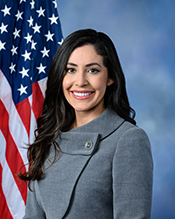
Anna Paulina Luna
100% support rate
Top opponent
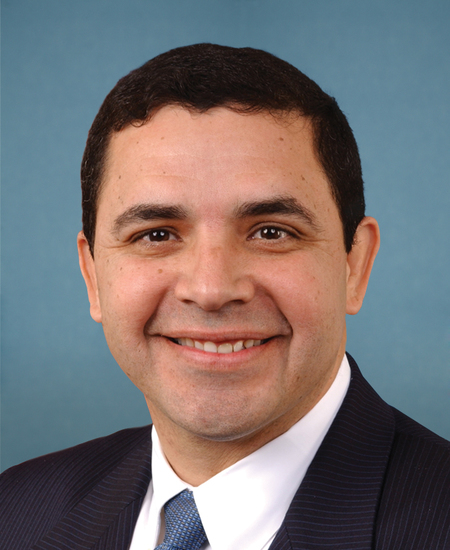
Henry Cuellar
0% support rate
Ranked legislators
10
5 support · 5 oppose
Key legislators

Who's moving government spending in United States

Legislators moving government spending in United States
Legislator Party Stance Support rate Votes
Anna Paulina Luna
Anna Paulina Luna House · District 13
R
Strong +
100% 5
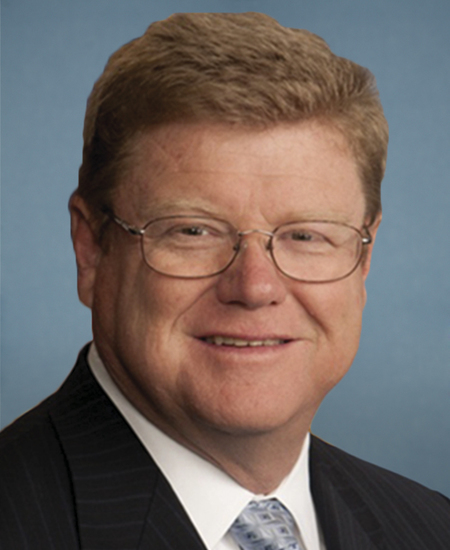
Mark E. Amodei
Mark E. Amodei House · District 2
R
Strong +
100% 5
Mike Carey
Mike Carey House · District 15
R
Strong +
100% 5
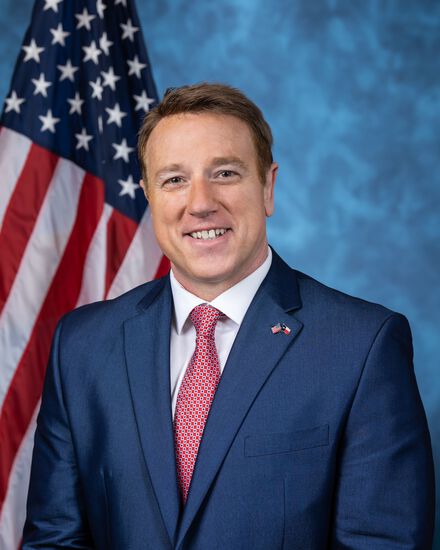
Pat Fallon
Pat Fallon House · District 4
R
Strong +
100% 5
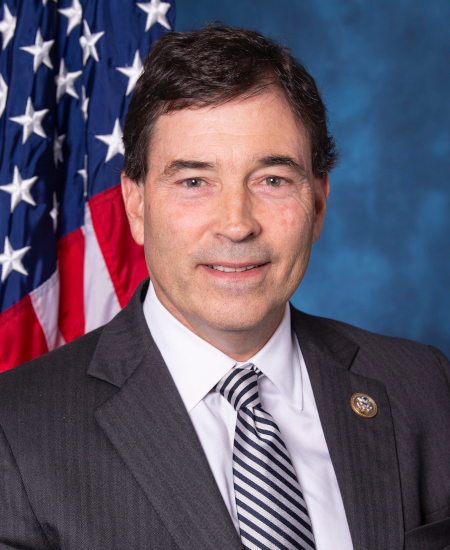
Troy Balderson
Troy Balderson House · District 12
R
Strong +
100% 5
Henry Cuellar
Henry Cuellar House · District 28
D
Strong −
0% 6
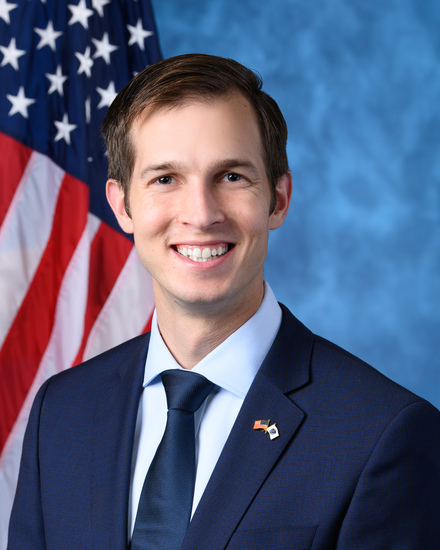
Jake Auchincloss
Jake Auchincloss House · District 4
D
Strong −
0% 5
Kim Schrier
Kim Schrier House · District 8
D
Strong −
0% 5
Raja Krishnamoorthi
Raja Krishnamoorthi House · District 8
D
Strong −
0% 5
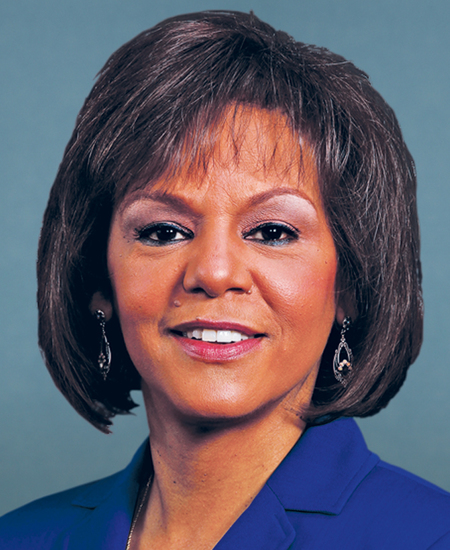
Robin L. Kelly
Robin L. Kelly House · District 2
D
Strong −
0% 5
Showing 41–50 of 56 bills

All budget & taxes bills

in committee · United States · House Oct 10, 2025

HR 5738: No Budget, No Pay Act

HR 5738, the "No Budget, No Pay Act," requires Congress to approve a budget resolution and pass all annual appropriations bills by October 1 each fiscal year. If Congress misses this deadline, members of Congress (excluding the Vice President) lose pay for the period of non-compliance, as determined by the House and Senate Budget and Appropriations Chairs. The bill specifies that no retroactive pay is allowed for any period during which Congress was out of compliance. This directly affects all elected members of Congress by linking their pay to timely budget passage, creating a financial incentive for meeting the October 1 deadline.
in committee · United States · Senate Sep 29, 2025

S 2930: Smarter Approaches to Nuclear Expenditures Act

This bill, S 2930, directly affects U.S. nuclear spending by imposing specific caps and prohibitions on weapons programs to reduce costs. It limits deployed strategic warheads to 1,000 (aligned with New START Treaty levels), caps submarine purchases at eight Columbia-class vessels, restricts ICBMs to 150, and bans funding for new systems like the LGM-35 Sentinel ICBM, F-35 nuclear capability, low-yield warheads, and the Uranium Processing Facility. The bill requires annual reports to Congress on implementation and cost savings, aiming to cut projected nuclear modernization costs by billions over the next decade. These changes apply to the Department of Defense and Energy budgets starting in fiscal year 2026.
Sub-Topics Government Spending
in committee · United States · House Apr 17, 2025

HR 2941: Historic Tax Credit Growth and Opportunity Act of 2025

This bill increases the federal tax credit for rehabilitating historic buildings. It raises the standard credit rate from 20% to 30% for qualifying small projects (with a $3.75 million expenditure cap) and further increases the cap to $5 million for projects in rural areas. The bill also allows taxpayers to transfer all or part of this credit to another taxpayer, creating a new market for the credit. These changes apply to properties placed in service after the bill's enactment date. The bill directly affects developers and owners of historic properties seeking tax incentives for rehabilitation projects.
in committee · United States · Senate Aug 6, 2026

S 2732: Bonuses for Cost-Cutters Act of 2025

The Bonuses for Cost-Cutters Act of 2025 creates a program to reward federal employees who identify unnecessary spending in agency budgets. Employees can report funds not required for agency operations (called "surplus salaries and expenses funds"), and agencies must verify these savings through their Inspector General or designated staff. If verified, agencies transfer the funds to the Treasury for deficit reduction, while retaining up to 10% of the amount to pay cash awards to the employees who identified the savings. Agencies must submit annual reports on savings and awards to the Treasury, which then shares this data with Congress. The program expires 6 years after enactment.
Sub-Topics Government Spending
in committee · United States · House Jun 12, 2025

HR 3787: Emergency Spending Accountability Act

HR 3787, the Emergency Spending Accountability Act, requires the Office of Management and Budget to implement mandatory spending cuts equal to 20% of all emergency spending approved in a fiscal year. These cuts would occur over five years (starting October 1 of the next fiscal year) and apply to most federal programs, though they exempt Social Security benefits, national defense (budget function 050), Department of Veterans Affairs programs, and Medicare. The bill also mandates that any congressional measure containing emergency spending must include a detailed justification explaining why the spending qualifies as "emergency" under existing budget laws. This aims to create accountability for spending that bypasses standard budget limits.
Sub-Topics Appropriations Government Spending Tags Emergency Management
in committee · United States · Senate Feb 10, 2025

S 499: Government Shutdown Prevention Act of 2025

This bill automatically prevents government shutdowns by funding federal programs at 94% of the previous fiscal year's level if Congress fails to pass a regular budget on time. For 90 days, funding starts at 94% and decreases by 1% every 90 days until a new budget is enacted, with special rules maintaining full funding for mandatory programs like food assistance. It applies to most government operations but excludes programs with specific legal requirements or those already funded by other laws. The bill ensures continuous service for agencies without requiring new congressional action during funding gaps.
in committee · United States · Senate Jan 30, 2025

S 343: Keep Our PACT Act

This bill mandates increased federal funding for two key education programs. It requires annual appropriations for Title I of the Elementary and Secondary Education Act (which supports schools serving disadvantaged students) and the Individuals with Disabilities Education Act (IDEA, which funds special education) starting in 2026. The bill sets specific, rising annual funding levels - based on a 2025 baseline and national per-student spending - to gradually reach 40% of the national average per-pupil expenditure for IDEA by 2035. These funds directly affect school districts receiving Title I support and those providing special education services under IDEA. The funding is made mandatory, not discretionary, ensuring consistent annual support for these programs.
in committee · United States · House Jan 13, 2025

HRES 36: Finding Federal Savings Committee Resolution

HRES 36 creates a new House committee, the Committee on the Elimination of Nonessential Federal Programs, to review and recommend cutting underperforming or unnecessary federal programs. The committee, composed of 14 members (including four from key committees and a bipartisan chair/vice chair), must annually report findings and propose specific legislation to eliminate targeted programs. It establishes expedited rules for such legislation, including a 10-hour debate limit and no amendments, while dissolving after the 120th Congress. This resolution directly affects House procedures and future budget decisions by streamlining program-cutting efforts.
Sub-Topics Government Spending
in committee · United States · Senate Jan 22, 2025

S 181: A bill to require agencies submit zero-based budgets.

S 181 requires most federal agencies to submit zero-based budgets every six years, analyzing current operations, exploring alternatives, and ranking programs by importance. These budgets must cover the next fiscal year and the following four years, submitted to the Office of Management and Budget and congressional budget committees. Agencies (excluding Defense and the National Nuclear Security Administration) must also recommend specific program cuts totaling at least a 2% reduction in non-defense discretionary spending from the prior year. The bill directly affects how federal agencies plan and justify their funding, aiming to improve budget efficiency through systematic review.
in committee · United States · House Jan 31, 2025

HR 829: Fighting Budget Waste Act

The Fighting Budget Waste Act requires the President and the Office of Management and Budget (OMB) to consider the most recent Government Accountability Office (GAO) report on reducing government waste when preparing the annual federal budget. Specifically, it mandates review of the GAO's findings about cutting fragmentation, duplication, and overlap in federal programs - such as the report titled *Additional Opportunities to Reduce Fragmentation, Overlap, and Duplication and Achieve Billions of Dollars in Financial Benefits* - to identify potential savings. The OMB must also submit a separate report to Congress detailing how it incorporated the GAO's recommendations into the budget submission. This law aims to make the budget process more transparent by formally integrating the GAO's waste-reduction analysis into federal fiscal planning.
Showing 41 to 50 of 56 bills
Previous 1 4 5 6 Next