Issue · Budget & Taxes

Budget & Taxes

Every budget & taxes bill, vote, and legislator stance in United States, automatically classified by Maddy, our AI policy reader.

Total bills
2,044
119th Congress
Top supporter
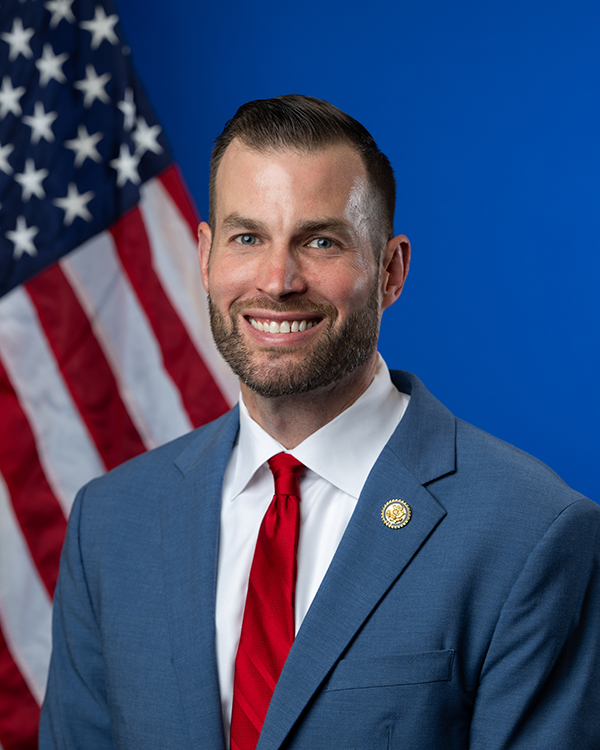
Clay Fuller
86% support rate
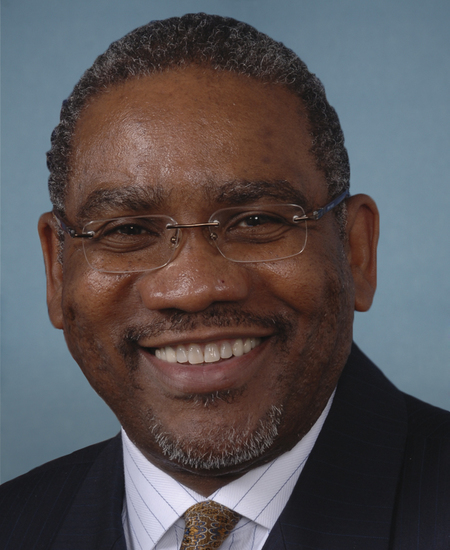
Top opponent
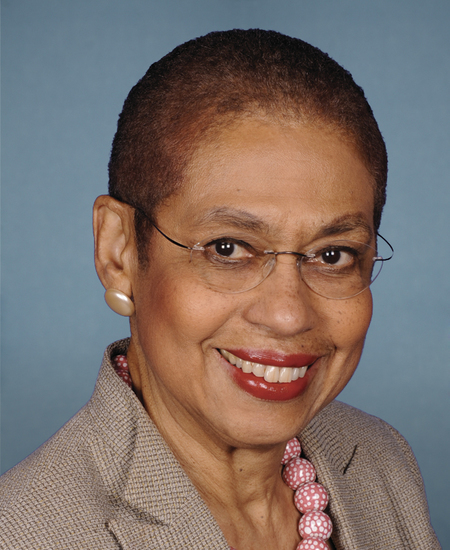
Eleanor Holmes Norton
0% support rate
Ranked legislators
10
5 support · 5 oppose
Key legislators

Who's moving budget & taxes in United States

Legislators moving budget & taxes in United States
Legislator Party Stance Support rate Votes
Clay Fuller
Clay Fuller House · District 14
R
Strong +
86% 55
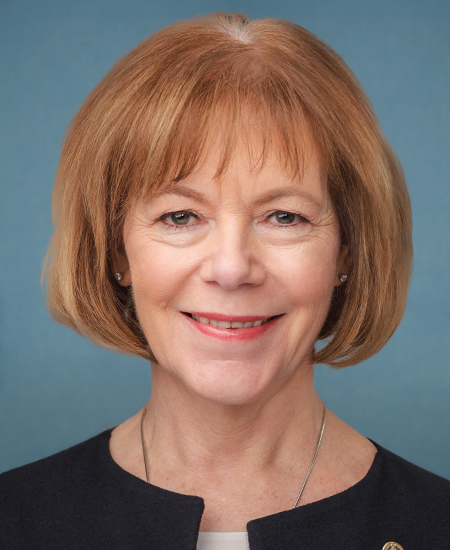
Tina Smith
Tina Smith Senate
D
Strong +
83% 251
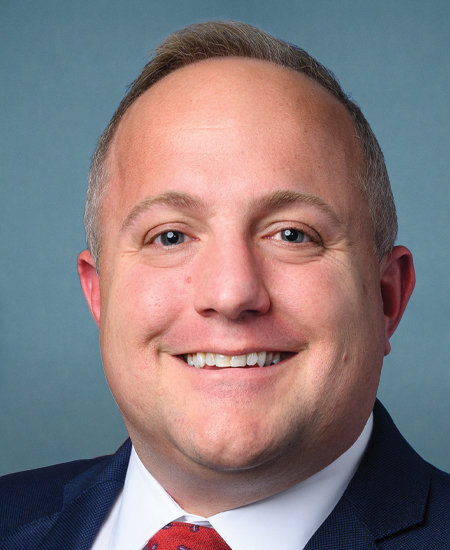
Andrew Ogles
Andrew Ogles House · District 5
R
Strong +
83% 175
Russell Fry
Russell Fry House · District 7
R
Strong +
82% 186
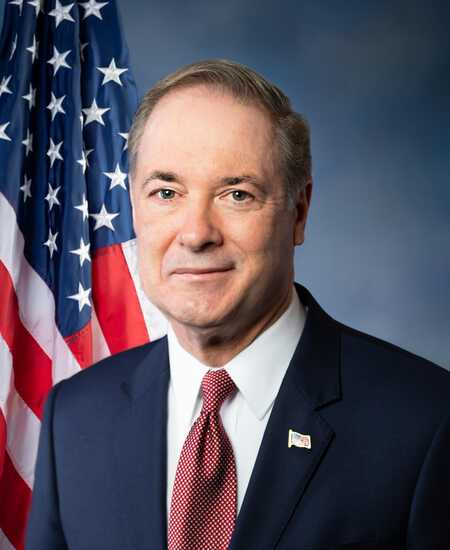
John Joyce
John Joyce House · District 13
R
Strong +
82% 185
Eleanor Holmes Norton
Eleanor Holmes Norton House · District At-Large
D
Strong −
0% 46
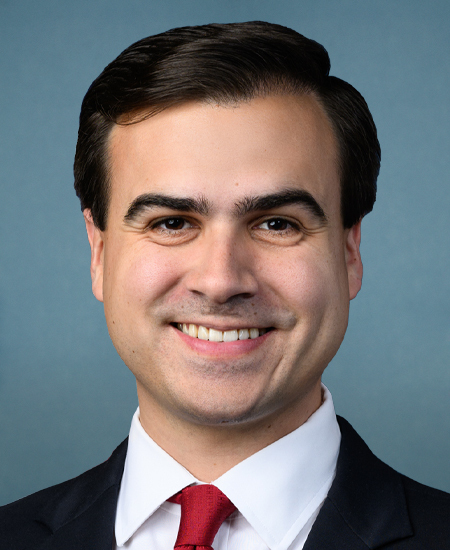
Pablo José Hernández
Pablo José Hernández House · District At-Large
D
Strong −
7% 46
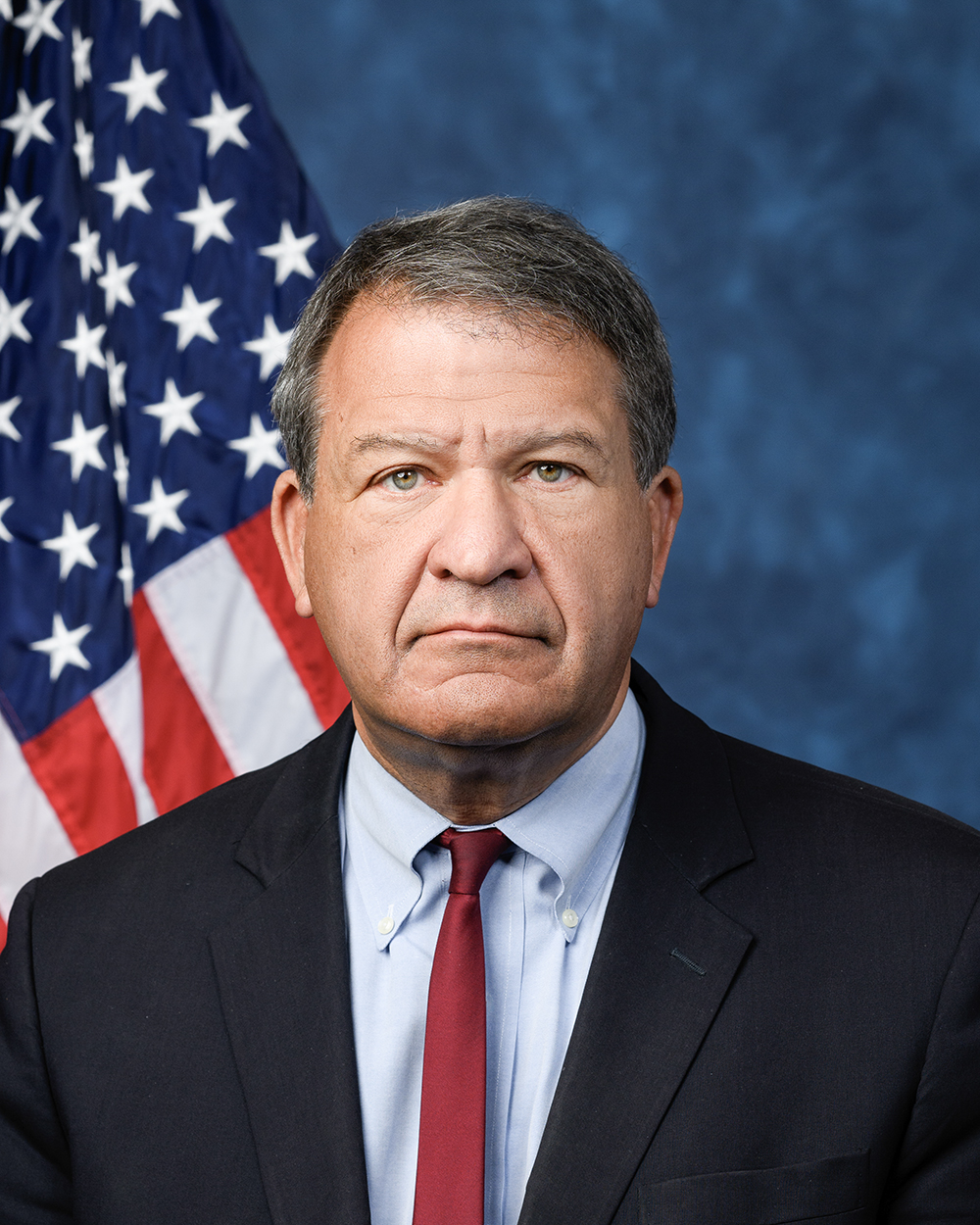
George Latimer
George Latimer House · District 16
D
Strong −
14% 181
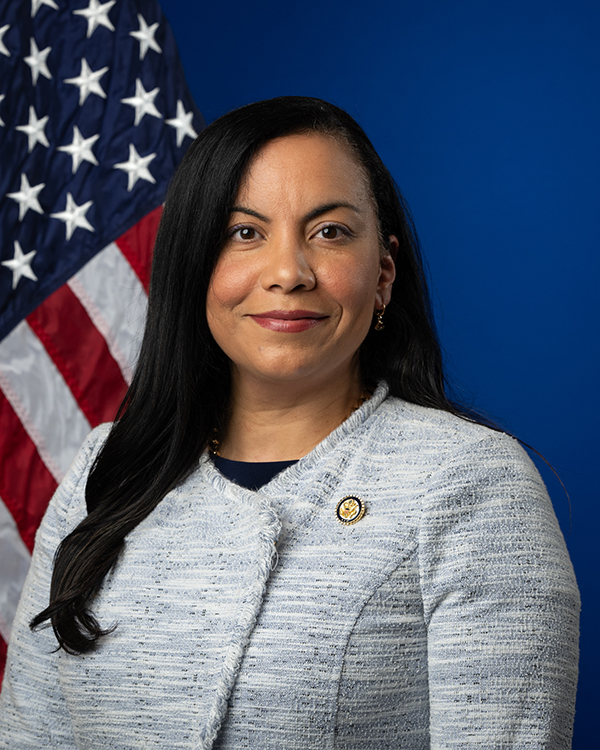
Analilia Mejia
Analilia Mejia House · District 11
D
Strong −
14% 52
Gregory W. Meeks
Gregory W. Meeks House · District 5
D
Strong −
14% 181
Showing 1,971–1,980 of 2,044 bills

All budget & taxes bills

in committee · United States · House Jan 30, 2026

HR 7303: Middle Class Tax Cut Act

HR 7303, the Middle Class Tax Cut Act, increases standard deductions and adjusts tax brackets for 2026 and beyond. It raises the standard deduction to $75,000 for joint filers (from $4,400) and $50,000 for single filers (from $3,000), directly benefiting middle-income households. The bill also creates new income tax brackets with lower rates for most earners, such as a 25% rate for taxable income under $200,000 for joint filers, replacing previous rates. These changes apply to taxable years beginning after December 31, 2025, and affect all individual tax filers based on their filing status.
Sub-Topics Income Tax
in committee · United States · House Jan 3, 2025

HJRES 6: Proposing an amendment to the Constitution of the United States to provide for balanced budgets for the Government.

This joint resolution proposes a constitutional amendment prohibiting total outlays for a fiscal year from exceeding total receipts for that fiscal year unless Congress authorizes the excess by a two-thirds roll call vote of each chamber. The amendment also requires the President to submit an annual budget in which total outlays for the fiscal year do not exceed total receipts. Congress may waive the requirements for any fiscal year in which (1) a declaration of war is in effect by a roll call vote, or (2) a declaration of a natural disaster or a national emergency is in effect that was declared by a joint resolution that became law after being adopted by a majority of each chamber of Congress.
in committee · United States · Senate Jan 29, 2025

S 292: Educational Choice for Children Act of 2025

This bill establishes tax credits for individuals and corporations who contribute to scholarship granting organizations that provide educational scholarships for eligible students. The individual tax credit is limited to 10% of adjusted gross income or $5,000, while corporate credits are capped at 5% of taxable income. The bill defines "eligible students" as those from households with income not exceeding 300% of the area median gross income, and specifies that scholarships can cover tuition, materials, tutoring, and educational therapies. The bill includes a $10 billion annual cap on tax credits, with a first-come, first-served allocation system, and requires scholarship organizations to meet specific financial and operational standards.
in committee · United States · House Feb 25, 2026

HR 7687: No Tax on Takings Act

This bill prevents property owners from paying income tax on the profit they make when the government takes their land or buildings through eminent domain (such as for public projects) or when they sell due to immediate threat of taking. It creates a new tax exclusion in the Internal Revenue Code, meaning the government's payment for the property isn't counted as taxable income. Property owners can choose to waive this exclusion and pay tax on the gain if they prefer. The bill directly affects homeowners and businesses facing government acquisitions using eminent domain powers.
in committee · United States · House Apr 30, 2025

HR 3128: Improving Diaper Affordability Act of 2025

HR 3128, the Improving Diaper Affordability Act of 2025, makes diapers eligible as qualified medical expenses under tax-advantaged health accounts (like HSAs and health flexible spending arrangements) and prohibits states or localities from imposing sales taxes on diaper purchases. This directly affects families with young children - particularly low-income households, where 46% report struggling to afford diapers - who currently spend hundreds annually on diapers. The bill changes existing tax rules so families can use pre-tax dollars from health savings accounts to cover diaper costs, and bans sales taxes on diaper purchases starting in 2025. It does not create new government assistance programs but adjusts tax treatment to reduce out-of-pocket costs for diapers.
in committee · United States · House Apr 17, 2025

HR 2932: CLEAR Skies Act

HR 2932, the CLEAR Skies Act, creates a tax credit for producing unleaded aviation gasoline in the U.S. The credit provides $1.25 per gallon in 2026, phasing down to $1.05 per gallon by 2030, for fuel that is lead-free, meets aviation standards, and is produced domestically. Producers must register with the IRS and certify compliance with these requirements to claim the credit. The bill also mandates a GAO study to analyze price differences between leaded and unleaded aviation fuel and whether the tax credit benefits end-users. This policy directly affects U.S. aviation fuel producers and aims to accelerate the transition from leaded to unleaded aviation fuel.
Sub-Topics Tax Credits Airports
in committee · United States · House Mar 11, 2025

HR 2088: Thriving Communities Act of 2025

The Thriving Communities Act of 2025 establishes a federal grant program to help fast-growing communities develop infrastructure projects, particularly those connecting housing with public transit. It authorizes $100 million annually for the Transportation Secretary and $5.5 million for the Housing Secretary to provide technical assistance and capacity-building support. The program requires regular reports to Congress on funding methods, coordination between agencies, and metrics used to distribute grants. This directly affects local governments in rapidly expanding areas seeking to improve transportation and housing infrastructure through federal support.
in committee · United States · Senate Jun 22, 2026

S 3799: Healthy Start Reauthorization Act of 2026

S 3799, the Healthy Start Reauthorization Act of 2026, extends annual funding for the Healthy Start Initiative through fiscal years 2026 to 2030. The bill amends existing law to specify $145 million in annual funding for this program, which provides prenatal and infant health services to at-risk communities. This reauthorization directly affects the Healthy Start Initiative programs nationwide, ensuring continued support for maternal and infant health services. The key provision is the fixed annual funding level, replacing prior language about appropriations.
Sub-Topics Children's Health
in committee · United States · Senate Jan 15, 2026

S 3673: Roadside Pollinator Program Amendments Act

S 3673 amends the Roadside Pollinator Program to expand eligibility to include tax-exempt nonprofit organizations and increase annual funding. The bill requires state transportation agencies and federal land managers to consult with the U.S. Fish and Wildlife Service before developing pollinator plans, while raising the annual funding cap from $2 million to $5 million for fiscal years 2026-2031. These changes directly affect state highway departments, federal land agencies managing rights-of-way, and qualifying nonprofit groups implementing roadside habitat projects. The legislation focuses on concrete policy adjustments to broaden program participation and boost financial support for pollinator-friendly roadside practices.
in committee · United States · Senate Apr 3, 2025

S 1286: Tax Fairness for Workers Act

This bill would allow workers to deduct union dues directly from their taxable income (an "above-the-line" deduction) and restore deductions for other work-related expenses like uniforms or tools that were disallowed after 2017. It affects employees who pay union dues or incur job-specific costs, particularly those in unionized workplaces or professions requiring specialized equipment. The key mechanism creates a new deduction for union dues under existing tax code sections and revives the ability to itemize other work expenses, excluding them from the 2% floor on miscellaneous deductions. These changes would apply to tax returns filed for years beginning after December 31, 2024.
Showing 1,971 to 1,980 of 2,044 bills