Issue · Budget & Taxes

Budget & Taxes

Every budget & taxes bill, vote, and legislator stance in United States, automatically classified by Maddy, our AI policy reader.

Total bills
2,352
119th Congress
Top supporter
Clay Fuller
87% support rate
Top opponent
Eleanor Holmes Norton
0% support rate
Ranked legislators
10
5 support · 5 oppose
Key legislators

Who's moving budget & taxes in United States

Legislators moving budget & taxes in United States
Legislator Party Stance Support rate Decisive votes
Clay Fuller
Clay Fuller House · District 14
R
Strong +
87% 46
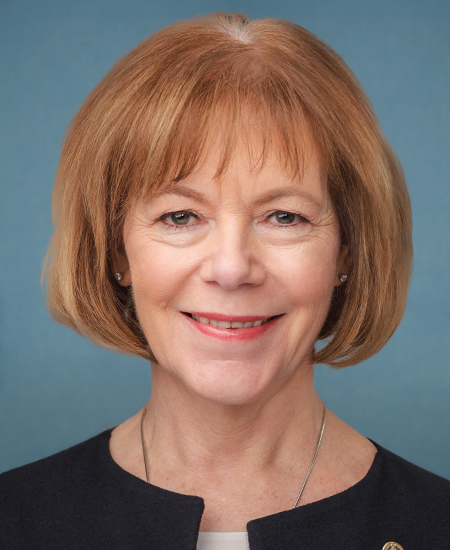
Tina Smith
Tina Smith Senate
D
Strong +
83% 77
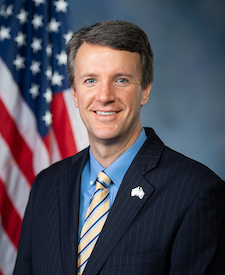
Andrew Ogles
Andrew Ogles House · District 5
R
Strong +
83% 65
Aaron Bean
Aaron Bean House · District 4
R
Strong +
83% 69
Ben Cline
Ben Cline House · District 6
R
Strong +
83% 69
Eleanor Holmes Norton
Eleanor Holmes Norton House · District At-Large
D
Strong −
0% 26
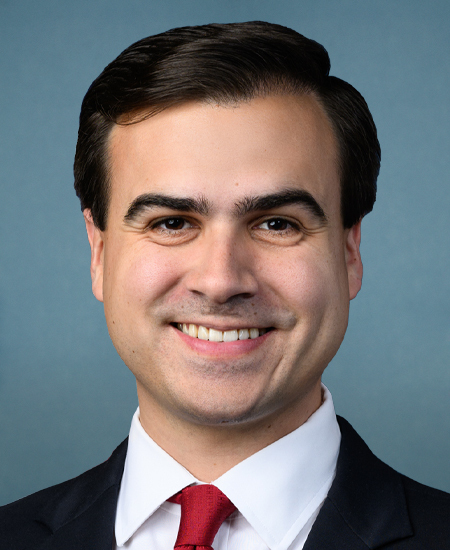
Pablo José Hernández
Pablo José Hernández House · District At-Large
D
Strong −
7% 28
Analilia Mejia
Analilia Mejia House · District 11
D
Strong −
13% 45
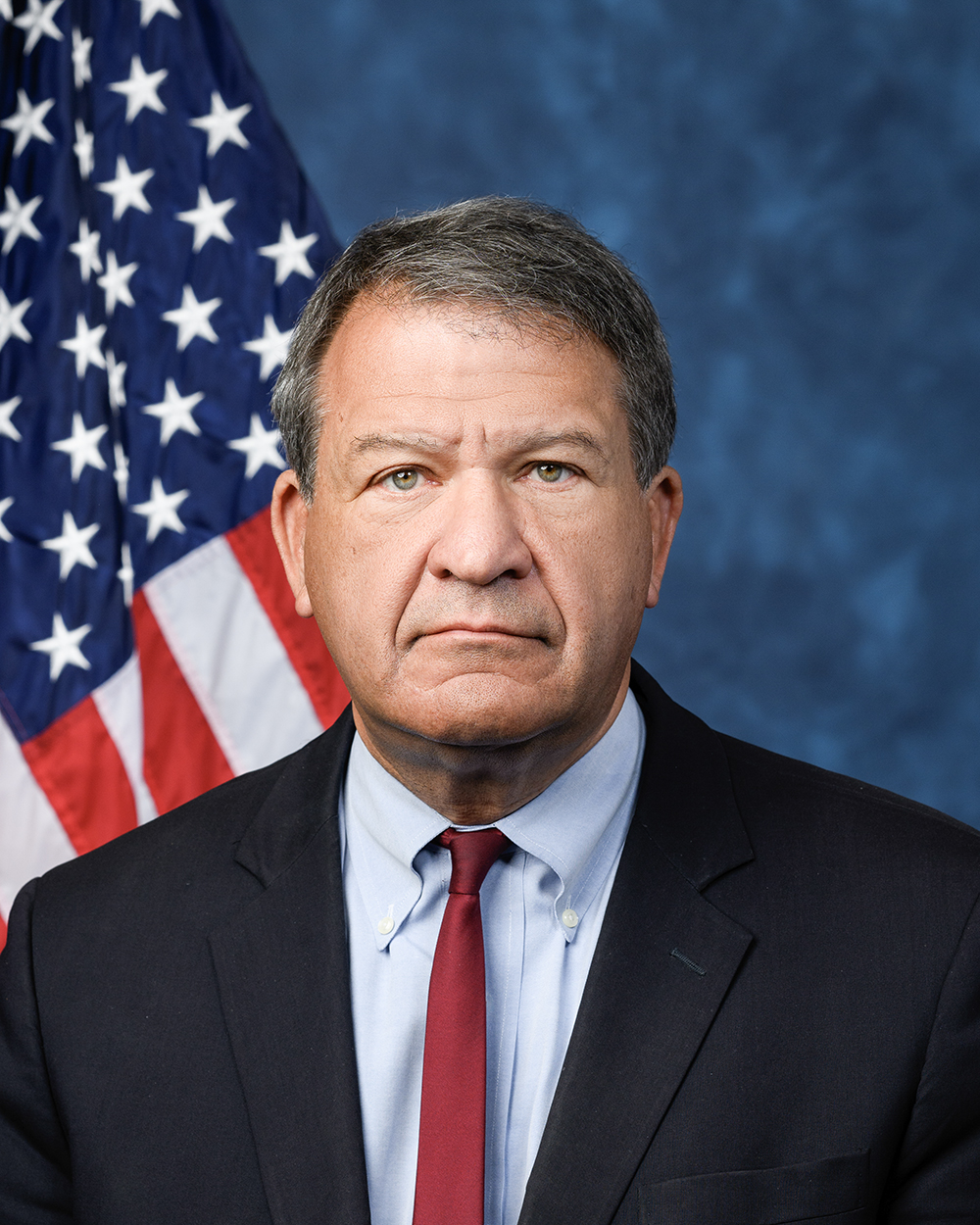
George Latimer
George Latimer House · District 16
D
Strong −
13% 67
Gregory W. Meeks
Gregory W. Meeks House · District 5
D
Strong −
14% 66
Showing 1,941–1,950 of 2,352 bills

All budget & taxes bills

in committee · United States · House Aug 8, 2025

HR 4943: Safeguarding Trust in Our Politics Act

This bill prohibits 501(c)(3) nonprofit organizations (like charities and educational groups) from providing any direct or indirect funding to states or local governments for election administration, such as running polls or managing voter registration. The key change amends the tax code to explicitly ban this funding, with one exception: donating physical space for polling locations. It affects all 501(c)(3) organizations, requiring them to avoid any financial support for election operations. The rule takes effect for tax years starting after December 31, 2025.
Tags Elections
in committee · United States · Senate Nov 20, 2025

SRES 517: A resolution expressing opposition to congressional spending on earmarks.

SRES 517 is a Senate resolution opposing congressional spending on earmarks - special spending projects directed by lawmakers for specific local projects. It condemns the use of earmarks to allocate taxpayer funds, reaffirms previous bans on such spending (including a 2019 permanent ban), and urges Congress to focus on reducing the national debt instead. The resolution does not change current spending rules but expresses the Senate’s position against earmarks as a way to curb deficit spending and debt growth. It directly affects how Congress manages federal budget allocations, emphasizing fiscal responsibility over targeted project funding.
Sub-Topics Appropriations
in committee · United States · Senate Mar 25, 2025

S 1108: Tax Cuts for Veterans Act of 2025

S 1108, the Tax Cuts for Veterans Act of 2025, excludes specific military retirement and disability benefits from taxable income for veterans. It directly affects veterans receiving retirement pay under Titles 10 or 14 U.S. Code, or disability-related payments under Titles 10, 14, 37, or 38 U.S. Code. The bill amends the Internal Revenue Code to remove these benefits from gross income calculations, effectively reducing taxable income for qualifying veterans. This policy change applies to taxable years beginning after the bill's enactment, providing immediate tax relief for affected veterans.
in committee · United States · House Jan 13, 2026

HR 7032: Pay Paraprofessionals and Support Staff Act

This bill establishes minimum salary and wage standards for paraprofessionals and education support staff in public schools. It requires states to set a minimum annual salary of $45,000 for full-time staff (increasing with inflation after 2030) and a minimum hourly wage of $30 for part-time staff (also inflation-adjusted). The federal government will provide $25 billion in FY2026, with annual funding increases, to help states implement these standards through grants. States must ensure all local schools meet these minimums within 4 years of receiving funds, with 98% of grant money allocated directly to schools for salary increases or professional development.
in committee · United States · House Apr 10, 2025

HR 2833: Adoption Tax Credit Refundability Act of 2025

HR 2833 makes the federal adoption tax credit refundable, meaning qualifying adoptive parents can receive cash payments even if they owe no federal income tax. This directly affects low- and middle-income adoptive families who previously could only reduce their tax bill with the credit but couldn’t get cash back. The bill moves the credit from a non-refundable to a refundable status in the tax code and adds standardized verification forms for adoptions. It takes effect for tax years beginning after December 31, 2025.
Sub-Topics Income Tax Tax Credits
in committee · United States · Senate Jul 31, 2025

S 2588: Sustaining Our Democracy Act

The Sustaining Our Democracy Act establishes a federal program to provide funding to states for election-related activities. The Democracy Advancement and Innovation Program allocates funds to states for improving election administration, recruiting and protecting election workers, and increasing voting access for underserved communities including racial minorities, individuals with disabilities, and voters in Indian lands. States must submit approved plans detailing how funds will be used before receiving payments, and the bill prohibits using funds for activities that could diminish voter participation. The legislation creates an Office of Democracy Advancement and Innovation to administer the program and establishes a $2.5 billion annual Trust Fund for fiscal years 2026-2035 to support these election-related activities.
Tags Elections
in committee · United States · Senate Jul 16, 2025

S 2299: Resilient Transit Act of 2025

The Resilient Transit Act of 2025 (S 2299) creates federal grants to help state and local governments improve public transportation systems' resilience against climate impacts like flooding, wildfires, and extreme weather. It funds specific activities such as flood barriers, backup power systems, temperature monitoring, and vulnerability assessments for transit infrastructure. Grants prioritize projects benefiting environmental justice communities, medically underserved areas, and neighborhoods with high poverty or unemployment rates, as defined by the bill. The legislation authorizes $4.15 billion for these grants in fiscal year 2025, requiring annual reports to Congress on funded projects and their community impact.
in committee · United States · Senate May 7, 2025

S 1653: USA CAR Act

The USA CAR Act (S 1653) creates a new tax deduction for interest paid on auto loans for vehicles assembled in the U.S. It allows taxpayers to deduct interest on loans taken out after January 1, 2025, for purchasing a "qualified automobile" (defined as a vehicle manufactured by a company with final assembly occurring within the United States). This deduction applies above-the-line, reducing adjusted gross income, and directly affects individual taxpayers buying qualifying U.S.-made vehicles. The bill does not change existing tax rules but adds this specific deduction for eligible auto loans.
Sub-Topics Procurement
in committee · United States · House Jun 3, 2025

HR 3698: Living Organ Donor Tax Credit Act

HR 3698, the Living Organ Donor Tax Credit Act, creates a federal tax credit for living individuals who donate specific life-saving organs (like kidneys, livers, or bone marrow) for transplantation. It allows donors to claim a credit covering unreimbursed medical costs, travel, lodging, follow-up care, paperwork, and lost wages related to donation, capped at $5,000 per tax year. The credit applies only to living donors whose organ removal and transplantation comply with U.S. law, excludes reimbursed expenses, and does not apply to deceased donors. This bill directly affects living organ donors who bear out-of-pocket costs during the donation process.
Sub-Topics Tax Credits
in committee · United States · Senate Feb 10, 2026

SJRES 95: A joint resolution providing for congressional disapproval under chapter 8 of title 5, United States Code, of the rule submitted by the Internal Revenue Service relating to "Interim Guidance Simplifying Application of the Corporate Alternative Minimum Tax to Partnerships".

SJRES 95 is a congressional disapproval resolution targeting an Internal Revenue Service (IRS) rule. It seeks to block IRS Notice 2025-28, which provided "Interim Guidance Simplifying Application of the Corporate Alternative Minimum Tax to Partnerships," by invoking procedures under Title 5, U.S. Code. If enacted, this resolution would prevent the IRS guidance from taking effect, directly affecting business partnerships that would have been subject to the Corporate Alternative Minimum Tax under the proposed rule. The resolution is procedural, focusing solely on halting the implementation of the specific IRS guidance without creating new tax law.
Showing 1,941 to 1,950 of 2,352 bills