Issue · Budget & Taxes

Budget & Taxes

Every budget & taxes bill, vote, and legislator stance in United States, automatically classified by Maddy, our AI policy reader.

Total bills
2,374
119th Congress
Top supporter
Clay Fuller
87% support rate
Top opponent
Eleanor Holmes Norton
0% support rate
Ranked legislators
10
5 support · 5 oppose
Key legislators

Who's moving budget & taxes in United States

Legislators moving budget & taxes in United States
Legislator Party Stance Support rate Decisive votes
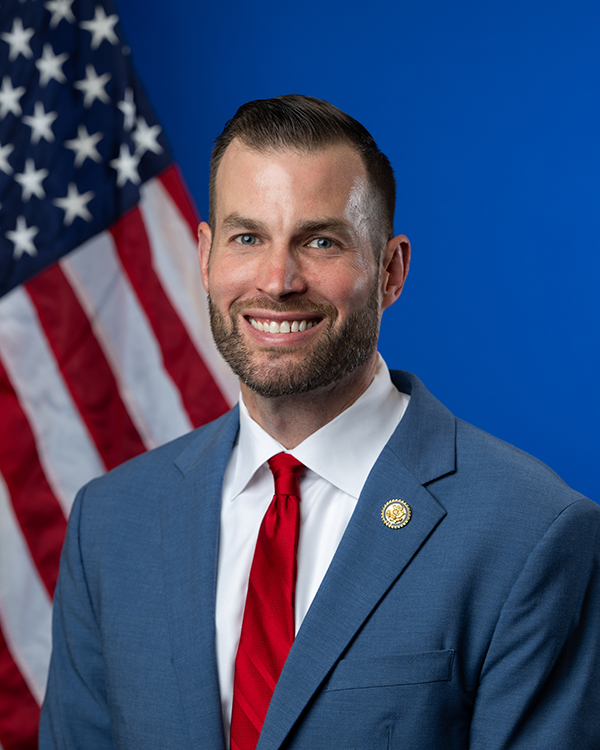
Clay Fuller
Clay Fuller House · District 14
R
Strong +
87% 46
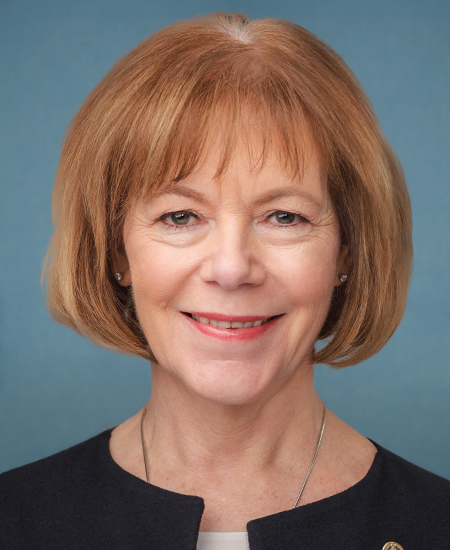
Tina Smith
Tina Smith Senate
D
Strong +
83% 77
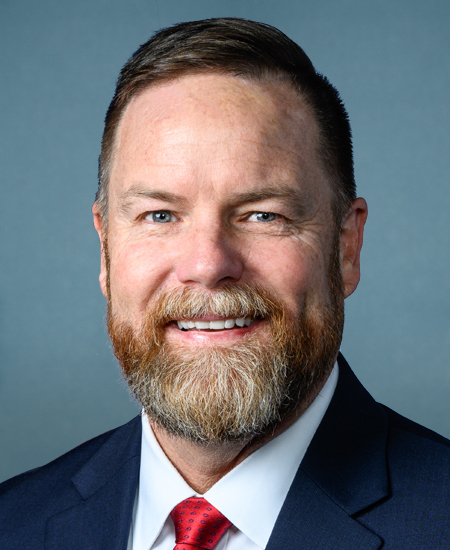
Andrew Ogles
Andrew Ogles House · District 5
R
Strong +
83% 65
Aaron Bean
Aaron Bean House · District 4
R
Strong +
83% 69
Ben Cline
Ben Cline House · District 6
R
Strong +
83% 69
Eleanor Holmes Norton
Eleanor Holmes Norton House · District At-Large
D
Strong −
0% 26
Pablo José Hernández
Pablo José Hernández House · District At-Large
D
Strong −
7% 28
Analilia Mejia
Analilia Mejia House · District 11
D
Strong −
13% 45
George Latimer
George Latimer House · District 16
D
Strong −
13% 67
Gregory W. Meeks
Gregory W. Meeks House · District 5
D
Strong −
14% 66
Showing 1,871–1,880 of 2,374 bills

All budget & taxes bills

in committee · United States · Senate Feb 10, 2025

S 504: High Rise Fire Sprinkler Incentive Act of 2025

This bill creates a tax incentive for retrofitting fire sprinkler systems in qualifying high-rise residential buildings. It directly affects building owners and developers who install sprinklers in structures over 75 feet tall (measured from fire department access) that were built before current standards. The key provision amends the tax code to classify these sprinkler retrofits as "15-Year property," allowing faster depreciation deductions. This change applies to systems meeting National Fire Protection Association 13 standards installed in existing residential buildings. The bill modifies tax treatment but does not require sprinkler installation.
Sub-Topics Tax Incentives
in committee · United States · House May 1, 2025

HR 3137: Biodiesel Tax Credit Extension Act of 2025

HR 3137 extends federal tax credits for biodiesel production and use through 2026, directly affecting biodiesel producers, refiners, and businesses that purchase or use biodiesel. The bill updates tax code provisions to keep the biodiesel credit active until 2026 (instead of expiring in 2024) and prevents double benefits by disallowing credits for fuel already covered under a separate clean fuel production credit. It also extends related credits for second-generation biofuels until 2027 and applies to fuels sold or used after December 31, 2024. The changes maintain existing tax incentives without altering eligibility or creating new requirements.
Sub-Topics Tax Credits
in committee · United States · Senate Jun 9, 2025

S 1986: A bill to amend the Internal Revenue Code of 1986 to extend the temporary increase in limitation on the cover over of distilled spirits taxes to Puerto Rico and the Virgin Islands.

This bill (S 1986) extends a temporary tax rate increase for distilled spirits imports into Puerto Rico and the U.S. Virgin Islands. It amends the tax code to change the expiration date of this provision from January 1, 2022, to January 1, 2032. The change affects businesses importing distilled spirits into these territories, keeping the higher tax rate in place for another decade. The key mechanism is simply extending the existing temporary tax rule, with the new rate applying to spirits brought into the U.S. after December 31, 2021.
in committee · United States · House Jan 9, 2025

HRES 27: Expressing opposition to Central Business District Tolling Program of New York City.

This resolution (HRES 27) expresses the U.S. House of Representatives' opposition to New York City's proposed Central Business District Tolling Program, which would charge drivers up to $23 per day to enter Manhattan south of 60th Street. It directly affects daily commuters, small businesses (particularly those still recovering from pandemic-related losses), low-income families, and students traveling into Manhattan. The resolution disapproves the program, urges New York State to conduct and publicly share an economic impact report, and recommends halting implementation. The tolling program is intended to generate $1 billion annually for the MTA's capital projects and operations, but critics argue it would impose significant costs on residents and businesses already facing high inflation.
in committee · United States · Senate Dec 16, 2025

S 3489: Investing in American Workers Act

This bill creates a new tax credit for employers who provide training to non-highly compensated employees that leads to recognized postsecondary credentials like industry certifications, licenses, or associate degrees. The credit equals 20% of qualified training expenses (after accounting for previous years' spending), with a special 10% rate for businesses with no prior training costs. Small businesses with under $5 million in annual revenue can elect to apply part of this credit against payroll taxes instead of income tax. Qualified training must be provided through approved channels like community colleges, apprenticeships, or industry partnerships, and must result in an industry-recognized credential. The bill requires the Department of Labor to define "recognized postsecondary credential" within one year of enactment.
in committee · United States · Senate Dec 8, 2025

S 3384: Fraud Risk Assessment of Obamacare Subsidies Accountability Act

This bill (S 3384) requires the Health and Human Services (HHS) and Treasury Secretaries to conduct annual fraud risk assessments of Obamacare subsidy programs (premium tax credits) by December 2025 and each year after. It directs them to document all fraud prevention controls used for these subsidies and submit detailed reports to specific congressional committees and the HHS Inspector General. The assessments must follow a 2015 federal fraud management framework established by the Comptroller General. The bill directly affects HHS and Treasury operations related to administering health insurance subsidies under the Affordable Care Act.
in committee · United States · Senate Sep 9, 2025

S 2743: Save Our Safety-Net Hospitals Act of 2025

This bill modifies Medicaid funding rules to help safety-net hospitals that serve many low-income patients. It changes how "disproportionate share hospital" (DSH) payments are calculated, allowing states to use unspent DSH funds from prior years to increase payments to these hospitals without exceeding new caps. States can retroactively adjust their Medicaid plans to boost payments for past years, as long as the total doesn’t exceed the annual allotment. The key change ensures hospitals serving high numbers of Medicaid patients receive more consistent federal support, directly affecting hospitals and state Medicaid programs.
Sub-Topics Hospitals Medicaid
in committee · United States · Senate Feb 25, 2025

S 711: Transportation Freedom Act

The Transportation Freedom Act would create a 200% tax deduction for wages paid to U.S. automobile manufacturing workers who meet specific requirements, including health care coverage and pension benefits. It repeals current emissions standards for light-duty, medium-duty, and heavy-duty vehicles, as well as Corporate Average Fuel Economy (CAFE) standards. The bill establishes new standards for greenhouse gas emissions and fuel economy that must be "technologically feasible and economically practicable," requiring consultation with manufacturers and other stakeholders. It also eliminates existing emissions waivers and creates a process for adjusting standards based on market conditions.
in committee · United States · House Mar 4, 2025

HR 1842: PAW Act of 2025

The PAW Act of 2025 allows taxpayers to treat certain veterinary expenses as medical care costs for federal tax purposes. It specifically covers full costs for service animals (as defined in federal regulations) and up to $1,000 annually for veterinary care plus $1,000 for pet health insurance for regular pets. These limits adjust annually for inflation based on the cost-of-living index. The bill applies to taxpayers, their spouses, or dependents who have qualifying service animals or pets, effective after the law's enactment.
in committee · United States · Senate Jan 16, 2025

S 131: PRECEPT Nurses Act

The PRECEPT Nurses Act creates a $2,000 annual tax credit for registered nurses who mentor nursing students or newly hired nurses (within their first six months of employment) in designated health professional shortage areas. To qualify, preceptors must complete at least 200 hours of mentoring annually, verified by certification from either the nursing school or clinical site. The credit applies to tax years beginning after December 31, 2025, and expires after 2032, requiring annual reports to Congress and an evaluation of its effectiveness by 2033.
Showing 1,871 to 1,880 of 2,374 bills