Issue · Budget & Taxes

Budget & Taxes

Every budget & taxes bill, vote, and legislator stance in United States, automatically classified by Maddy, our AI policy reader.

Total bills
2,349
119th Congress
Top supporter
Clay Fuller
86% support rate
Top opponent
Eleanor Holmes Norton
0% support rate
Ranked legislators
10
5 support · 5 oppose
Key legislators

Who's moving budget & taxes in United States

Legislators moving budget & taxes in United States
Legislator Party Stance Support rate Votes
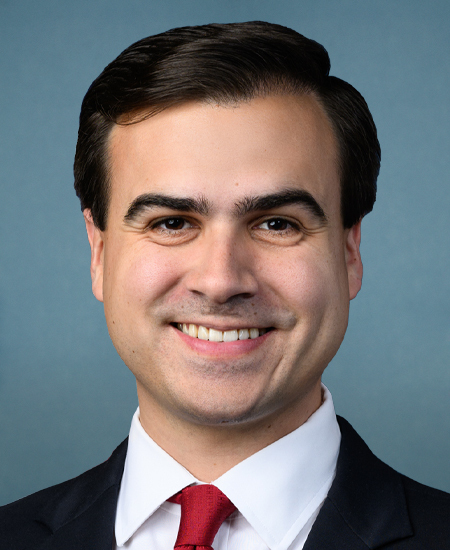
Clay Fuller
Clay Fuller House · District 14
R
Strong +
86% 55
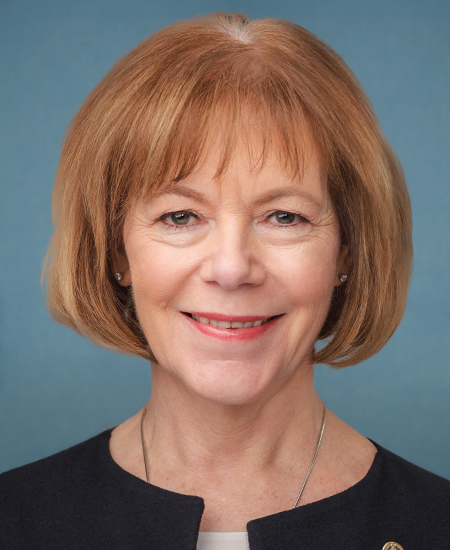
Tina Smith
Tina Smith Senate
D
Strong +
83% 251
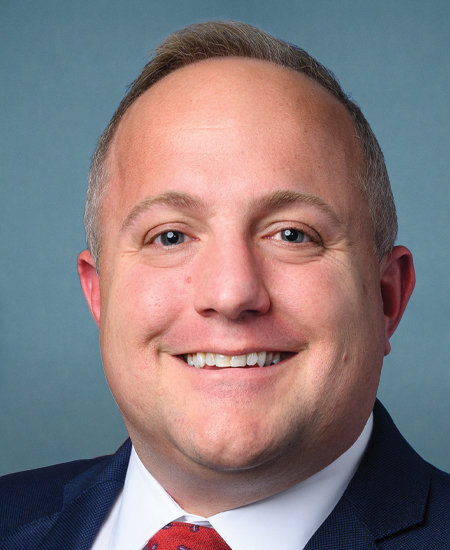
Andrew Ogles
Andrew Ogles House · District 5
R
Strong +
83% 175
Russell Fry
Russell Fry House · District 7
R
Strong +
82% 186
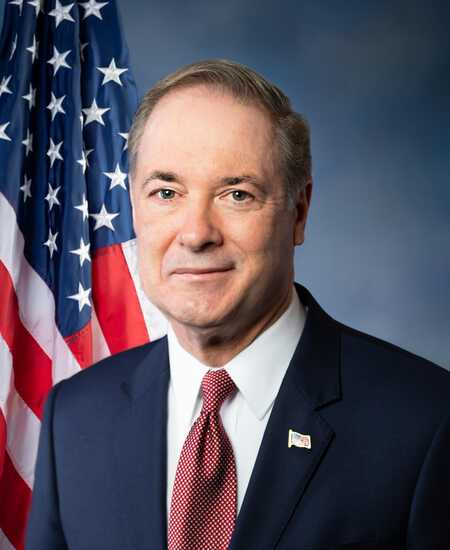
John Joyce
John Joyce House · District 13
R
Strong +
82% 185
Eleanor Holmes Norton
Eleanor Holmes Norton House · District At-Large
D
Strong −
0% 46
Pablo José Hernández
Pablo José Hernández House · District At-Large
D
Strong −
7% 46
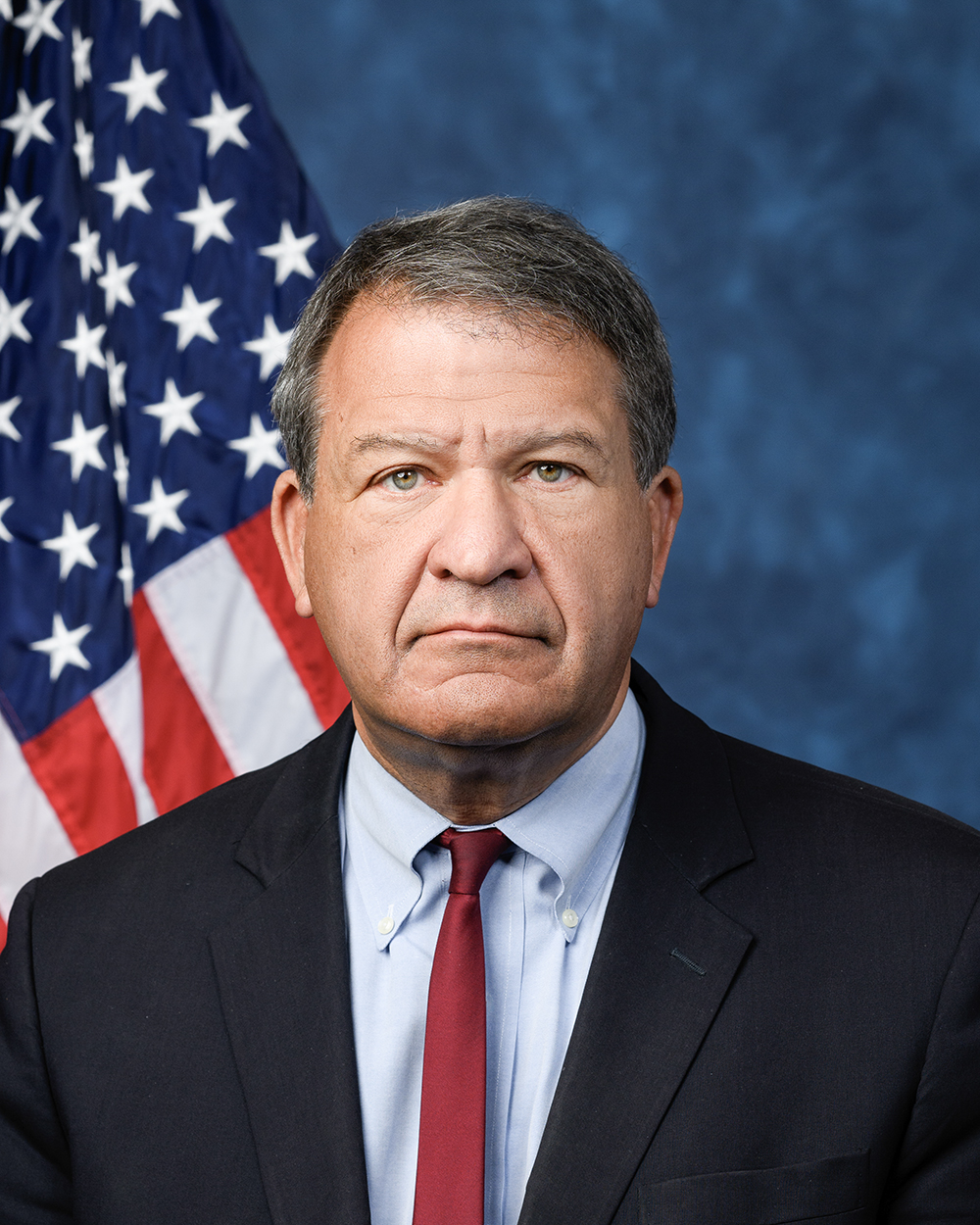
George Latimer
George Latimer House · District 16
D
Strong −
14% 181
Analilia Mejia
Analilia Mejia House · District 11
D
Strong −
14% 52
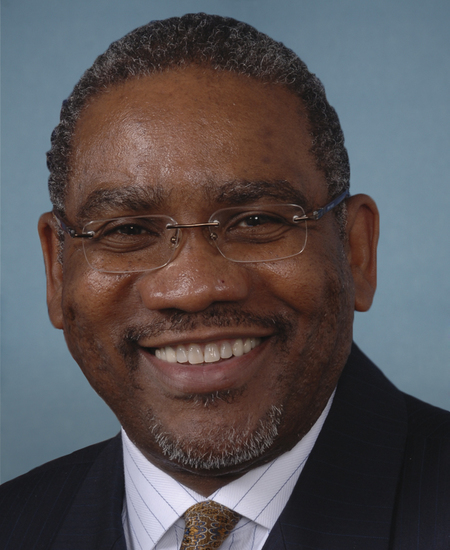
Gregory W. Meeks
Gregory W. Meeks House · District 5
D
Strong −
14% 181
Showing 161–170 of 2,349 bills

All budget & taxes bills

in committee · United States · House Jul 22, 2026

HR 9720: D.C. Taxing Authority Review Act

This bill, known as the D.C. Taxing Authority Review Act, modifies the rules for how new taxes and fees proposed by the District of Columbia government are reviewed by Congress. It requires that any D.C. law imposing or increasing a tax or fee must receive explicit approval from a joint resolution passed by both the House of Representatives and the Senate within 60 days, or else the law will not take effect. Additionally, the bill limits the time for debating these specific approval resolutions to one hour, split evenly between supporters and opponents. These changes directly affect the District of Columbia government's ability to enact new financial measures without prior congressional consent.
passed · United States · House Jul 21, 2026

HR 3029: To amend the Research and Development, Competition, and Innovation Act to support nucleic acid screening, and for other purposes.

HR 3029, the Nucleic Acid Standards for Biosecurity Act, directs the National Institute of Standards and Technology (NIST) to develop new screening standards for synthetic DNA and RNA production to prevent misuse. It requires NIST to research improved testing accuracy, security protocols for sequence databases, and technical guidance for screening tools, with a stakeholder consortium including industry and researchers to set priorities. The bill authorizes $5 million annually (2026-2030) for NIST to carry out this work and mandates a report to Congress within 18 months of the first consortium meeting. This directly affects biotechnology companies, research institutions, and labs producing synthetic genetic materials by establishing new biosecurity screening requirements.
in committee · United States · House Jul 20, 2026

HR 9624: Intelligence Authorization Act for Fiscal Year 2027

The Intelligence Authorization Act for Fiscal Year 2027 provides funding for the Federal Government's intelligence activities and authorizes specific budget amounts for the Central Intelligence Agency's retirement and disability system. It establishes a classified schedule detailing these financial authorizations, which is shared with congressional appropriations committees and the President but restricted from public disclosure. The legislation also includes a provision allowing for increases in employee compensation and benefits if authorized by law and sets a restriction ensuring that funding does not support intelligence activities not already permitted by the Constitution or existing laws.
in committee · United States · House Jul 13, 2026

HR 9657: Protecting American Homes from Hedge Funds Act

This bill imposes new taxes on large investment firms, known as hedge funds, that own multiple single-family homes to discourage them from holding properties as long-term investments. Under the tax provisions, these firms would face a 50 percent charge on the value of any new homes they buy and an annual penalty of $50,000 for every home they hold beyond a specific limit that decreases over time. The legislation also creates a Housing Downpayment Trust Fund financed by these taxes to provide grants for down payments and closing costs to low-to-moderate-income buyers. Additionally, the bill disallows mortgage interest and depreciation tax deductions for owners subject to these new taxes and bars federal mortgage agencies like Fannie Mae and Freddie Mac from lending to or buying mortgages from these large investors.
Sub-Topics Mortgages
in committee · United States · House Jun 22, 2026

HR 9383: Small Business and Consumer Credit Act of 2026

The Small Business and Consumer Credit Act of 2026 changes how certain financial institutions can use tax losses to offset future profits. It allows these banks to carry forward net operating losses for up to 20 years, with additional rules allowing them to carry losses back to previous years starting in 2028. The law specifically applies to independent banks and certain affiliated groups, requiring them to make an irrevocable election on their tax returns to use these new provisions.
Sub-Topics Sales Tax
in committee · United States · House Jul 22, 2026

HR 9721: Fiscal Sponsorship Transparency Act of 2026

The Fiscal Sponsorship Transparency Act of 2026 requires tax-exempt organizations to publicly report details about their fiscal sponsorship agreements, including the names of involved parties, financial amounts, and the specific activities funded. This law defines fiscal sponsorship as arrangements where a nonprofit receives and manages donations on behalf of another person or project while retaining control over how the funds are used. To prevent abuse, the bill also introduces penalties for "improper conduit arrangements," where charities fail to exercise control over funds intended for non-charitable individuals, imposing taxes on both the organization and its managers. These new reporting and penalty provisions will take effect for taxable years beginning after December 31, 2027.
Tags Government Transparency
in committee · United States · House Jul 14, 2026

HR 9664: K–9 Hero Act of 2026

The K-9 Hero Act of 2026 establishes a grant program to help cover medical costs for retired federal working dogs, directly affecting nonprofit organizations that provide care or financial aid to their owners. Starting in fiscal year 2027, the Secretaries of Defense and Homeland Security will jointly award grants to eligible nonprofits, with a maximum of $1 million per organization per year, to pay for veterinary treatment, surgeries, and necessary health supplies. To ensure accountability, recipients must submit annual reports on how the funds are used, and any unspent money will reduce the grant amount for the following year. The legislation authorizes $5 million annually for four years and requires the agencies to track health outcomes and report their findings to Congress every year until 2031.
in committee · United States · House Jul 13, 2026

HR 9652: Northern Marianas VA Community-Based Outpatient Clinic Authorization Act of 2026

This bill authorizes the Department of Veterans Affairs to build or renovate a community-based outpatient clinic in Saipan, Northern Mariana Islands, using up to $3.696 million in fiscal year 2027. The legislation allows the VA to use flexible building standards suited to the island's unique geographic and logistical challenges, such as the need for ocean transport of materials and limited local contractors. It specifically aims to address the current lack of a permanent VA clinical presence in the region and reduce the burden on veterans who must travel long distances for care. Ultimately, the act provides funding and regulatory flexibility to establish a local medical facility for veterans living in the Commonwealth of the Northern Mariana Islands.
Sub-Topics Primary Care
in committee · United States · House Jun 29, 2026

HR 9529: NO PROFIT Act

The NO PROFIT Act imposes a 100 percent tax rate on net capital gains earned by individuals while serving as President of the United States. Additionally, it requires presidents to mark their personal assets to market value at the end of each taxable year, forcing them to recognize any gains or losses even if they do not sell the assets. These rules apply to any assets held outside of a qualified blind trust during their time in office and take effect for tax years beginning after December 31, 2024. The legislation directly affects the financial obligations of the sitting president and their immediate family members who hold non-trusted investments.
in committee · United States · House Jun 25, 2026

HR 9488: Health Disparity Zones Act of 2026

The Health Disparity Zones Act of 2026 creates a program to designate specific geographic areas with high poverty, low life expectancy, and poor health outcomes as Health Disparity Zones. Once designated, these zones become eligible for a ten-year period of financial support, including a 10% increase in Medicare payments for services provided there, grants for community organizations, and tax credits for hiring local healthcare workers. The bill also establishes a student loan repayment program to encourage healthcare practitioners to work in these areas and requires the Department of Health and Human Services to report annually on the program's progress and effectiveness.
Showing 161 to 170 of 2,349 bills
Previous 1 16 17 18 235 Next