Issue · Budget & Taxes

Budget & Taxes

Every budget & taxes bill, vote, and legislator stance in United States, automatically classified by Maddy, our AI policy reader.

Total bills
2,101
119th Congress
Top supporter
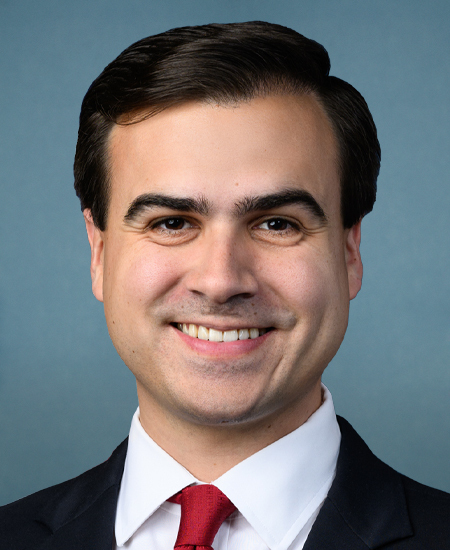
Clay Fuller
87% support rate
Top opponent
Eleanor Holmes Norton
0% support rate
Ranked legislators
10
5 support · 5 oppose
Key legislators

Who's moving budget & taxes in United States

Legislators moving budget & taxes in United States
Legislator Party Stance Support rate Decisive votes
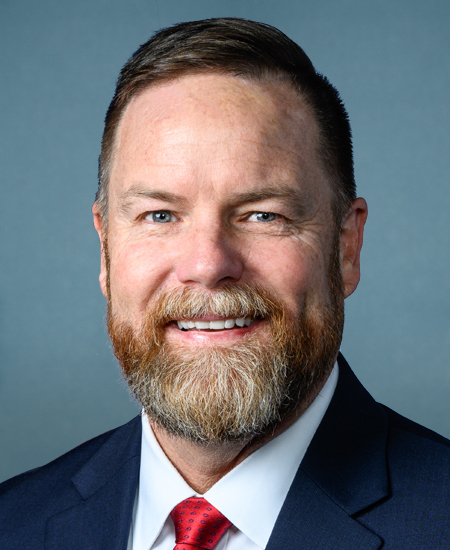
Clay Fuller
Clay Fuller House · District 14
R
Strong +
87% 46
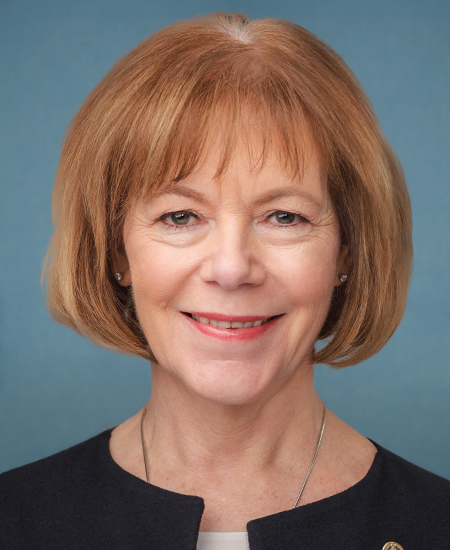
Tina Smith
Tina Smith Senate
D
Strong +
83% 77
Andrew Ogles
Andrew Ogles House · District 5
R
Strong +
83% 65
Aaron Bean
Aaron Bean House · District 4
R
Strong +
83% 69
Ben Cline
Ben Cline House · District 6
R
Strong +
83% 69
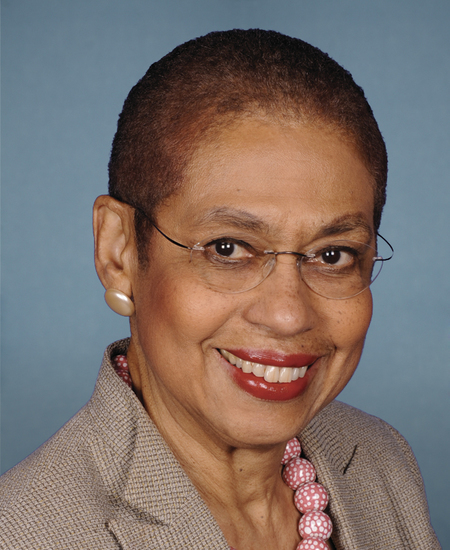
Eleanor Holmes Norton
Eleanor Holmes Norton House · District At-Large
D
Strong −
0% 26
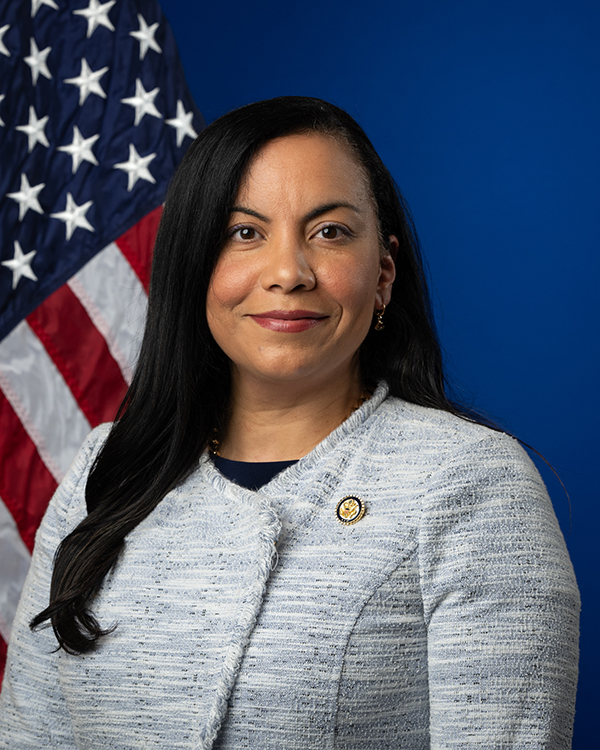
Pablo José Hernández
Pablo José Hernández House · District At-Large
D
Strong −
7% 28
Analilia Mejia
Analilia Mejia House · District 11
D
Strong −
13% 45
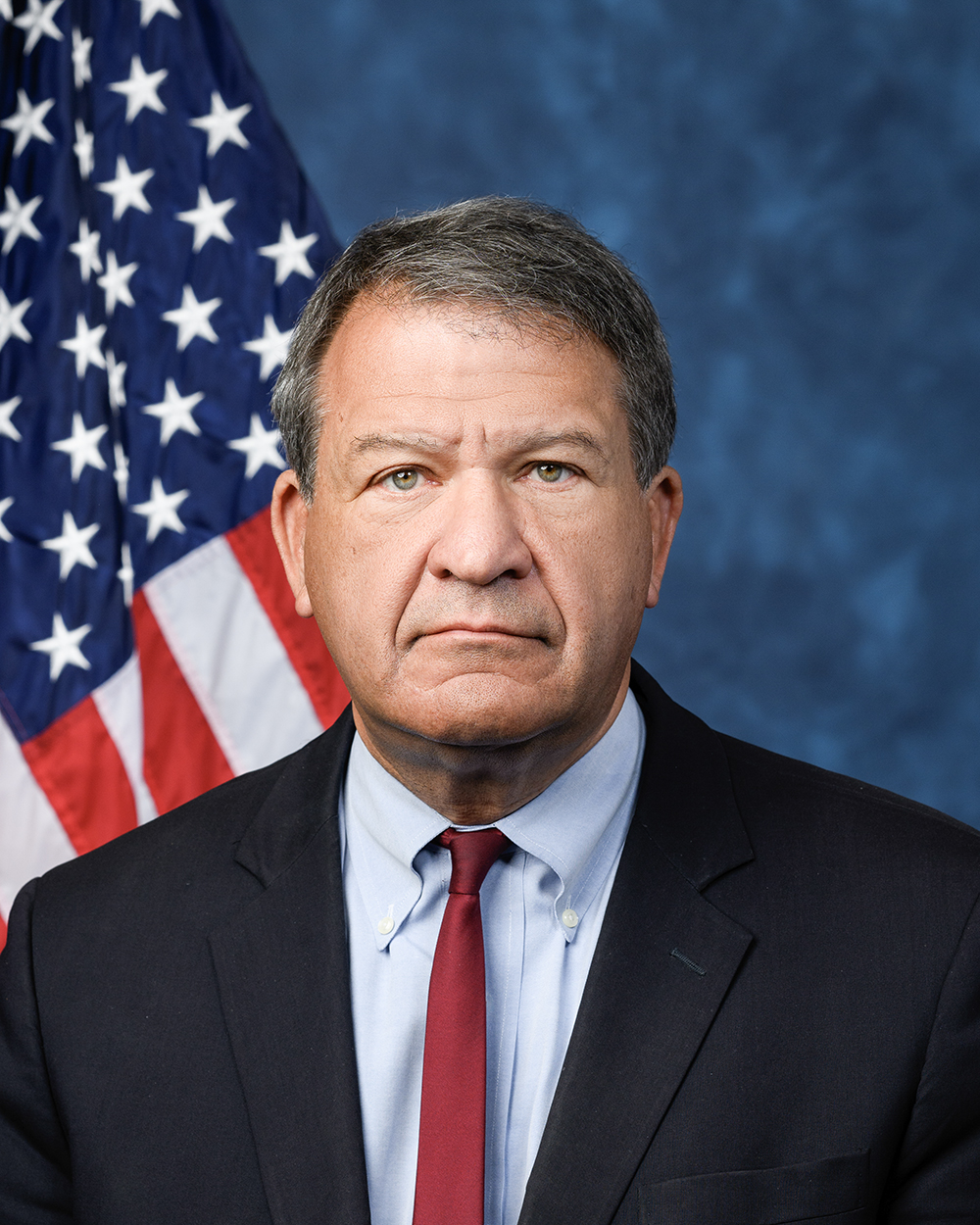
George Latimer
George Latimer House · District 16
D
Strong −
13% 67
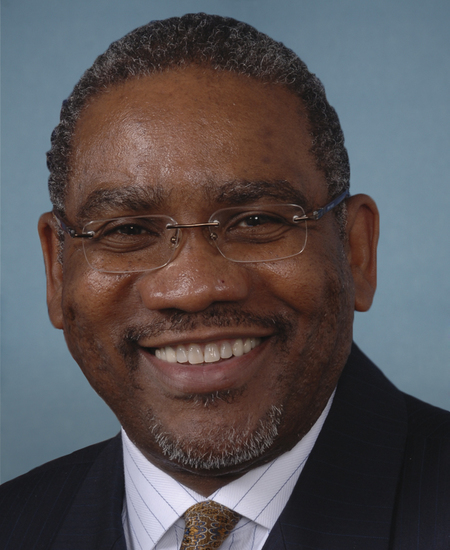
Gregory W. Meeks
Gregory W. Meeks House · District 5
D
Strong −
14% 66
Showing 1,661–1,670 of 2,101 bills

All budget & taxes bills

in committee · United States · House Jan 3, 2025

HJRES 11: .Proposing a balanced budget amendment to the Constitution requiring that each agency and department's funding is justified.

HJRES 11 proposes a constitutional amendment requiring the federal government to maintain a balanced budget by ensuring annual spending does not exceed revenue, with specific spending limits tied to gross domestic product (GDP). It mandates that every federal agency and department must justify each line item in its budget request, including how funding supports its mission and its impact on GDP, and provide a reduced funding alternative for critical functions. The amendment includes exceptions for declared wars, military conflicts, or major natural disasters, requiring a two-thirds congressional vote for waivers. This would directly affect all federal agencies by imposing new budget justification requirements and spending caps, though it remains a proposed amendment awaiting state ratification.
in committee · United States · House Jun 24, 2025

HR 4115: Saving Our MALLS Act

This bill modifies U.S. tax law to exclude certain debt forgiveness from taxable income for commercial and retail businesses. Specifically, it allows businesses to avoid paying taxes on debt discharged between December 31, 2023, and January 1, 2028, if the debt was secured by property used in their trade or business (like a storefront) and met specific timing requirements. The exclusion applies only to qualified commercial or retail indebtedness incurred before March 1, 2023, and discharged during the covered period. This directly benefits affected businesses by preserving tax credits and deductions they would otherwise lose when debt is forgiven. The policy change takes effect for debt discharges occurring on or after December 31, 2023.
Sub-Topics Tax Incentives
in committee · United States · House Feb 6, 2025

HR 1067: LITTLE Act of 2025

The LITTLE Act of 2025 creates a tax credit for childcare providers and expands tax relief for families with childcare costs. It provides a 30% credit (capped at $10,000 lifetime) for childcare businesses to cover startup expenses like facility setup, if they serve at least two children and comply with state regulations. For families, it increases the dependent care credit to 50% of eligible childcare expenses (adjusted for income) up to $7,500 for one child or $15,000 for two or more children, and makes the credit refundable. These changes apply to taxable years beginning after enactment, directly affecting childcare businesses and families with young children or dependents requiring care.
Sub-Topics Tax Credits
in committee · United States · Senate May 15, 2025

S 1790: State Border Security Assistance Act

S 1790, the State Border Security Assistance Act, creates two federal funds to provide grants to states, local governments, and National Guard units for border security activities. The Department of Homeland Security fund ($11 billion) supports physical barriers (like walls or fencing), surveillance, and border preparation along the southern U.S. border. The Department of Justice fund ($3.5 billion) covers locating, apprehending, prosecuting, and detaining individuals unlawfully present or involved in crimes, including gang activity and human trafficking. Both funds are authorized for fiscal year 2025 through 2034, with unspent balances returning to the Treasury by January 2029.
Sub-Topics Border Security
in committee · United States · Senate Sep 16, 2025

S 2824: A bill to amend the Internal Revenue Code of 1986 to extend the temporary enhanced premium credits.

This bill extends the temporary enhanced premium tax credits for health insurance under the Affordable Care Act through 2028, instead of ending in 2026. It directly affects individuals purchasing health insurance through state or federal marketplaces who qualify for these credits based on income (up to 400% of the federal poverty level). The key change updates specific dates in tax law to align the credit period with 2028, while maintaining the same income eligibility rules. The extension applies to tax years beginning after December 31, 2025.
in committee · United States · Senate Jan 9, 2025

S 45: Balanced Budget Accountability Act

S 45, the Balanced Budget Accountability Act, requires Congress to pass annual budgets that balance by 2035 or face consequences for members' pay. If Congress fails to adopt a balanced budget for fiscal years 2026 or 2027 by April 16 of the prior year, members' salaries are placed in escrow until a balanced budget is certified or the current Congress ends. For fiscal years 2028 and beyond, failure to balance the budget would reduce members' pay to $1 annually. The bill also mandates a 3/5 vote (supermajority) in each chamber to pass any bill increasing revenue. This directly affects all House and Senate members by linking their compensation to budget balance outcomes.
Sub-Topics State Budget
in committee · United States · Senate Mar 5, 2025

S 857: Water Conservation Rebate Tax Parity Act

This bill expands tax exclusions for homeowners by adding water conservation, storm water management, and wastewater management rebates to the existing tax-free treatment for energy efficiency subsidies. It directly affects residents receiving rebates from public utilities, local governments, or storm water providers for qualifying installations like low-flow fixtures, rain barrels, or septic system upgrades (with wastewater rebates limited to principal residences). Key provisions redefine "water conservation measure" and "storm water management measure" to clarify eligible upgrades and explicitly include water utilities and storm water providers under tax-exclusion rules. The changes apply to rebates received after December 31, 2021, without altering tax treatment for prior rebates.
in committee · United States · Senate Jan 30, 2025

S 336: Disaster Mitigation and Tax Parity Act of 2025

This bill excludes certain state-funded payments for disaster-resistant property improvements from taxable income. Homeowners who receive payments from state programs to make upgrades (like reinforcing roofs against windstorms or elevating homes to reduce flood damage) will not have those amounts counted as taxable income. The law specifically covers payments for "qualified catastrophe mitigation payments" made to reduce damage from windstorms, earthquakes, floods, or wildfires. It applies to payments received under state-established programs, including those managed by state insurance agencies or entities ensuring property insurance markets.
in committee · United States · Senate Jan 14, 2026

S 3643: Special Inspector General for Program Fraud Act

S 3643 establishes an independent Office of the Special Inspector General (SIG) specifically to audit and investigate fraud, waste, and abuse in U.S. federal child assistance programs (such as child care and nutrition funding). The SIG, appointed by the President, has authority to conduct audits and investigations without interference from agencies like Health and Human Services or Agriculture, and must report quarterly to Congress with detailed spending data on these programs. Key provisions require the SIG to publish reports publicly, mandate transparency in major contracts involving child assistance funds, and ensure agencies provide necessary cooperation. The office is funded at $10 million annually for fiscal years 2026-2027 and terminates on September 30, 2027.
in committee · United States · Senate Jun 12, 2025

S 2045: Protecting Endowments from Our Adversaries Act

This bill imposes a 50% excise tax on the fair market value of "listed investments" acquired by large private colleges and universities during a taxable year, and a 100% tax on net income from such investments. It defines "listed investments" as any stock, debt, or derivatives held in entities on government security lists (like the Commerce Department's Entity List or FCC Covered List). The tax applies to private institutions with endowments exceeding $1 billion that aren't state universities, targeting investments in entities deemed national security threats. The law requires the Treasury to establish a consolidated list of these entities within 60 days of enactment, with taxes taking effect for acquisitions and income after the first calendar year following enactment.
Showing 1,661 to 1,670 of 2,101 bills